
University of Dresden
Dresden, 🇩🇪 Germany
#16 National #218 QS World
#16 National #218 QS World #161 THE #201 ARWU
€327 - €8.6k/yr
About University of Dresden
TU Dresden, a public research university in Dresden, Germany, is one of the ten largest universities in Germany and a member of the prestigious TU9 alliance, which comprises the leading German Institutes of Technology. Established in 1828, it has evolved into a comprehensive university known for its research excellence and diverse academic offerings. With approximately 29,000 students, including a significant international population, TU Dresden fosters a vibrant and multicultural academic environment.
TU Dresden offers a wide range of academic programs across 17 faculties and five schools, encompassing engineering, natural sciences, humanities, social sciences, and medicine. The university is particularly recognized for its strengths in areas such as biomedicine, bioengineering, information technology, microelectronics, materials science, energy, mobility, environment, and societal change. While most bachelor's programs are taught in German, TU Dresden provides 26 English-taught Master's degree programs, especially in engineering and natural sciences, catering to international students.
In 2024, international students from 128 different countries constituted 20% of the student body, highlighting the university's diverse community. The International Office provides comprehensive support, including assistance with applications, enrollment, and cultural activities. Programs like the LinkPartnerProgramm match international students with German students for initial support, and the Erasmus-Initiative TU Dresden organizes numerous group activities for cultural integration. The university also offers German language courses through its affiliated TUDIAS-Sprachschule to help students prepare for their studies.
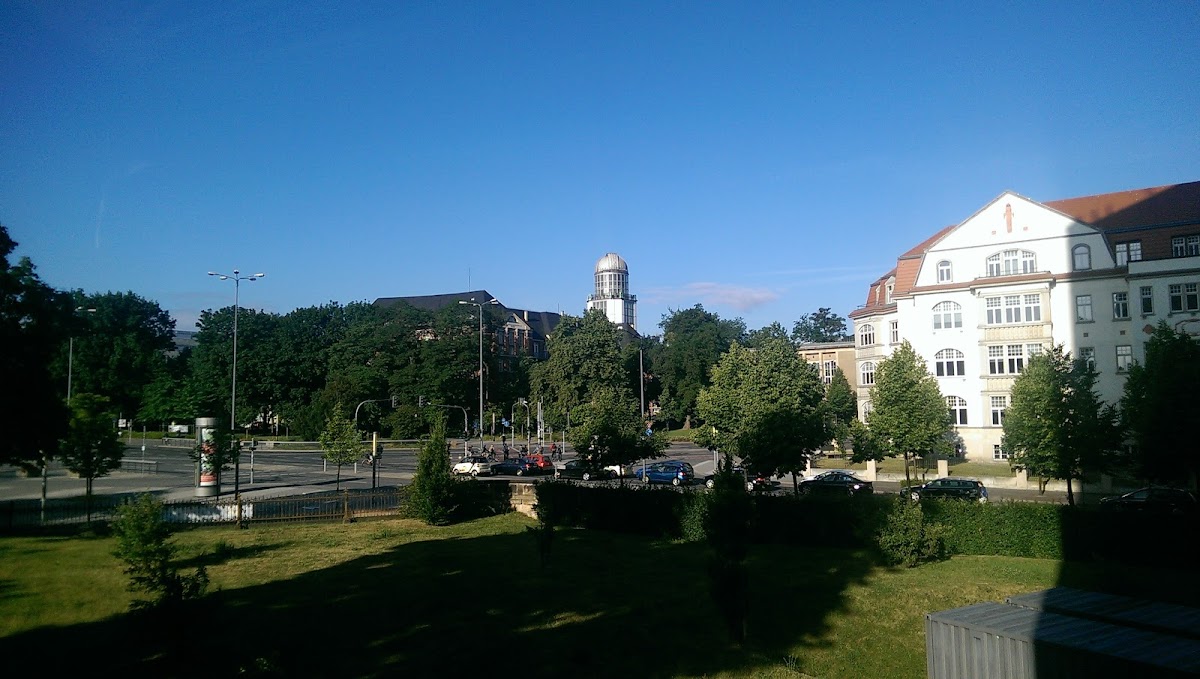
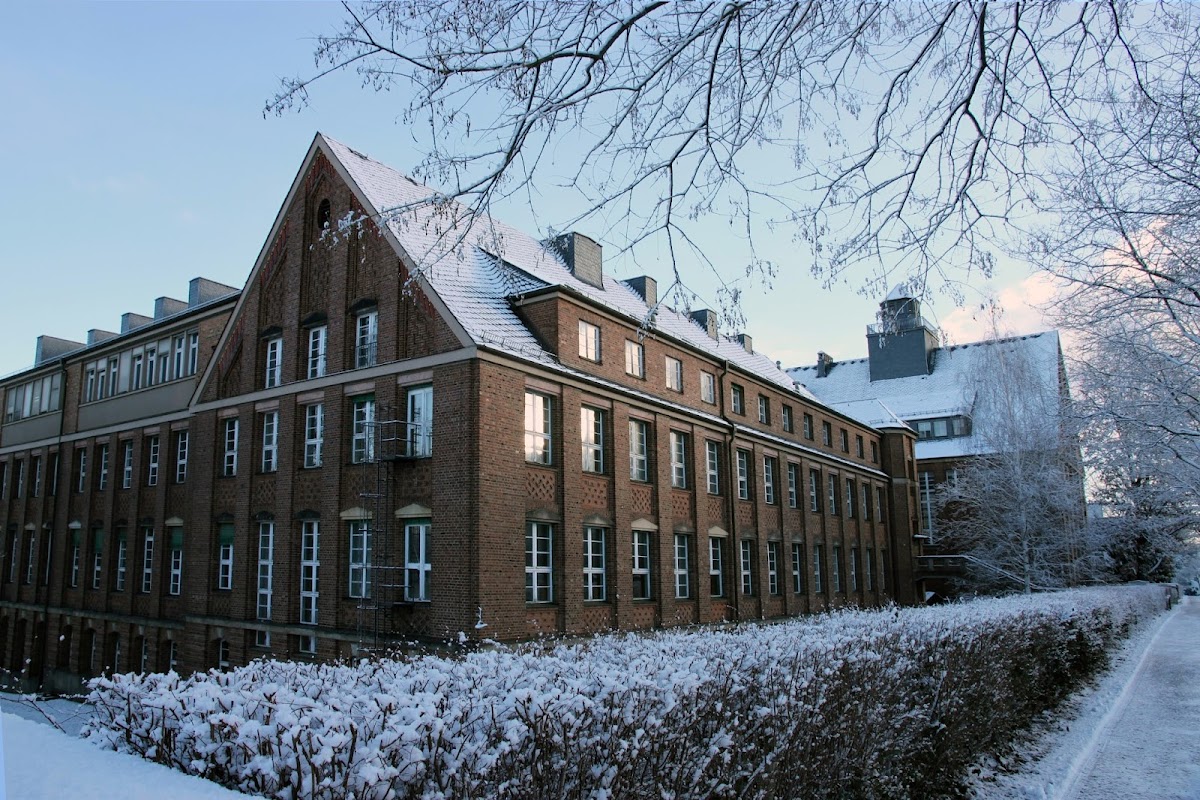
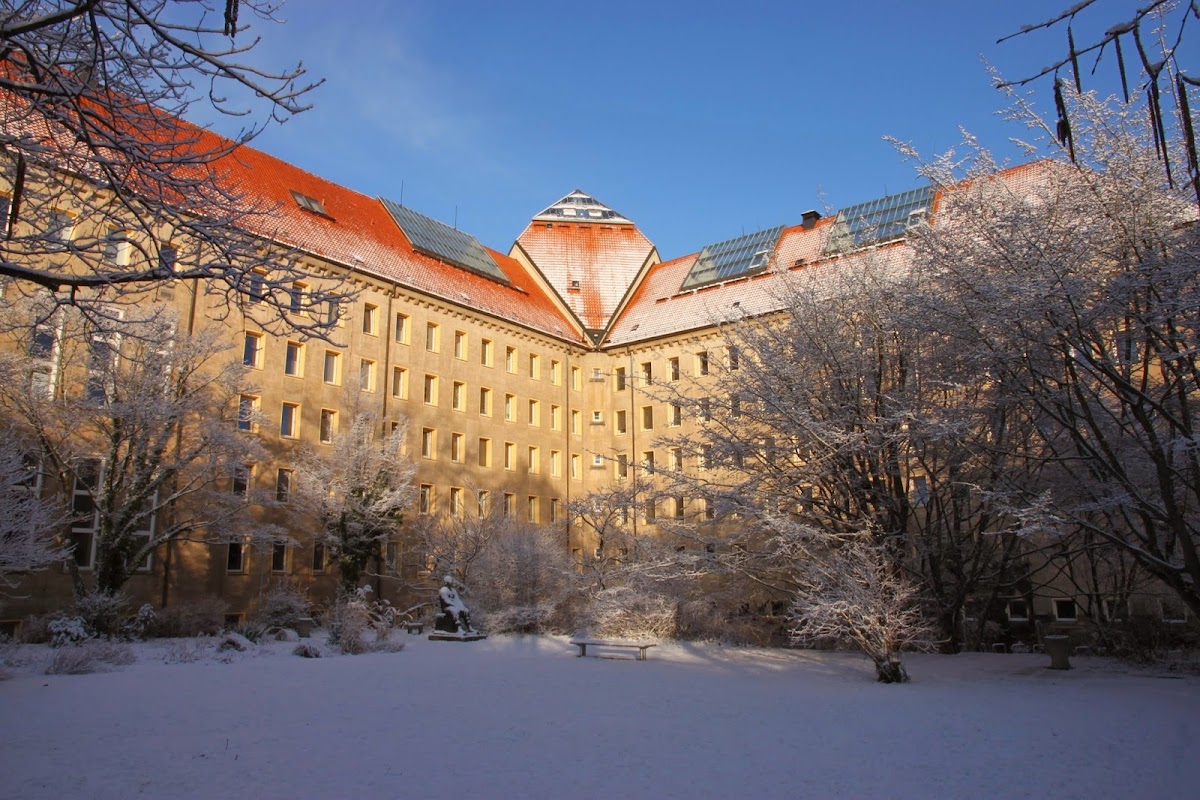
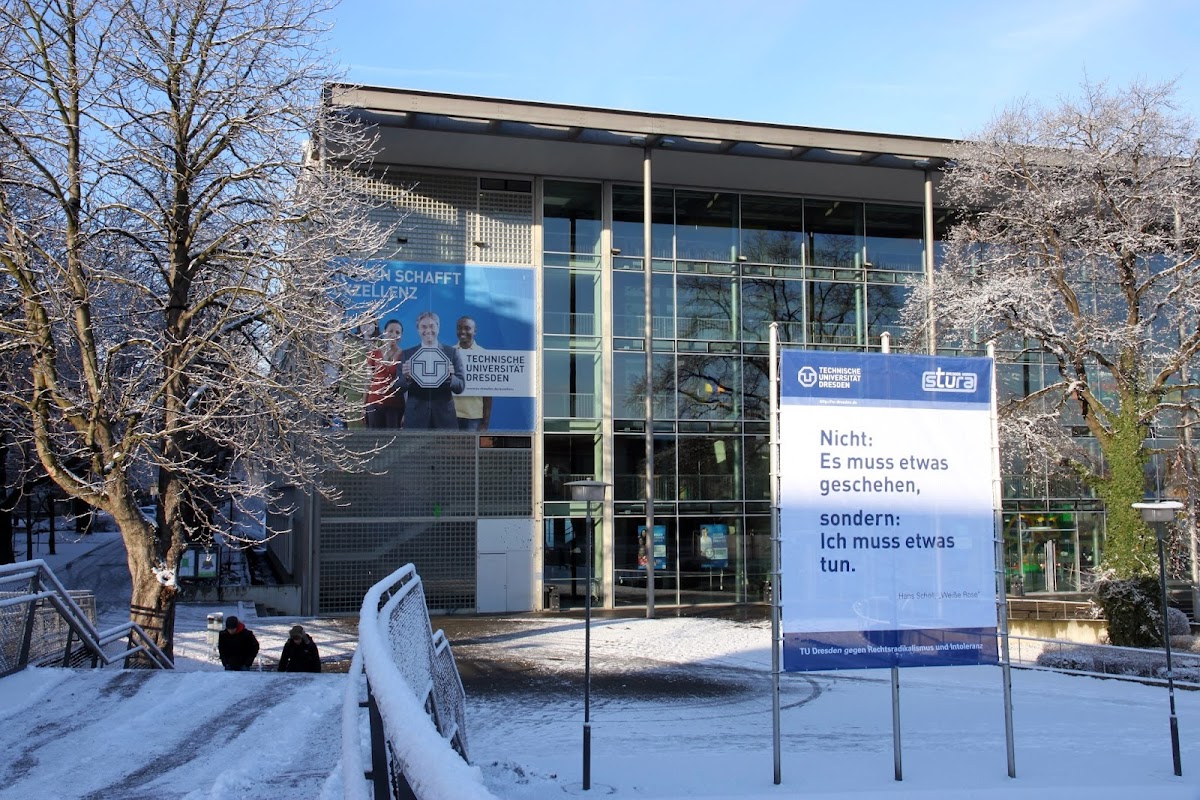
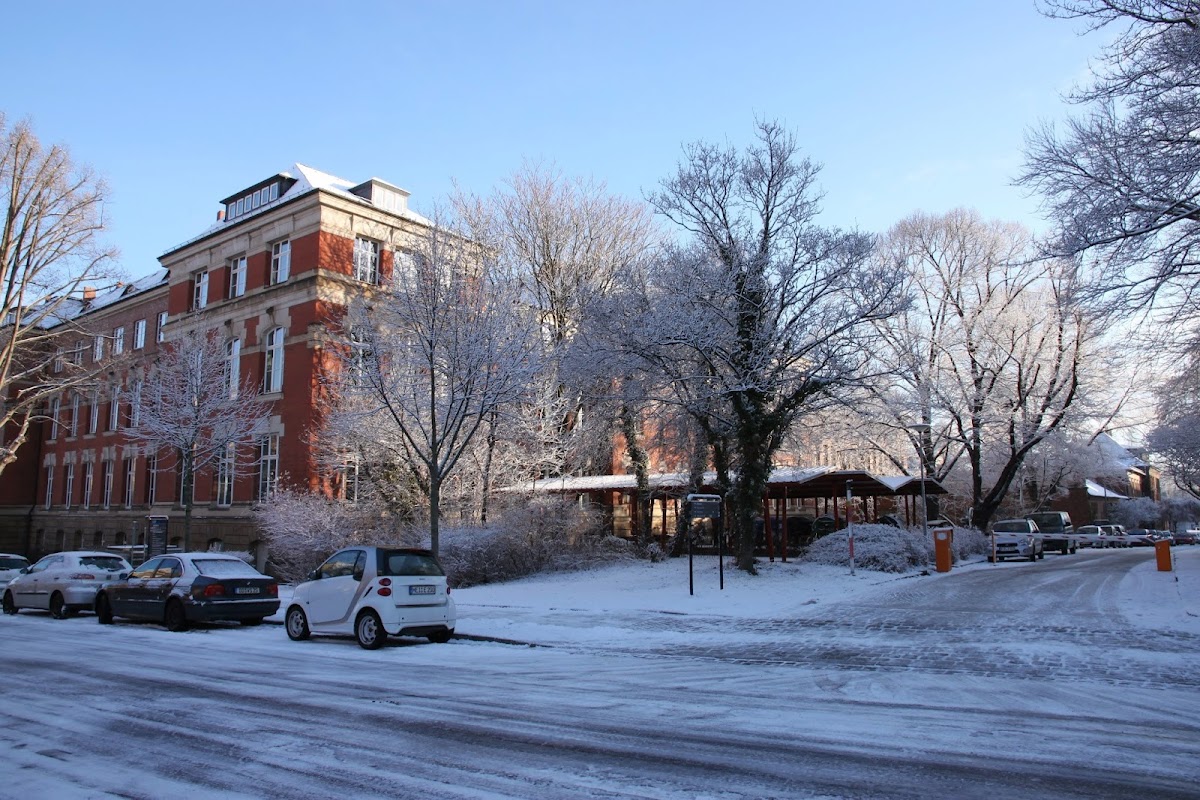
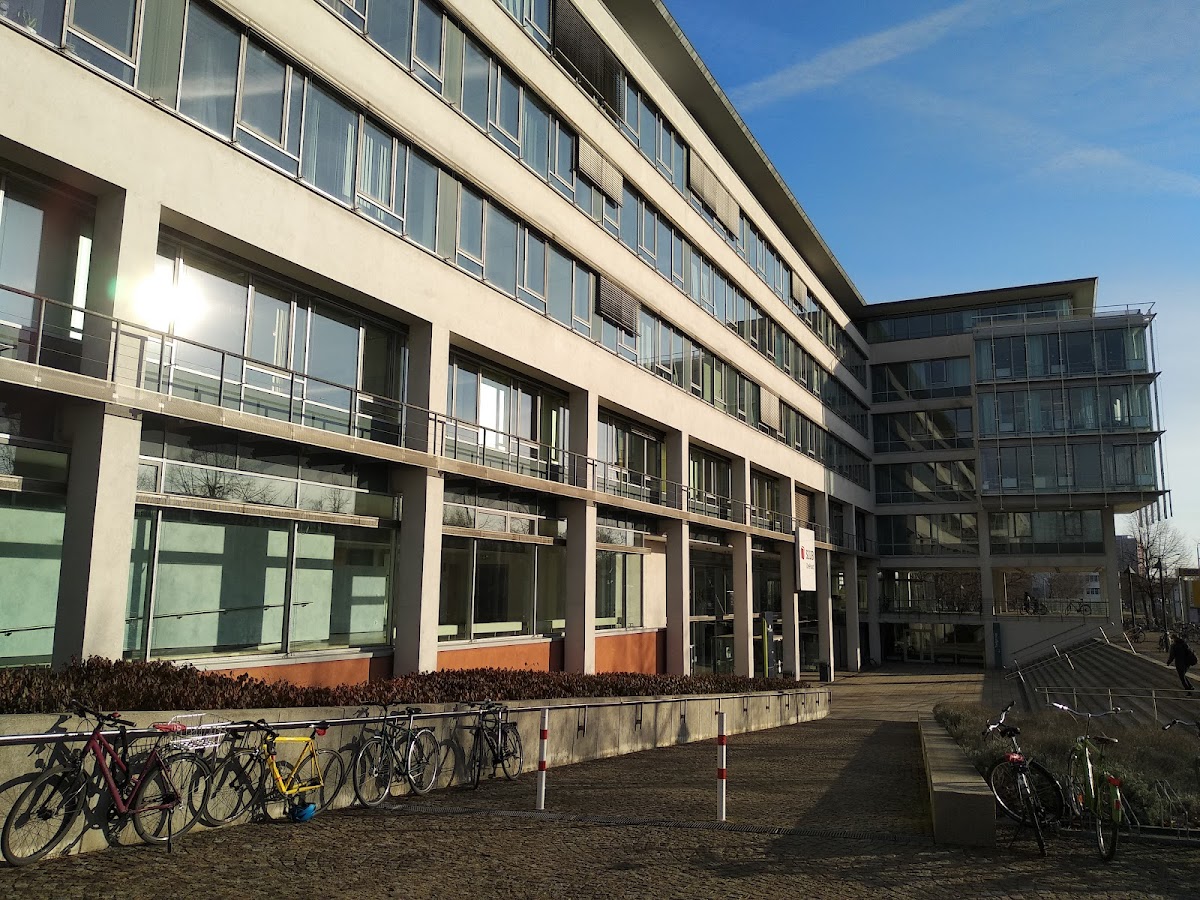
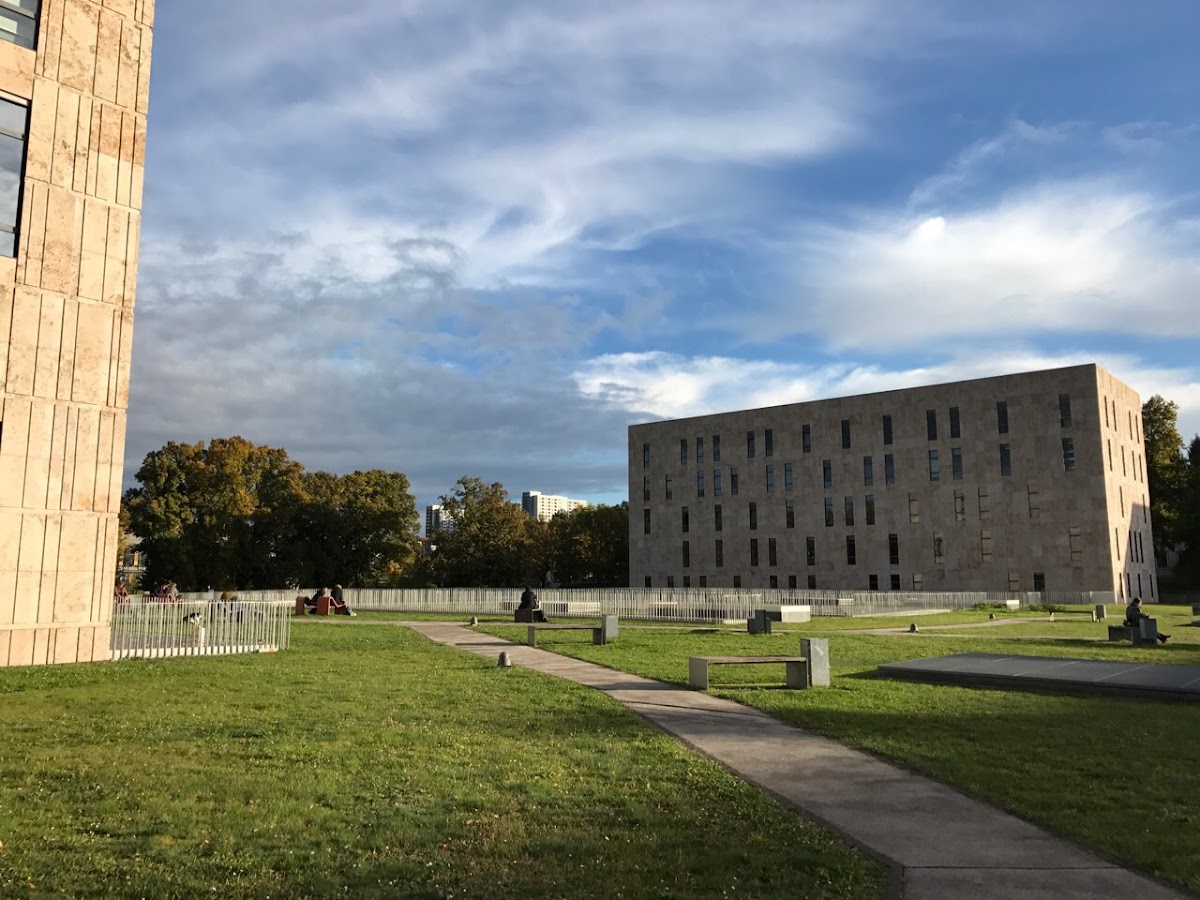
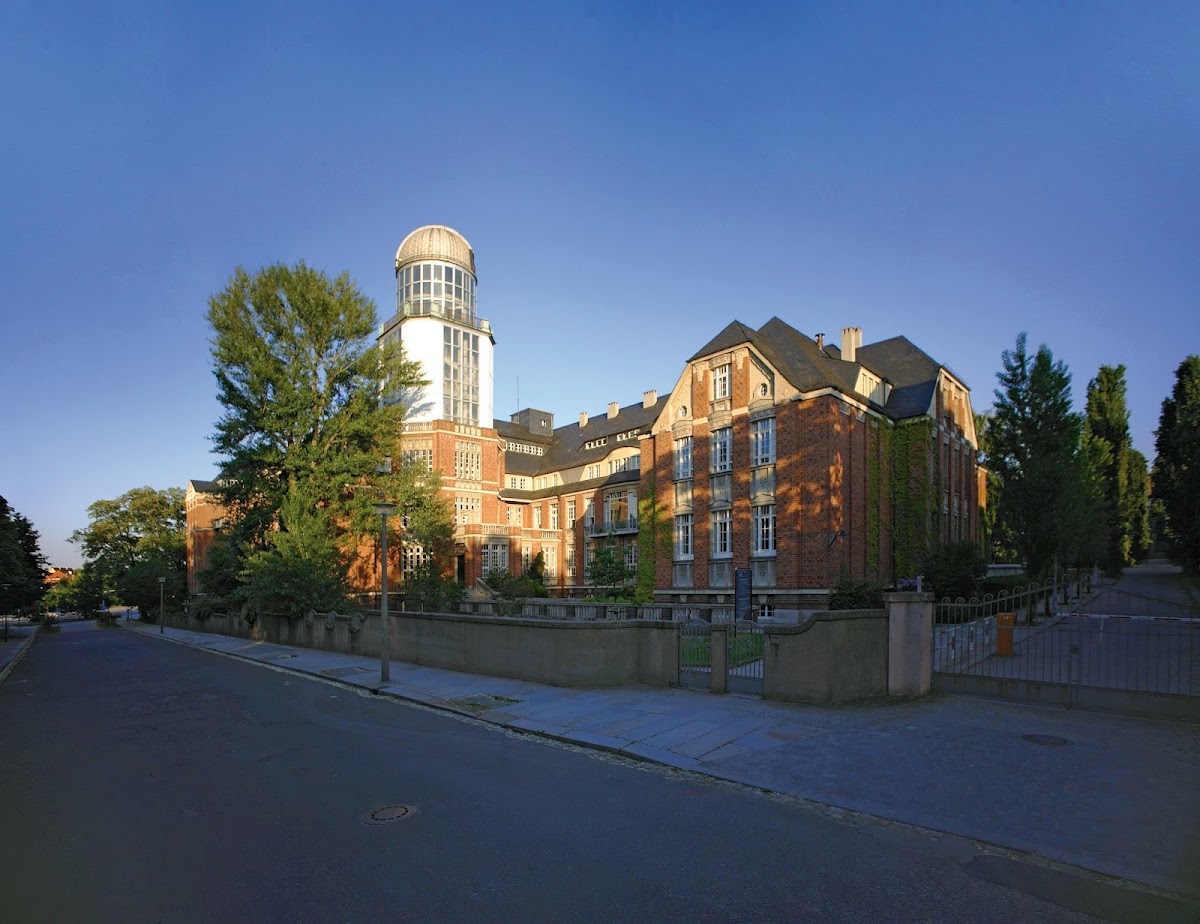
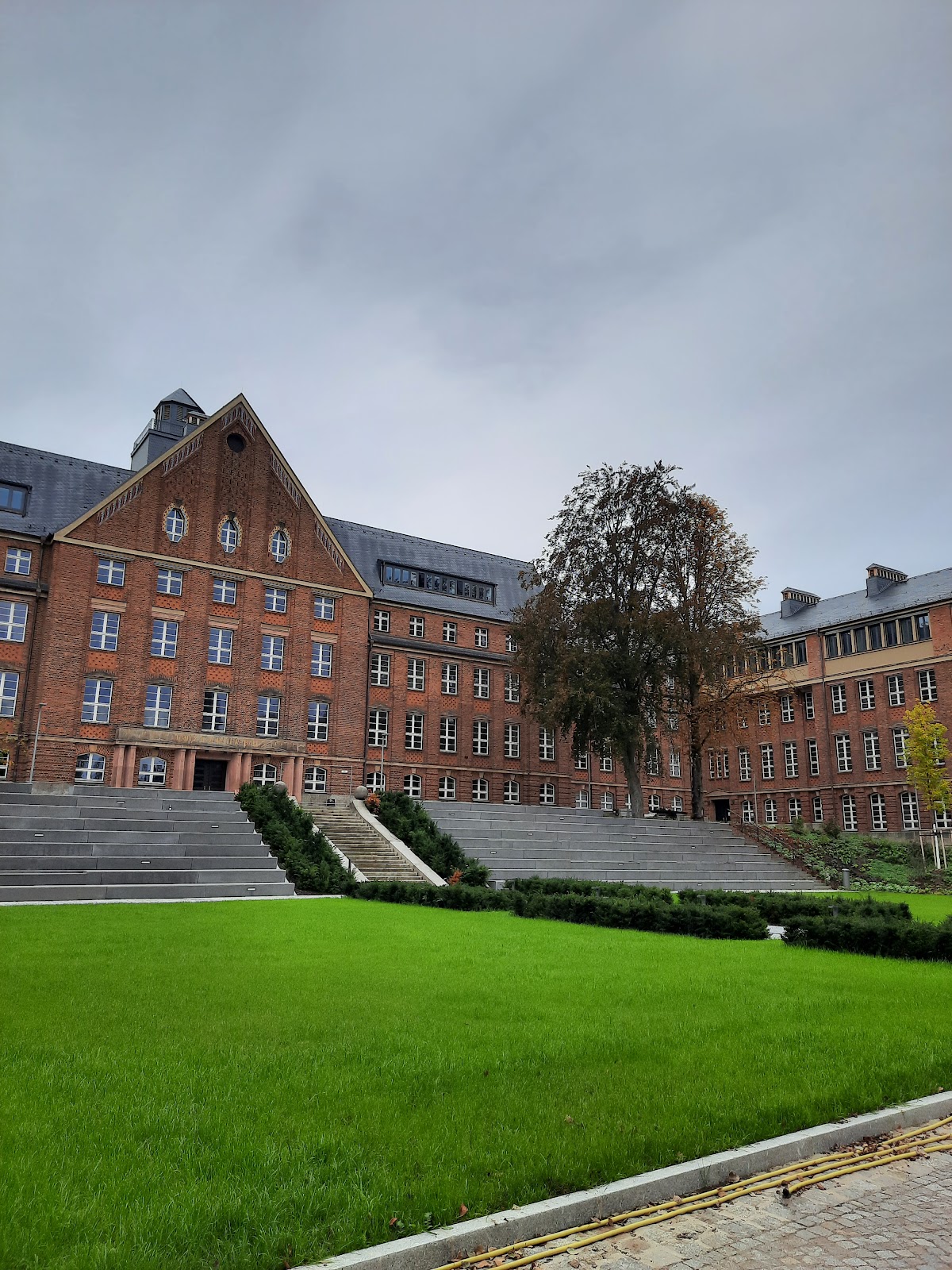
The main campus of TU Dresden is centrally located in Dresden, a city known for its rich history, culture, and dynamic economy. Dresden is a hub for high-tech industries, often referred to as "Silicon Saxony," offering a stimulating environment for students. The campus itself blends modern and historic architecture, providing an inspiring setting for learning and research, and is well-connected by the city's tram system. Students can enjoy a variety of leisure activities, including over 871 courses in more than 60 different sports at the Dresden University Sports Center, and engage with numerous student clubs and performing arts ensembles.
Graduates of TU Dresden are highly sought after by private companies, with the university consistently ranking well in career-focused surveys. The university maintains strong industry connections, promoting intensive cooperation with businesses through knowledge and technology transfer, and fostering a startup culture. The Career Service offers extensive support to students and graduates, including personalized career advice, application document review, workshops on key competencies, and networking opportunities with employers. TU Dresden also actively supports startup endeavors through initiatives like "dresden|exists" and TUD|excite, which provide advice, training, and access to networks and funding.
Academics
TU Dresden offers a wide range of academic programs across 17 faculties and five schools, encompassing engineering, natural sciences, humanities, social sciences, and medicine. The university is particularly recognized for its strengths in areas such as biomedicine, bioengineering, information technology, microelectronics, materials science, energy, mobility, environment, and societal change. While most bachelor's programs are taught in German, TU Dresden provides 26 English-taught Master's degree programs, especially in engineering and natural sciences, catering to international students.
International Students
In 2024, international students from 128 different countries constituted 20% of the student body, highlighting the university's diverse community. The International Office provides comprehensive support, including assistance with applications, enrollment, and cultural activities. Programs like the LinkPartnerProgramm match international students with German students for initial support, and the Erasmus-Initiative TU Dresden organizes numerous group activities for cultural integration. The university also offers German language courses through its affiliated TUDIAS-Sprachschule to help students prepare for their studies.
Campus & Location
The main campus of TU Dresden is centrally located in Dresden, a city known for its rich history, culture, and dynamic economy. Dresden is a hub for high-tech industries, often referred to as "Silicon Saxony," offering a stimulating environment for students. The campus itself blends modern and historic architecture, providing an inspiring setting for learning and research, and is well-connected by the city's tram system. Students can enjoy a variety of leisure activities, including over 871 courses in more than 60 different sports at the Dresden University Sports Center, and engage with numerous student clubs and performing arts ensembles.
Career Outcomes
Graduates of TU Dresden are highly sought after by private companies, with the university consistently ranking well in career-focused surveys. The university maintains strong industry connections, promoting intensive cooperation with businesses through knowledge and technology transfer, and fostering a startup culture. The Career Service offers extensive support to students and graduates, including personalized career advice, application document review, workshops on key competencies, and networking opportunities with employers. TU Dresden also actively supports startup endeavors through initiatives like "dresden|exists" and TUD|excite, which provide advice, training, and access to networks and funding.
Highlights
- Large comprehensive research university
- Member of prestigious TU9 alliance
- Strong in engineering and natural sciences
- Diverse, multicultural student body
- Centrally located in Dresden
Student Life & Support
Campus Housing
Photos
Programs Offered at University of Dresden (20)
Offers programs in:
Arts & Design Business & Management Computer Science Education Engineering Humanities Medicine & Health Natural Sciences Physics & Chemistry Social Sciences
Bachelor Programs (7)
Architecture
STEM
Architecture
Architecture
bachelor in architecturestudy architecture abroadbachelor's degree architecturestudy architecture in germanybachelor architecture in germany
72 months German Full-time
Biology
STEM
Biology
Biology
bachelorbiologygermany
72 months German Full-time
Computer Science
STEM
Computer Science
Computer Science
babachelorbachelor's degreebsccomputer
72 months German Full-time
Education
Education
Education
bachelor educationstudy abroad education germanyenglish-taught bachelor education in germanybs in educationeducation
72 months German Full-time
Mechanical Engineering
STEM
Mechanical Engineering
Engineering
bachelorengineeringgermanymechanical
72 months German Full-time
Philosophy
Philosophy
Philosophy
babachelorbscgermanyphilosophy
72 months German Full-time
Psychology
Psychology
Psychology
babachelorbachelor's degreebachelor's in psychologybachelor's psychology
72 months German Full-time
Master Programs (10)
Biotechnology
STEM
Biotechnology
Biotechnology
biotechnologydresdengermanymasteruniversity
24 months English Full-time
Business Administration and Economics
Business Administration and Economics
Business Administration and Economics
administrationbusinessbusiness administration and economicsdresdeneconomics
24 months German Full-time
Chemistry
STEM
Chemistry
Chemistry
master in chemistrymaster's in chemistrystudy chemistry in germanymaster chemistry in germanymaster chemistry in dresden
24 months German Full-time
Civil Engineering
STEM
Civil Engineering
Civil Engineering
civildresdenengineeringgermanymaster
24 months German Full-time
Electrical Engineering
STEM
Electrical Engineering
Electrical Engineering
master electrical engineeringmaster degree electrical engineeringelectrical engineering degree germanymasters in electrical engineeringstudy electrical engineering in germany
24 months English Full-time
Renewable Energy Systems
STEM
Energy Engineering
Engineering
applied sciencesenergyenergy engineeringengineeringgermany
24 months English Full-time
Geodesy and Geoinformation
STEM
Geodesy
Geodesy
geodesy universitygeodesy program in dresdenmsc geodesymasters geodesymaster geodesy in germany
24 months English Full-time
History
History
History
masters degreehumanitiesstudy in germanymasterpostgraduate
24 months German Full-time
Mathematics
STEM
Mathematics
Mathematics
graduate in mathematicsinternational master mathematicsmaster in mathematicsmathematicsmathematics master program
24 months German Full-time
Mechatronics
STEM
Mechatronics
Robotics & Automation
dresden universitygermany universitygraduateinternational studentmaster
24 months English Full-time
PhD Programs (3)
Material Science
STEM
Material Science
Materials Science
doctordoctoraldoctorategermanymaterial
36 months English Full-time
Medicine
STEM
Medicine
Medicine
study medicine in germanymedical degreephd in medicineenglish-taught medicine in germanymedicine phd degree
36 months German Full-time
Physics
STEM
Physics
Physics
doctoraldoctorategermanymechanicsphd
36 months English Full-time
University of Dresden Admissions Requirements & Acceptance Rate
Acceptance Rate Moderate (40-60%)
Tuition (per year) €327 - €8.6k/yr
Ready to apply to University of Dresden?
Abroadly helps you manage applications, track deadlines, and get matched to programs.
Frequently Asked Questions About University of Dresden
Common questions from international students considering University of Dresden.
What is the acceptance rate at University of Dresden?
University of Dresden is classified as "Moderate (40-60%)" by admissions selectivity. Acceptance rates vary by program — competitive programs and graduate degrees typically have lower acceptance rates than undergraduate programs.
How much does University of Dresden cost for international students?
Tuition at University of Dresden ranges from €327 - €8.6k/yr per year. Costs vary by degree level and program. International students may also need to budget for housing, books, and living expenses.
What is University of Dresden ranked globally?
University of Dresden holds the following rankings: QS World #218, Times Higher Education #161, ARWU #201, #16 in Germany. Rankings vary by methodology and subject area — for the most accurate picture, check the specific subject rankings for your intended field of study.
When does University of Dresden start its semesters?
University of Dresden has intakes starting in . Application deadlines typically fall 3-6 months before the semester start date. International students should apply earlier due to visa processing times — we recommend submitting applications 6-9 months ahead of the intended start date.
How many English-taught programs does University of Dresden offer?
University of Dresden offers 7+ programs taught in English, accessible to international students without local language proficiency. These span Bachelor's, Master's, and PhD levels across multiple disciplines.
Where is University of Dresden located?
University of Dresden is located in Dresden, Germany 🇩🇪. The city offers an international student-friendly environment with access to academic facilities, accommodation, and cultural amenities.
What are the best programs at University of Dresden?
For specific details about University of Dresden, we recommend reviewing the program-specific information and contacting the admissions office. Each program may have unique requirements and considerations.
How do I apply to University of Dresden?
For specific details about University of Dresden, we recommend reviewing the program-specific information and contacting the admissions office. Each program may have unique requirements and considerations.
How does University of Dresden rank internationally?
For specific details about University of Dresden, we recommend reviewing the program-specific information and contacting the admissions office. Each program may have unique requirements and considerations.
More Universities in Dresden
View all →

Need help applying?
AI-powered tools to manage applications, track deadlines, and get matched.