
Technische Universität Dresden
Dresden, 🇩🇪 Germany
#16 National #218 QS World
#16 National #218 QS World #174 THE #201 ARWU
€273 - €5.6k/yr
About Technische Universität Dresden
Technische Universität Dresden (TU Dresden) is a prestigious public research university in Dresden, Germany, and one of the largest universities in the country with approximately 29,000 students as of 2024. Established in 1828, it has evolved into a comprehensive institution known for its strong focus on science, engineering, and medicine, while also offering a broad range of humanities and social sciences. As one of Germany's eleven Universities of Excellence, TU Dresden is recognized for its cutting-edge research and interdisciplinary approach.
TU Dresden boasts 17 faculties across five schools, offering a wide variety of 124 disciplines. The university is particularly renowned for its strengths in areas such as Health Sciences, Biomedicine & Bioengineering, Information Technology & Microelectronics, Smart Materials & Structures, Energy, Mobility & Environment, and Culture & Societal Change. It consistently ranks among the top universities globally in subjects like "Engineering & Technology" and "Materials Science." The teaching approach emphasizes a blend of theoretical knowledge and practical application, fostering an environment for innovation and research.
TU Dresden actively supports its international student body, which comprises about 20% of its total student population. The International Office provides comprehensive services, including assistance with application requirements, enrollment, cultural activities, and events. A significant number of master's programs, particularly in engineering and sciences, are taught in English, making them highly attractive to international students. The university also offers an International Tutoring Program and a Cultural Office to aid in cultural integration.
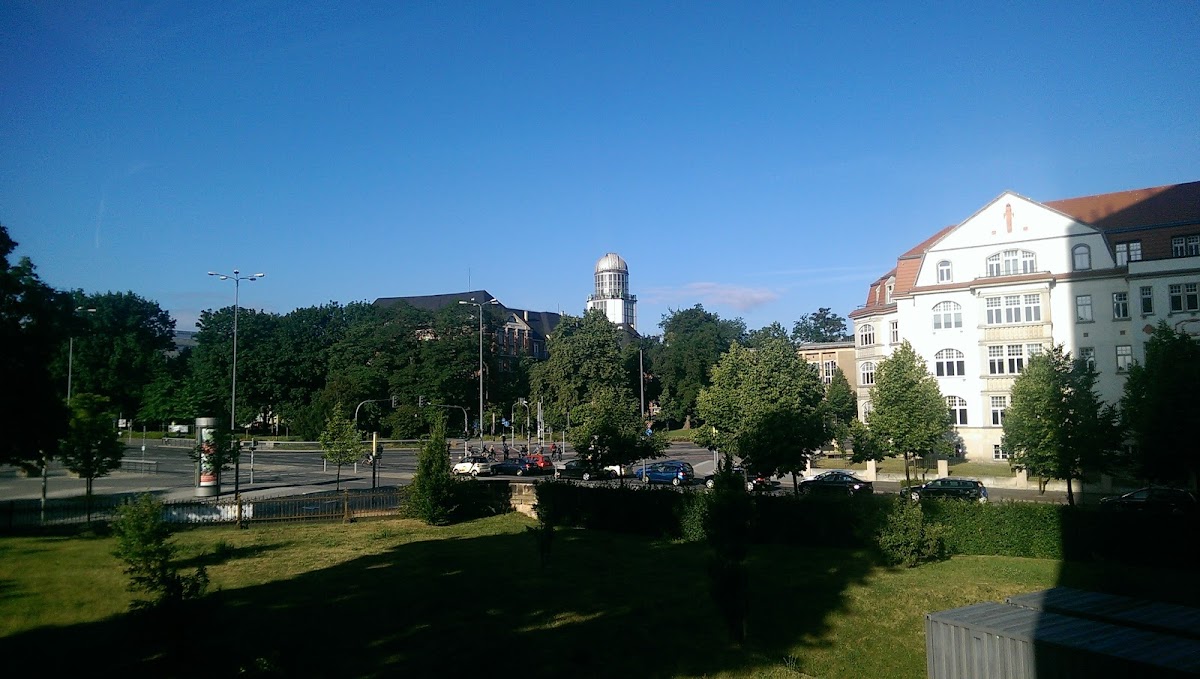
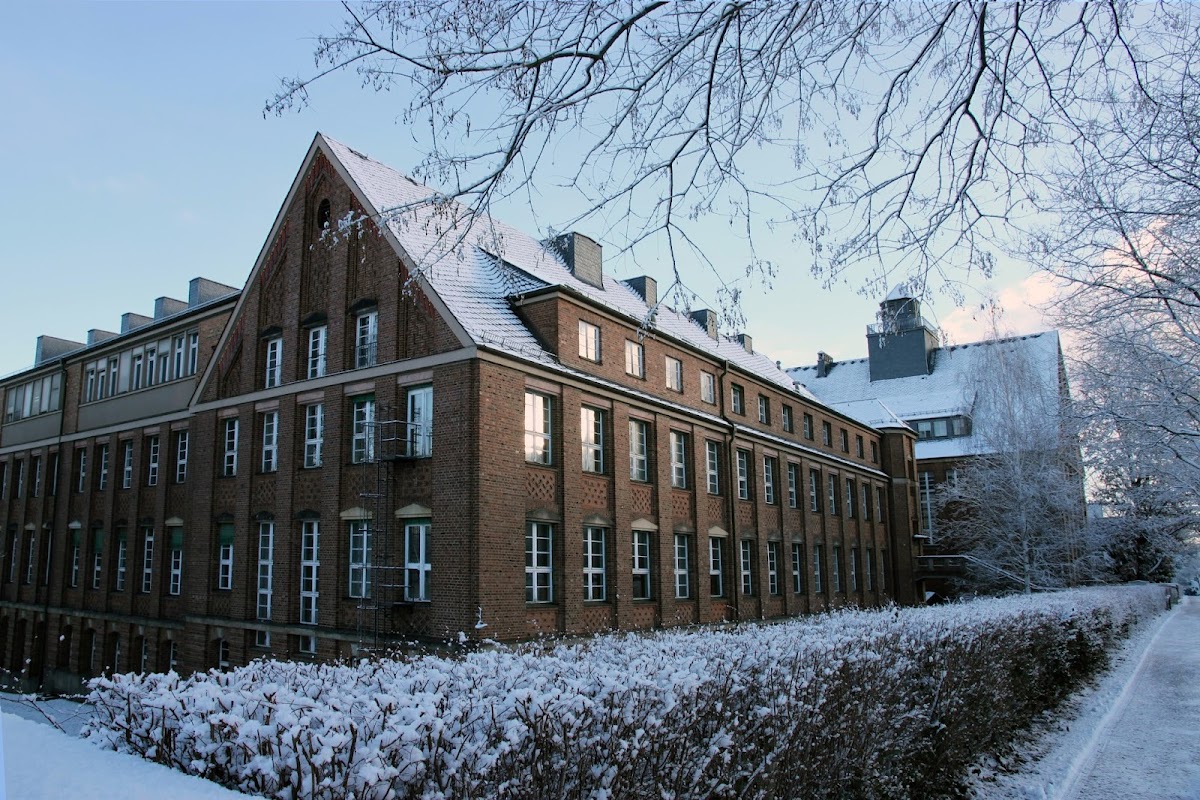
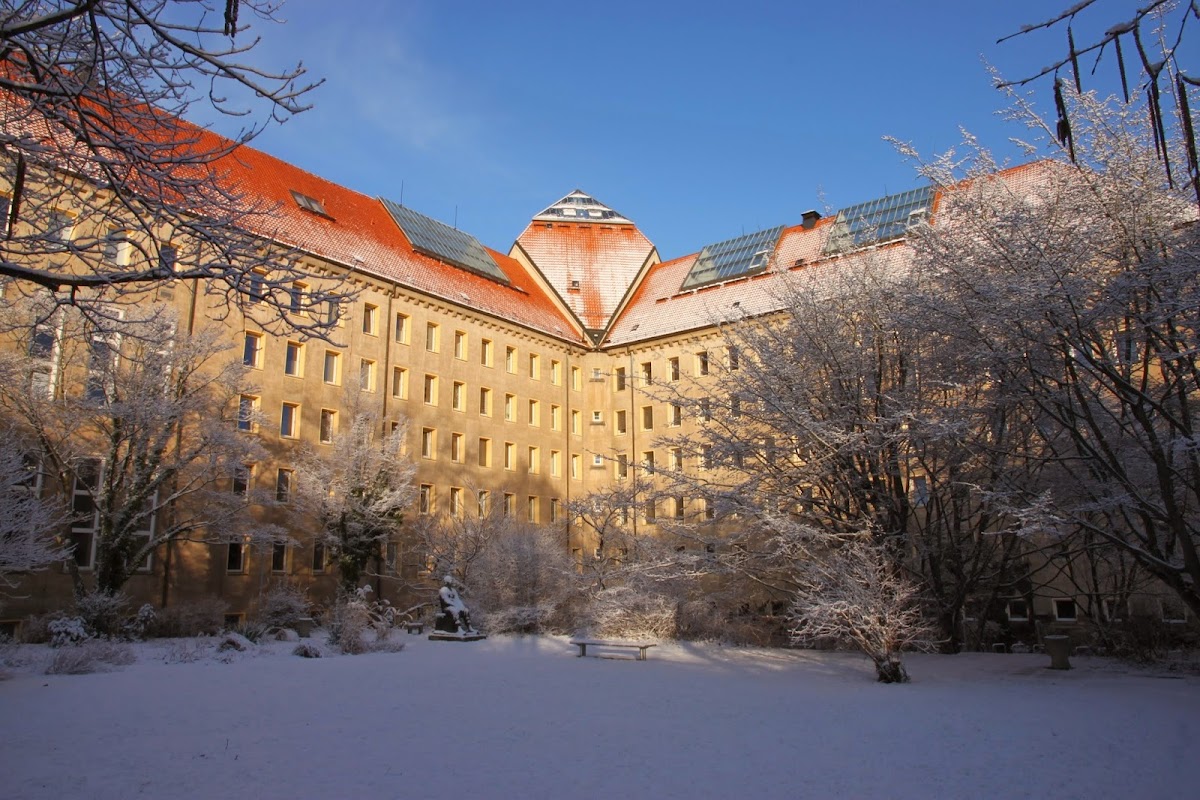
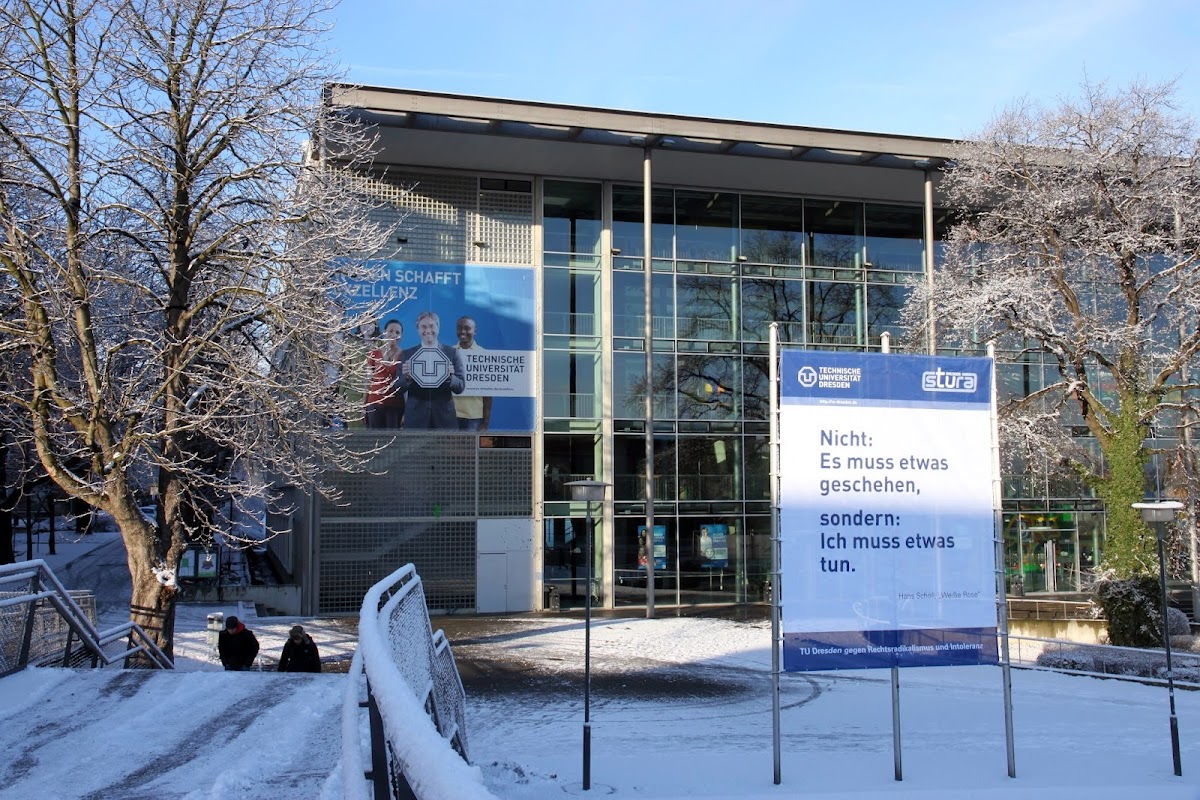
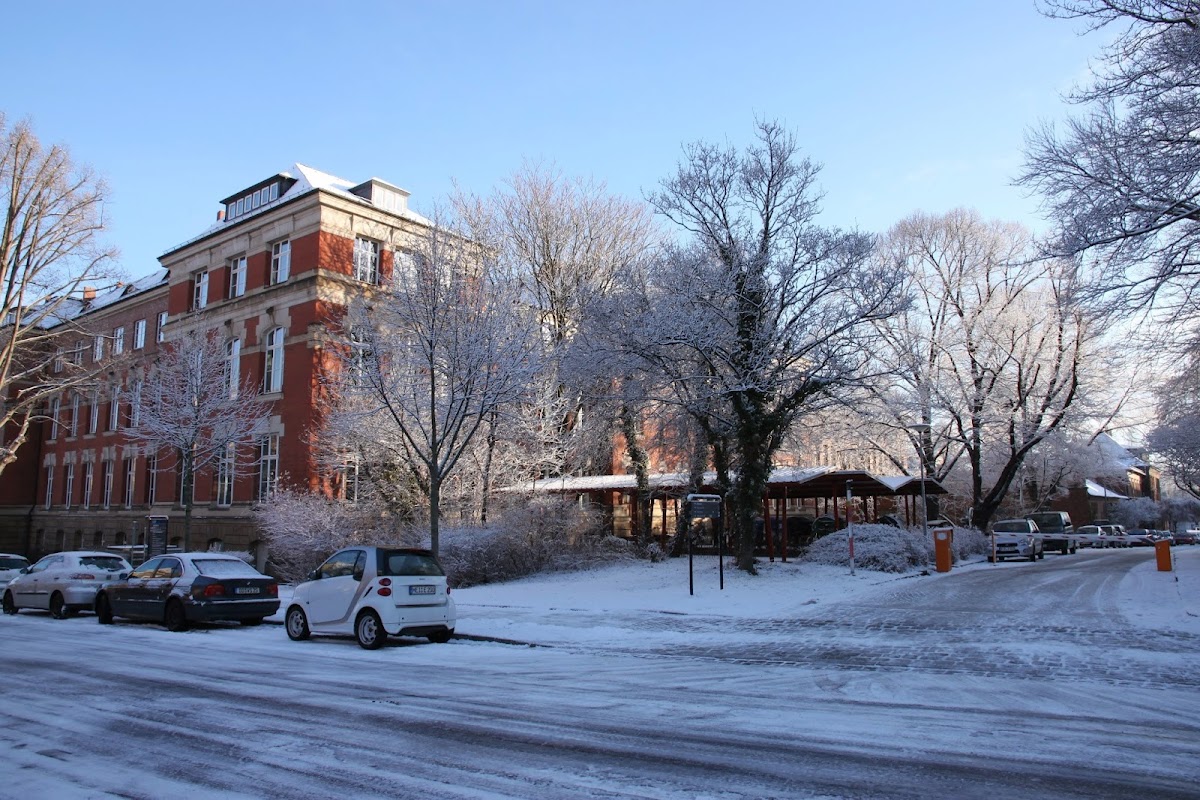
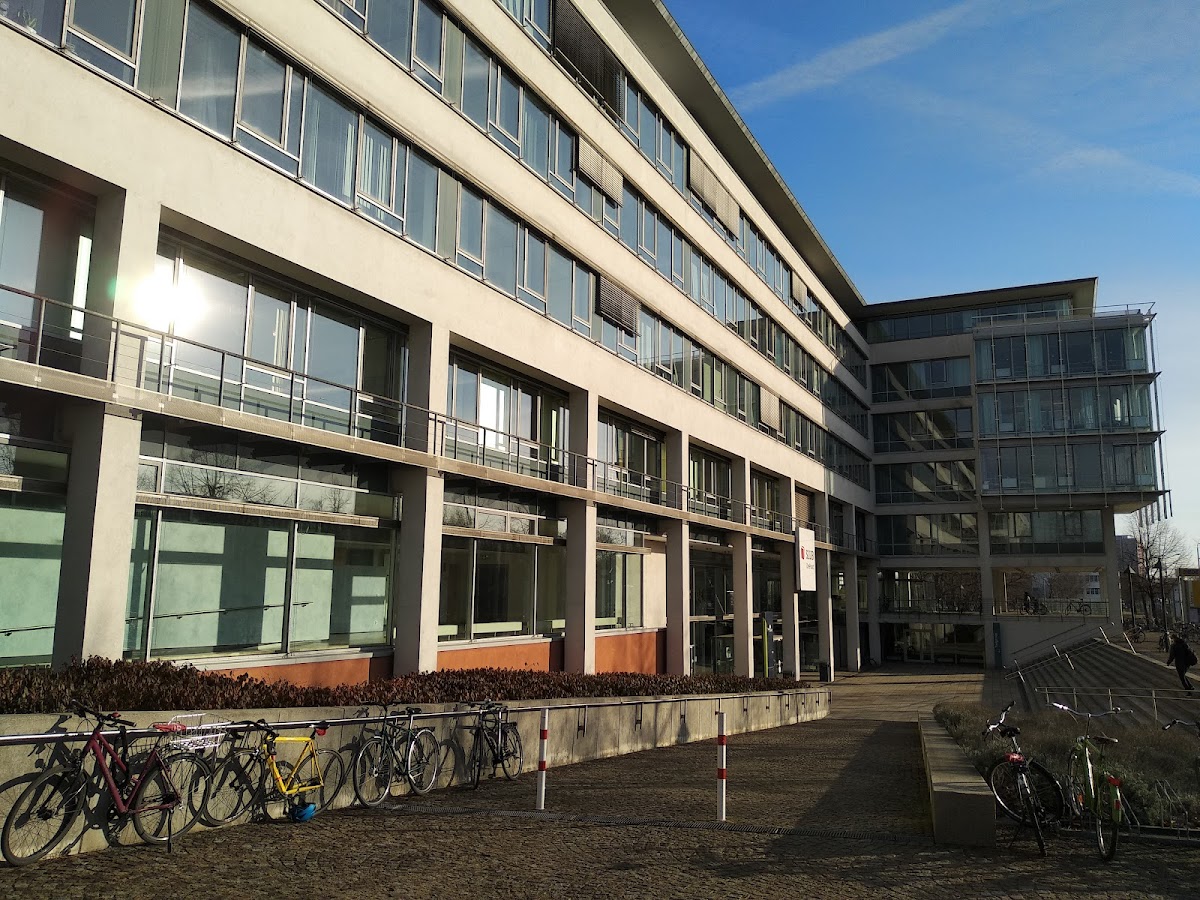
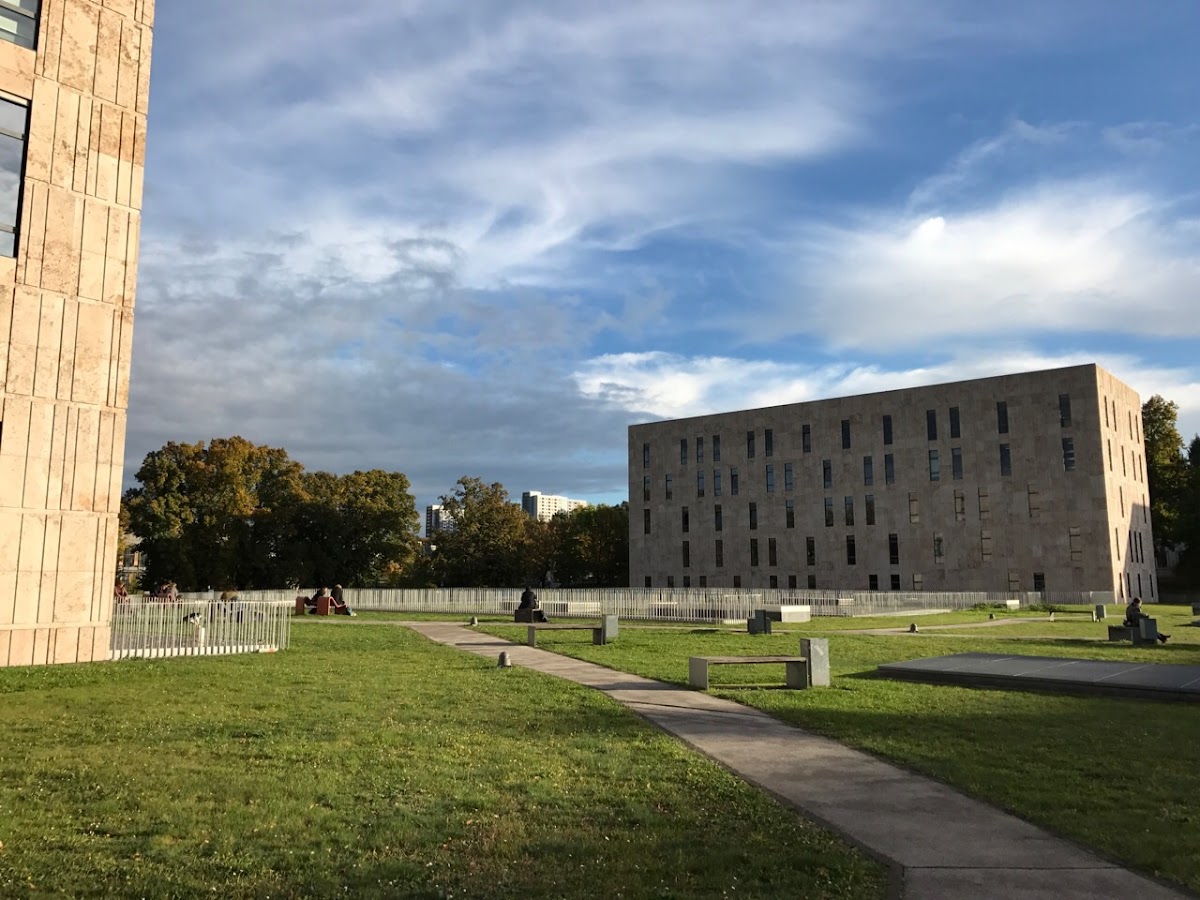
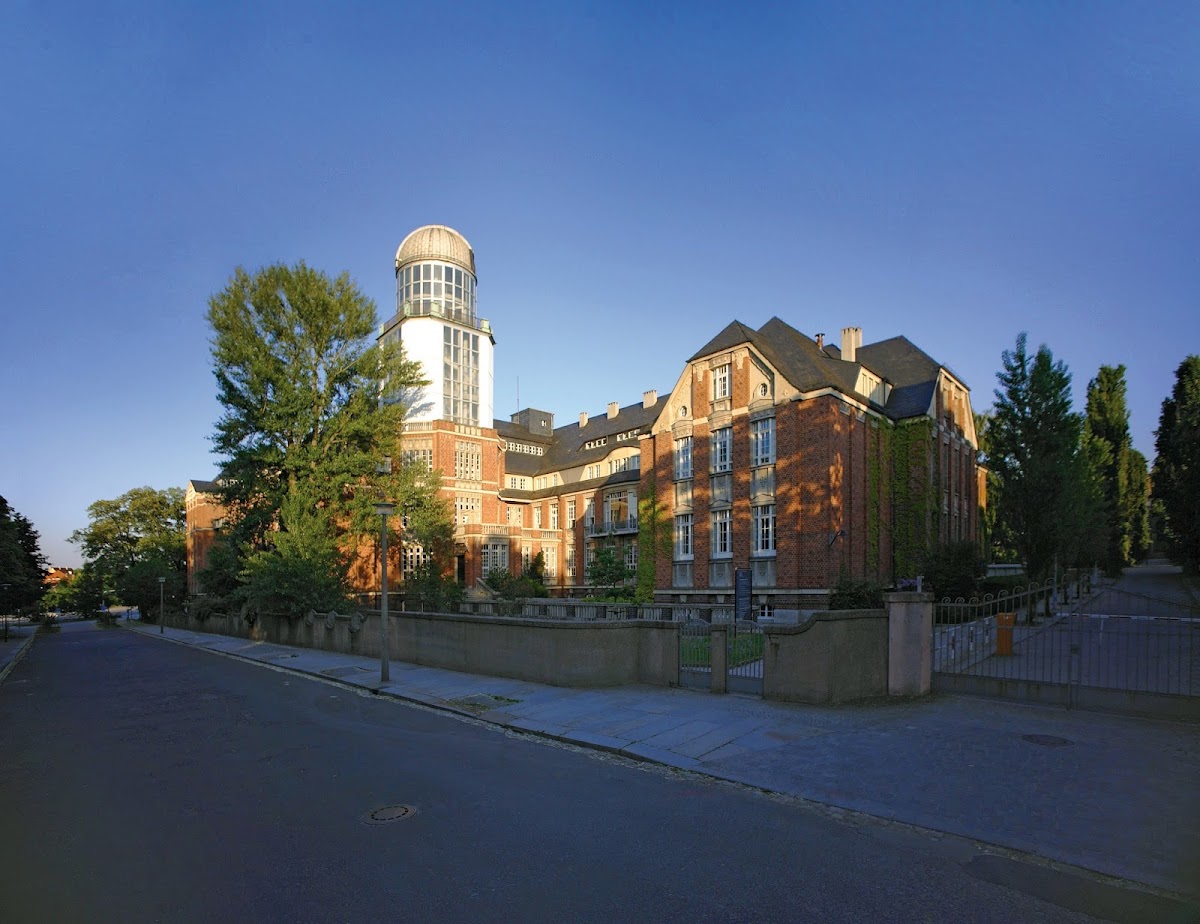
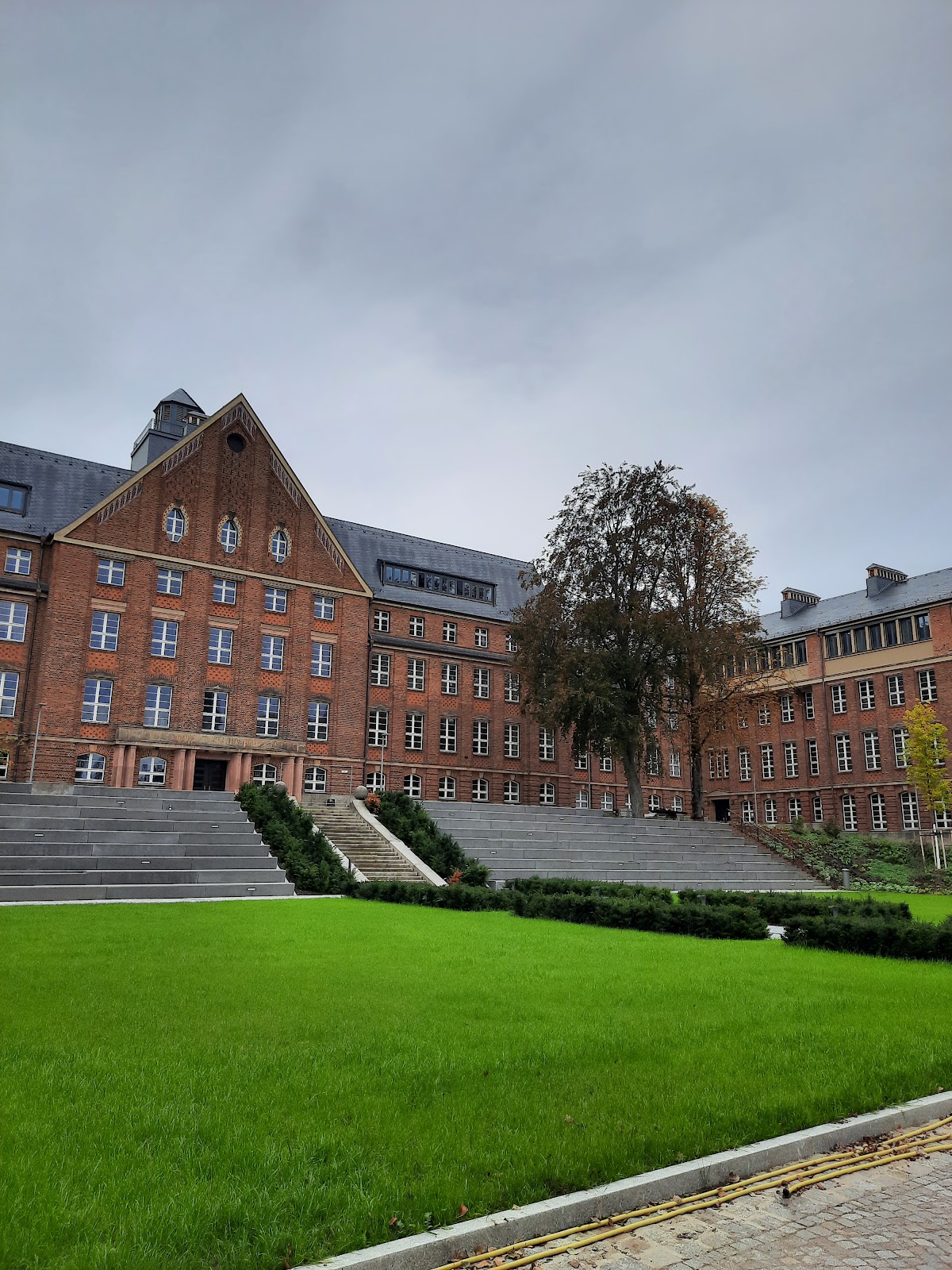
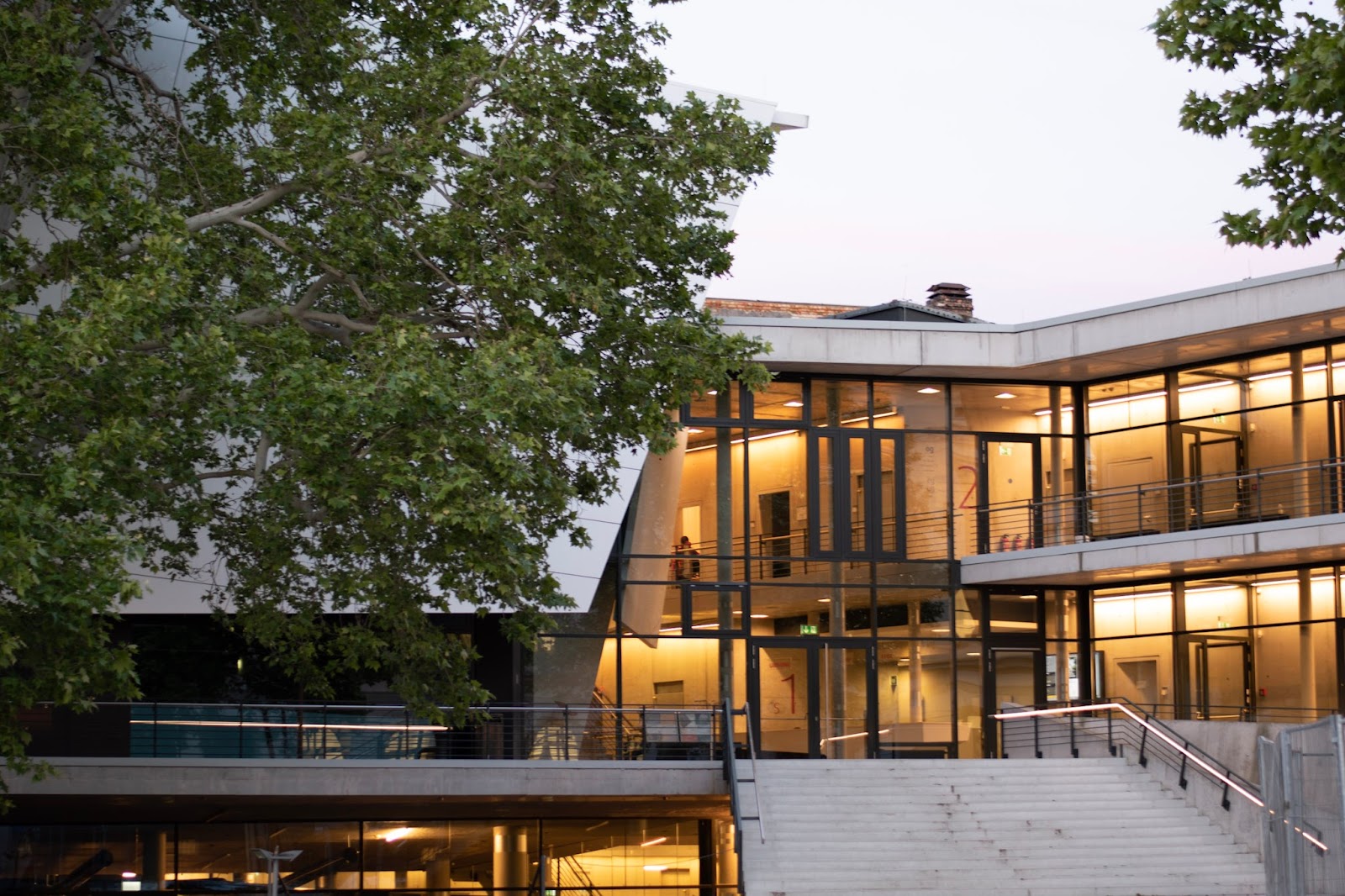
The main campus of TU Dresden is centrally located in the vibrant city of Dresden, just south of the city center, featuring a blend of historic and modern architecture. Dresden, often called "Florence on the Elbe," is known for its rich cultural scene, comparatively low cost of living, and exciting nightlife, particularly in the Neustadt district. The campus itself is designed to be sustainable, inclusive, and vibrant, with green spaces, modern learning facilities, and excellent accessibility via public transport. Students can enjoy numerous cafes, sports facilities, and student clubs, making for a lively campus experience.
Graduates of TU Dresden are highly sought after by private companies, with the university consistently achieving top rankings for career opportunities in various fields. The Career Service offers personalized career advice, CV checks, workshops on key interdisciplinary skills, and networking events with employers. Strong industry connections, particularly within the "Silicon Saxony" microelectronics hub, contribute to excellent employment prospects for graduates. The university also supports students interested in pursuing scientific research or entrepreneurial ventures.
Academics
TU Dresden boasts 17 faculties across five schools, offering a wide variety of 124 disciplines. The university is particularly renowned for its strengths in areas such as Health Sciences, Biomedicine & Bioengineering, Information Technology & Microelectronics, Smart Materials & Structures, Energy, Mobility & Environment, and Culture & Societal Change. It consistently ranks among the top universities globally in subjects like "Engineering & Technology" and "Materials Science." The teaching approach emphasizes a blend of theoretical knowledge and practical application, fostering an environment for innovation and research.
International Students
TU Dresden actively supports its international student body, which comprises about 20% of its total student population. The International Office provides comprehensive services, including assistance with application requirements, enrollment, cultural activities, and events. A significant number of master's programs, particularly in engineering and sciences, are taught in English, making them highly attractive to international students. The university also offers an International Tutoring Program and a Cultural Office to aid in cultural integration.
Campus & Location
The main campus of TU Dresden is centrally located in the vibrant city of Dresden, just south of the city center, featuring a blend of historic and modern architecture. Dresden, often called "Florence on the Elbe," is known for its rich cultural scene, comparatively low cost of living, and exciting nightlife, particularly in the Neustadt district. The campus itself is designed to be sustainable, inclusive, and vibrant, with green spaces, modern learning facilities, and excellent accessibility via public transport. Students can enjoy numerous cafes, sports facilities, and student clubs, making for a lively campus experience.
Career Outcomes
Graduates of TU Dresden are highly sought after by private companies, with the university consistently achieving top rankings for career opportunities in various fields. The Career Service offers personalized career advice, CV checks, workshops on key interdisciplinary skills, and networking events with employers. Strong industry connections, particularly within the "Silicon Saxony" microelectronics hub, contribute to excellent employment prospects for graduates. The university also supports students interested in pursuing scientific research or entrepreneurial ventures.
Highlights
- University of Excellence
- Leading in engineering and sciences
- Diverse 124 disciplines
- Strong international student focus
- Historic Dresden campus
Student Life & Support
Campus Housing
Photos
Offers programs in:
Arts & Design Computer Science Engineering Medicine & Health Natural Sciences Physics & Chemistry Social Sciences
Bachelor Programs (10)
Architecture
STEM
Architecture
Architecture
72 months German Full-time
Biology
STEM
Biology
Biology
72 months German Full-time
Chemistry
STEM
Chemistry
Chemistry
72 months German Full-time
Computer Science
STEM
Computer Science
General Computer Science
72 months German Full-time
Civil Engineering
STEM
Engineering
General Engineering
72 months German Full-time
Electrical Engineering
STEM
Engineering
General Engineering
72 months German Full-time
Mechanical Engineering
STEM
Engineering
General Engineering
72 months German Full-time
Mathematics
STEM
Mathematics
72 months German Full-time
Physics
STEM
Physics
Physics
72 months German Full-time
Psychology
Psychology
Psychology
72 months German Full-time
Master Programs (9)
Molecular Bioengineering
STEM
Bioengineering
General Engineering
24 months English Full-time
Regenerative Biology and Medicine
STEM
Biomedical Sciences
Medical Sciences
24 months English Full-time
Advanced Computational and Civil Engineering Structural Studies (ACCESS)
STEM
Civil Engineering
Civil Engineering
24 months English Full-time
Computational Modeling and Simulation
STEM
Computational Science
24 months English Full-time
Distributed Systems Engineering
STEM
Computer Science
General Computer Science
24 months English Full-time
Nanoelectronic Systems
STEM
Electrical Engineering
Electrical Engineering
24 months English Full-time
Mechatronics
STEM
Engineering
General Engineering
24 months English Full-time
Hydro Science and Engineering
STEM
Environmental Engineering
Energy & Environmental Engineering
24 months English Full-time
Organic and Molecular Electronics
STEM
Materials Science
Materials Engineering
24 months English Full-time
PhD Programs (4)
PhD in Biology and Biotechnology
STEM
Biology
Biology
36 months English Full-time
PhD in Computer Science
STEM
Computer Science
General Computer Science
36 months English Full-time
PhD in Electrical Engineering
STEM
Electrical Engineering
Electrical Engineering
36 months English Full-time
PhD in Materials Science
STEM
Materials Science
Materials Engineering
36 months English Full-time
Acceptance Rate Moderate (40-60%)
Tuition (per year) €273 - €5.6k/yr
Ready to apply to Technische Universität Dresden?
Abroadly helps you manage applications, track deadlines, and get matched to programs.
More Universities in Dresden
View all →
Need help applying?
AI-powered tools to manage applications, track deadlines, and get matched.