
Norwegian University of Science and Technology (NTNU)
Trondheim, 🇳🇴 Norway Public
#2 National #267 QS World
#2 National #267 QS World #301 THE #151 ARWU
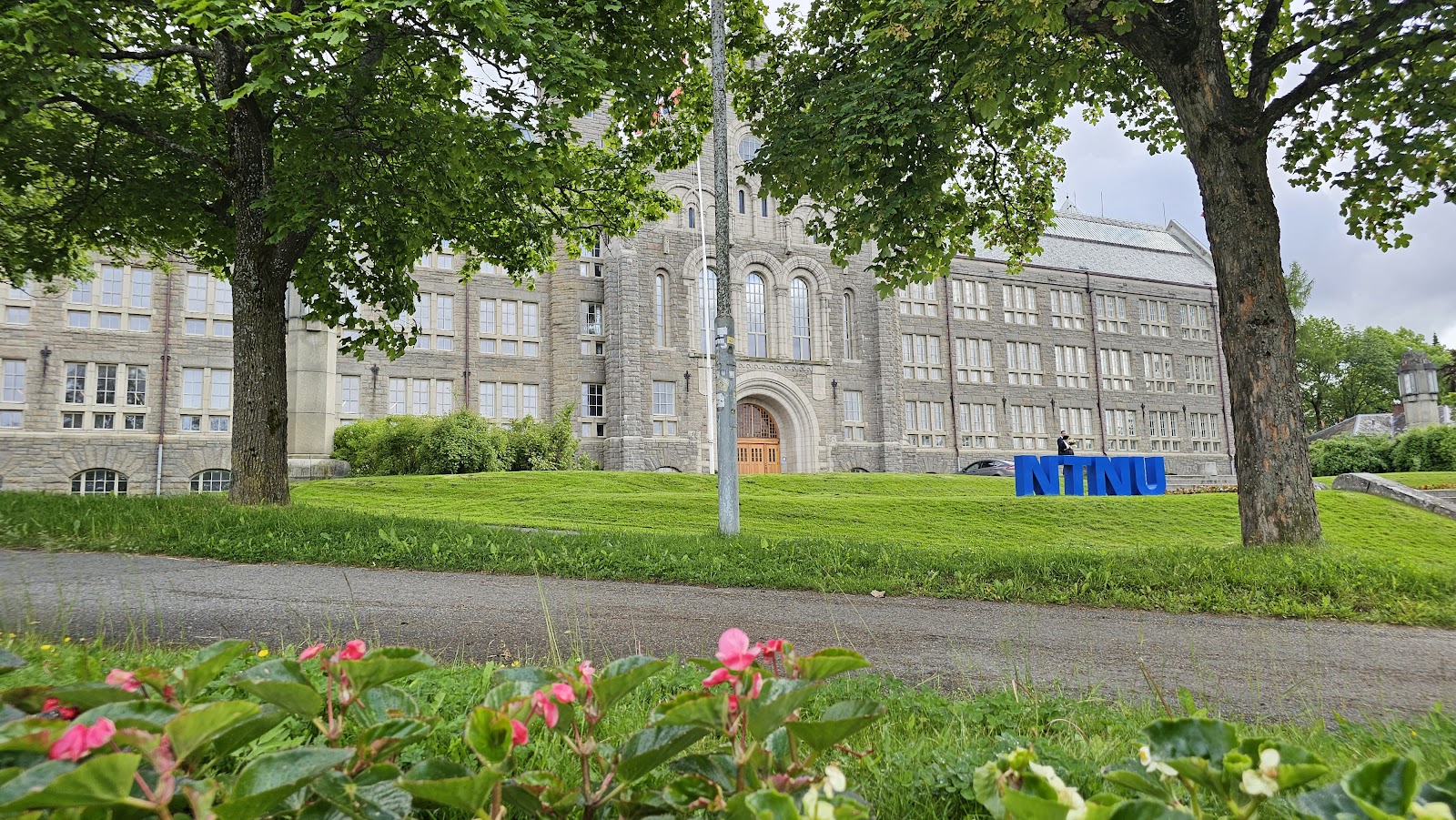
43,507 students 9% international Multiple Campuses
About Norwegian University of Science and Technology (NTNU)
The Norwegian University of Science and Technology (NTNU) is a leading public research university with its main campus located in Trondheim, Norway. With a strong emphasis on science and technology, NTNU also boasts a broad academic scope encompassing humanities, social sciences, economics, medicine, health sciences, education, architecture, and the arts. The university is dedicated to creating knowledge for a better world and fostering innovation.
NTNU comprises eight faculties and the University Museum, housing a total of 54 departments. While renowned for its strong profile in science and technology, NTNU offers a wide array of programs across various disciplines, including engineering, natural sciences, information technology, electrical engineering, medicine, health sciences, social and educational sciences, humanities, and economics and management. The university's teaching approach integrates academic insight with practical experience, particularly evident in programs like the NTNU School of Entrepreneurship, where students develop business ideas in interdisciplinary teams. NTNU's research is often interdisciplinary, addressing complex global challenges through its five strategic research areas: Civil Security, Community, Energy, Health and Life Sciences, and Ocean and Coast.
NTNU actively welcomes international students for exchange programs, master's degrees, and full degree studies. The university provides support services through its Student Services and student advisers, who can assist with academic, student life, and career matters. A significant number of master's programs are taught in English, and NTNU also offers Joint Nordic Master's and Erasmus Mundus programs. With 3,755 international students from 114 countries, international students make up approximately 9% of the total student body, contributing to a diverse campus community. The university also holds welcoming ceremonies and information meetings for new students, and various student organizations facilitate cultural integration.
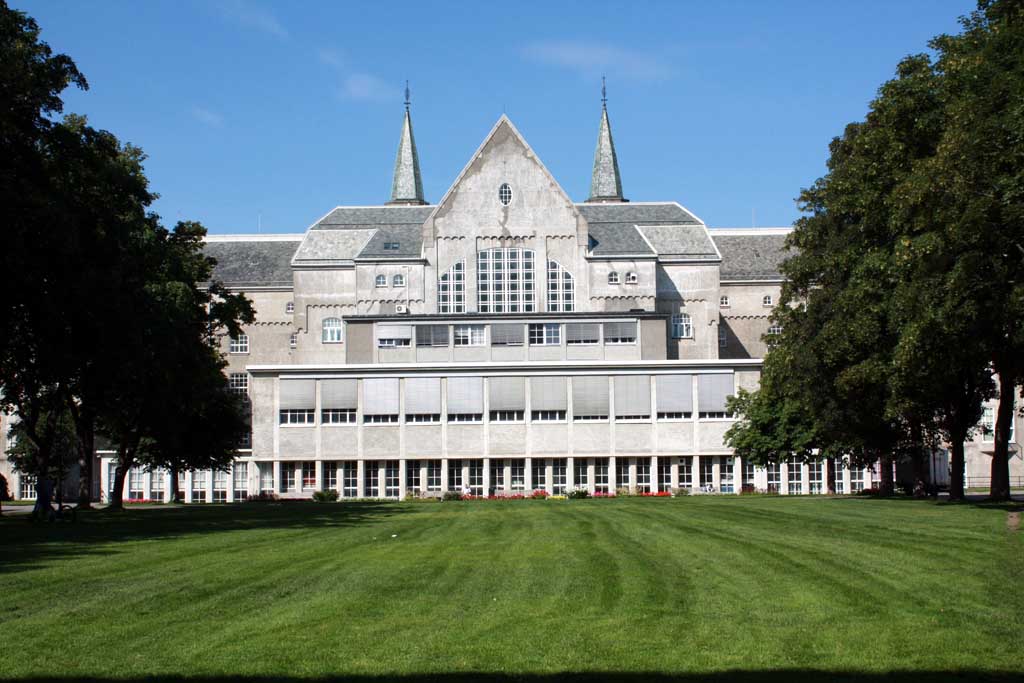
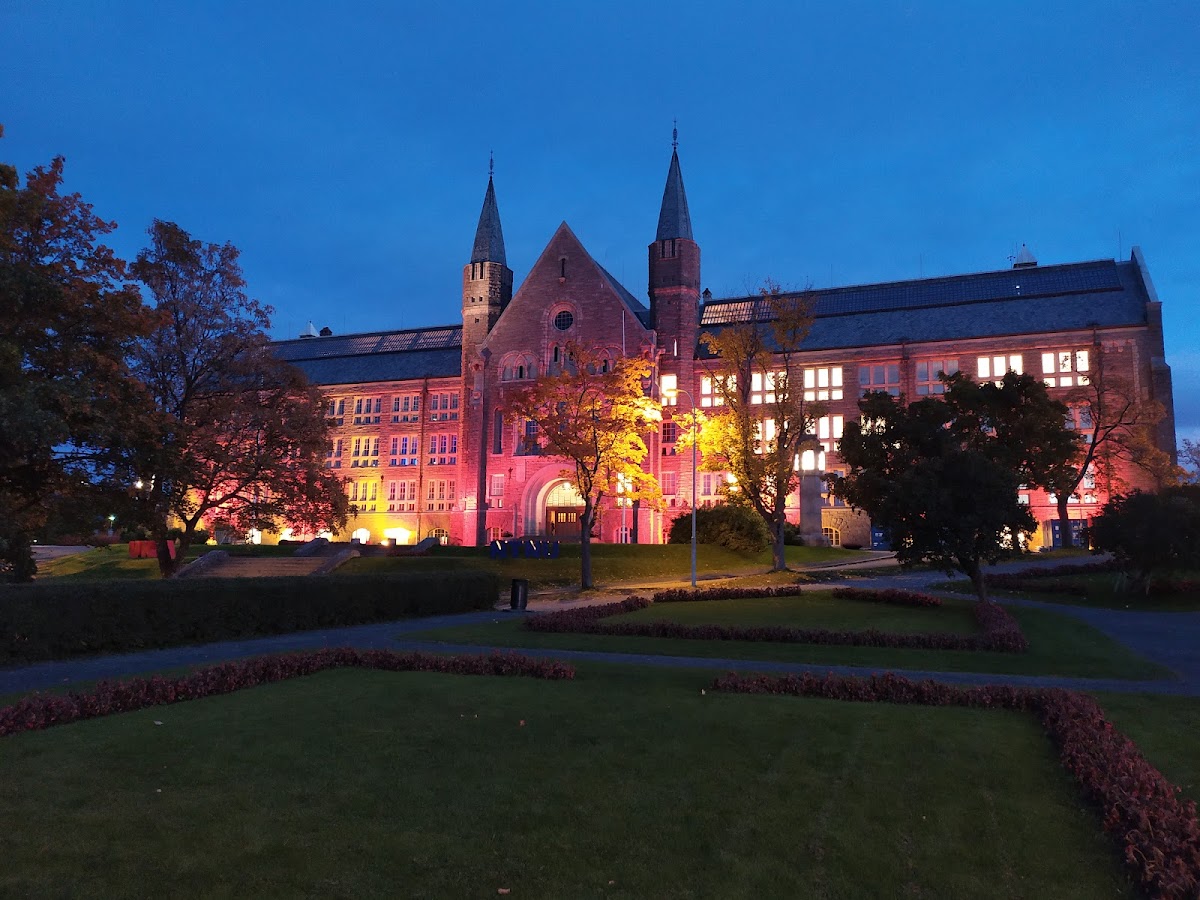
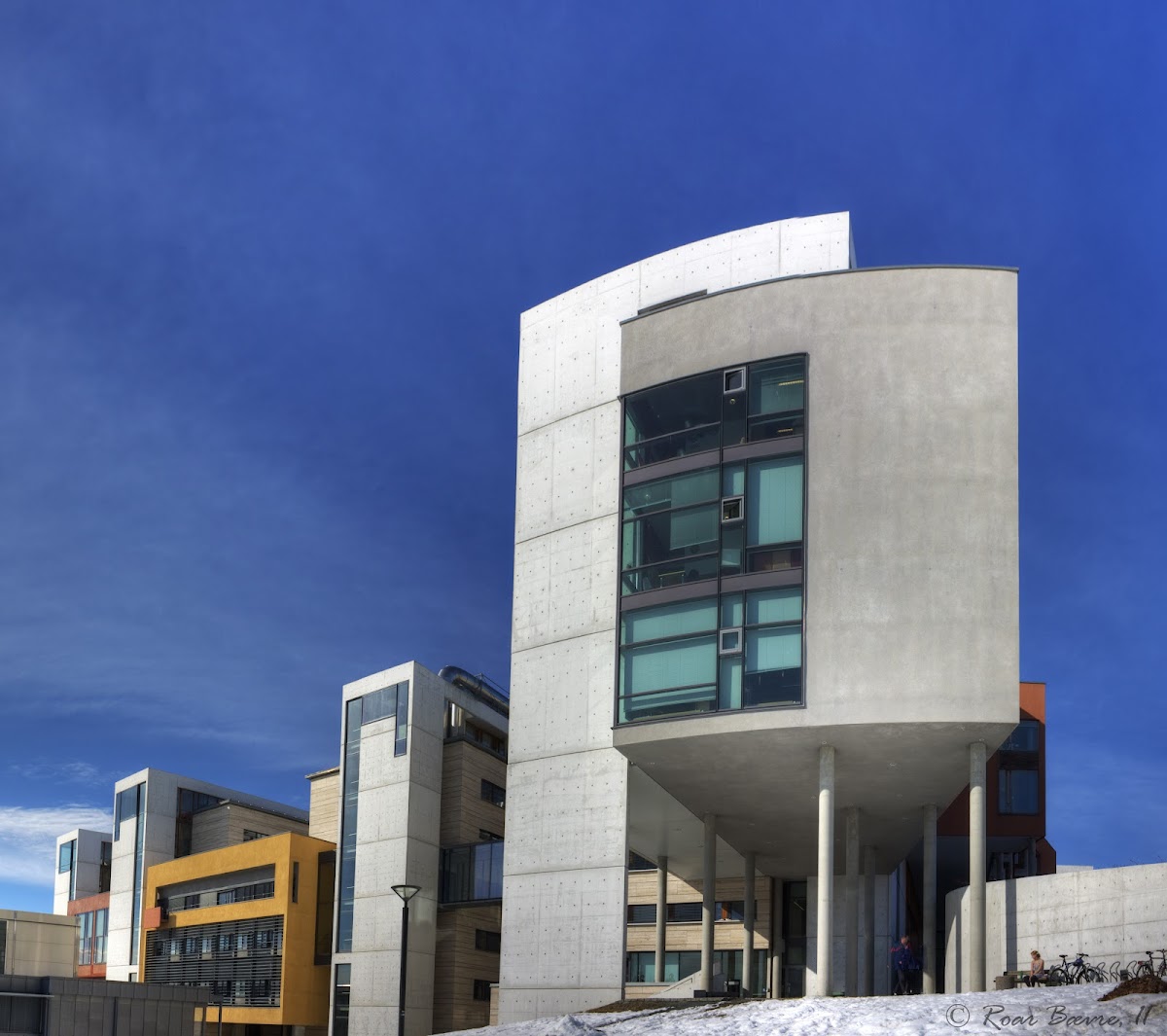
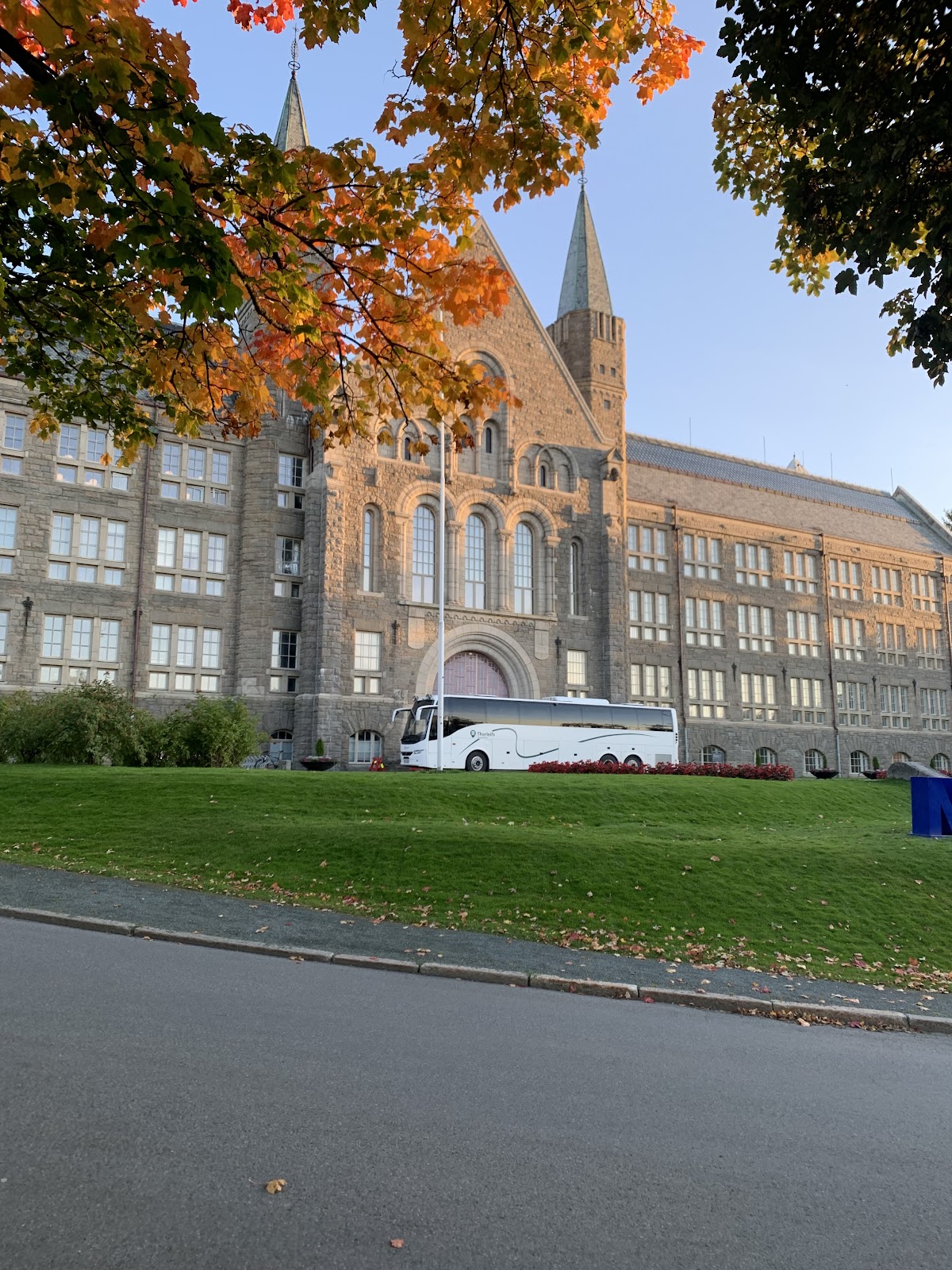
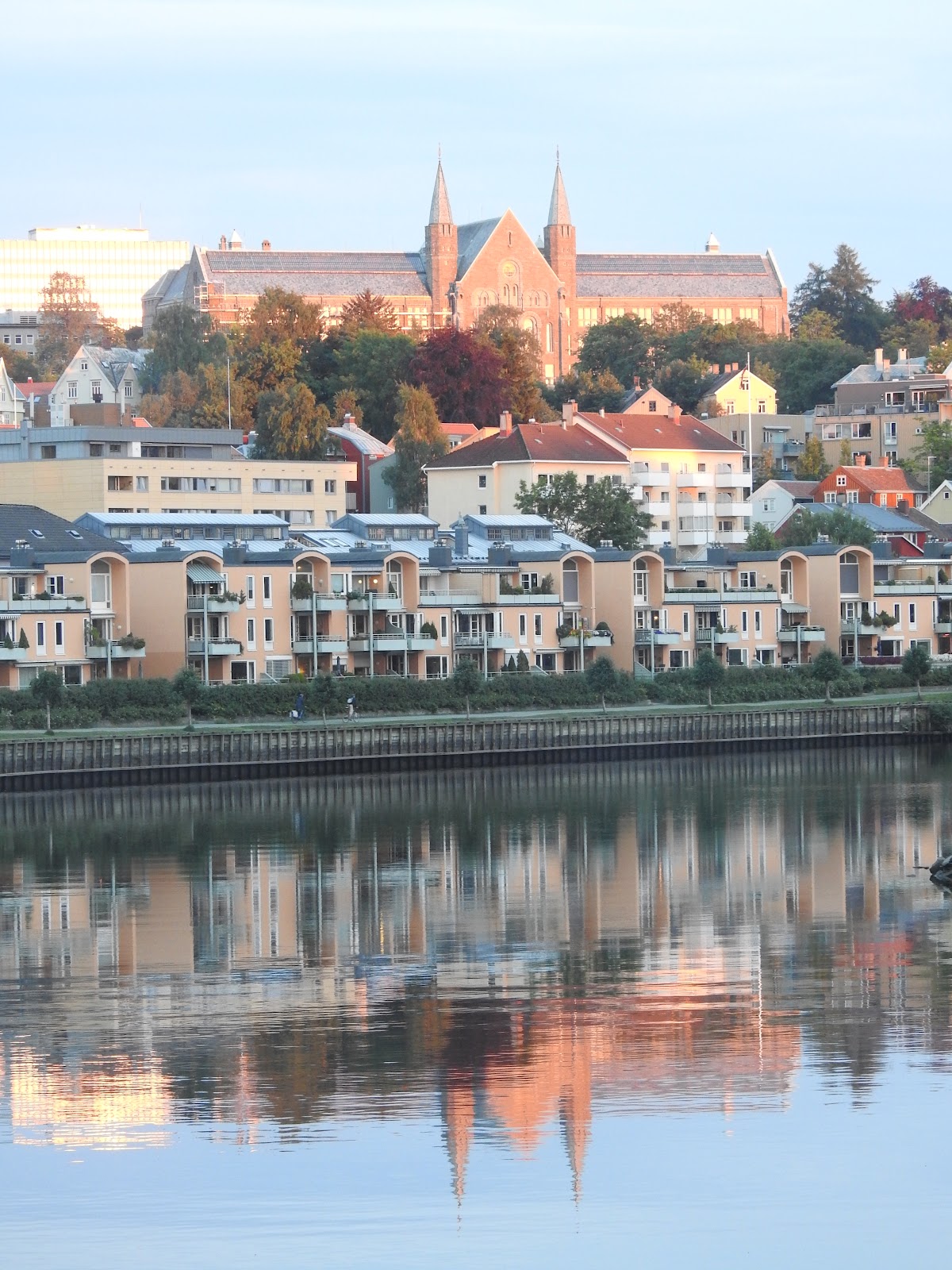
NTNU's main campus is situated in Trondheim, a city often recognized as Norway's best student city, with over 37,000 students contributing to its vibrant atmosphere. Trondheim offers a unique blend of urban life and scenic surroundings, including pubs, microbreweries, restaurants, and easy access to skiing resorts and other outdoor activities. The university is actively developing a unified campus around Gløshaugen, aiming to enhance collaboration, learning, and student life with new buildings and improved outdoor areas. Student facilities in Trondheim include project studios, workshops, computer labs, and a usability lab. Students also have access to a network of cabins for outdoor excursions and a large student-owned society building, "Studentersamfundet," which hosts various events.
NTNU aims to produce graduates who are highly sought after in the labor market due to their relevant and high-quality education. While Norwegian universities generally do not have direct job placement services like some other countries, NTNU Career offers online resources, career guidance, and assistance with CV writing and job interview preparation. The university fosters a strong startup culture, with initiatives like Spark* NTNU providing free advice and support for students with entrepreneurial ideas, and NTNU Discovery offering financial support for commercially viable projects. Trondheim itself has a flourishing startup ecosystem, benefiting students with a legacy of tech entrepreneurs and organizations that promote innovation.
Academics
NTNU comprises eight faculties and the University Museum, housing a total of 54 departments. While renowned for its strong profile in science and technology, NTNU offers a wide array of programs across various disciplines, including engineering, natural sciences, information technology, electrical engineering, medicine, health sciences, social and educational sciences, humanities, and economics and management. The university's teaching approach integrates academic insight with practical experience, particularly evident in programs like the NTNU School of Entrepreneurship, where students develop business ideas in interdisciplinary teams. NTNU's research is often interdisciplinary, addressing complex global challenges through its five strategic research areas: Civil Security, Community, Energy, Health and Life Sciences, and Ocean and Coast.
International Students
NTNU actively welcomes international students for exchange programs, master's degrees, and full degree studies. The university provides support services through its Student Services and student advisers, who can assist with academic, student life, and career matters. A significant number of master's programs are taught in English, and NTNU also offers Joint Nordic Master's and Erasmus Mundus programs. With 3,755 international students from 114 countries, international students make up approximately 9% of the total student body, contributing to a diverse campus community. The university also holds welcoming ceremonies and information meetings for new students, and various student organizations facilitate cultural integration.
Campus & Location
NTNU's main campus is situated in Trondheim, a city often recognized as Norway's best student city, with over 37,000 students contributing to its vibrant atmosphere. Trondheim offers a unique blend of urban life and scenic surroundings, including pubs, microbreweries, restaurants, and easy access to skiing resorts and other outdoor activities. The university is actively developing a unified campus around Gløshaugen, aiming to enhance collaboration, learning, and student life with new buildings and improved outdoor areas. Student facilities in Trondheim include project studios, workshops, computer labs, and a usability lab. Students also have access to a network of cabins for outdoor excursions and a large student-owned society building, "Studentersamfundet," which hosts various events.
Career Outcomes
NTNU aims to produce graduates who are highly sought after in the labor market due to their relevant and high-quality education. While Norwegian universities generally do not have direct job placement services like some other countries, NTNU Career offers online resources, career guidance, and assistance with CV writing and job interview preparation. The university fosters a strong startup culture, with initiatives like Spark* NTNU providing free advice and support for students with entrepreneurial ideas, and NTNU Discovery offering financial support for commercially viable projects. Trondheim itself has a flourishing startup ecosystem, benefiting students with a legacy of tech entrepreneurs and organizations that promote innovation.
Highlights
- Norway's primary hub for engineering
- Leading research in energy and maritime
- Largest university in Norway by students
- Home to multiple Nobel Prize winners
- Strong focus on sustainable technology
- Extensive industry and innovation partnerships
Subject Areas
EngineeringTechnologyNatural SciencesArchitectureMedicine
Student Life & Support
Visa Support Campus Housing Sports Facilities Scholarships Available
Photos



Programs Offered at Norwegian University of Science and Technology (NTNU) (20)
Offers programs in:
Arts & Design Computer Science Engineering Medicine & Health Natural Sciences Physics & Chemistry Social Sciences
Bachelor Programs (8)
Bachelor of Science in Applied Physics and Mathematics
STEM
Applied Physics and Mathematics
Applied Physics and Mathematics
bachelor in applied physics and mathematicsapplied physics and mathematics bachelorstudy applied physics and mathematics in norwaybachelor applied physics and mathematics in norwayapplied physics and mathematics program in trondheim
36 months Norwegian Full-time
Bachelor of Science in Architecture
Architecture
Architecture & Design
architecturearchitecture & designb.a.b.s.ba
36 months Norwegian Full-time
Bachelor of Science in Chemical Engineering
STEM
Chemical Engineering
Chemical Engineering
bachelorbachelor's degreechemical engineeringchemistryprocess engineering
36 months Norwegian Full-time
Bachelor of Science in Civil Engineering
STEM
Civil Engineering
Civil Engineering
bachelor of civil engineeringbachelor's degree in civil engineeringBS in civil engineeringBA in civil engineeringundergraduate civil engineering
36 months Norwegian Full-time
Bachelor of Science in Computer Science
STEM
Computer Science
Computer Science
bachelor in computer sciencestudy computer science in norwaybachelor's computer sciencecomputer science bachelor degreebachelor of science in computer science
36 months Norwegian Full-time
Bachelor of Science in Electrical Engineering
STEM
Electrical Engineering
Electrical Engineering
bachelorbachelor of science in electrical engineeringelectricalelectrical engineeringengineering
36 months Norwegian Full-time
Bachelor of Science in Materials Science and Engineering
STEM
Materials Science and Engineering
Materials Science & Engineering
andbachelorbachelor of science in materials science and engineeringengineeringmaterials
36 months Norwegian Full-time
Bachelor of Arts in Psychology
Psychology
Psychology
english-taught bachelors psychology in norwaybachelors psychologystudy psychology in norwaypsychology program in trondheimbsc psychology
36 months Norwegian Full-time
Master Programs (9)
Master of Science in Biotechnology
STEM
Biotechnology
Biotechnology
biotechnologycodinggraduateitlab
24 months English Full-time
Master of Science in Cybernetics and Robotics
STEM
Cybernetics and Robotics
Cybernetics and Robotics
cyberneticsgraduatemamastermba
24 months English Full-time
Master of Science in Geosciences
STEM
Geosciences
Geosciences
Geosciencesgeosciencesgeosciences at Norwegian University of Science and Technology (NTNU)geosciences in Trondheimgeosciences program in Norway
24 months English Full-time
Master of Science in Global Health
Global Health
Public Health
global healthgraduatehealthmamaster
24 months English Full-time
Master of Science in Industrial Ecology
STEM
Industrial Ecology
Industrial Ecology
master industrial ecology Norwaysustainable systems MSc NTNUindustrial symbiosis masters Norwaylife cycle assessment degreeenvironmental engineering ecology masters
24 months English Full-time
Master of Science in Industrial Economics and Technology Management
STEM
Industrial Economics
Industrial Economics
mastergraduatemsmamsc
24 months English Full-time
Master of Science in Marine Technology
STEM
Marine Technology
Marine Technology
norwegian university of science and technology (ntnu) marine technologymasters in marine technologymasters in marine technology in norwaymasters marine technology abroadstudy marine technology
24 months English Full-time
Master of Science in Physics
STEM
Physics
Physics
masternorwaynorwegianphysicsscience
24 months English Full-time
Master of Science in Sustainable Energy
STEM
Sustainable Energy
Energy Studies
energygraduatemamastermba
24 months English Full-time
PhD Programs (3)
PhD in Computer Science
STEM
Computer Science
Computer Science
computerdoctor of philosophydoctoraldoctoratenorway
36 months English Full-time
PhD in Engineering Science
STEM
Engineering
Engineering
Engineeringphd's in engineeringphd engineering degreestudy engineeringengineering program
36 months English Full-time
PhD in Social Sciences
Social Sciences
Social Sciences
doctorate in social sciencesdoctorate social sciencessocial sciences program in norwayPh.D. social sciencessocial sciences in trondheim
36 months English Full-time
Norwegian University of Science and Technology (NTNU) Admissions Requirements & Acceptance Rate
6.5+ IELTS
90+ TOEFL
Acceptance Rate Selective (20-40%)
Intakes Fall, Spring
Application Deadline December 1 for international master's programs, April 15 for Norwegian/Nordic applicants
Housing (monthly) ~$4300
0 Teaching Language Norwegian, English
Ready to apply to Norwegian University of Science and Technology (NTNU)?
Abroadly helps you manage applications, track deadlines, and get matched to programs.
Frequently Asked Questions About Norwegian University of Science and Technology (NTNU)
Common questions from international students considering Norwegian University of Science and Technology (NTNU).
What is the acceptance rate at Norwegian University of Science and Technology (NTNU)?
Norwegian University of Science and Technology (NTNU) is classified as "Selective (20-40%)" by admissions selectivity. Acceptance rates vary by program — competitive programs and graduate degrees typically have lower acceptance rates than undergraduate programs.
What is Norwegian University of Science and Technology (NTNU) ranked globally?
Norwegian University of Science and Technology (NTNU) holds the following rankings: QS World #267, Times Higher Education #301, ARWU #151, #2 in Norway. Rankings vary by methodology and subject area — for the most accurate picture, check the specific subject rankings for your intended field of study.
What English language requirements does Norwegian University of Science and Technology (NTNU) have?
Norwegian University of Science and Technology (NTNU) typically requires IELTS 6.5+ or TOEFL 90+ for international students. Specific programs may set higher minimums — verify requirements for your target program directly. Some applicants may qualify for an English requirement waiver if their previous education was English-medium.
Are scholarships available at Norwegian University of Science and Technology (NTNU)?
Yes, Norwegian University of Science and Technology (NTNU) offers scholarships and financial aid opportunities for international students. Available aid varies by program, nationality, and academic merit. We recommend checking each program's funding page and applying early — many scholarships have separate deadlines from the main admission application.
When does Norwegian University of Science and Technology (NTNU) start its semesters?
Norwegian University of Science and Technology (NTNU) has intakes starting in Fall, Spring. Application deadlines typically fall 3-6 months before the semester start date. International students should apply earlier due to visa processing times — we recommend submitting applications 6-9 months ahead of the intended start date.
How many English-taught programs does Norwegian University of Science and Technology (NTNU) offer?
Norwegian University of Science and Technology (NTNU) offers 12+ programs taught in English, accessible to international students without local language proficiency. These span Bachelor's, Master's, and PhD levels across multiple disciplines.
Where is Norwegian University of Science and Technology (NTNU) located?
Norwegian University of Science and Technology (NTNU) is located in Trondheim, Norway 🇳🇴. The city offers an international student-friendly environment with access to academic facilities, accommodation, and cultural amenities.
What are the admission requirements for Norwegian University of Science and Technology (NTNU)?
For specific details about Norwegian University of Science and Technology (NTNU), we recommend reviewing the program-specific information and contacting the admissions office. Each program may have unique requirements and considerations.
How much does it cost to study at Norwegian University of Science and Technology (NTNU)?
For specific details about Norwegian University of Science and Technology (NTNU), we recommend reviewing the program-specific information and contacting the admissions office. Each program may have unique requirements and considerations.
What programs does Norwegian University of Science and Technology (NTNU) offer?
For specific details about Norwegian University of Science and Technology (NTNU), we recommend reviewing the program-specific information and contacting the admissions office. Each program may have unique requirements and considerations.
More Universities in Trondheim
View all →
Need help applying?
AI-powered tools to manage applications, track deadlines, and get matched.