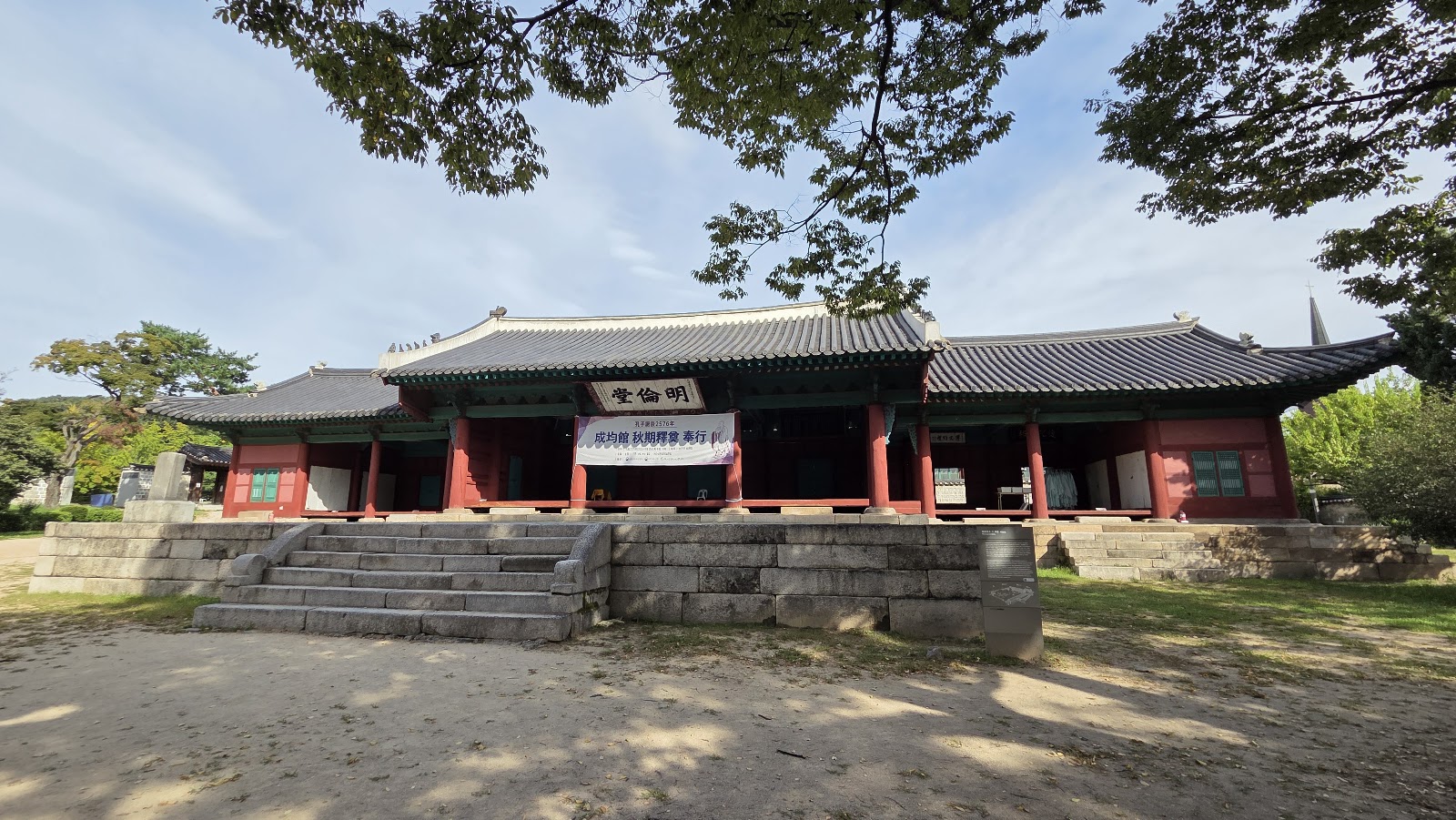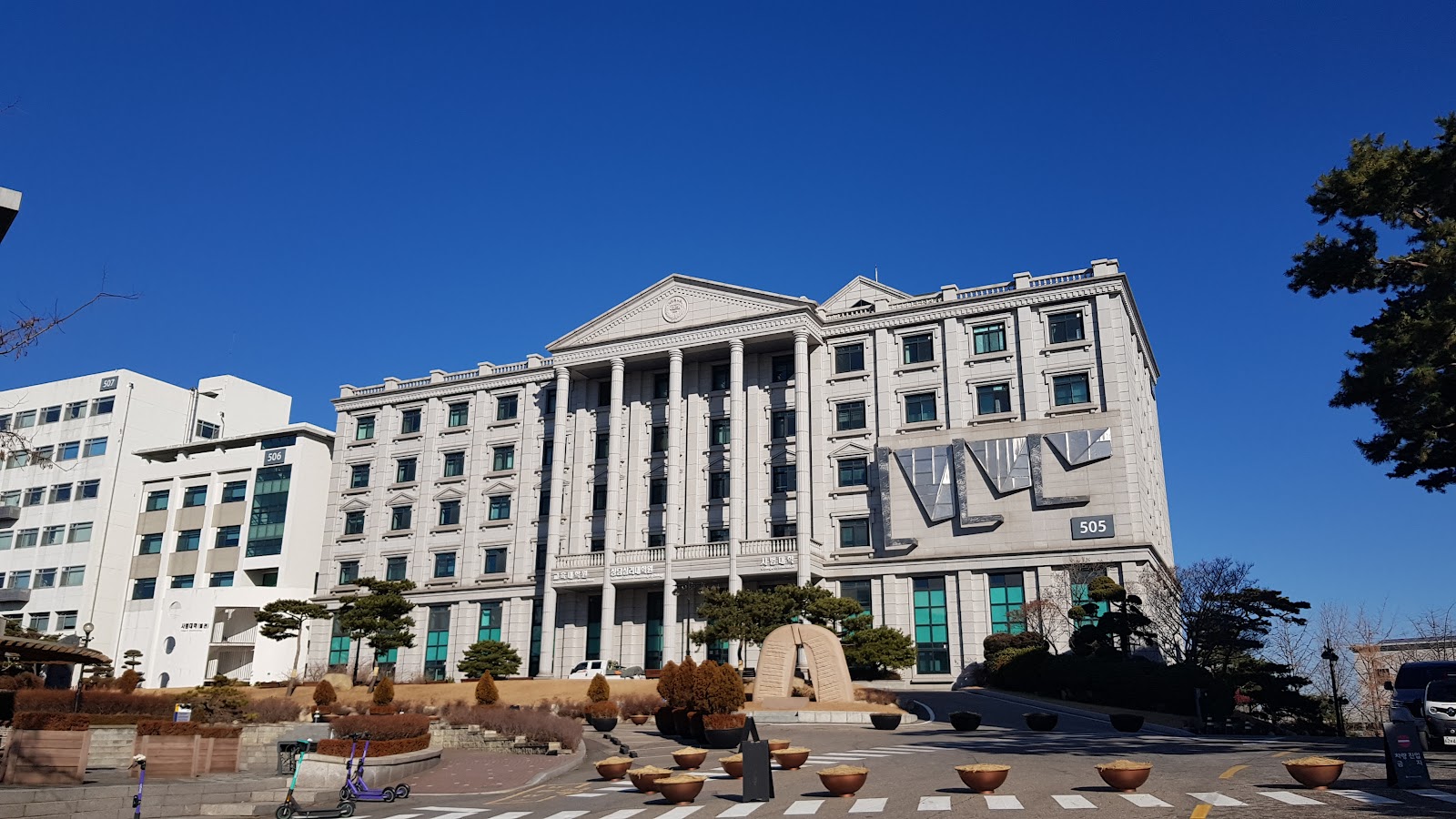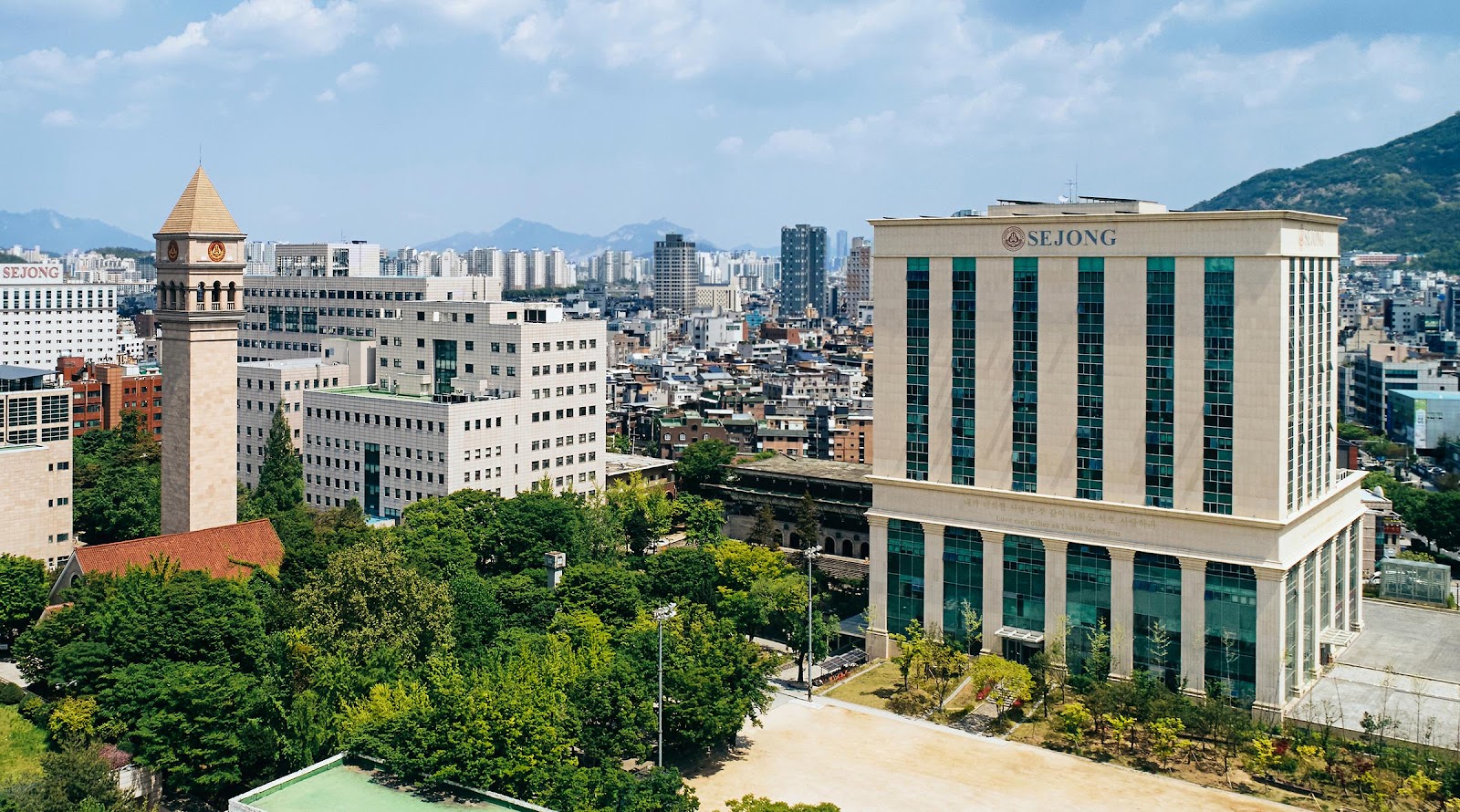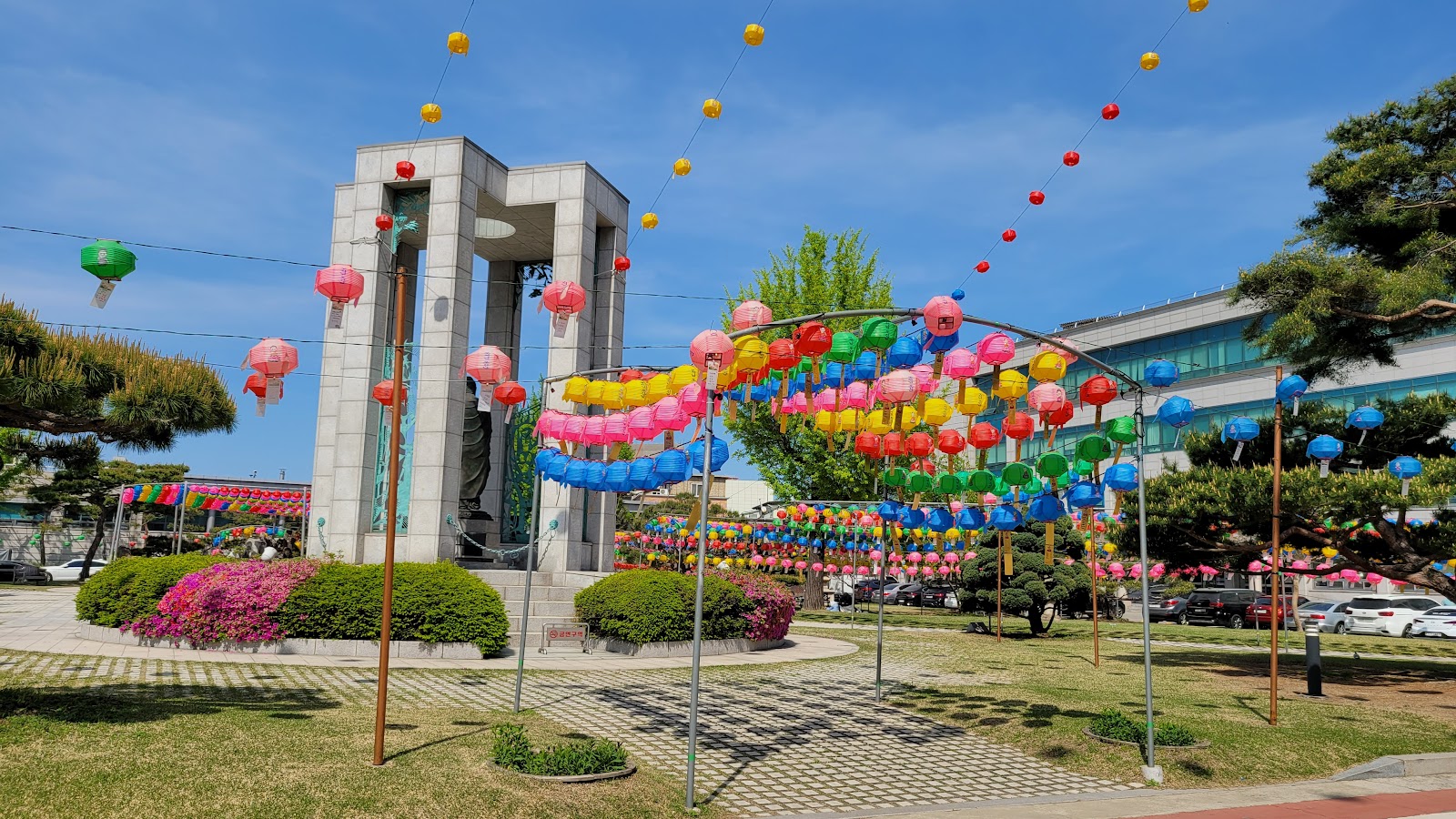
Myongji University

Igniting global leadership through faith, science, and humanity.

๐Ÿ“ Seoul, South Korea ๐Ÿ‡ฐ๐Ÿ‡ท

๐Ÿ† #46 in South Korea

Quick Facts about Myongji University

  • Tuition: $5,700 โ€“ $11,700/year
  • Intakes: Fall, Spring

About Myongji University

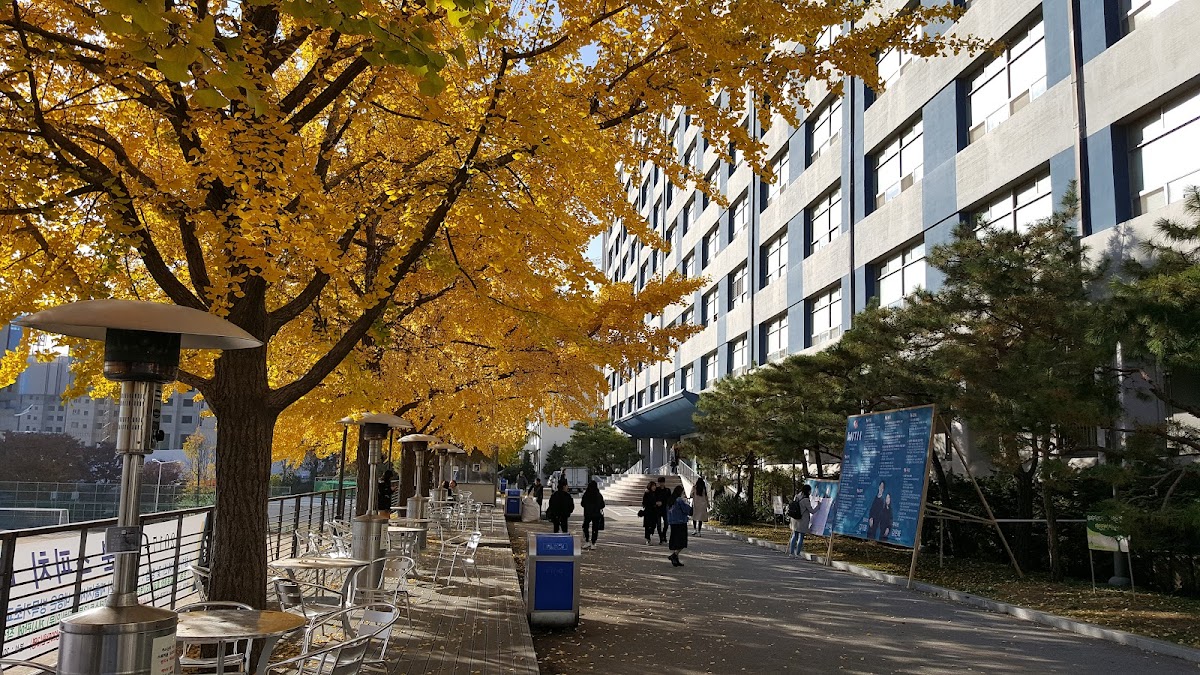
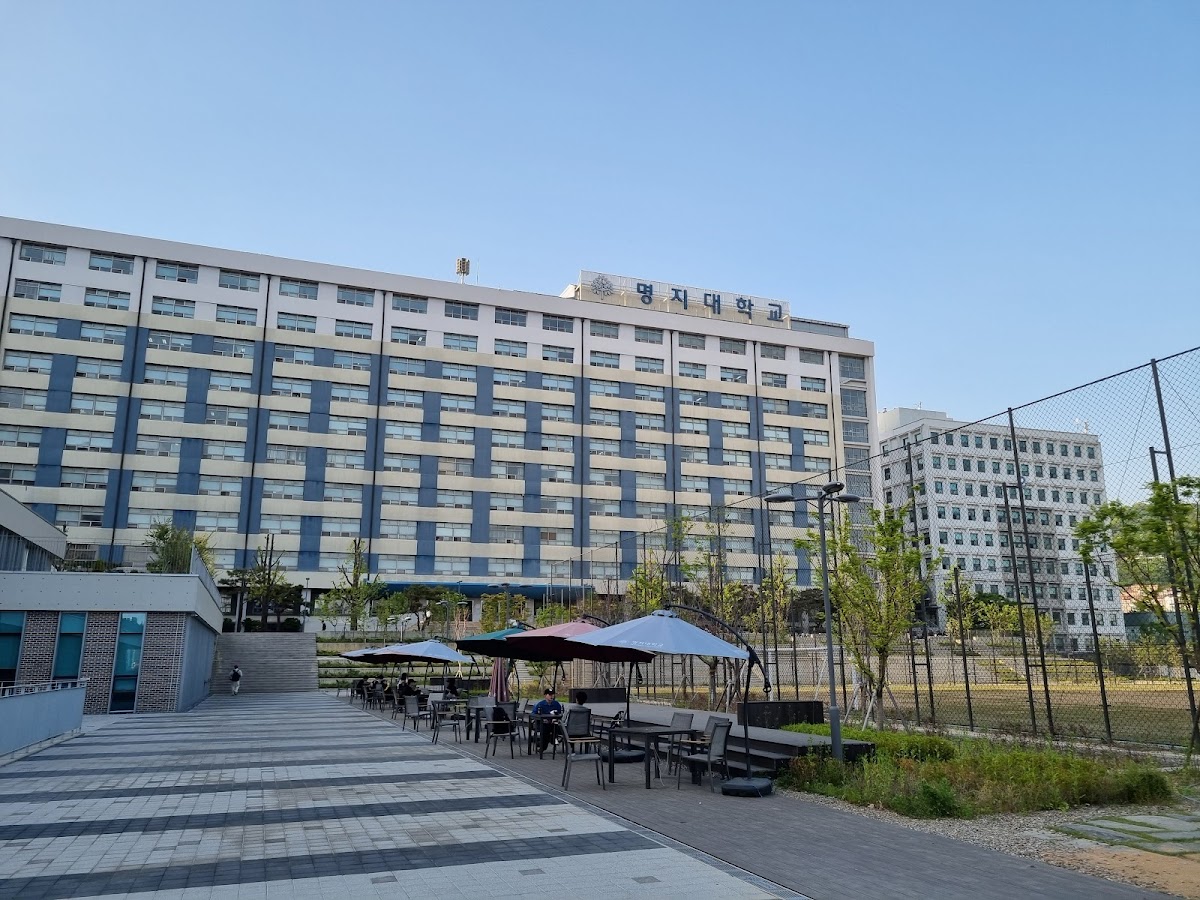
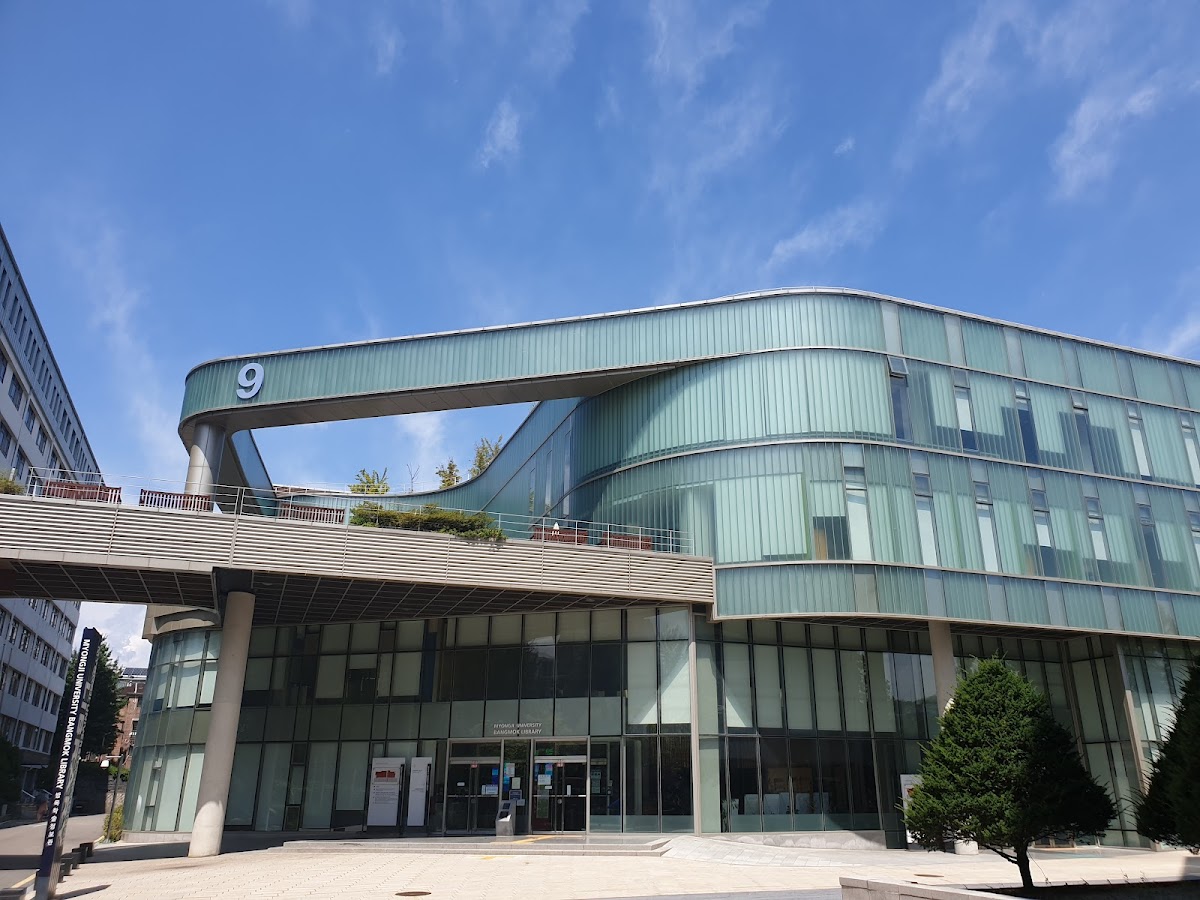
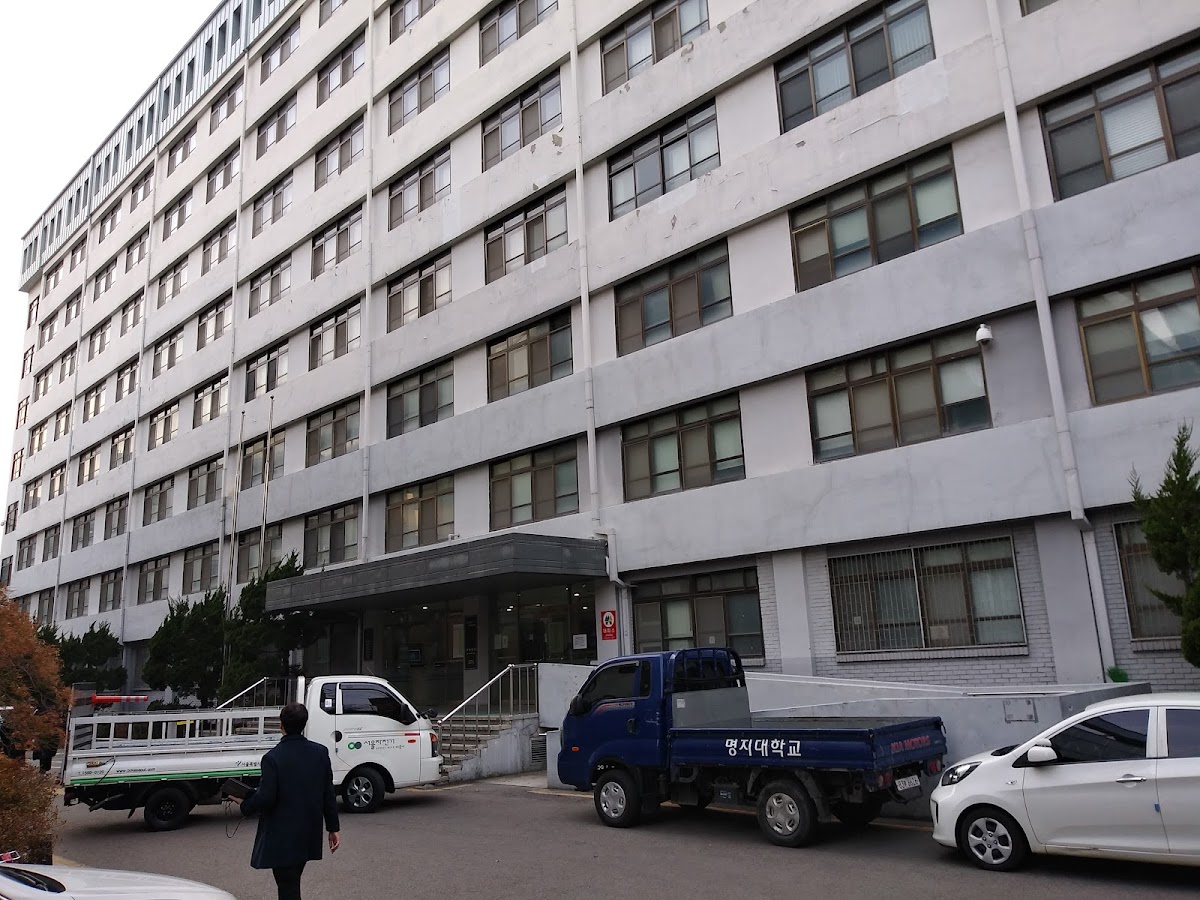
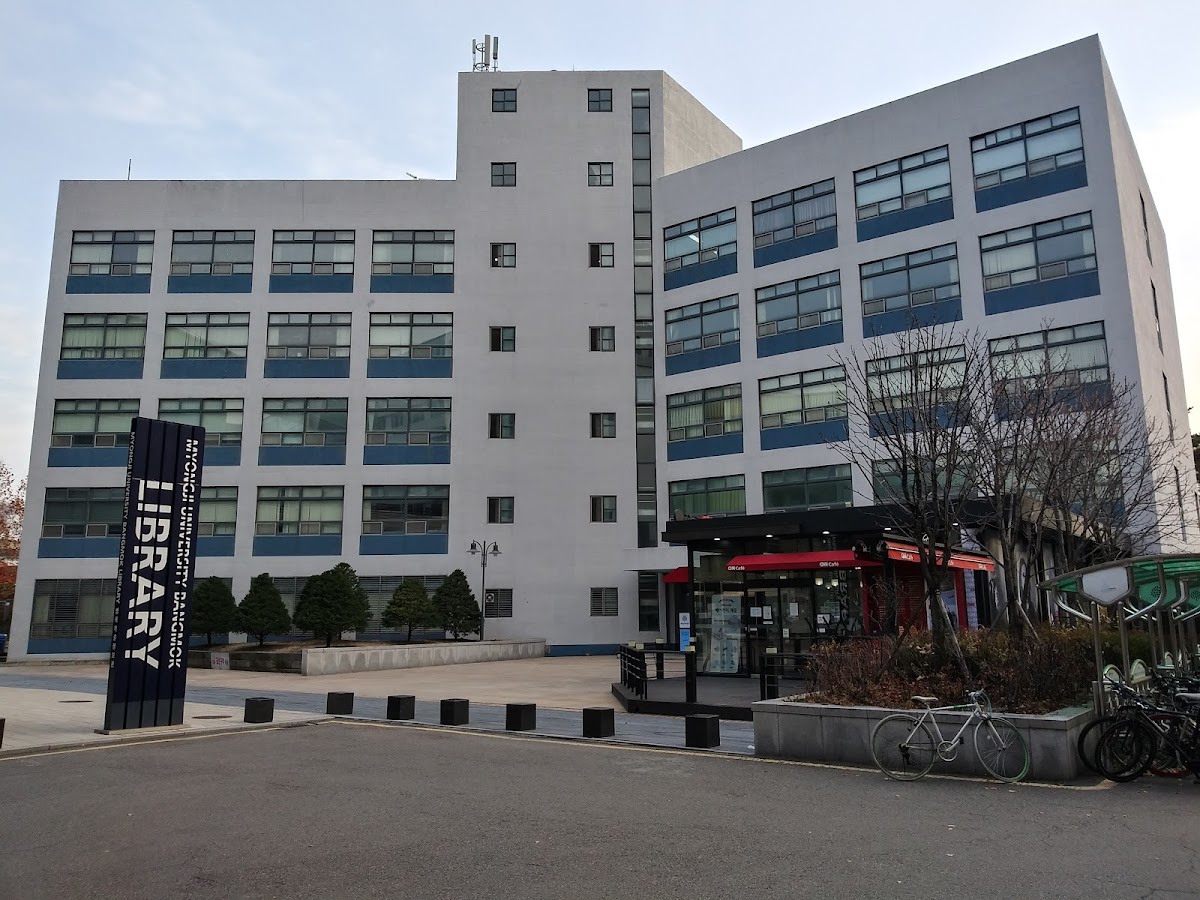
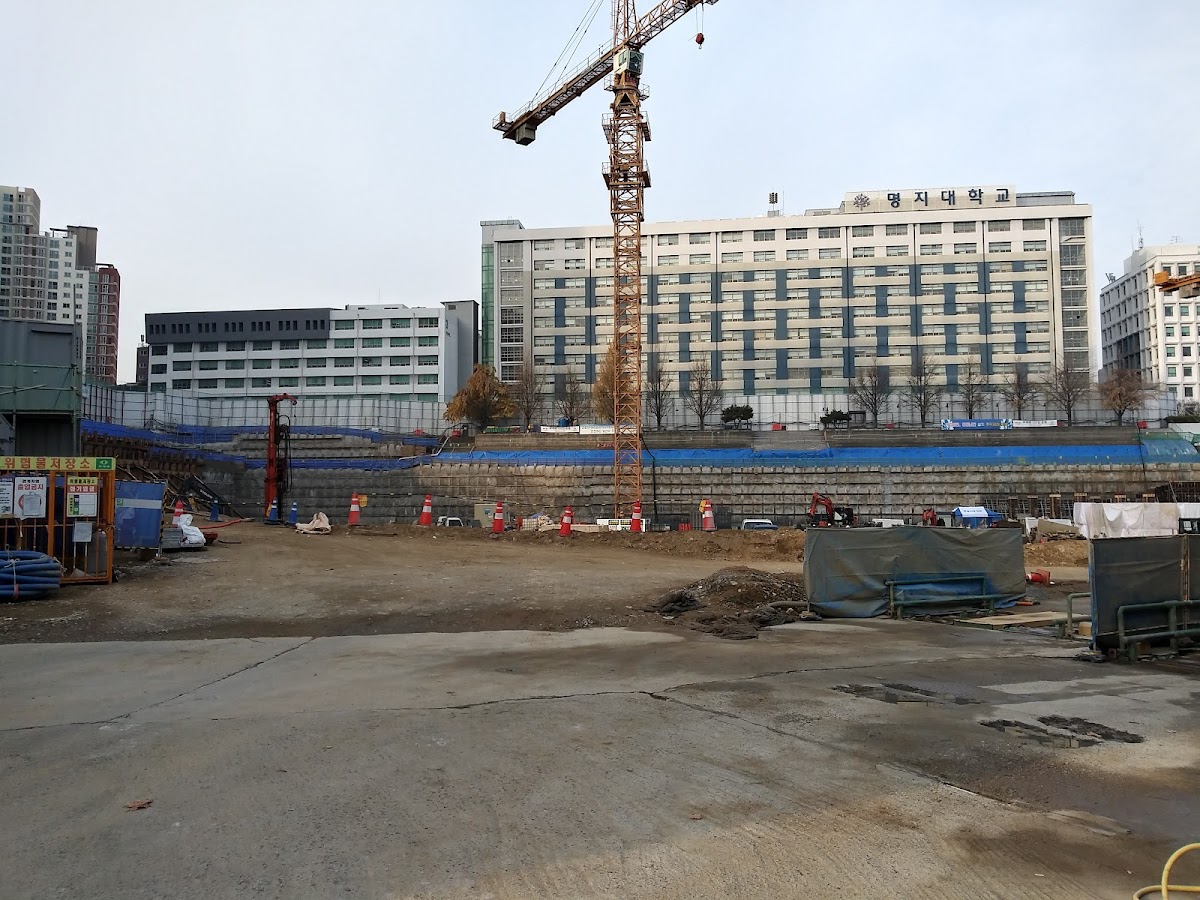
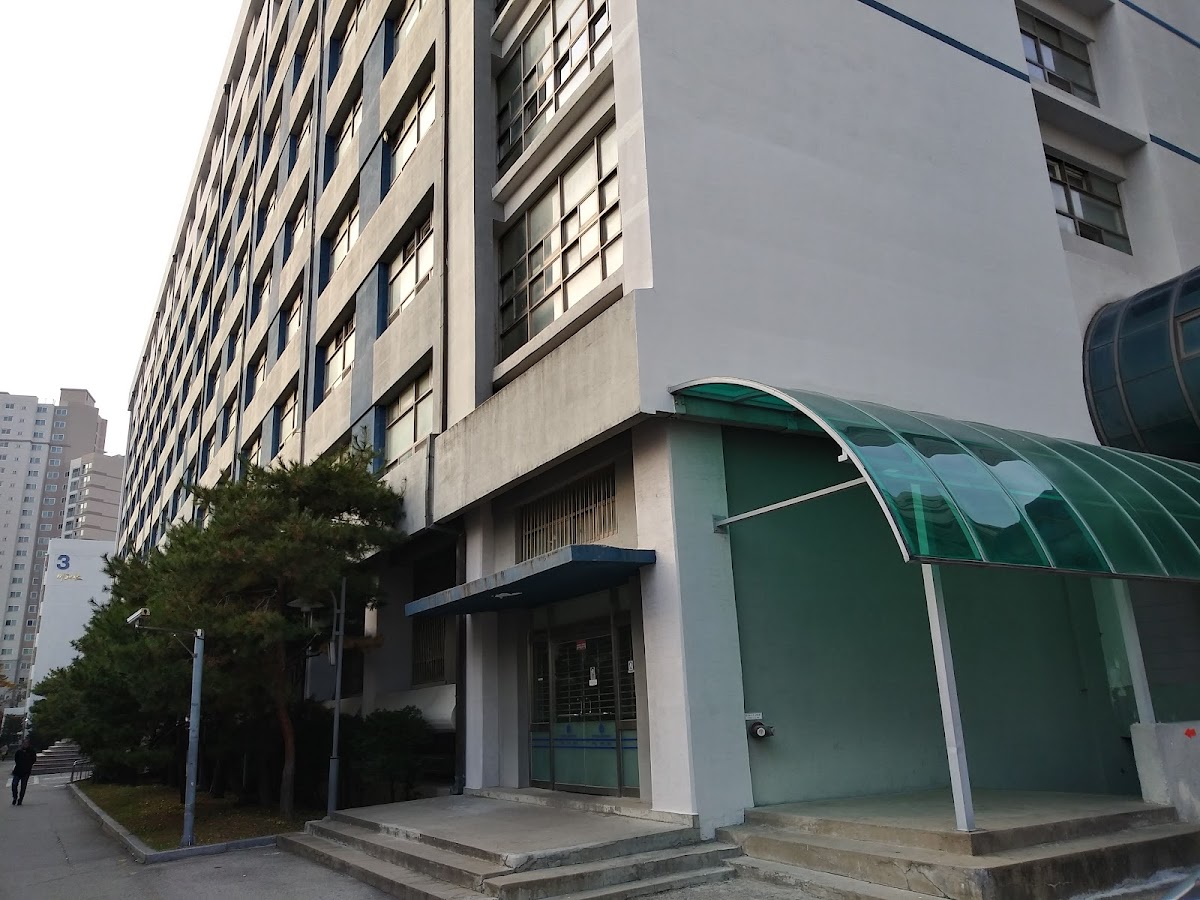
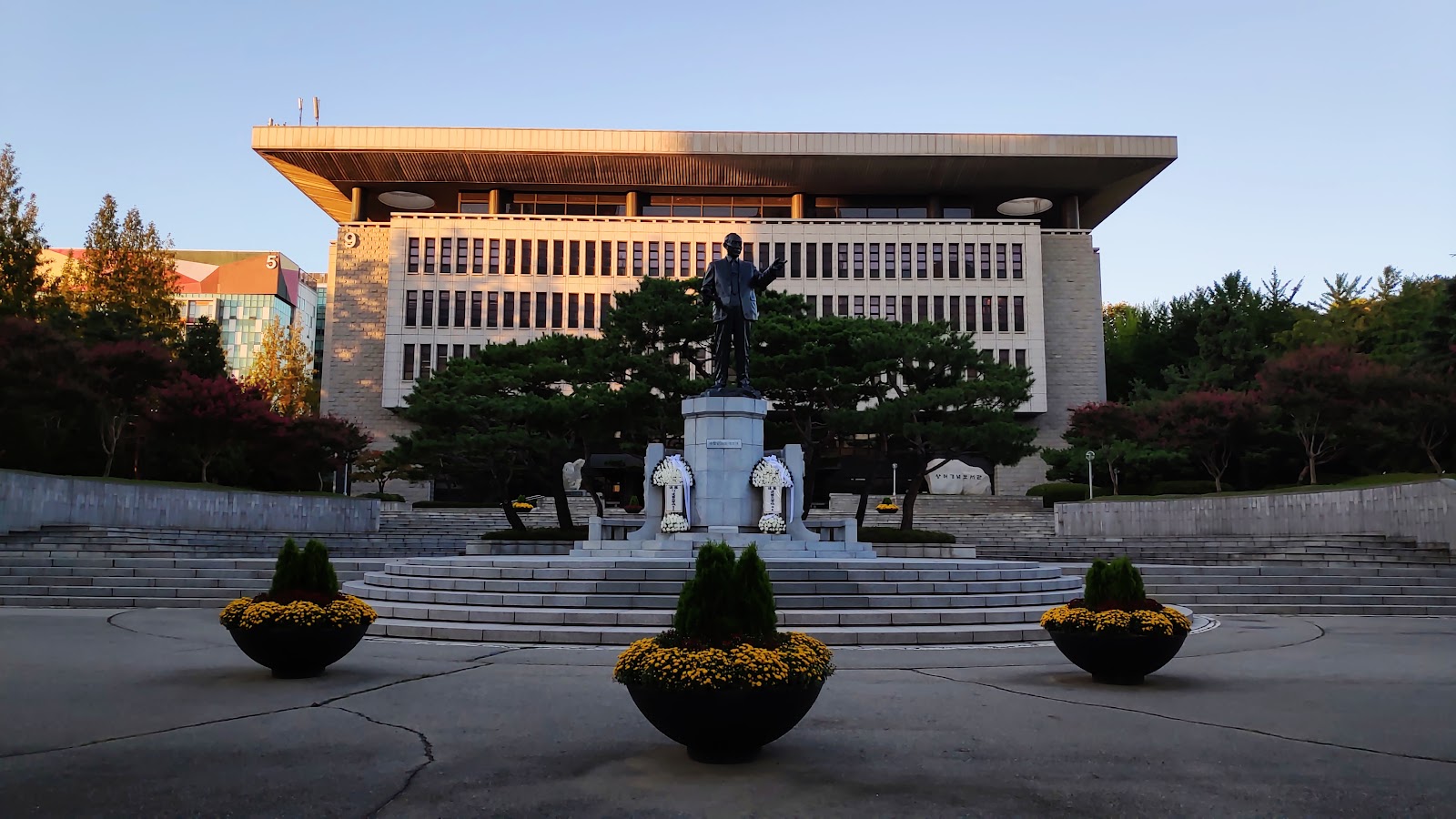
Myongji University, established in 1948 and rooted in Christian principles, is a private institution offering diverse higher education in engineering, sciences, and humanities. It operates two distinct campuses: the Social Science Campus in Seoul and the Natural Science Campus in Yongin. The university is dedicated to fostering creative global leaders through a blend of academic excellence and practical competence.

Academics

Myongji University comprises 10 colleges, 42 departments, and seven faculties, alongside eight specialized postgraduate programs. Notable colleges include Humanities, Social Science, Business Administration, Law, Natural Science, Engineering, Arts and Physical Education, and Architecture. The university is recognized for pioneering Korea's first five-year architecture program and also offers unique departments such as Baduk Studies and Musical Performing Arts. Myongji emphasizes a student-centered, future-oriented education system, promoting academic flexibility and interdisciplinary talent development.

International Students

Myongji University provides comprehensive support services for international students, with dedicated staff proficient in English, Chinese, Japanese, and Vietnamese. Each international student is assigned an academic advisor for systematic guidance, and a "Global BUDDY" program offers academic assistance, particularly with Korean language proficiency challenges. The university offers English-taught programs, including courses in Korean history, contemporary politics, economics, business, and various social sciences. International student associations facilitate cultural exchange and integration, and the university's Yongin Campus has secured funding to support Korean language education and career/startup training for international students.

Campus & Location

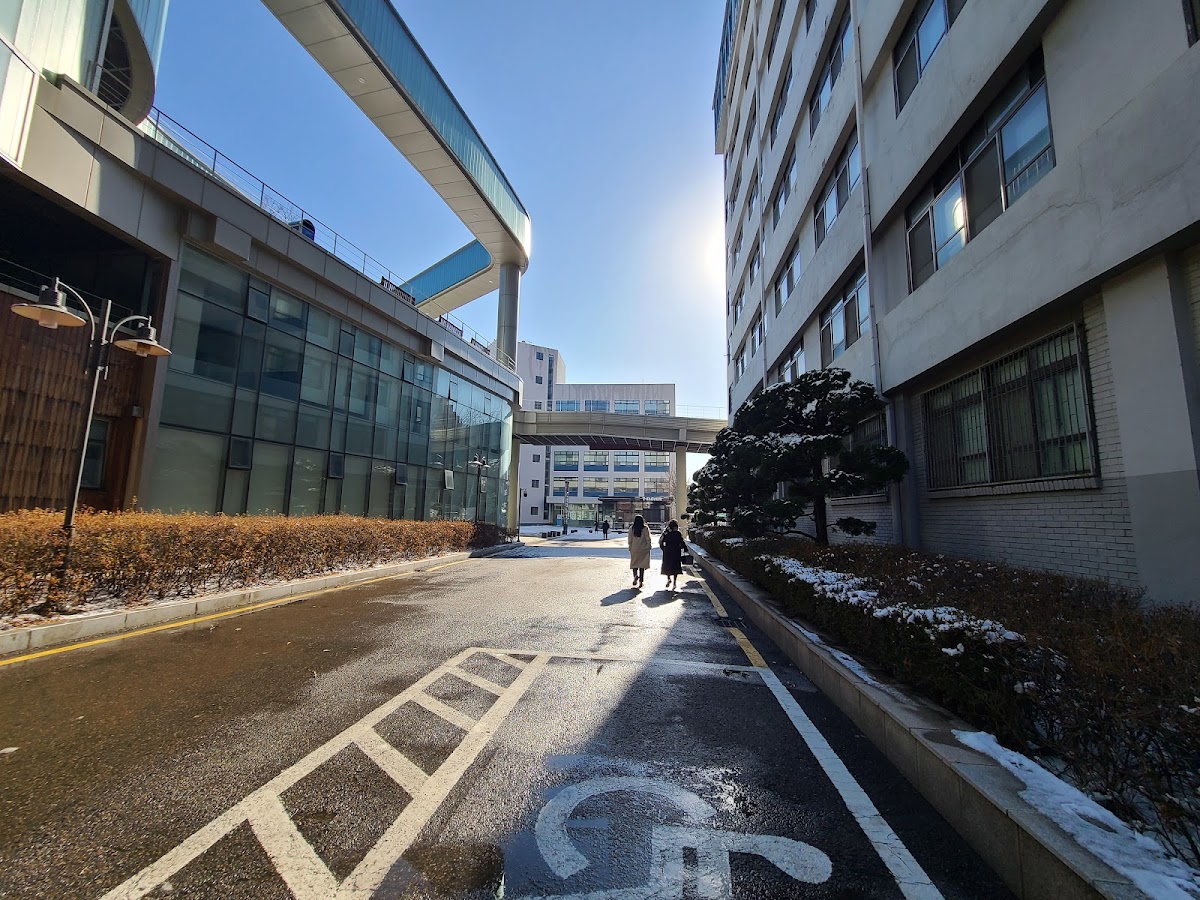
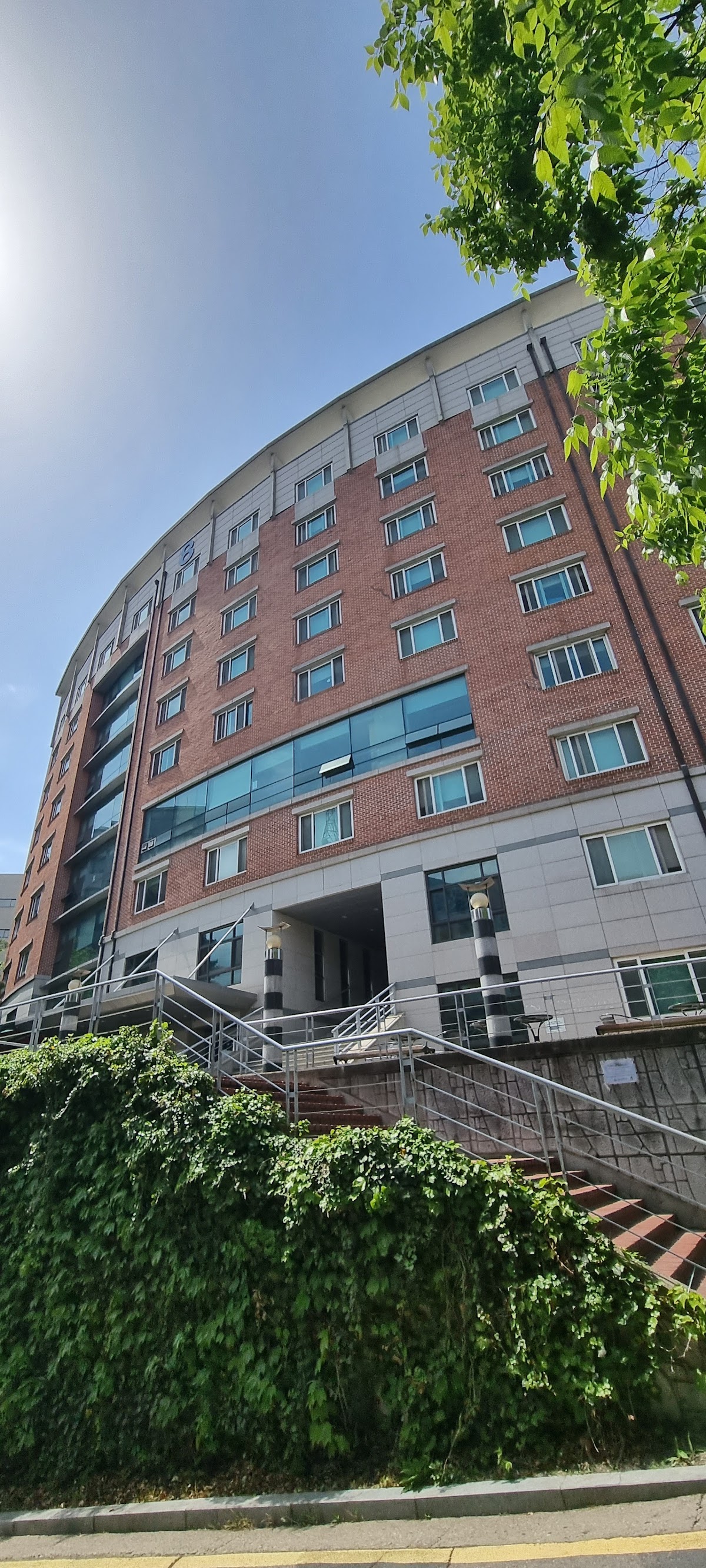
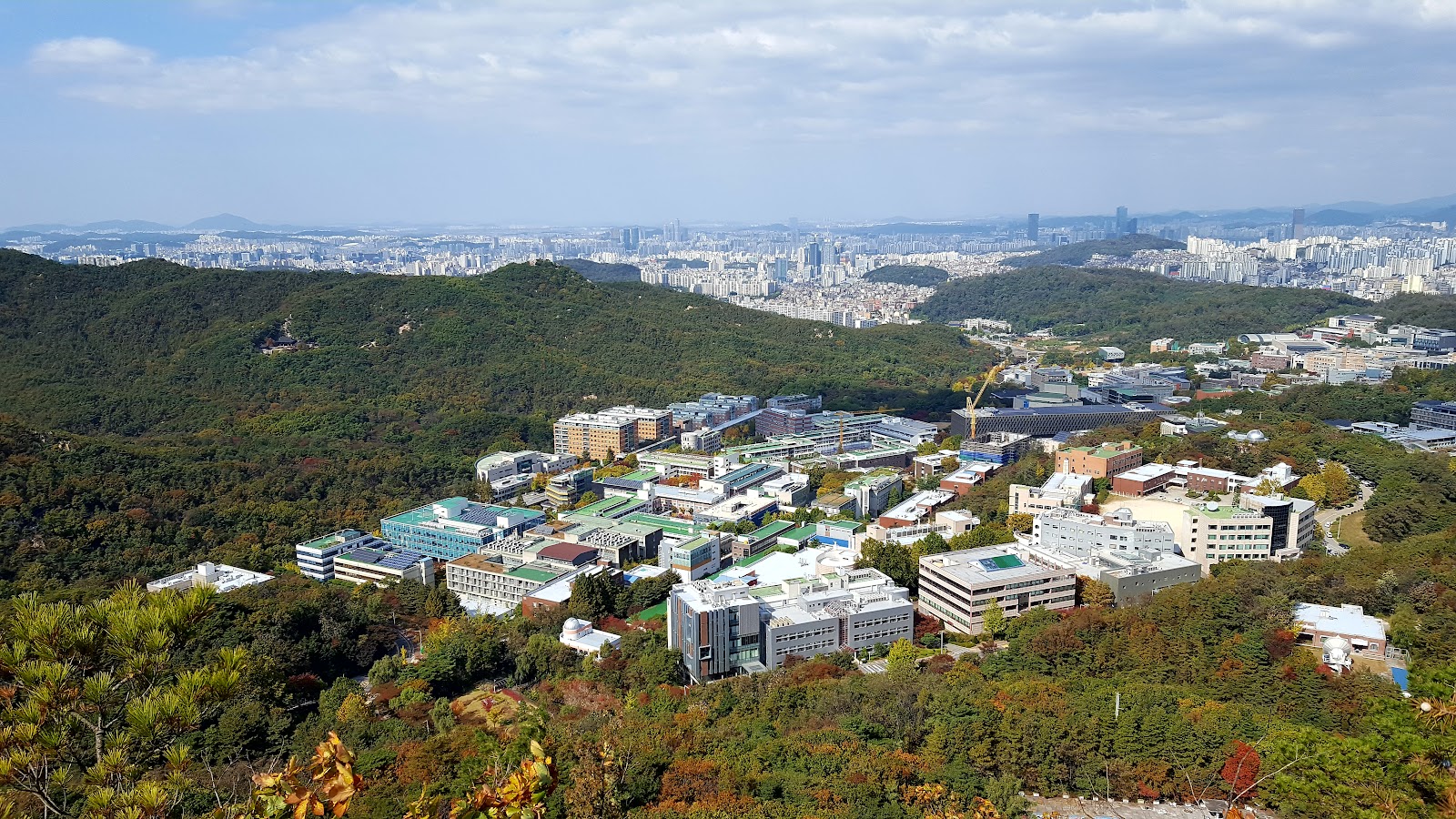
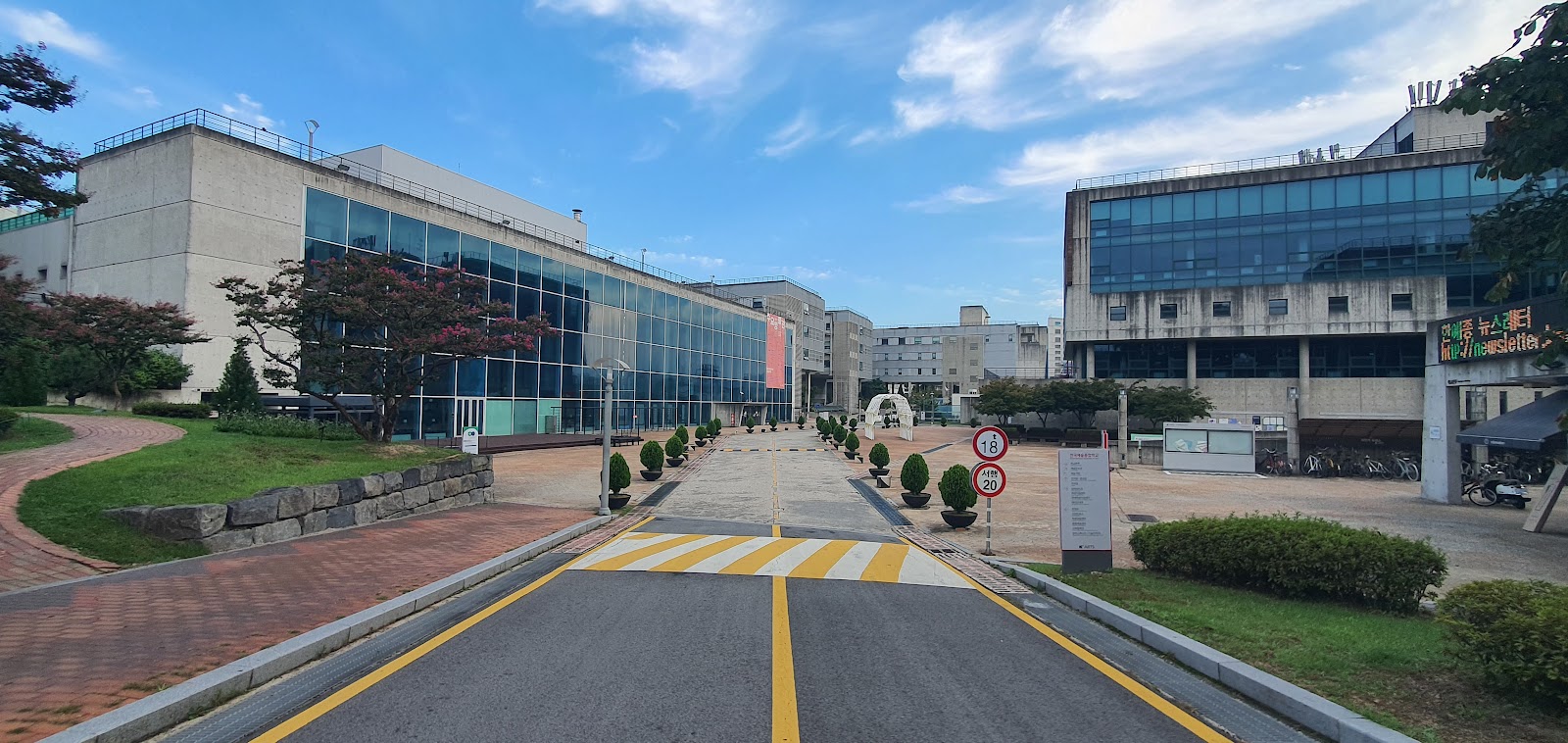
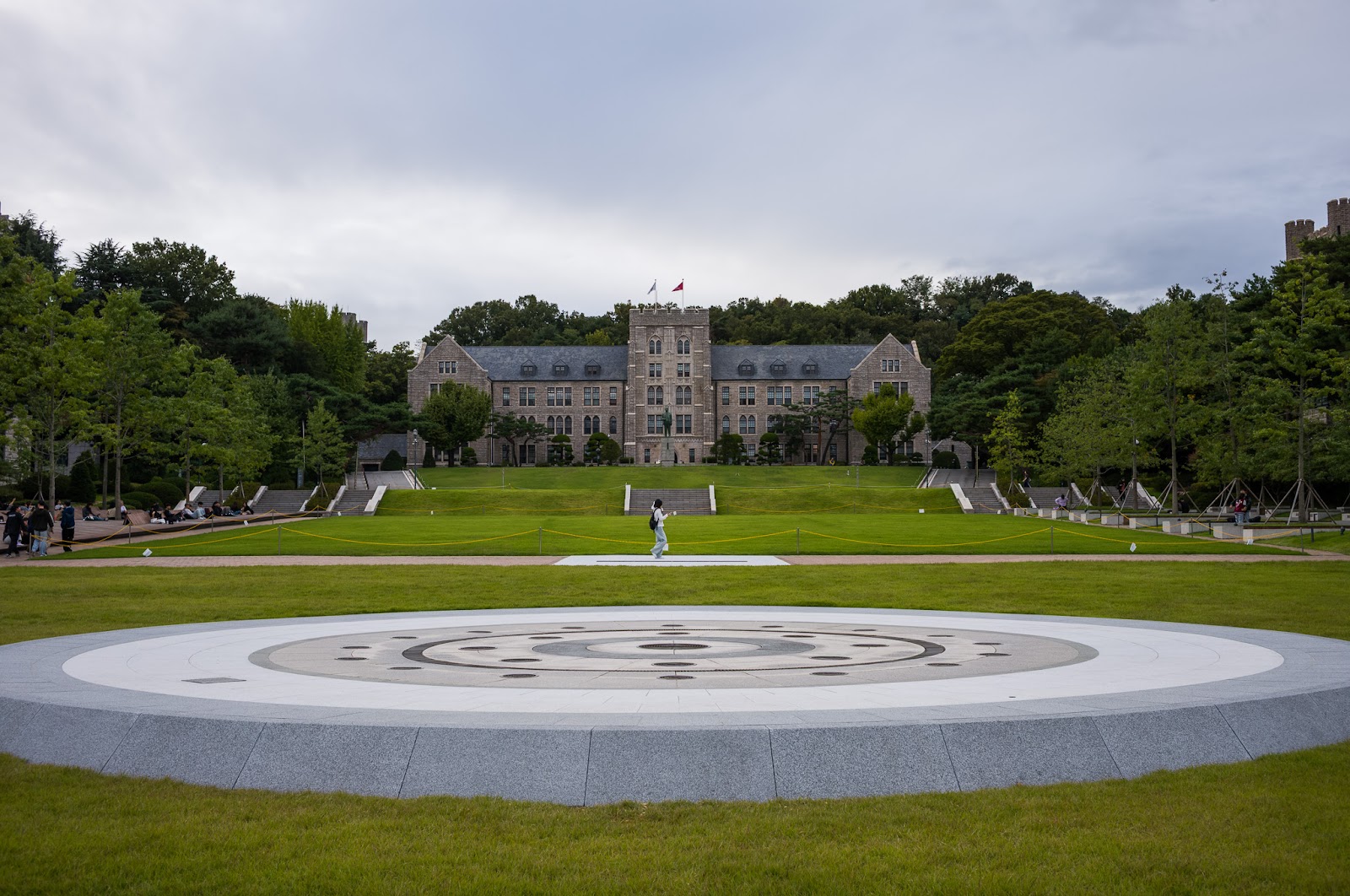
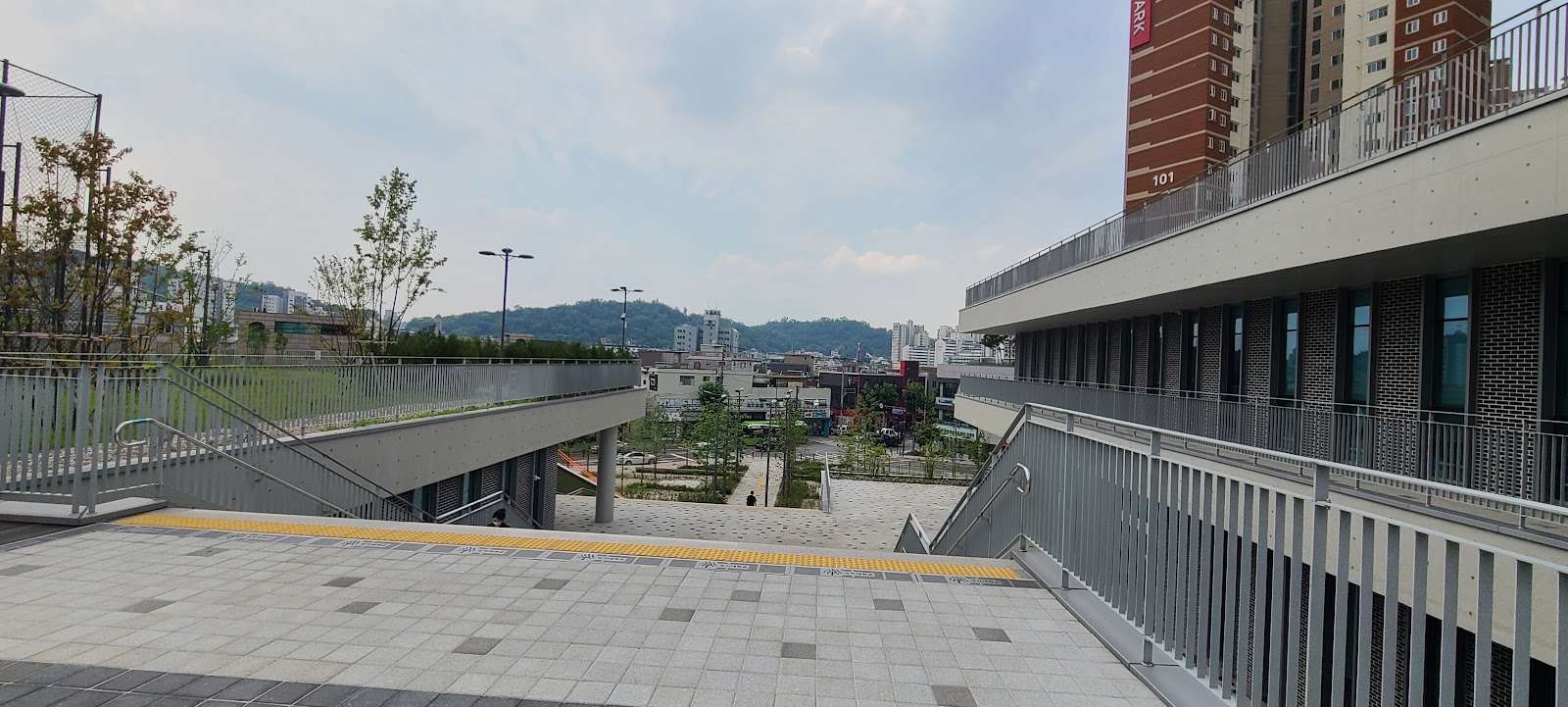
Myongji University features two campuses. The Seoul (Social Science) Campus is situated in the vibrant Seodaemun-gu district, offering easy access to public transportation and proximity to the cultural hubs of Sinchon and Hongdae. The Yongin (Natural Science) Campus, located about 50 minutes from Seoul, provides a nature-friendly learning environment with cutting-edge facilities and is near Korea's high-tech industries, including an upcoming SK Hynix semiconductor complex. Both campuses are well-connected by bus routes, and the Yongin campus is also close to cultural attractions like the Korean Folk Village and Everland amusement park.

Career Outcomes

Myongji University aims to cultivate future-ready, interdisciplinary talent through specialized curricula focused on Fourth Industrial Revolution technologies, AI, and big data. The university offers career services such as job search assistance, resume writing, interview simulations, and internship placements. Myongji University boasts a strong alumni network, with graduates making significant contributions in various fields, including politics, entertainment, and sports. Notable alumni include former Prime Minister Hwang Kyo-ahn and former Manchester United footballer Park Ji-sung. The university also supports startup culture through its entrepreneurship education centers.

Information for International Students at Myongji University

Myongji University in Seoul, South Korea welcomes international students.

  • No visa support offered
  • No on-campus work
  • Student housing available

Admissions Requirements for Myongji University

Here are the key admission requirements for international students applying to Myongji University:

  • Selectivity: Open (60%+)

Programs at Myongji University (23 programs)

Myongji University offers 23 programs across Bachelor levels.

Bachelor Programs (23)

  • History โ€” Korean
    Students in this program explore historical events, societies, and cultures across different periods and regions. The curriculum emphasizes critical thinking, research methodologies, and analytical skills, leading to careers in academia, archives, museums, and public service.
    Field: Humanities
    Career outcomes: Historian, Archivist, Museum curator, Researcher
  • European Languages and Cultures (German, French) โ€” German, French
    This program offers in-depth study of German and French languages, literatures, and cultures. Graduates are equipped for careers in international relations, translation, education, and cultural industries.
    Field: Humanities
    Career outcomes: Translator, International relations specialist, Educator, Cultural program coordinator
  • Business Administration โ€” Korean
    Students acquire essential knowledge and skills in various business functions, including marketing, finance, human resources, and operations. This program prepares graduates for diverse roles in corporate management, entrepreneurship, and consulting.
    Field: Social Sciences
    Career outcomes: Business manager, Marketing specialist, Financial advisor, Entrepreneur
  • Youth Education and Leadership โ€” Korean
    This program focuses on the development and education of youth, emphasizing leadership skills and community engagement. Graduates are prepared for roles in youth organizations, educational institutions, and social welfare programs.
    Field: Social Sciences
    Career outcomes: Youth worker, Educator, Program coordinator, Community leader
  • Japanese Language and Literature โ€” Japanese
    This program offers comprehensive study of the Japanese language, its linguistic structures, and the rich literary and cultural heritage of Japan. Graduates are prepared for roles in international trade, diplomacy, education, and cultural exchange.
    Field: Humanities
    Career outcomes: Japanese translator, International business specialist, Educator, Cultural liaison
  • Public Administration โ€” Korean
    Students learn about public policy, governance, and organizational management within government and non-profit sectors. The program prepares graduates for leadership roles in public service, policy analysis, and urban planning.
    Field: Social Sciences
    Career outcomes: Public servant, Policy analyst, Urban planner, Non-profit manager
  • Political Science and Diplomacy โ€” Korean
    This program explores political systems, international relations, and diplomatic practices. Students develop analytical skills for understanding global issues and preparing for careers in government, international organizations, and foreign service.
    Field: Social Sciences
    Career outcomes: Diplomat, Political analyst, International relations specialist, Government official
  • e-Business โ€” Korean
    This program integrates business principles with information technology to prepare students for the digital economy. Graduates are equipped for careers in e-commerce, digital marketing, and IT consulting.
    Field: Business Administration
    Career outcomes: E-commerce manager, Digital marketing specialist, IT consultant, Online business entrepreneur
  • Materials Science and Engineering โ€” Korean ยท STEM
    Students study the properties, processing, and performance of various materials, including metals, ceramics, and polymers. This program prepares graduates for careers in manufacturing, research and development, and product design.
    Field: Engineering
    Career outcomes: Materials engineer, Research scientist, Product development engineer, Quality control engineer
  • Computer Engineering โ€” Korean ยท STEM
    This program combines electrical engineering and computer science to focus on the design of computer hardware and software. Graduates are prepared for careers in computer architecture, embedded systems, and network engineering.
    Field: Engineering
    Career outcomes: Computer engineer, Hardware engineer, Embedded systems developer, Network engineer
  • English Language and Literature โ€” English
    Students study English language, linguistics, and literature from various periods and cultures. The program enhances communication, critical thinking, and analytical skills, preparing graduates for careers in education, translation, international business, and media.
    Field: Humanities
    Career outcomes: English teacher, Translator, Editor, International relations specialist
  • Creative Writing โ€” Korean
    This program nurtures students' writing talents across various genres, including fiction, poetry, and screenwriting. It develops storytelling abilities and critical literary understanding, preparing graduates for careers in writing, publishing, and media.
    Field: Humanities
    Career outcomes: Writer, Editor, Journalist, Content creator
  • Law โ€” Korean
    Students gain a comprehensive understanding of legal principles, systems, and practices. The program develops critical thinking, analytical reasoning, and ethical judgment, preparing graduates for legal professions, public service, and corporate roles.
    Field: Social Sciences
    Career outcomes: Lawyer, Judge, Legal consultant, Public prosecutor
  • Social Welfare โ€” Korean
    This program focuses on understanding social problems and developing interventions to improve individual and community well-being. Graduates are prepared for roles in social work, community development, and public welfare agencies.
    Field: Social Sciences
    Career outcomes: Social worker, Community organizer, Case manager, Public welfare administrator
  • Chemical Engineering โ€” Korean ยท STEM
    This program focuses on the design and operation of processes that transform raw materials into useful products. Graduates are prepared for careers in chemical manufacturing, pharmaceuticals, energy, and materials science.
    Field: Engineering
    Career outcomes: Chemical engineer, Process engineer, Materials scientist, Pharmaceutical engineer
  • Electronic Engineering โ€” Korean ยท STEM
    Students learn about the design, development, and testing of electronic circuits, devices, and systems. This program prepares graduates for careers in semiconductor manufacturing, consumer electronics, and embedded systems.
    Field: Engineering
    Career outcomes: Electronics engineer, Circuit designer, Embedded systems engineer, Semiconductor engineer
  • Physics โ€” Korean ยท STEM
    This program explores the fundamental laws of nature, from subatomic particles to the cosmos, through theoretical and experimental approaches. Graduates are prepared for careers in research, engineering, and technology development.
    Field: Natural Sciences
    Career outcomes: Physicist, Researcher, Engineer, Data analyst
  • Design (Visual Communication Design, Industrial Design, Fashion Design, Space Design) โ€” Korean
    Students develop creative and technical skills in various design fields, including visual communication, industrial product design, fashion, and interior space design. Graduates are prepared for careers in design studios, advertising, and manufacturing.
    Field: Arts and Physical Education
    Career outcomes: Graphic designer, Product designer, Fashion designer, Interior designer
  • Korean Language and Literature โ€” Korean
    This program focuses on the study of the Korean language, its linguistics, and the rich literary traditions of Korea. Students develop critical analysis skills and cultural understanding, preparing them for careers in education, publishing, media, and cultural institutions.
    Field: Humanities
    Career outcomes: Educator, Journalist, Editor, Cultural researcher
  • Chinese Language and Literature โ€” Chinese
    Students gain proficiency in the Chinese language and explore Chinese literature, history, and culture. This program prepares individuals for careers in international business, diplomacy, education, and cultural exchange with China.
    Field: Humanities
    Career outcomes: Chinese translator, International trade specialist, Educator, Diplomat
  • Economics โ€” Korean
    This program provides a strong foundation in economic theory, quantitative methods, and policy analysis. Graduates are well-prepared for careers in finance, government, research, and international organizations.
    Field: Social Sciences
    Career outcomes: Economist, Financial analyst, Market researcher, Policy advisor
  • Digital Media โ€” Korean
    Students learn about the creation, production, and management of digital content across various platforms. The program combines technical skills with creative expression, preparing graduates for careers in media production, web design, and digital marketing.
    Field: Social Sciences
    Career outcomes: Digital content creator, Web designer, Media producer, Digital marketing specialist
  • Management Information Systems โ€” Korean ยท STEM
    Students learn to design, implement, and manage information systems to support business operations and decision-making. This program prepares graduates for roles in IT management, data analysis, and systems consulting.
    Field: Business Administration
    Career outcomes: MIS manager, Systems analyst, Data analyst, IT project manager

Scholarships & Tuition at Myongji University

Annual tuition for international students: $5,700 โ€“ $11,700/year

Visit the university's financial aid page for the latest scholarship information.

Rankings of Myongji University

  • National Ranking: #46 in South Korea
  • Ranking tier: Unranked

Campus & Facilities at Myongji University

  • Student housing available
  • No sports facilities
  • No disability support info

Key Highlights

  • Two distinct campuses
  • Pioneering five-year architecture program
  • Baduk Studies department
  • Comprehensive international student support
  • Global BUDDY program
  • English-taught programs available

Fields of Study at Myongji University

  • Architecture
  • Engineering
  • Business
  • Arts
  • Social Sciences

Frequently Asked Questions about Myongji University

What is Myongji University?

Myongji University is a university located in Seoul, South Korea. .

How much does it cost to study at Myongji University?

Tuition fees at Myongji University for international students range from $5,700 โ€“ $11,700/year.

What are the admission requirements for Myongji University?

Selectivity: Open (60%+).

How many programs does Myongji University offer?

Myongji University offers 23 programs: 23 Bachelor's, 0 Master's, and 0 PhD programs across various fields of study.

What is Myongji University ranked?

#46 in South Korea.

Apply to Myongji University with Abroadly

Use Abroadly's AI-powered platform to manage your application to Myongji University. Get matched to programs, track deadlines, and organize documents โ€” all in one place.

Explore Abroadly Features | For Students | For Agencies

Explore More Universities