Chonbuk National University
Glocal Excellence: Rooted in Korea, Reaching the World.
📍 Jeonju, South Korea 🇰🇷
Quick Facts about Chonbuk National University
- Type: Public
- Students: 21,758
- International: 5%
- Campus: Multiple Campuses
- Tuition: $2,000 – $6,500/year
- Language: Korean, English
- Student-Faculty Ratio: 25:1
- Intakes: Fall, Spring
About Chonbuk National University
Academics
JBNU offers a comprehensive range of programs across 16 colleges and 14 graduate schools, encompassing over 100 departments and 120 graduate courses. Key faculties include Engineering, Agricultural Life Science, Medicine, Liberal Arts, and Natural Science. The university emphasizes a student-centered approach, continuously upgrading classrooms and laboratory facilities and offering module majors, a major-choice system, and digital competency certification. JBNU is also a research-intensive institution with a strong profile in fields like Biology, Chemistry, Engineering, Physics, and Medicine, boasting over 40,000 scientific papers published.
International Students
JBNU actively supports its international student community, which includes approximately 1,400 students. The university provides various support services such as an International Student Orientation, visa assistance, health insurance, and a JBNU Health Clinic. English-taught programs are available across various disciplines, including Chemistry, Computer Science, Law, Psychology, Medicine, International Relations, Public Policy, Communication, Biology, Accounting, Management, and Economics. International students can also participate in the CBNU International Buddy (CIB) Program, which pairs them with Korean students for language exchange and cultural integration.
Campus & Location
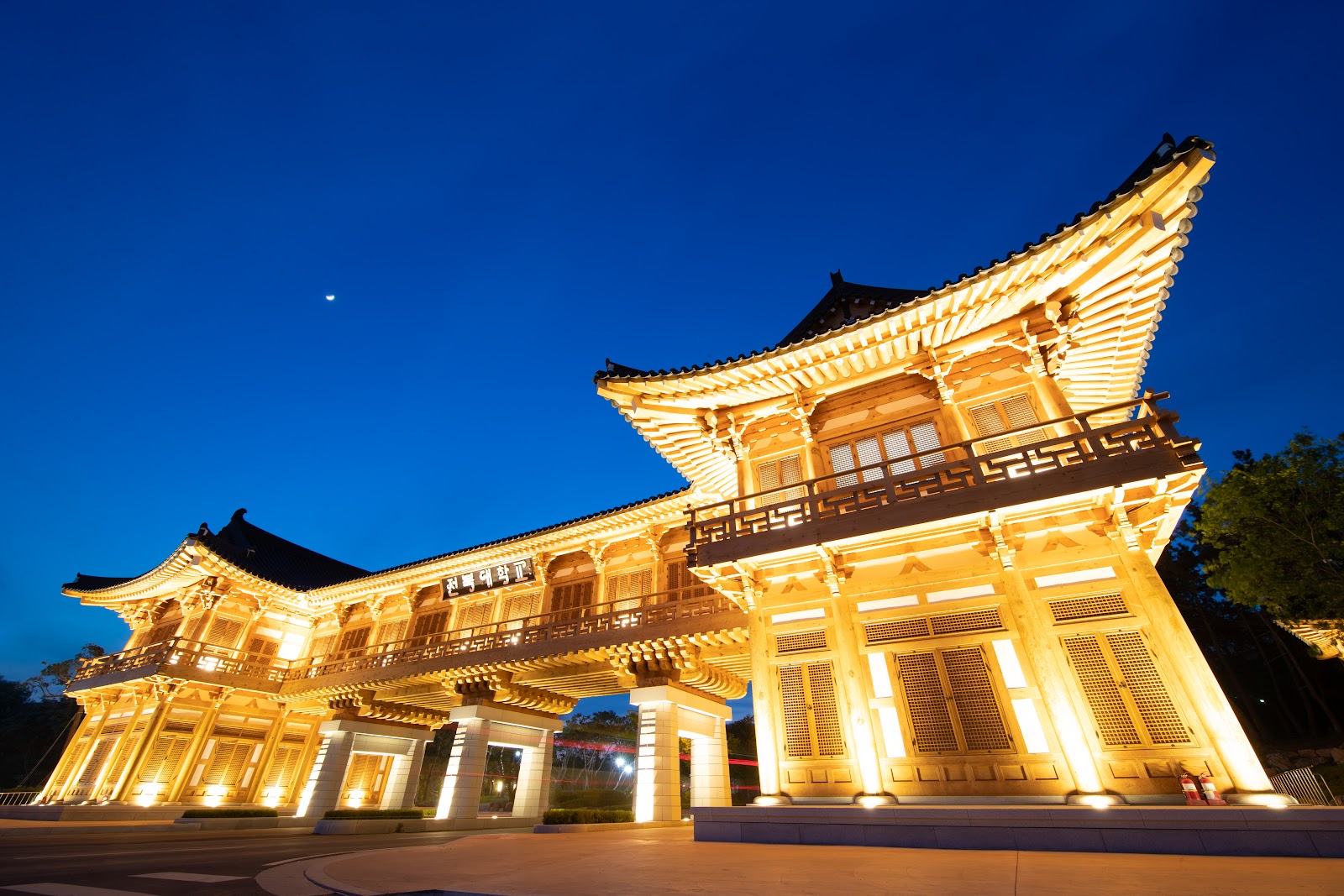
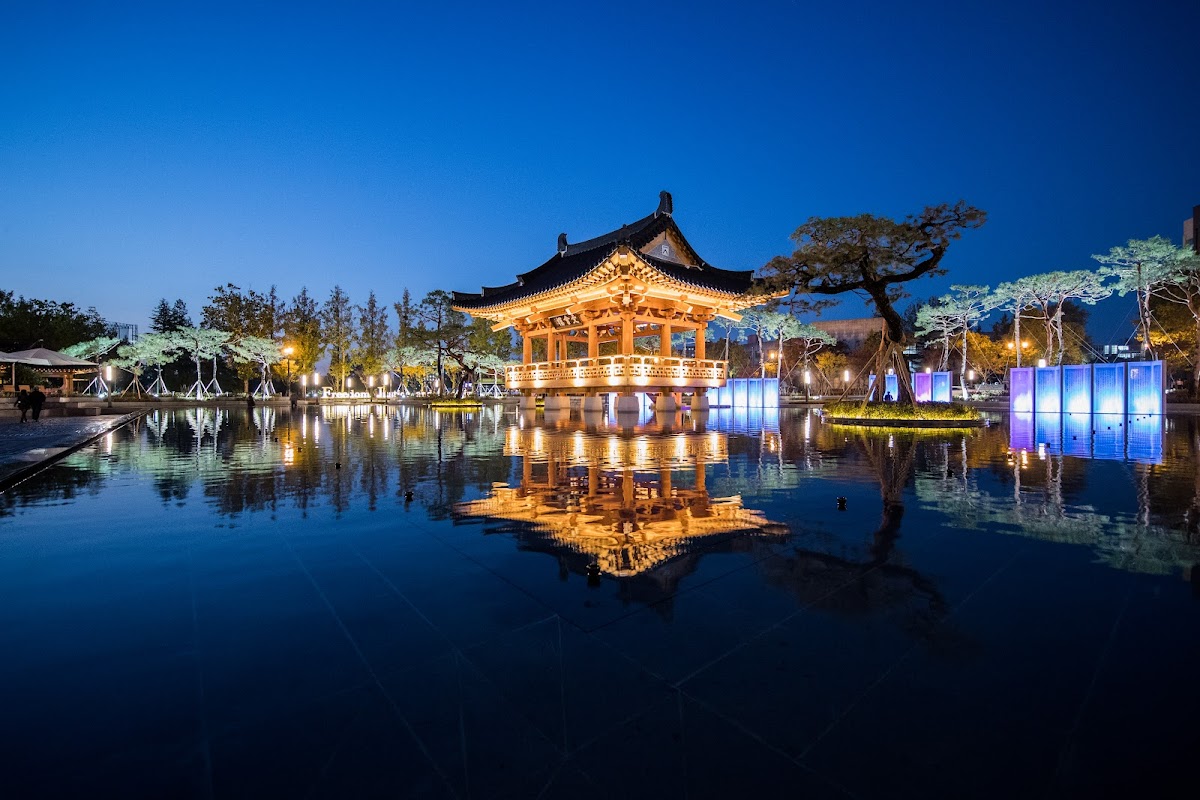
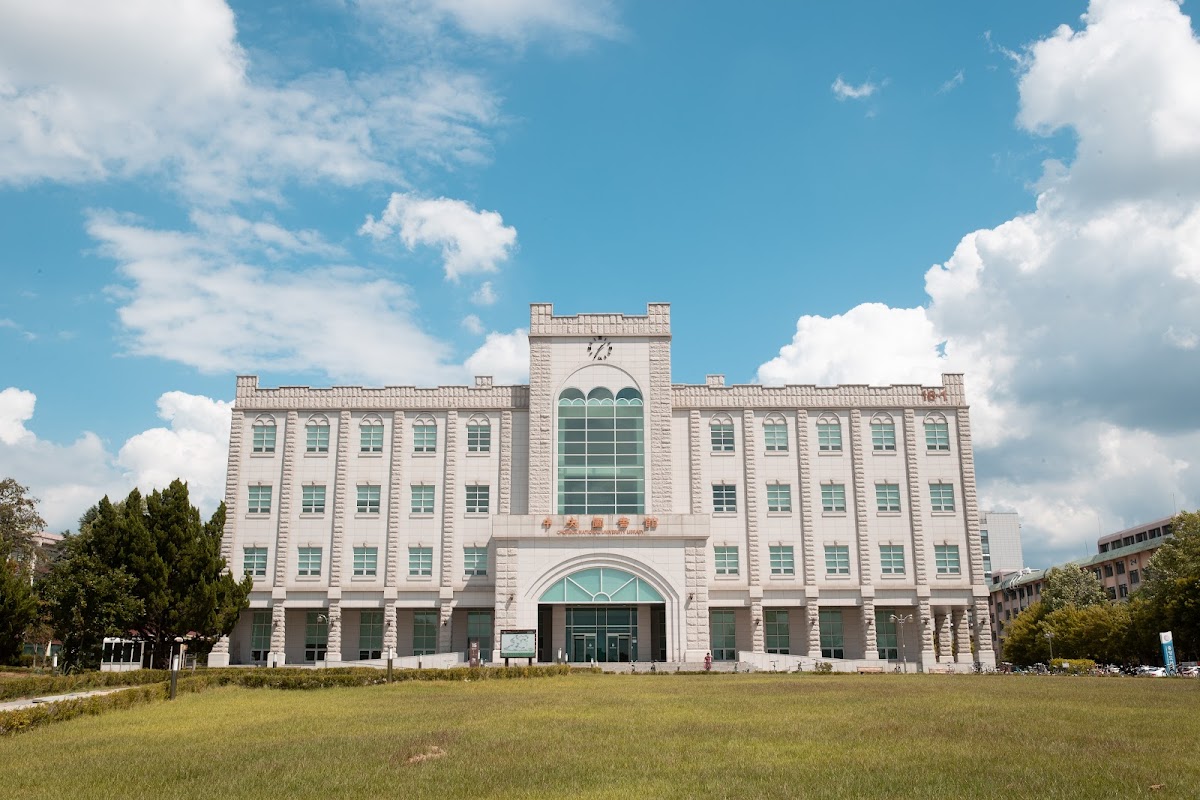
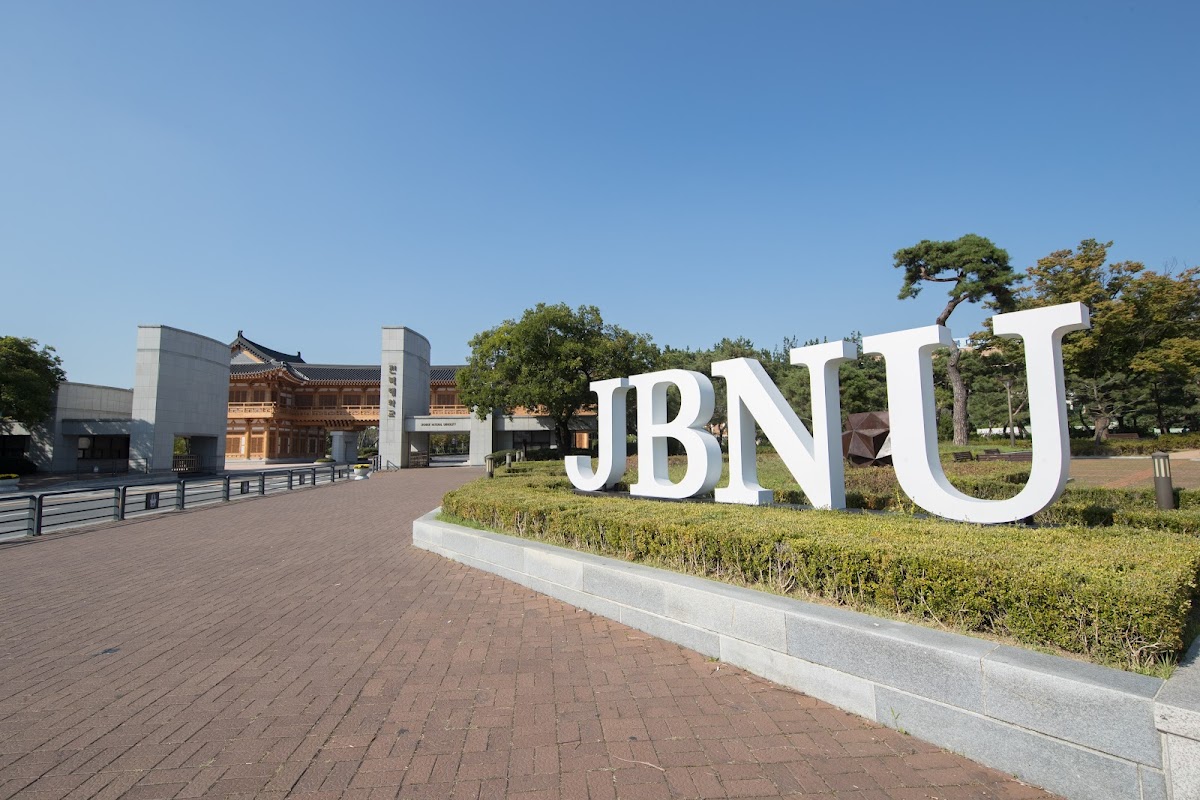
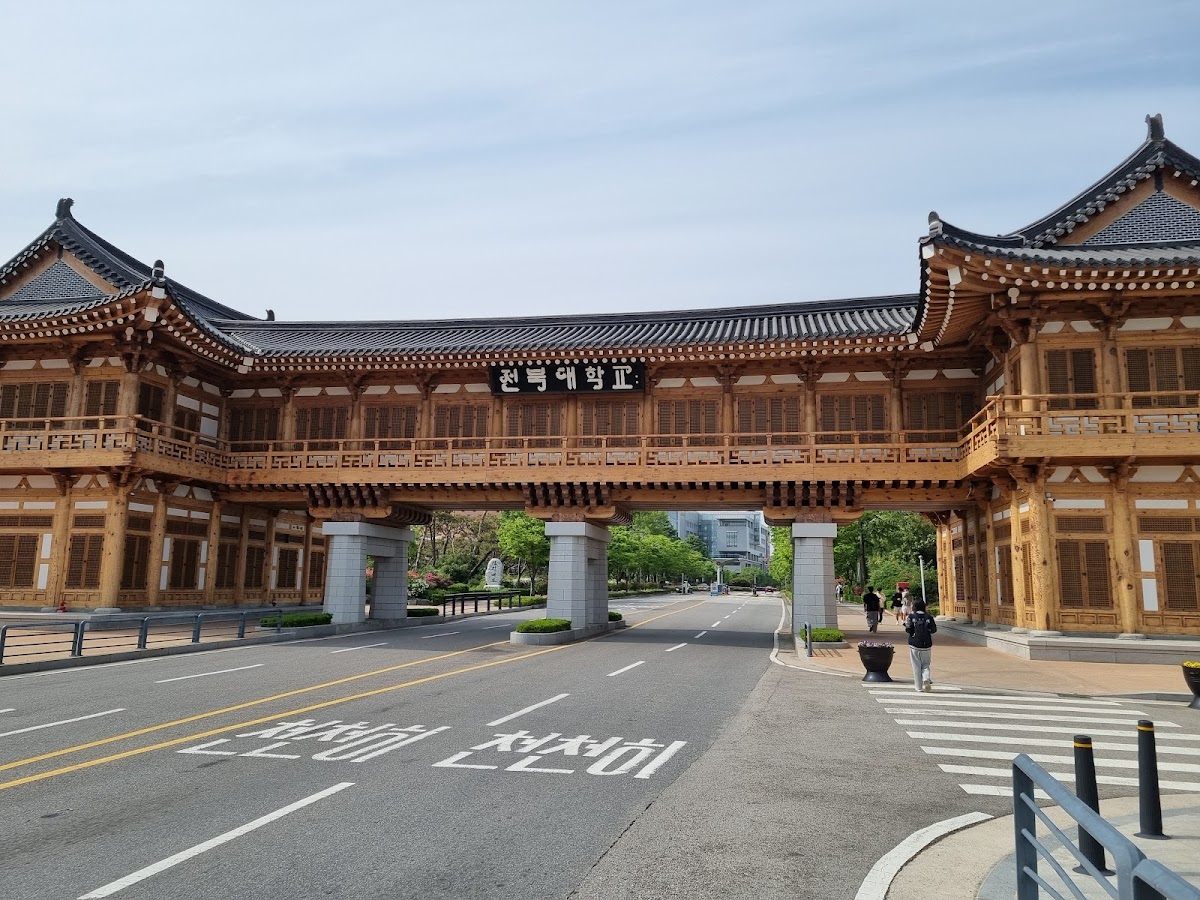
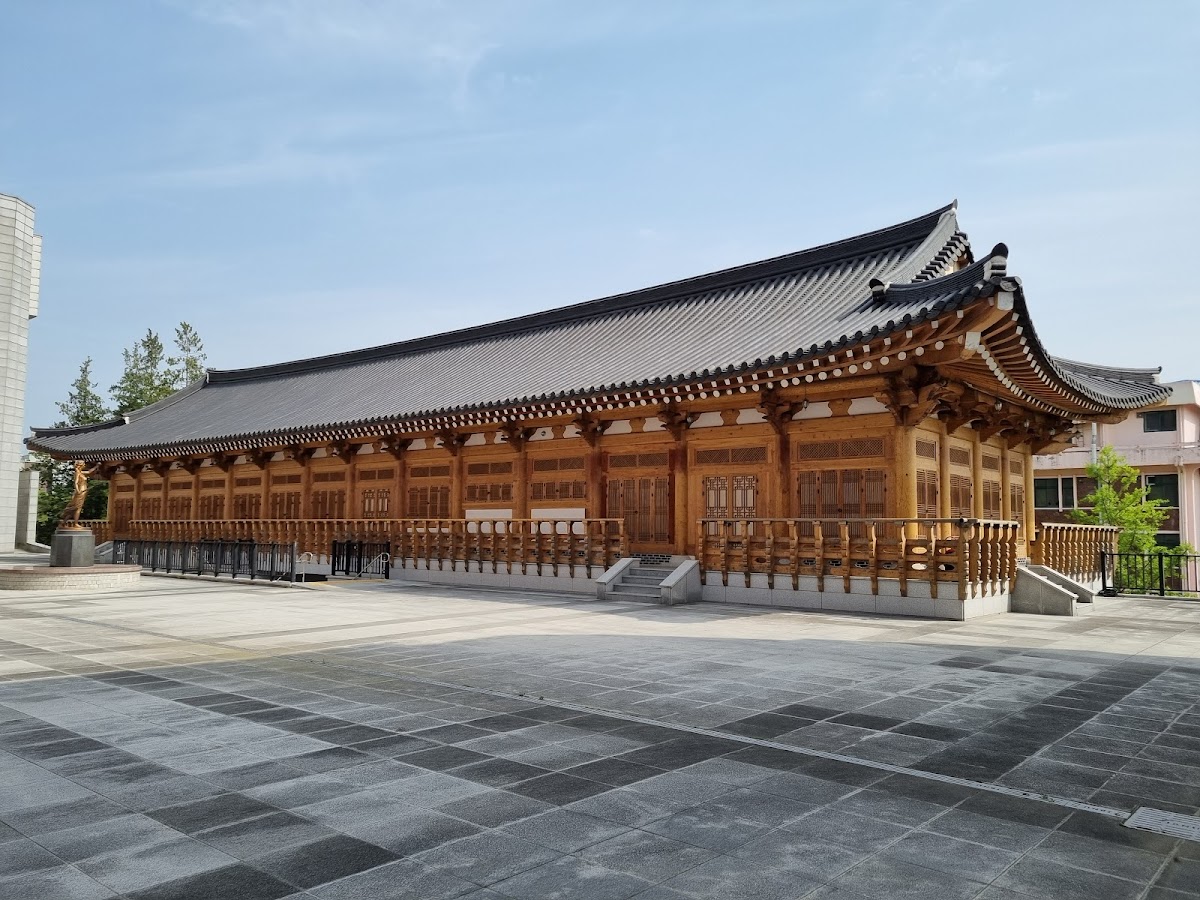
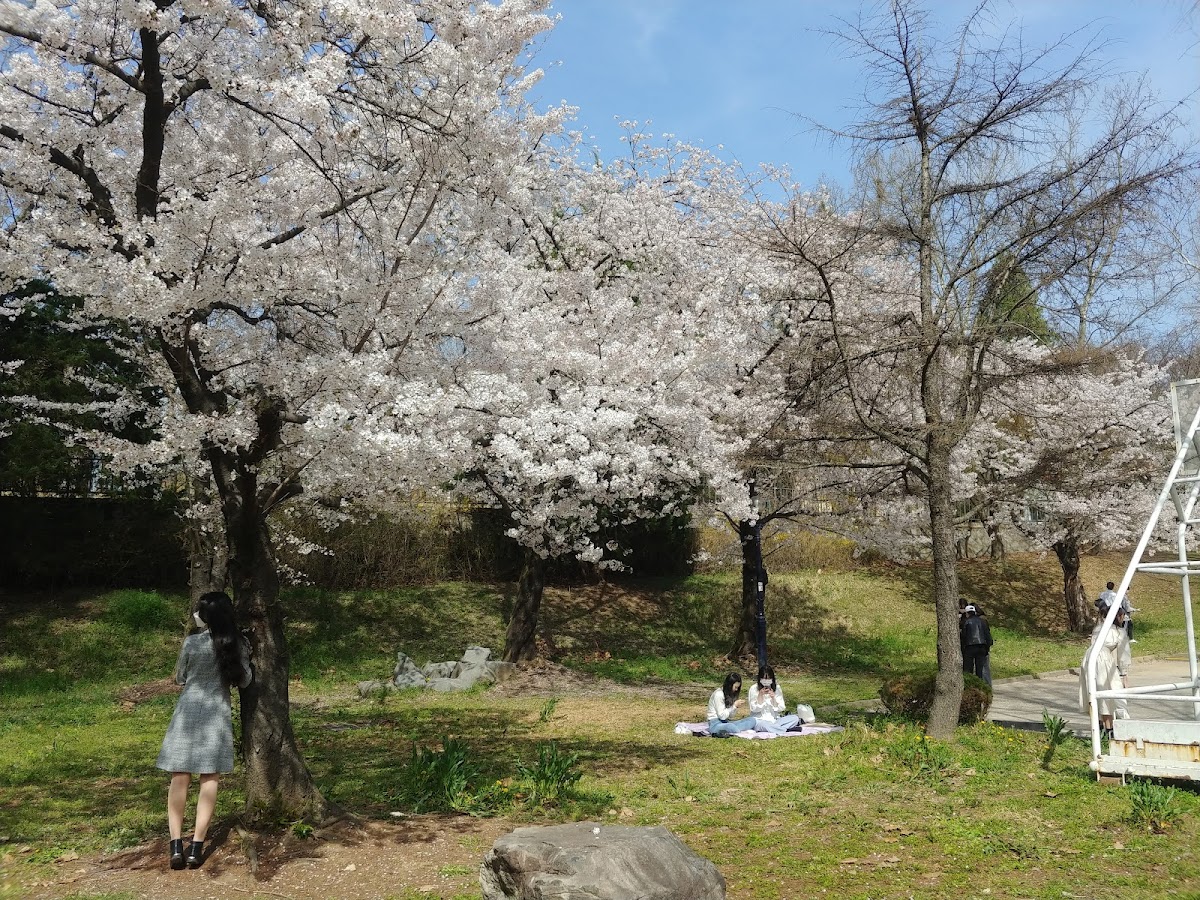
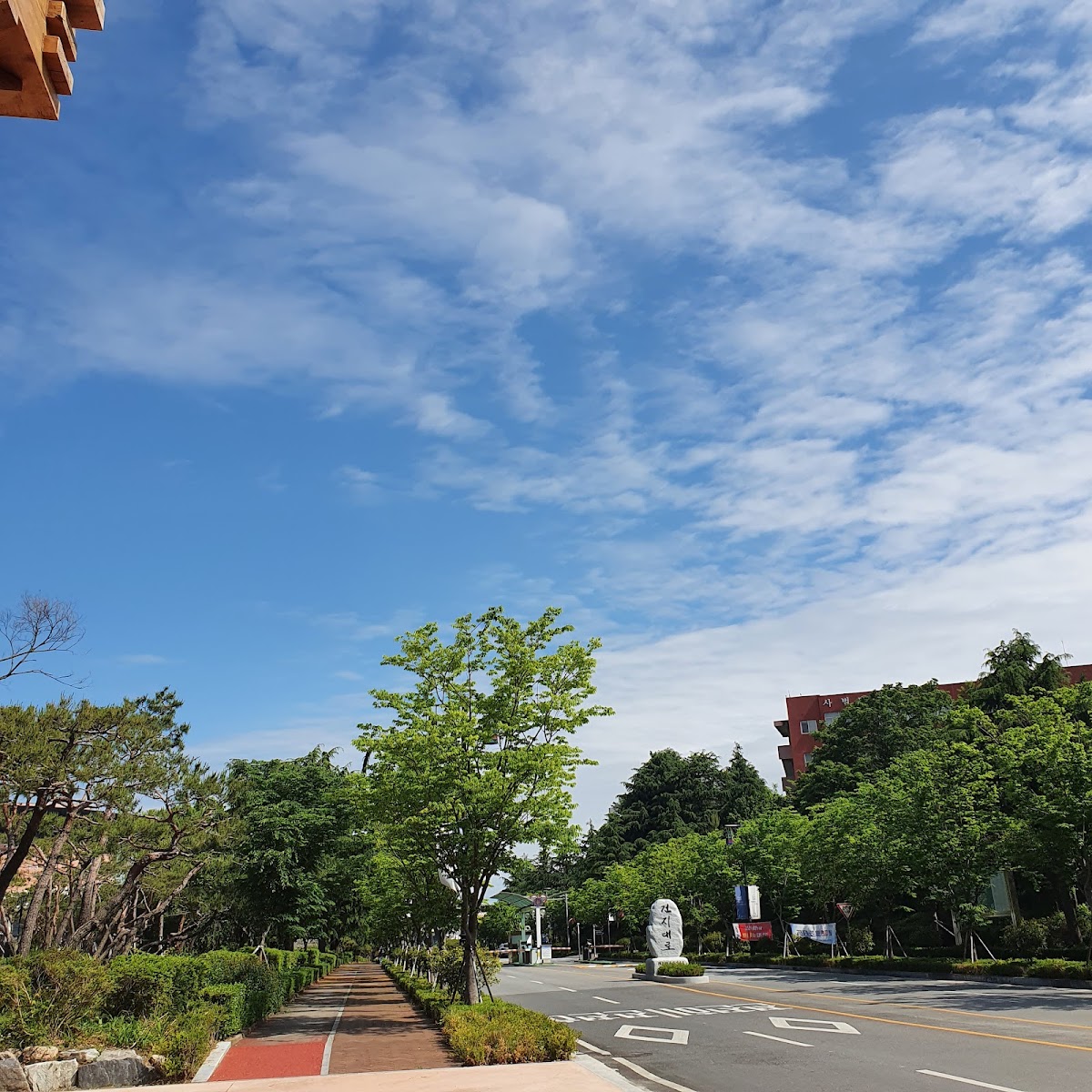
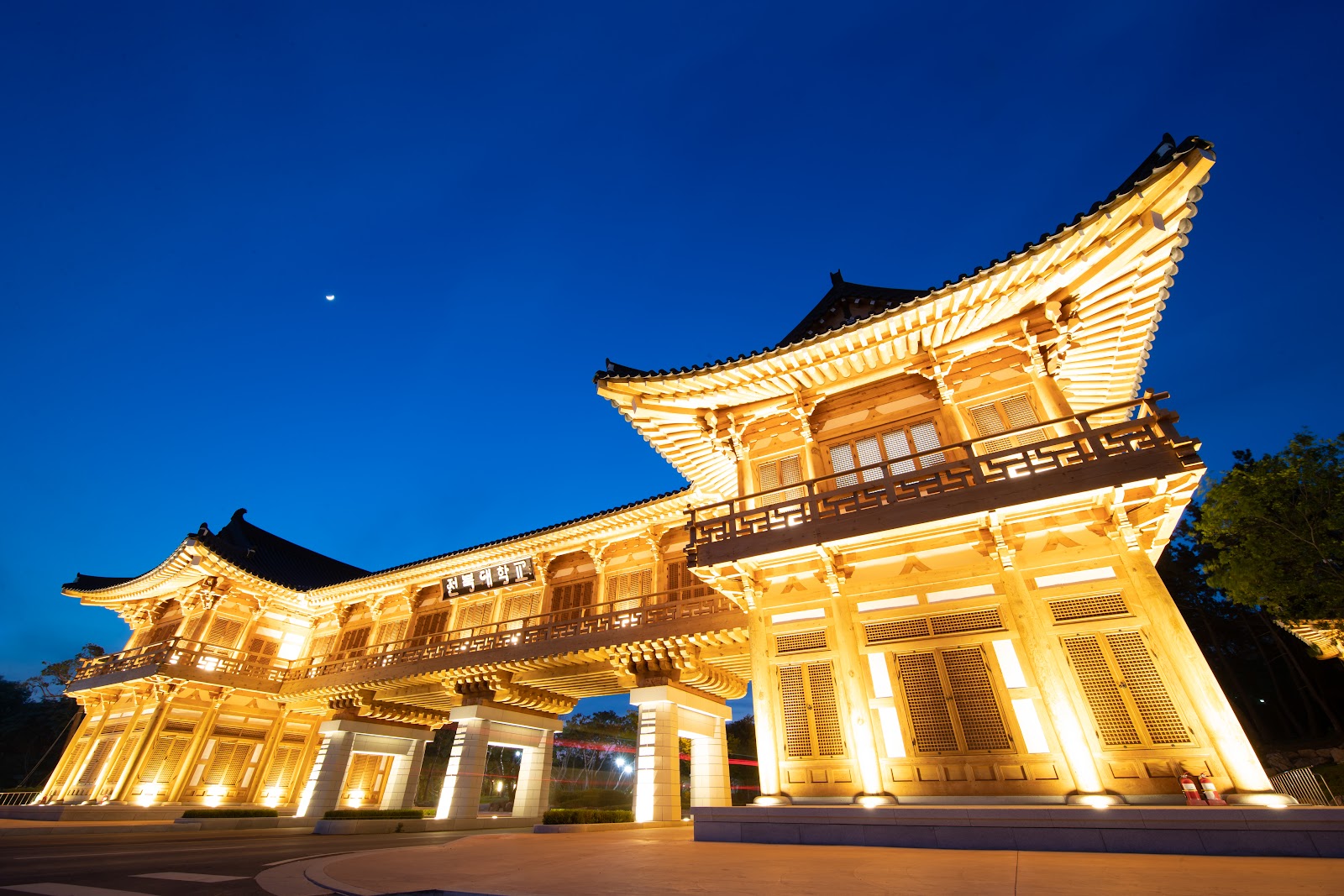
The main campus of Chonbuk National University is situated in Jeonju, a city recognized as a top tourist attraction in Asia for its blend of historical values and urban features. The campus itself is quite spacious, with a city bus running within its grounds. JBNU's campus features traditional Korean "hanok" architecture in several key buildings, offering a unique cultural experience. The university also has several specialized campuses in the surrounding areas, including Iksan, Gochang, and Saemangeum.
Career Outcomes
JBNU is dedicated to enhancing its students' career prospects through various support programs. The university's employment rate for 2019 graduates was 57.3%. Career services include a Career Competency Enhancement Program, career counseling for senior students, and support for international students to participate in job fairs. Graduates are employed in public institutions, major corporations like Samsung and Hyundai, and financial institutions. The university also fosters a startup culture, with research centers and industry collaborations, including a "Physical AI" core technology demonstration project with partners like Hyundai Motor and Naver.
Information for International Students at Chonbuk National University
Chonbuk National University in Jeonju, South Korea welcomes international students, with 5% of the student body coming from abroad.
- 5% of students are international
- Visa support available
- No on-campus work
- Student housing available (~$240000/month)
- Work placement / internship opportunities available
- Teaching languages: Korean, English
Admissions Requirements for Chonbuk National University
Here are the key admission requirements for international students applying to Chonbuk National University:
- IELTS minimum: 5.5
- TOEFL minimum: 71
- GPA minimum: 2.75
- Application fee: $70
- Application deadline: 2025-10-15
Programs at Chonbuk National University (32 programs)
Chonbuk National University offers 32 programs across Bachelor, Master, PhD levels.
Bachelor Programs (21)
- English Language and Literature (BA) — 48 months · English
Students explore the English language, its linguistic structures, and a wide range of English and American literary works, fostering critical thinking and communication skills.
Field: Humanities
Career outcomes: Teacher, Editor, Content Creator, International Relations Specialist - Civil Engineering (BSc) — 48 months · Korean · STEM
Students study the planning, design, construction, and maintenance of infrastructure projects such as roads, bridges, buildings, and water systems. The program emphasizes sustainable and resilient engineering practices.
Field: Engineering
Career outcomes: Civil engineer, Structural engineer, Urban planner, Construction manager - Electronic Engineering (BSc) — 48 months · Korean · STEM
This program focuses on the design, development, and application of electronic circuits, devices, and systems. Topics include digital signal processing, communication systems, embedded systems, and semiconductor technology.
Field: Engineering
Career outcomes: Electronics engineer, Telecommunications engineer, Hardware developer, Research and development engineer - Agricultural Biotechnology (BSc) — 48 months · Korean · STEM
Students learn about the application of biotechnology in agriculture, including genetic engineering of crops, plant breeding, and sustainable agricultural practices. The program aims to address global food security and environmental challenges.
Field: Agriculture
Career outcomes: Agricultural researcher, Plant breeder, Biotechnology specialist, Food scientist - Nursing (BSc) — 48 months · Korean
The program prepares students to become compassionate and competent registered nurses, covering patient care, health promotion, disease prevention, and healthcare management.
Field: Health Sciences
Career outcomes: Registered Nurse, Clinical Nurse Specialist, Public Health Nurse, Nurse Educator - Law (BA) — 48 months · Korean
Students gain a comprehensive understanding of legal systems, theories, and practices, preparing them for careers in law, public service, and various legal-related fields.
Field: Law
Career outcomes: Lawyer, Judge, Prosecutor, Legal Consultant - Veterinary Medicine (DVM) — 72 months · Korean · STEM
This professional program provides comprehensive training in animal health, disease diagnosis, treatment, and prevention. Students gain expertise in clinical practice, public health, and veterinary research.
Field: Veterinary Medicine
Career outcomes: Veterinarian, Veterinary researcher, Public health official, Animal welfare specialist - Environmental Engineering (BSc) — 48 months · Korean · STEM
This program addresses environmental challenges through engineering solutions, focusing on water and wastewater treatment, air pollution control, waste management, and sustainable resource utilization. Students learn to design and implement eco-friendly systems.
Field: Engineering
Career outcomes: Environmental engineer, Environmental consultant, Waste management specialist, Water quality engineer - Biomedical Engineering (BSc) — 48 months · Korean · STEM
This interdisciplinary program combines engineering principles with biological and medical sciences to develop innovative solutions for healthcare. Students learn about medical imaging, prosthetics, bio-instrumentation, and tissue engineering.
Field: Engineering
Career outcomes: Biomedical engineer, Medical device developer, Clinical engineer, Research scientist - Architecture (BA) — 60 months · Korean
This program focuses on the art and science of designing buildings and other physical structures, integrating aesthetics, functionality, and sustainability principles.
Field: Architecture
Career outcomes: Architect, Urban Planner, Interior Designer, Construction Manager - Materials Science and Engineering (BSc) — 48 months · Korean · STEM
Students explore the fundamental properties, processing, and applications of various materials, including metals, ceramics, polymers, and composites. The program focuses on developing new materials for advanced technologies.
Field: Engineering
Career outcomes: Materials engineer, Research scientist, Process engineer, Quality control engineer - Architecture (BA) — 60 months · Korean
This program focuses on the art and science of designing buildings and other physical structures, integrating aesthetics, functionality, and sustainability principles.
Field: Architecture
Career outcomes: Architect, Urban Planner, Interior Designer, Construction Manager - Materials Science and Engineering (BSc) — 48 months · Korean · STEM
Students explore the fundamental properties, processing, and applications of various materials, including metals, ceramics, polymers, and composites. The program focuses on developing new materials for advanced technologies.
Field: Engineering
Career outcomes: Materials engineer, Research scientist, Process engineer, Quality control engineer - Korean Language and Literature (BA) — 48 months · Korean
This program focuses on the in-depth study of the Korean language, its history, grammar, and various forms of Korean literature, from classical to contemporary works.
Field: Humanities
Career outcomes: Educator, Writer, Journalist, Translator - Biotechnology (BSc) — 48 months · Korean · STEM
This program integrates biology and technology to develop innovative solutions in areas such as medicine, agriculture, and environmental science, focusing on genetic engineering and bioprocessing.
Field: Life Sciences
Career outcomes: Biotechnologist, Research Scientist, Pharmaceutical Scientist, Quality Control Specialist - Bachelor of Fine Arts in Painting (BA) — 48 months · Korean
Students develop their artistic skills and creative expression through various painting techniques, art history, and critical analysis, fostering a unique artistic voice.
Field: Arts
Career outcomes: Artist, Art Educator, Gallery Assistant, Illustrator - Computer Science and Engineering (BSc) — 48 months · Korean · STEM
Students learn fundamental theories and practical skills in computer science, including programming, algorithms, data structures, and software development, with a focus on engineering applications.
Field: Engineering
Career outcomes: Software Developer, Data Scientist, Network Engineer, AI Engineer - Electrical Engineering (BSc) — 48 months · Korean · STEM
Students gain expertise in electrical circuits, electronics, power systems, control systems, and telecommunications, preparing them for careers in various high-tech industries.
Field: Engineering
Career outcomes: Electrical Engineer, Electronics Engineer, Power Systems Engineer, Control Systems Engineer - Business Administration (BSc) — 48 months · Korean
This program provides a comprehensive understanding of business principles, including management, marketing, finance, and accounting, preparing students for various roles in the corporate world.
Field: Business
Career outcomes: Business Manager, Marketing Specialist, Financial Analyst, Entrepreneur - Mechanical Engineering (BSc) — 48 months · Korean · STEM
This program covers the design, analysis, manufacturing, and maintenance of mechanical systems, equipping students with skills in areas like robotics, automotive engineering, and energy systems.
Field: Engineering
Career outcomes: Mechanical Engineer, Design Engineer, Manufacturing Engineer, Research and Development Engineer - Bachelor of Science in Food Science and Biotechnology (BSc) — 48 months · Korean · STEM
This program combines food science with biotechnology, focusing on food processing, safety, nutrition, and the application of biotechnological principles to food production and improvement.
Field: Agriculture
Career outcomes: Food Scientist, Quality Assurance Manager, Product Developer, Food Safety Specialist
Master Programs (6)
- Master of Science in Computer Science (MSc) — 24 months · Korean · STEM
This program offers advanced study in theoretical and applied computer science, including areas like artificial intelligence, machine learning, cybersecurity, and advanced software engineering.
Field: Engineering
Career outcomes: AI Researcher, Software Architect, Data Scientist, Cybersecurity Analyst - Master of Arts in English Language and Literature (MA) — 24 months · English
This program provides advanced study in English linguistics, literary theory, and specific periods or genres of English literature. Students conduct in-depth research and develop sophisticated analytical and critical skills.
Field: Humanities
Career outcomes: University lecturer, Researcher, Editor, Curriculum developer - Master of Arts in Korean Language Education (MA) — 24 months · Korean
This program is designed for individuals who wish to become experts in teaching Korean as a foreign language, covering pedagogical theories, curriculum development, and teaching methodologies.
Field: Education
Career outcomes: Korean Language Teacher, Curriculum Developer, Language Program Coordinator, Educational Researcher - Master of Business Administration (MBA) (MBA) — 24 months · Korean
This program provides advanced knowledge and skills in various aspects of business management, leadership, and strategic decision-making, preparing graduates for executive roles.
Field: Business
Career outcomes: Senior Manager, Consultant, Director, Entrepreneur - Master of Science in Civil Engineering (MSc) — 24 months · Korean · STEM
This program provides advanced knowledge in civil engineering disciplines such as structural engineering, geotechnical engineering, water resources engineering, and transportation engineering.
Field: Engineering
Career outcomes: Civil Engineer, Project Manager, Structural Analyst, Urban Infrastructure Planner - Master of Arts in Public Administration (MA) — 24 months · Korean
This program prepares students for leadership and management roles in public service, focusing on policy analysis, public finance, organizational behavior, and ethical governance.
Field: Social Sciences
Career outcomes: Government Official, Policy Analyst, Non-profit Manager, Public Sector Consultant
PhD Programs (5)
- PhD in Agricultural Biotechnology (PhD) — 36 months · Korean · STEM
This program focuses on cutting-edge research in agricultural biotechnology, including genetic modification for crop improvement, molecular breeding, and bio-resource utilization. Students conduct independent research to advance the field.
Field: Agriculture
Career outcomes: Agricultural research scientist, Biotechnology R&D specialist, University professor, Policy advisor - PhD in Agricultural Biotechnology (PhD) — 36 months · Korean · STEM
This program focuses on cutting-edge research in agricultural biotechnology, including genetic modification for crop improvement, molecular breeding, and bio-resource utilization. Students conduct independent research to advance the field.
Field: Agriculture
Career outcomes: Agricultural research scientist, Biotechnology R&D specialist, University professor, Policy advisor - PhD in Biotechnology (PhD) — 36 months · Korean · STEM
This program focuses on cutting-edge research in biotechnology, allowing students to specialize in areas such as genetic engineering, biopharmaceuticals, and environmental biotechnology.
Field: Life Sciences
Career outcomes: Biotechnology Researcher, Academic Professor, Drug Development Scientist, Biotech Company R&D Lead - PhD in Materials Science and Engineering (PhD) — 36 months · Korean · STEM
This doctoral program involves advanced research into the properties, processing, and applications of various materials, including metals, ceramics, polymers, and composites.
Field: Engineering
Career outcomes: Materials Scientist, Research Engineer, University Professor, Product Development Specialist - PhD in Mechanical Engineering (PhD) — 36 months · Korean · STEM
This doctoral program involves in-depth research and advanced study in specialized areas of mechanical engineering, contributing to new knowledge and technological advancements.
Field: Engineering
Career outcomes: University Professor, Research Scientist, Senior Engineer, R&D Manager
Scholarships & Tuition at Chonbuk National University
Annual tuition for international students: $2,000 – $6,500/year
✅ Chonbuk National University offers scholarships for international students. Check the official website for eligibility, amounts, and deadlines.
Campus & Facilities at Chonbuk National University
- Student housing available
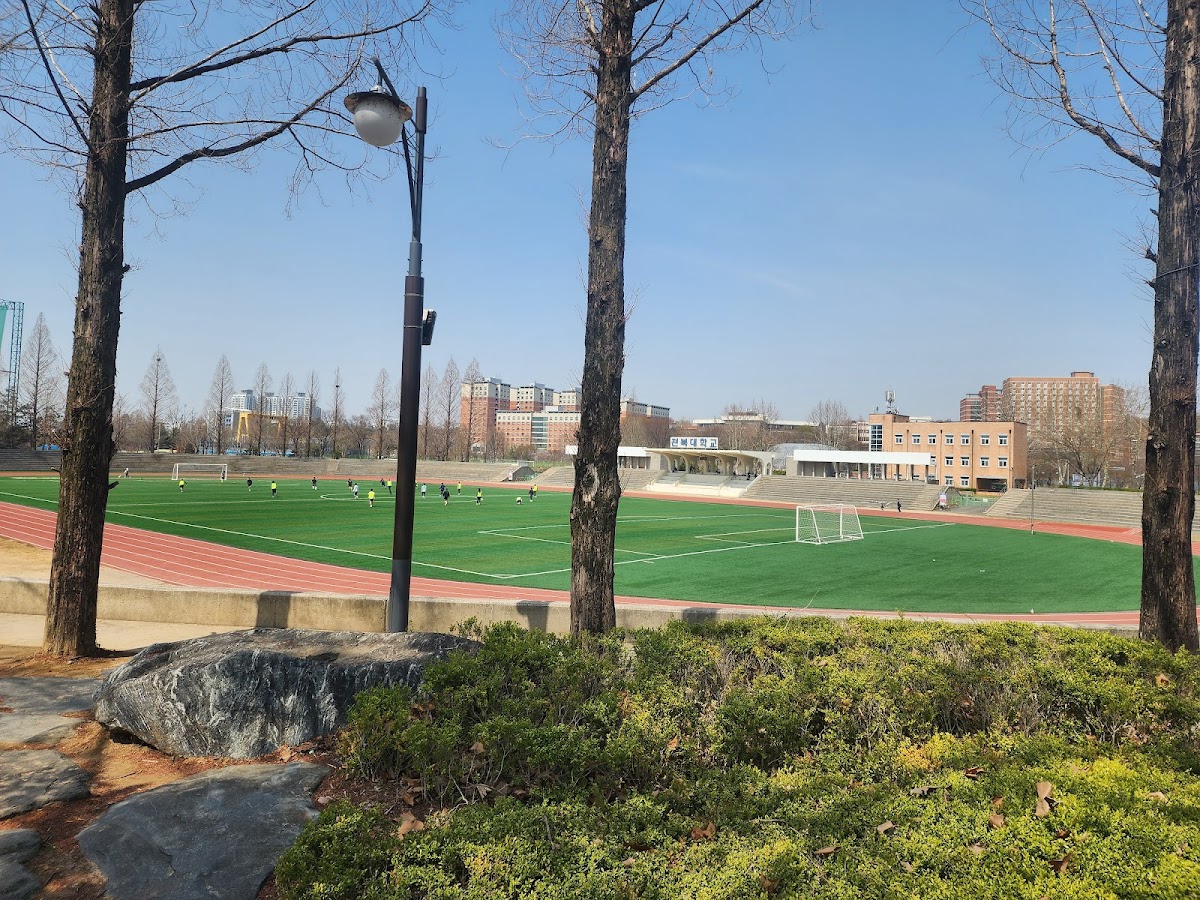
- Sports facilities available
- Disability support available
- Campus type: Multiple Campuses
- Housing cost: ~$240000/month
Key Highlights
- Flagship national university
- Comprehensive academic programs
- Strong research institution
- International student support
- Located in historic Jeonju
Fields of Study at Chonbuk National University
- Agriculture
- Law
- Engineering
- Medicine
- Veterinary Medicine
Notable Alumni
- Song Jin-woo
- Kim Sa-bok
- Jung Jae-eun
- Han Yong-sup
- Kim Dong-yeon
Frequently Asked Questions about Chonbuk National University
What is Chonbuk National University?
Chonbuk National University is a public university located in Jeonju, South Korea. It has approximately 21,758 students, with 5% being international students.
How much does it cost to study at Chonbuk National University?
Tuition fees at Chonbuk National University for international students range from $2,000 – $6,500/year. Student housing costs approximately $240000/month. Scholarships are available for international students.
What are the admission requirements for Chonbuk National University?
IELTS minimum: 5.5. TOEFL minimum: 71. GPA minimum: 2.75. Application fee: $70. Application deadline: 2025-10-15.
What language are courses taught in at Chonbuk National University?
Courses at Chonbuk National University are taught in Korean and English. International students need a minimum IELTS score of 5.5.
How many programs does Chonbuk National University offer?
Chonbuk National University offers 32 programs: 21 Bachelor's, 6 Master's, and 5 PhD programs across various fields of study.
Does Chonbuk National University offer scholarships?
Yes, Chonbuk National University offers scholarships for international students. Visit the university's official financial aid page for current opportunities, eligibility criteria, and deadlines.
Does Chonbuk National University provide visa support?
Yes, Chonbuk National University provides visa support for international students. Student housing is also available.
Apply to Chonbuk National University with Abroadly
Use Abroadly's AI-powered platform to manage your application to Chonbuk National University. Get matched to programs, track deadlines, and organize documents — all in one place.