Daegu Gyeongbuk Institute of Science and Technology (DGIST)
Converging Minds, Pioneering Futures.
📍 Daegu, South Korea 🇰🇷
🏆 #9 in South Korea · QS World #370 · THE World #351 · ARWU #600
Quick Facts about Daegu Gyeongbuk Institute of Science and Technology (DGIST)
- Type: Public
- Students: 2,091
- International: 4%
- Campus: Urban
- Tuition: $13,000 – $18,000/year
- Language: English
- Student-Faculty Ratio: 17.84:1
- Intakes: Fall, Spring
About Daegu Gyeongbuk Institute of Science and Technology (DGIST)
Academics
DGIST offers a unique academic structure where undergraduate students are not required to declare a major upon admission, allowing them to explore various scientific and engineering disciplines. The university's graduate school offers six degree courses: Emerging Materials Science, Information and Communication Engineering, Robotics Engineering, Energy Systems Engineering, Brain and Cognitive Sciences, and New Biology, all taught in English. DGIST emphasizes a convergence education model, fostering interdisciplinary research and learning across its programs.
International Students
DGIST actively supports international students with comprehensive scholarship programs that often cover tuition, living allowances, and subsidized on-campus housing. All graduate courses and research activities are delivered in English, and the university provides Korean language training to aid cultural integration. The Global Lounge and International Affairs team offer guidance and assistance for campus life and personal issues, including translation services. DGIST has a diverse international community, with approximately 10% of its student body comprising international students.
Campus & Location
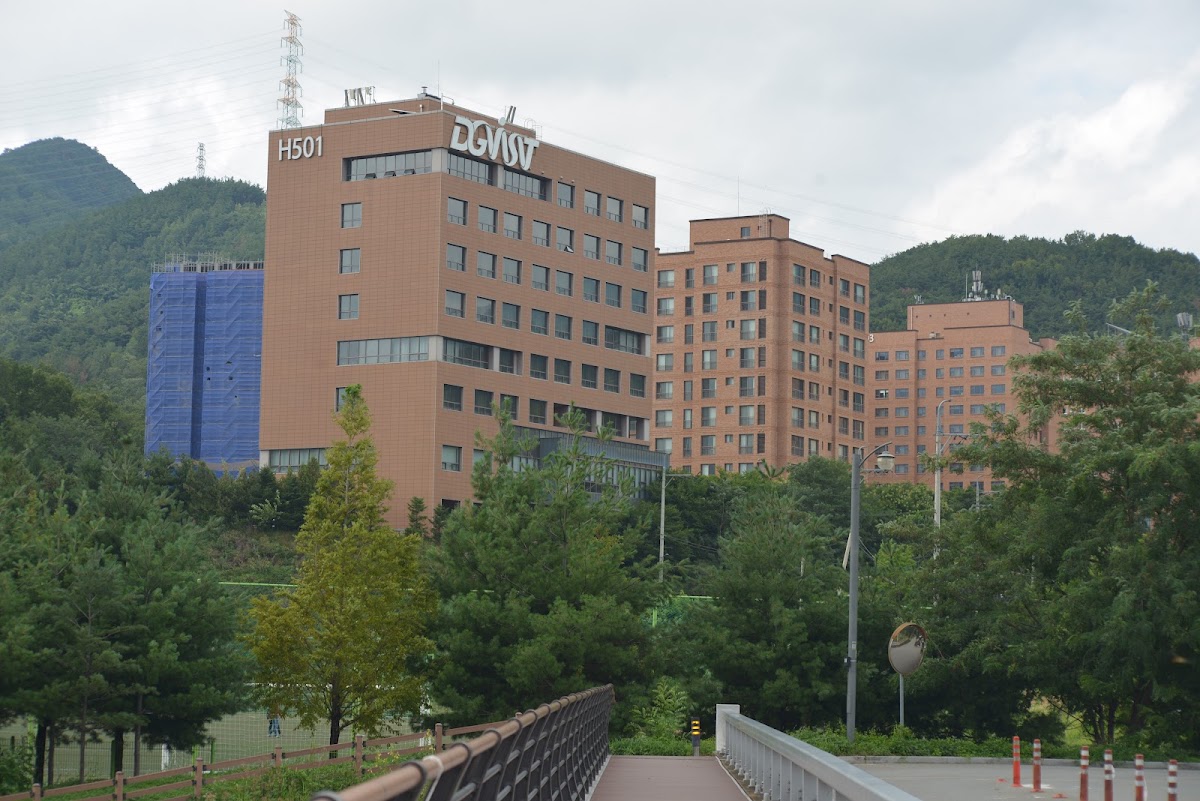
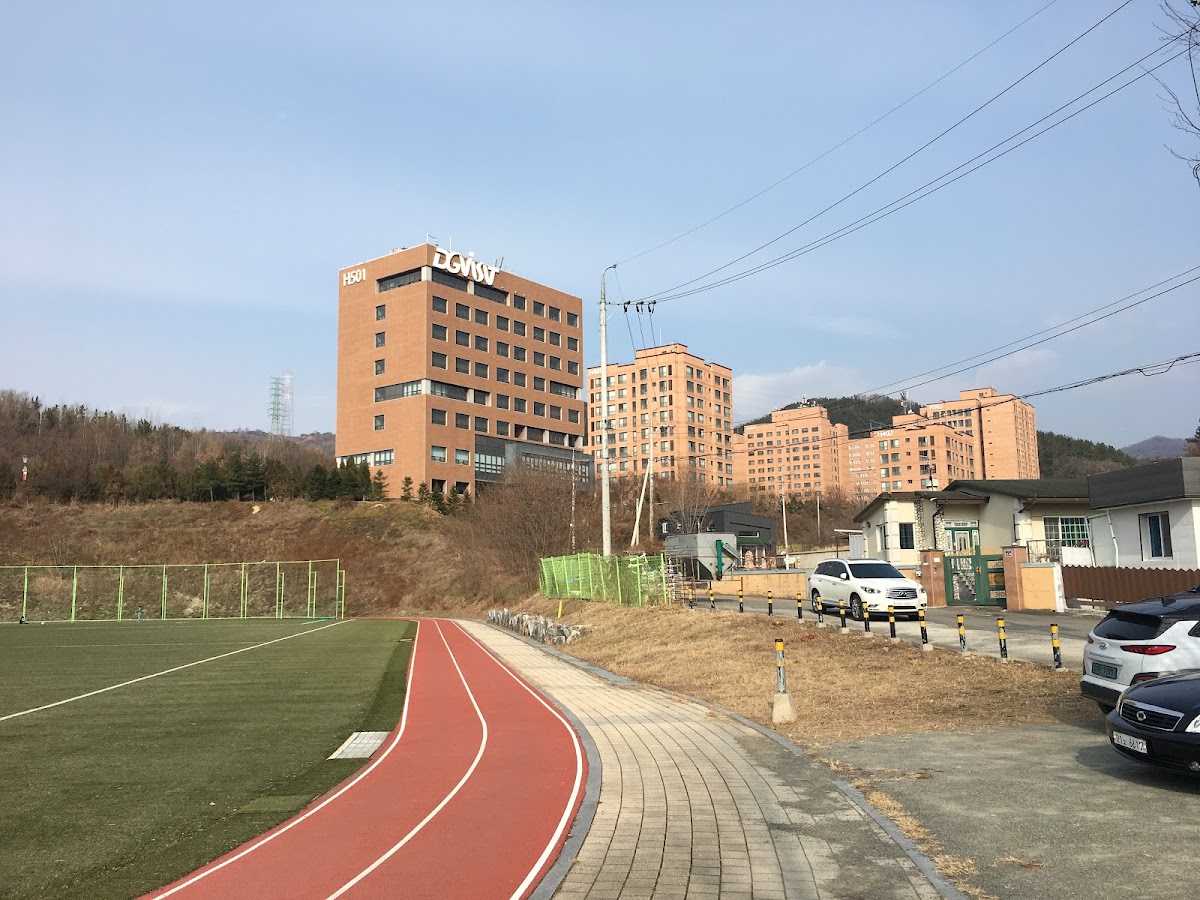
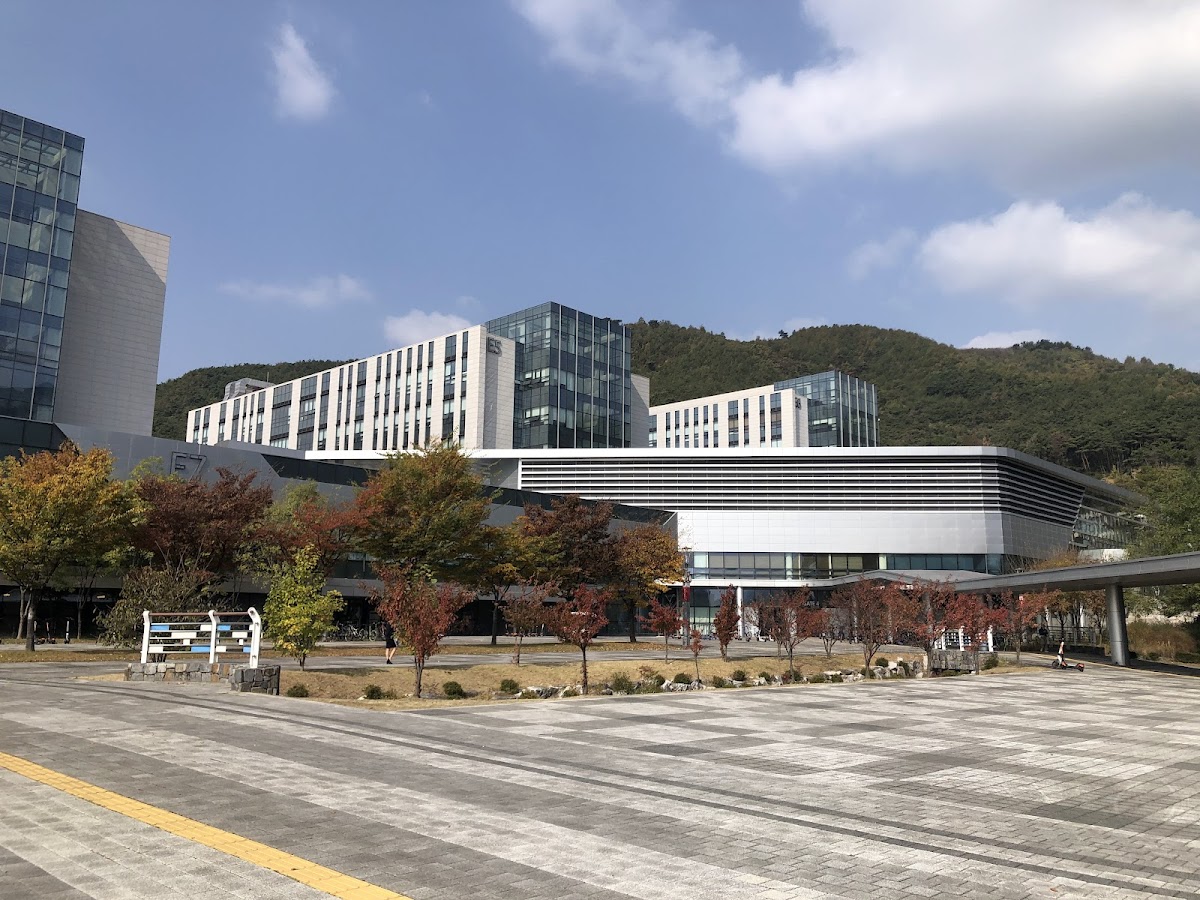
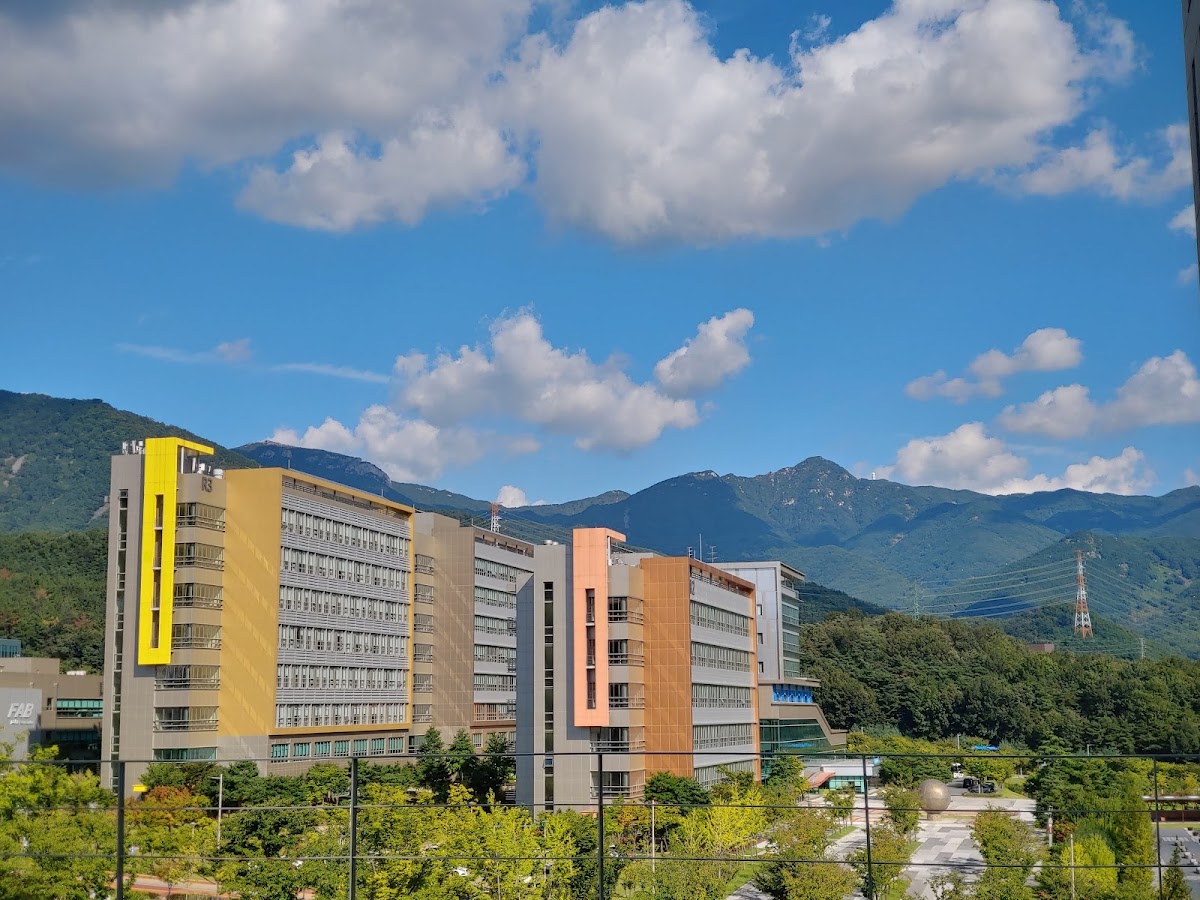
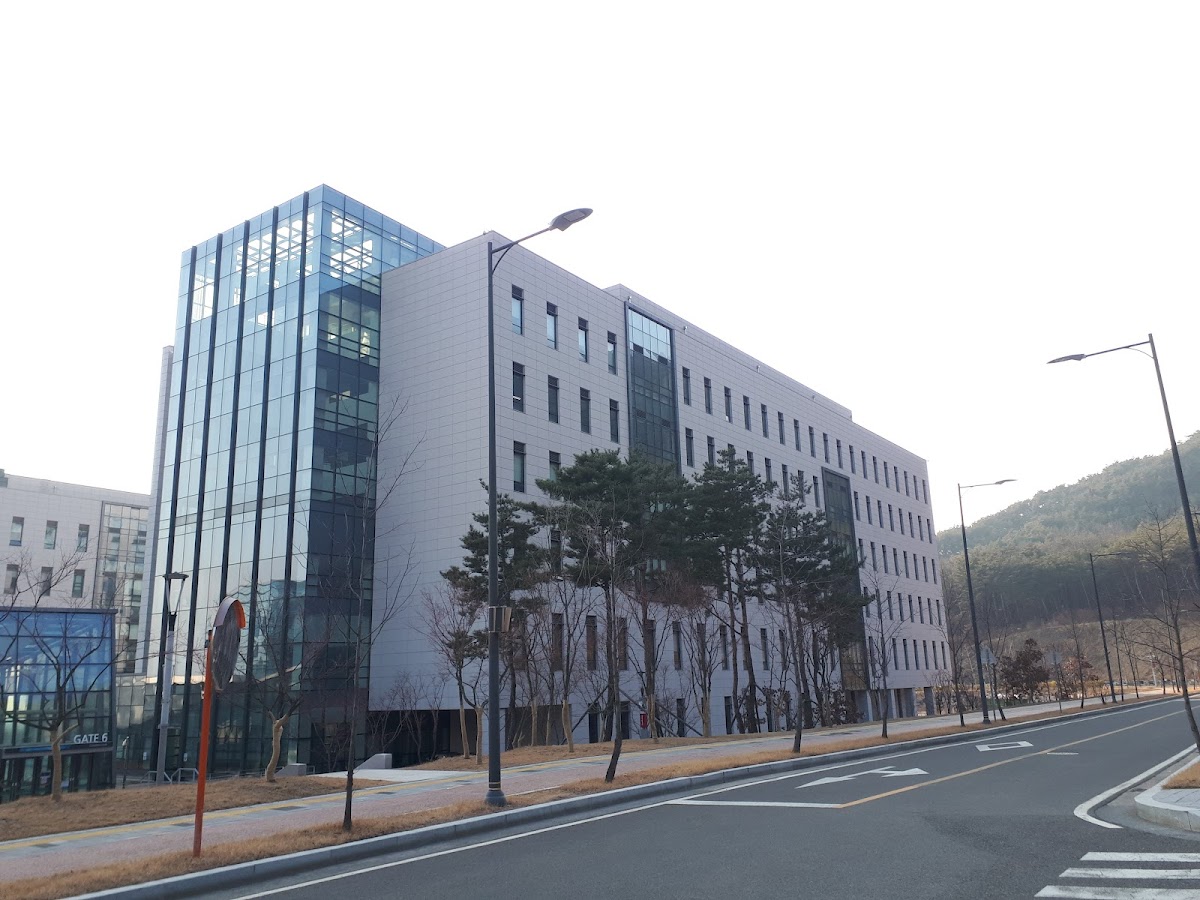
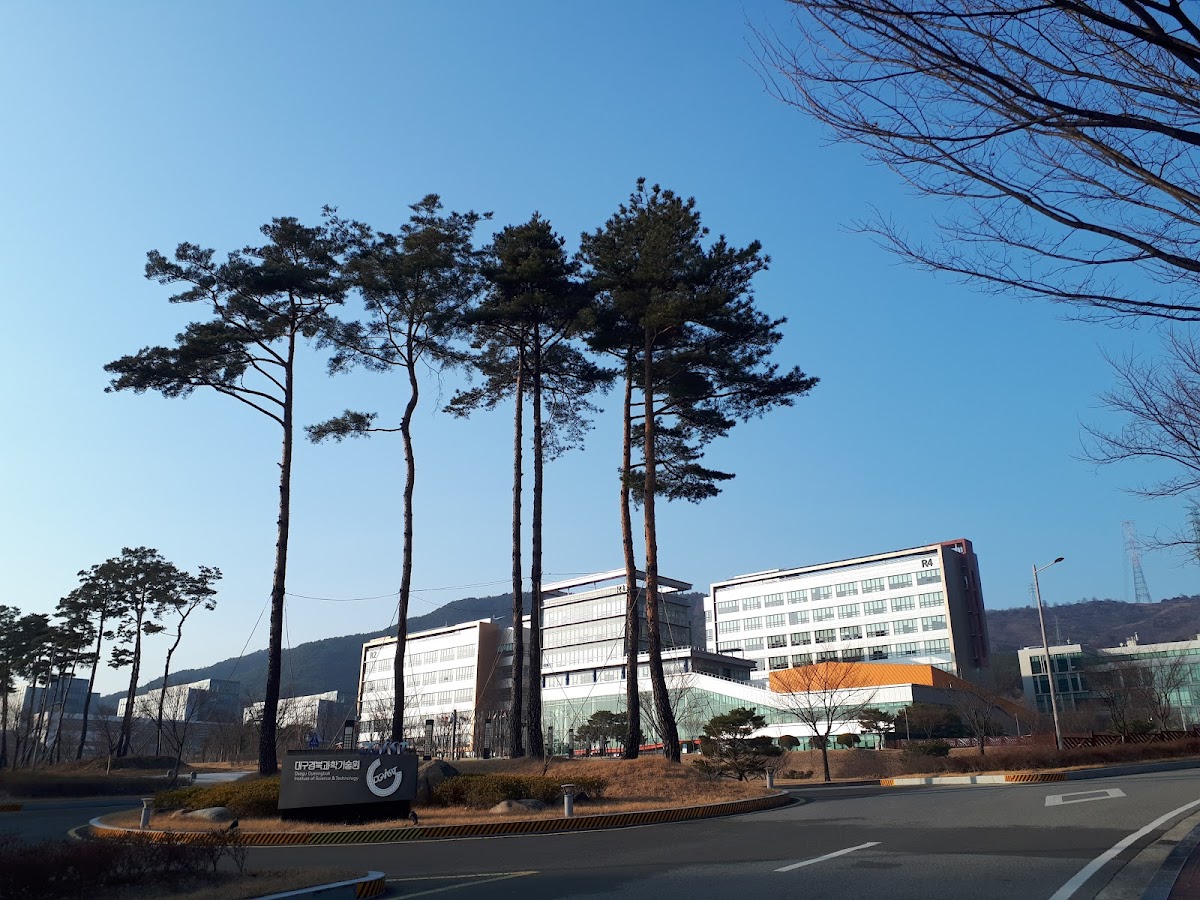
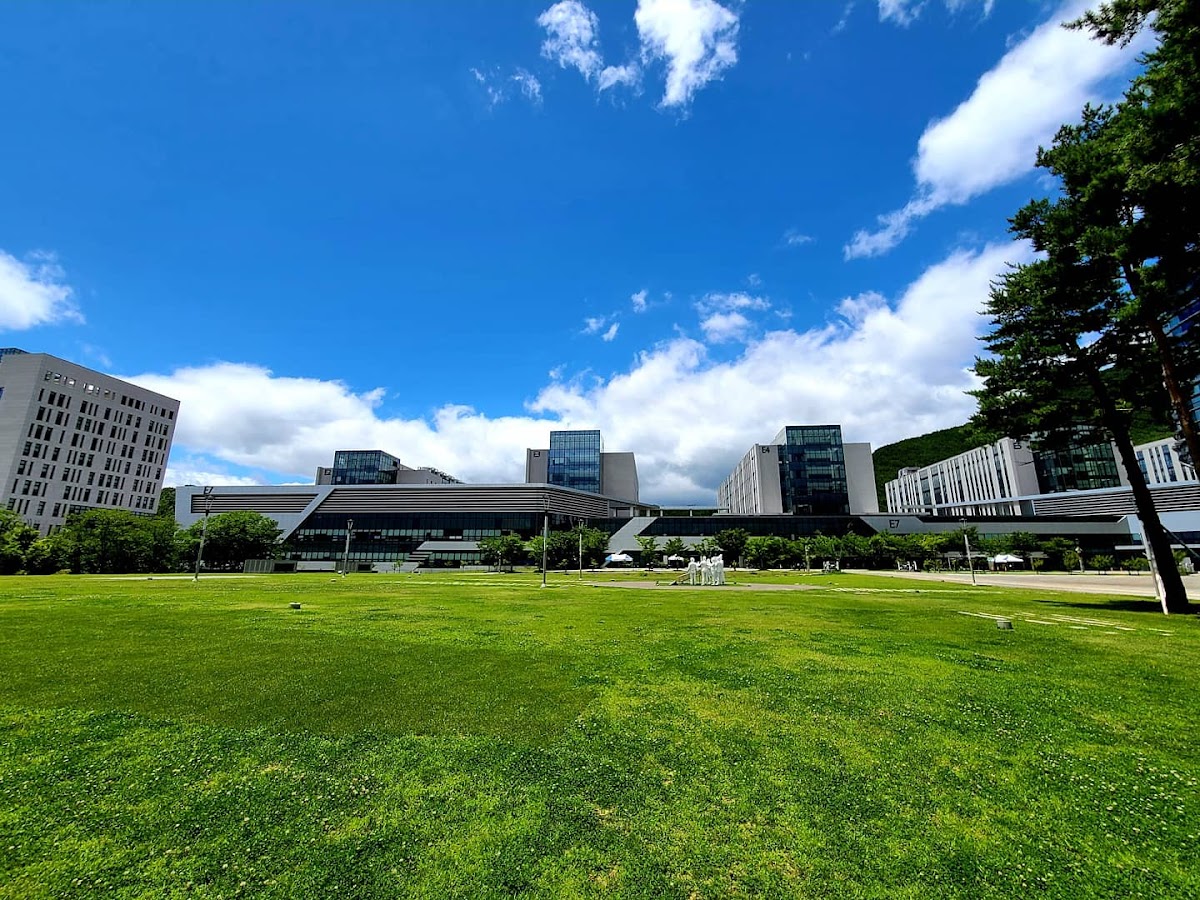
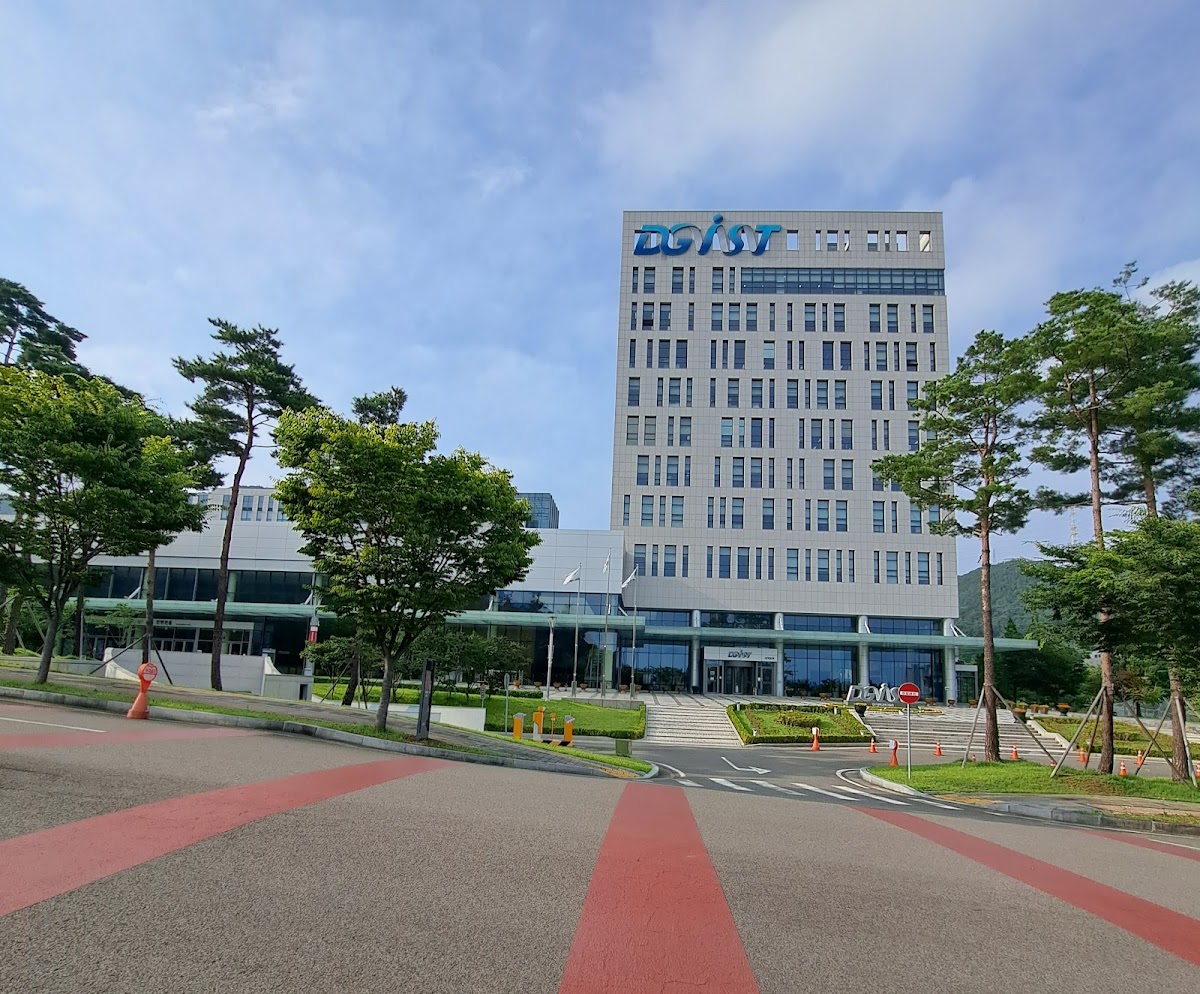
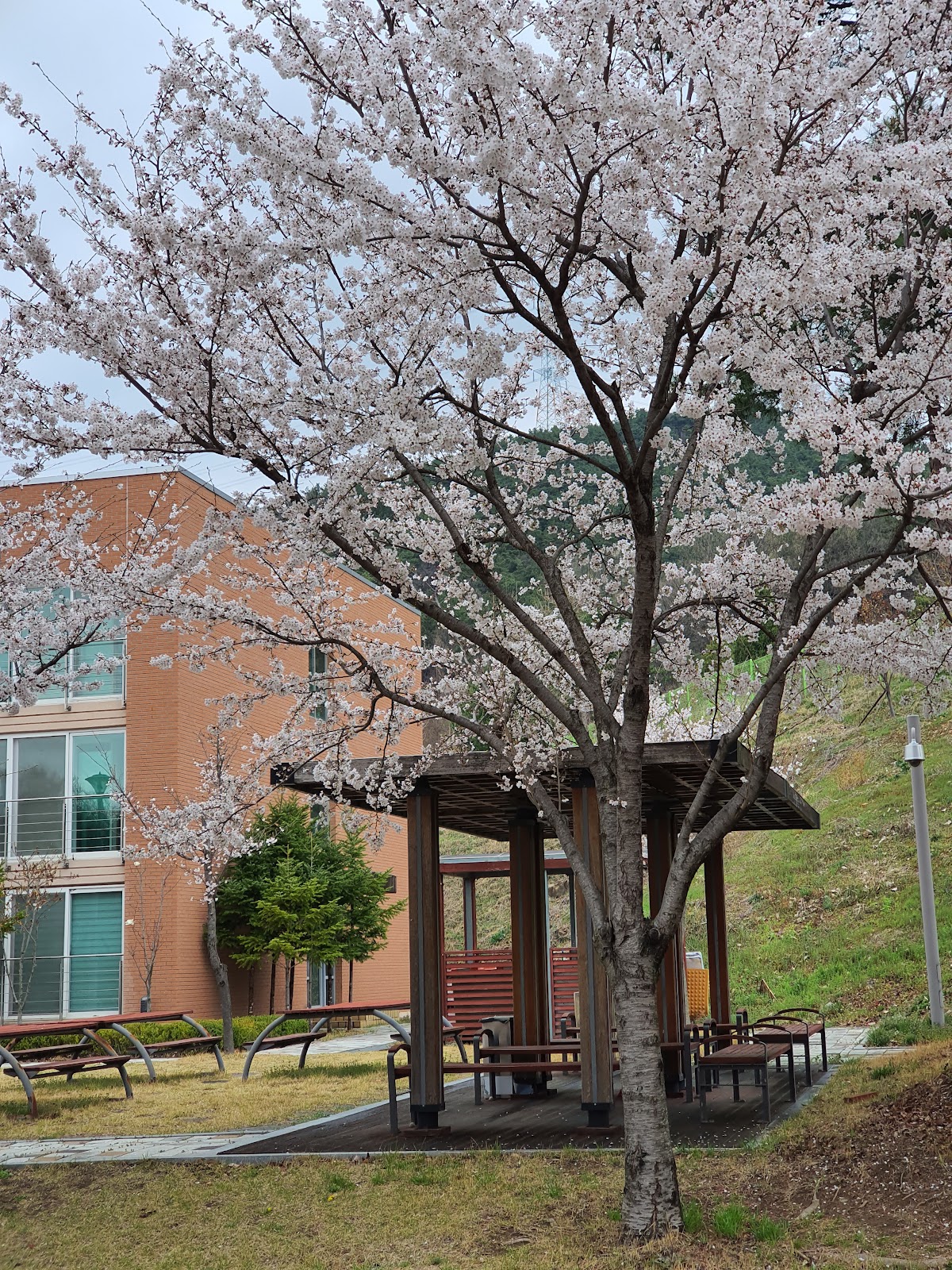
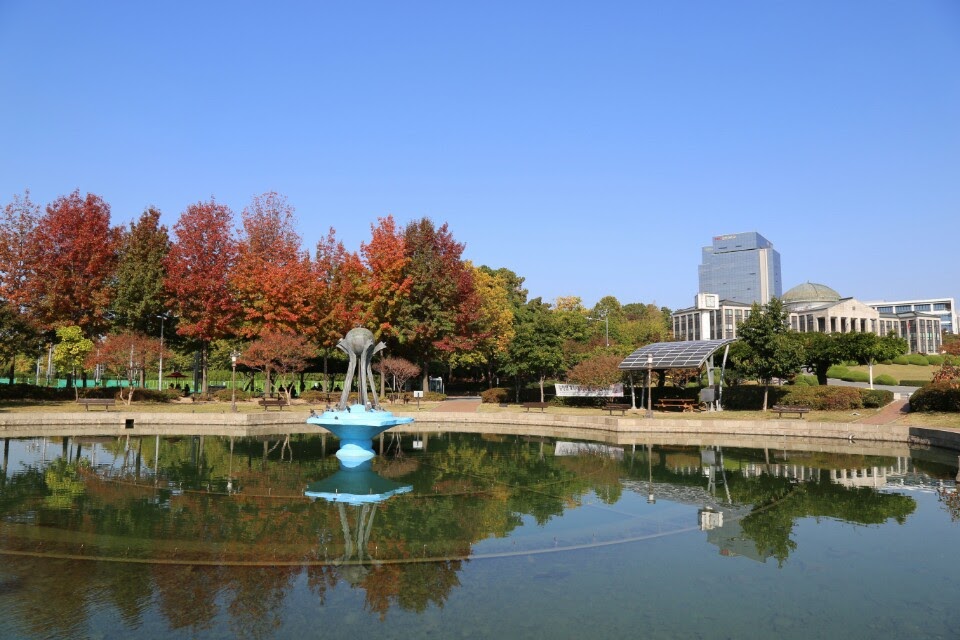
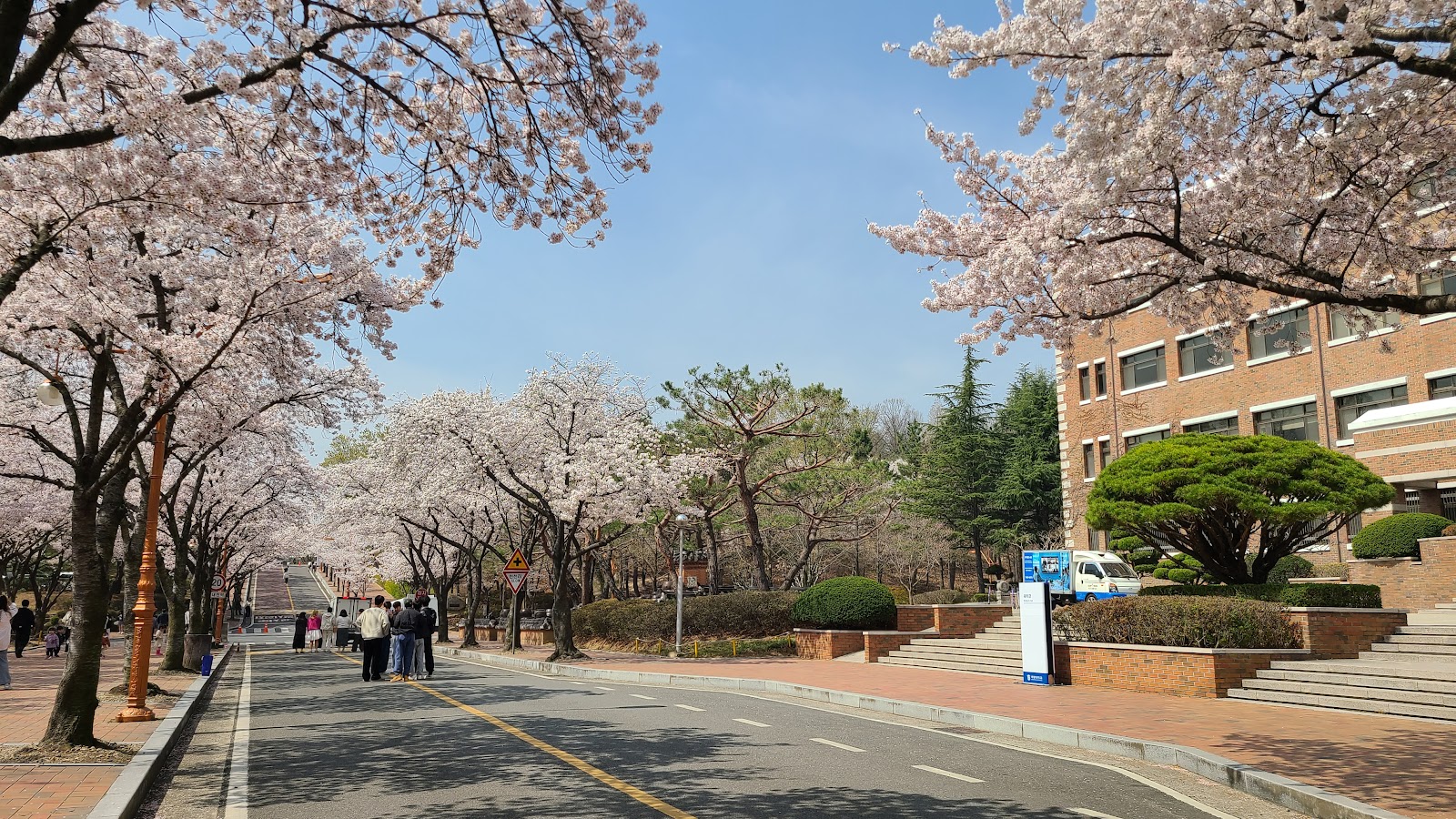
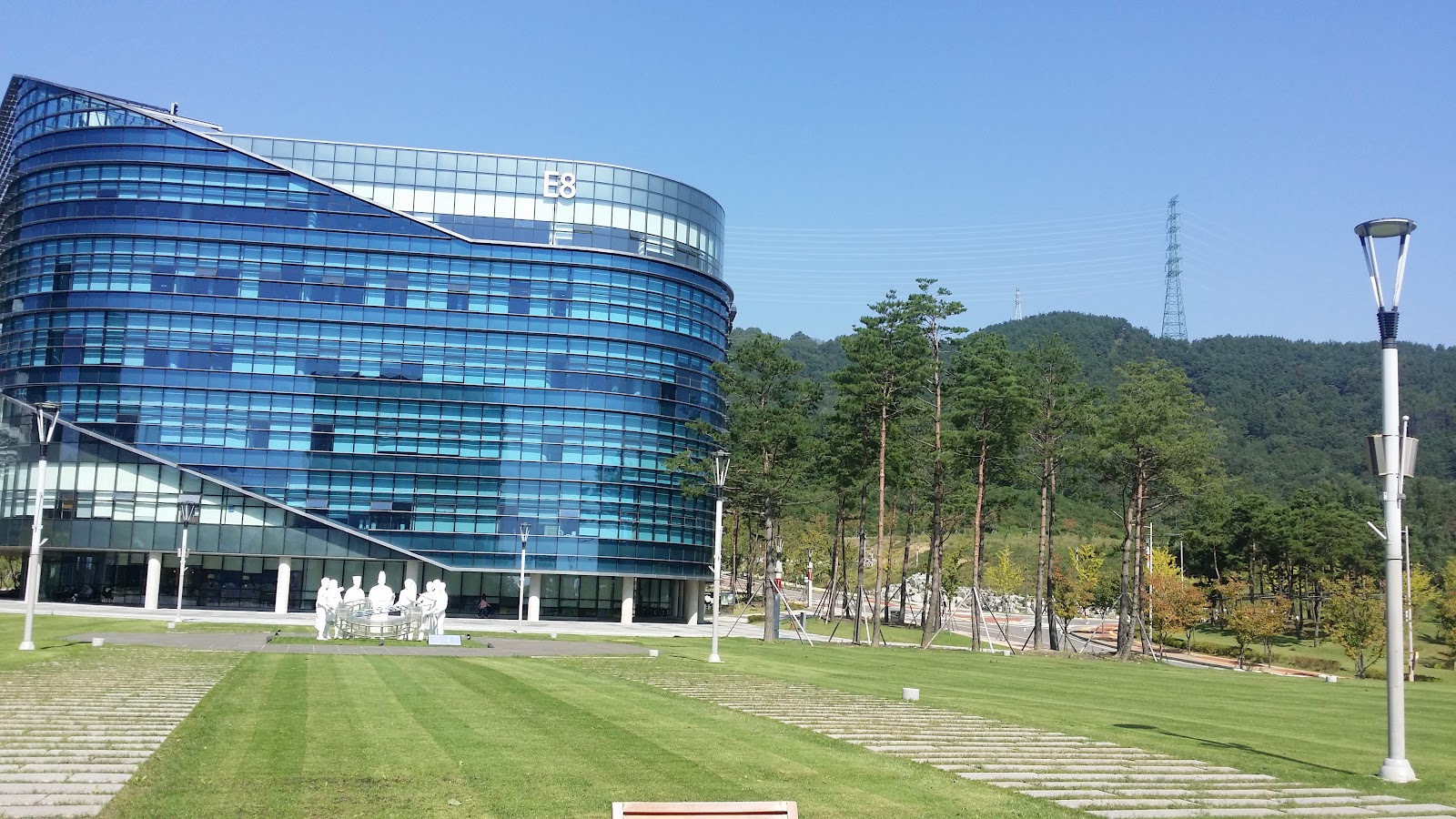
DGIST's main campus is situated in the Daegu Technopolis complex, a high-tech scientific center designed for research, universities, and high-tech companies. Daegu, Korea's fourth-largest city, offers a vibrant urban experience with trendy entertainment districts, professional sports, and numerous cultural attractions like Suseong Lake and Seomun Market. The city is well-connected by the KTX high-speed train, making travel to other major Korean cities convenient. The campus itself boasts modern facilities, including a health care center, central library, and a sports complex with a gym and swimming pool.
Career Outcomes
DGIST is committed to fostering a strong startup culture, with student and faculty startups consistently receiving recognition and investment through government and private support programs like TIPS and Samsung's C-Lab Outside. The university actively promotes industry-academia collaboration, signing MOUs with major companies like Samsung C&T Corporation to develop advanced technologies and nurture talent. DGIST aims to create a digital innovation ecosystem in Daegu, focusing on fostering talent in fields like AI, blockchain, big data, and intelligent semiconductors.
Information for International Students at Daegu Gyeongbuk Institute of Science and Technology (DGIST)
Daegu Gyeongbuk Institute of Science and Technology (DGIST) in Daegu, South Korea welcomes international students, with 4% of the student body coming from abroad.
- 4% of students are international
- Visa support available
- No on-campus work
- Student housing available (~$200000/month)
- Work placement / internship opportunities available
- Teaching languages: English
Admissions Requirements for Daegu Gyeongbuk Institute of Science and Technology (DGIST)
Here are the key admission requirements for international students applying to Daegu Gyeongbuk Institute of Science and Technology (DGIST):
- IELTS minimum: 6
- Application fee: $50
- Selectivity: Very Selective (<20%)
- Application deadline: February 3, 2026 (Undergraduate) / November 20, 2025 (Graduate 3rd Round)
Apply to Daegu Gyeongbuk Institute of Science and Technology (DGIST) →
Programs at Daegu Gyeongbuk Institute of Science and Technology (DGIST) (9 programs)
Daegu Gyeongbuk Institute of Science and Technology (DGIST) offers 9 programs across Bachelor, Master levels.
Bachelor Programs (1)
- School of Undergraduate Studies — 48 months · English · STEM · Scholarship available
Students initially study basic subjects in science and engineering, then design their own curriculum based on eight 'Tracks' after the first year, allowing them to pursue up to two majors. This program prepares graduates for careers in various scientific and engineering fields.
Field: Interdisciplinary, covering natural sciences (Physics, Chemistry, Life Science, Brain Sciences) and engineering (Mechanical Engineering, Electronics Engineering, Chemical Engineering, Computer Science and Engineering, Materials Science and Engineering).
Career outcomes: Scientific fields, Engineering fields
Deadline: December to February annually for Spring intake.
Master Programs (8)
- Emerging Materials Science (MSc) — 60 months · English · STEM · Scholarship available
This program focuses on technology-intensive material sciences, producing nanomaterials, functional materials, biomaterials, extreme materials, and new drug materials. Graduates will be equipped for advanced research and development in these cutting-edge fields.
Field: Materials Science, Nano-Bio Convergence Materials, Creative Materials Theory.
Deadline: Varies by round (e.g., Spring 2nd round: August-September; Spring 3rd round: November; Fall: April-May). - Information and Communication Engineering (MSc) — 60 months · English · STEM · Scholarship available
This program covers intelligent computing systems, connected smart systems, advanced semiconductors, bio-medical systems, and cyber-physical systems. Graduates will be prepared for careers in intelligent computing, communication systems, and related engineering fields.
Field: Intelligent Computing Systems, Connected Smart Systems, Advanced Semiconductor, Bio-Medical Systems, Cyber-Physical Systems.
Career outcomes: Intelligent computing, Communication systems, Engineering fields
Deadline: Varies by round (e.g., Spring 2nd round: August-September; Spring 3rd round: November; Fall: April-May). - Energy Systems Engineering (MSc) — 60 months · English · STEM · Scholarship available
This program is dedicated to creating, promulgating, and conserving knowledge and understanding with a pivotal focus on cheap and green energy. Graduates will be equipped to address global energy challenges.
Field: Energy Science and Engineering.
Deadline: Varies by round (e.g., Spring 2nd round: August-September; Spring 3rd round: November; Fall: April-May). - New Biology (MSc) — 60 months · English · STEM · Scholarship available
This program offers diverse opportunities to learn and acquire knowledge in various fields of biological research. Graduates will be well-prepared for careers in biological sciences and related industries.
Field: New Biology.
Deadline: Varies by round (e.g., Spring 2nd round: August-September; Spring 3rd round: November; Fall: April-May). - Robotics Engineering (MSc) — 60 months · English · STEM · Scholarship available
This program focuses on robotic systems, mechatronics & control, and soft robotics, preparing students for research and development in macro to microrobots, software, and hardware. Graduates will contribute to advancements in the field of robotics.
Field: Robotic Systems, Mechatronics & Control, Soft Robotics.
Career outcomes: Research in macro to microrobots, Software development, Hardware development
Deadline: Varies by round (e.g., Spring 2nd round: August-September; Spring 3rd round: November; Fall: April-May). - Brain and Cognitive Science (MSc) — 60 months · English · STEM · Scholarship available
This program focuses on advanced research in brain sciences, providing students with a deep understanding of brain and cognitive functions. Graduates will be prepared for careers in neuroscience research and related fields.
Field: Brain Sciences.
Deadline: Varies by round (e.g., Spring 2nd round: August-September; Spring 3rd round: November; Fall: April-May). - Interdisciplinary Studies (MSc) — 60 months · English · STEM · Scholarship available
This program focuses on convergence, artificial intelligence, biomedical science & engineering, and quantum information science, cultivating global leaders in convergence science and technology. Graduates will be equipped to tackle complex interdisciplinary challenges.
Field: Convergence, Artificial Intelligence, Biomedical Science & Engineering, Quantum Information Science.
Career outcomes: Global leaders in convergence science and technology
Deadline: Varies by round (e.g., Spring 2nd round: August-September; Spring 3rd round: November; Fall: April-May). - Physics and Chemistry (MSc) — 60 months · English · STEM · Scholarship available
This program offers diverse research topics including quantum materials, nano-bio materials, and computational science, providing students with a strong foundation in physics and chemistry. Graduates will be prepared for advanced research and development in these fields.
Field: Physics, Chemistry, Nano-Bio Materials, Computational Science, Quantum Materials.
Deadline: Varies by round (e.g., Spring 2nd round: August-September; Spring 3rd round: November; Fall: April-May).
Scholarships & Tuition at Daegu Gyeongbuk Institute of Science and Technology (DGIST)
Annual tuition for international students: $13,000 – $18,000/year
✅ Daegu Gyeongbuk Institute of Science and Technology (DGIST) offers scholarships for international students. Check the official website for eligibility, amounts, and deadlines.
Rankings of Daegu Gyeongbuk Institute of Science and Technology (DGIST)
- National Ranking: #9 in South Korea
- QS World University Ranking: #370
- Times Higher Education (THE): #351
- Academic Ranking of World Universities (ARWU): #600
- Ranking tier: Unranked
- Research output: Very High
Campus & Facilities at Daegu Gyeongbuk Institute of Science and Technology (DGIST)
- Student housing available
- No sports facilities
- No disability support info
- Campus type: Urban
- Housing cost: ~$200000/month
Key Highlights
- Leading convergence research university
- Interdisciplinary education and research
- Supports diverse international students
- English-taught graduate programs
- Located in Daegu Technopolis
Accreditation
- ISO 45001
- KELAF
Fields of Study at Daegu Gyeongbuk Institute of Science and Technology (DGIST)
- Science
- Engineering
- IT
- Robotics
- Energy Science
Notable Alumni
- Shin Sung-chul
Frequently Asked Questions about Daegu Gyeongbuk Institute of Science and Technology (DGIST)
What is Daegu Gyeongbuk Institute of Science and Technology (DGIST)?
Daegu Gyeongbuk Institute of Science and Technology (DGIST) is a public university located in Daegu, South Korea. It has approximately 2,091 students, with 4% being international students.
How much does it cost to study at Daegu Gyeongbuk Institute of Science and Technology (DGIST)?
Tuition fees at Daegu Gyeongbuk Institute of Science and Technology (DGIST) for international students range from $13,000 – $18,000/year. Student housing costs approximately $200000/month. Scholarships are available for international students.
What are the admission requirements for Daegu Gyeongbuk Institute of Science and Technology (DGIST)?
IELTS minimum: 6. Application fee: $50. Selectivity: Very Selective (<20%). Application deadline: February 3, 2026 (Undergraduate) / November 20, 2025 (Graduate 3rd Round).
What language are courses taught in at Daegu Gyeongbuk Institute of Science and Technology (DGIST)?
Courses at Daegu Gyeongbuk Institute of Science and Technology (DGIST) are taught in English. International students need a minimum IELTS score of 6.
How many programs does Daegu Gyeongbuk Institute of Science and Technology (DGIST) offer?
Daegu Gyeongbuk Institute of Science and Technology (DGIST) offers 9 programs: 1 Bachelor's, 8 Master's, and 0 PhD programs across various fields of study.
What is Daegu Gyeongbuk Institute of Science and Technology (DGIST) ranked?
#9 in South Korea · QS World #370 · THE World #351 · ARWU #600.
Does Daegu Gyeongbuk Institute of Science and Technology (DGIST) offer scholarships?
Yes, Daegu Gyeongbuk Institute of Science and Technology (DGIST) offers scholarships for international students. Visit the university's official financial aid page for current opportunities, eligibility criteria, and deadlines.
Does Daegu Gyeongbuk Institute of Science and Technology (DGIST) provide visa support?
Yes, Daegu Gyeongbuk Institute of Science and Technology (DGIST) provides visa support for international students. Student housing is also available.
Apply to Daegu Gyeongbuk Institute of Science and Technology (DGIST) with Abroadly
Use Abroadly's AI-powered platform to manage your application to Daegu Gyeongbuk Institute of Science and Technology (DGIST). Get matched to programs, track deadlines, and organize documents — all in one place.
Explore Abroadly Features | For Students | For Agencies
Visit Daegu Gyeongbuk Institute of Science and Technology (DGIST) Official Website →