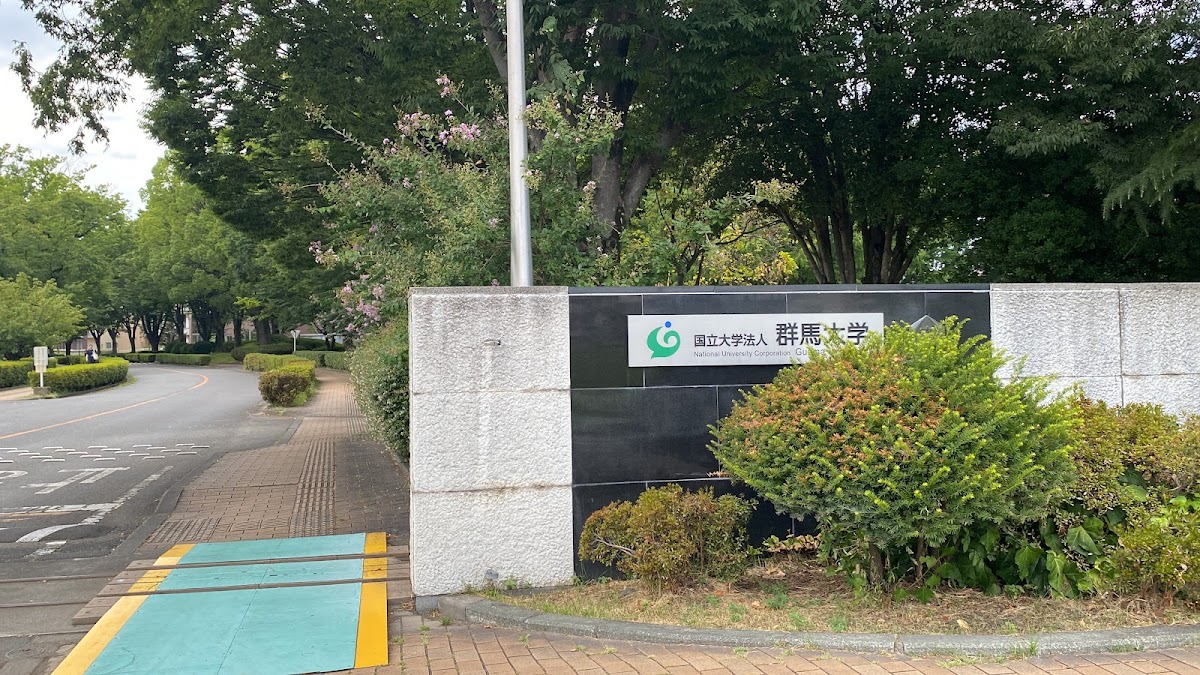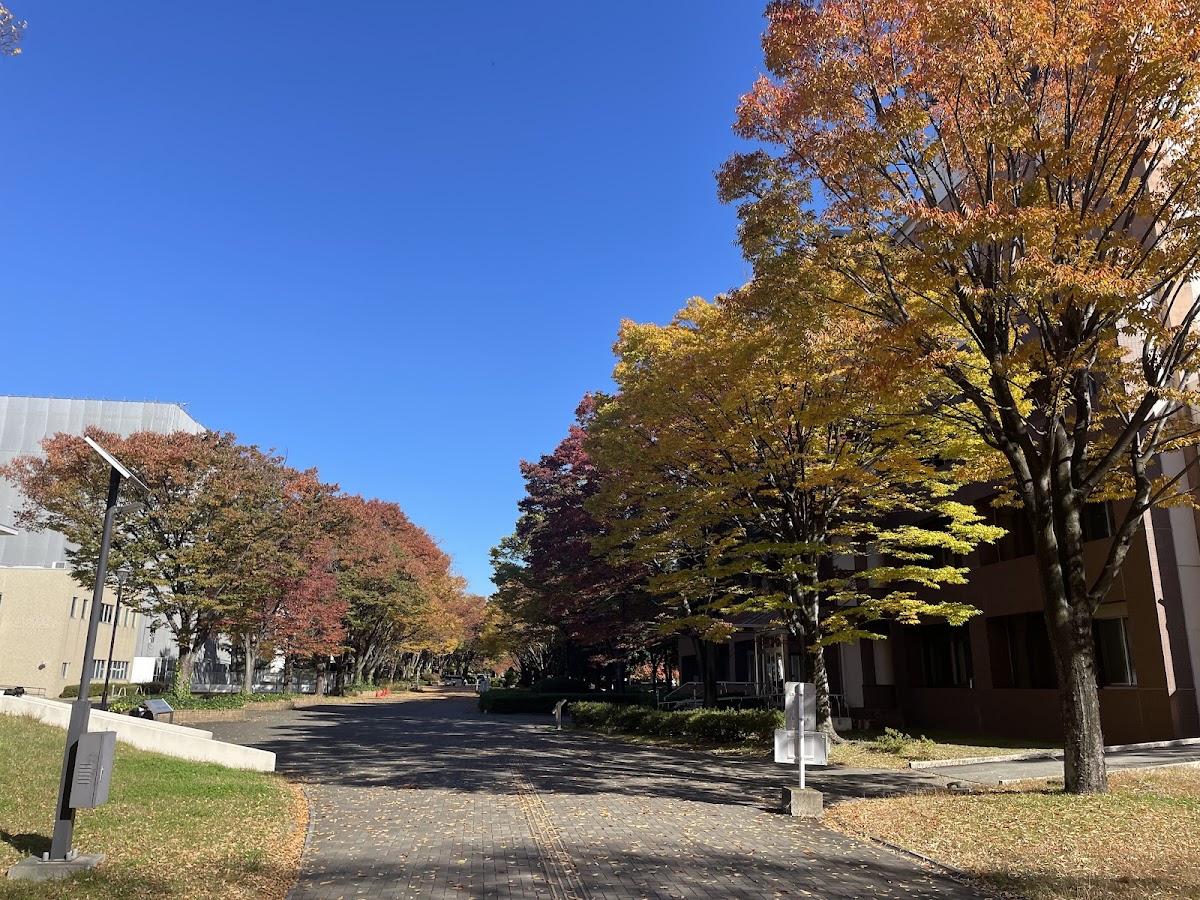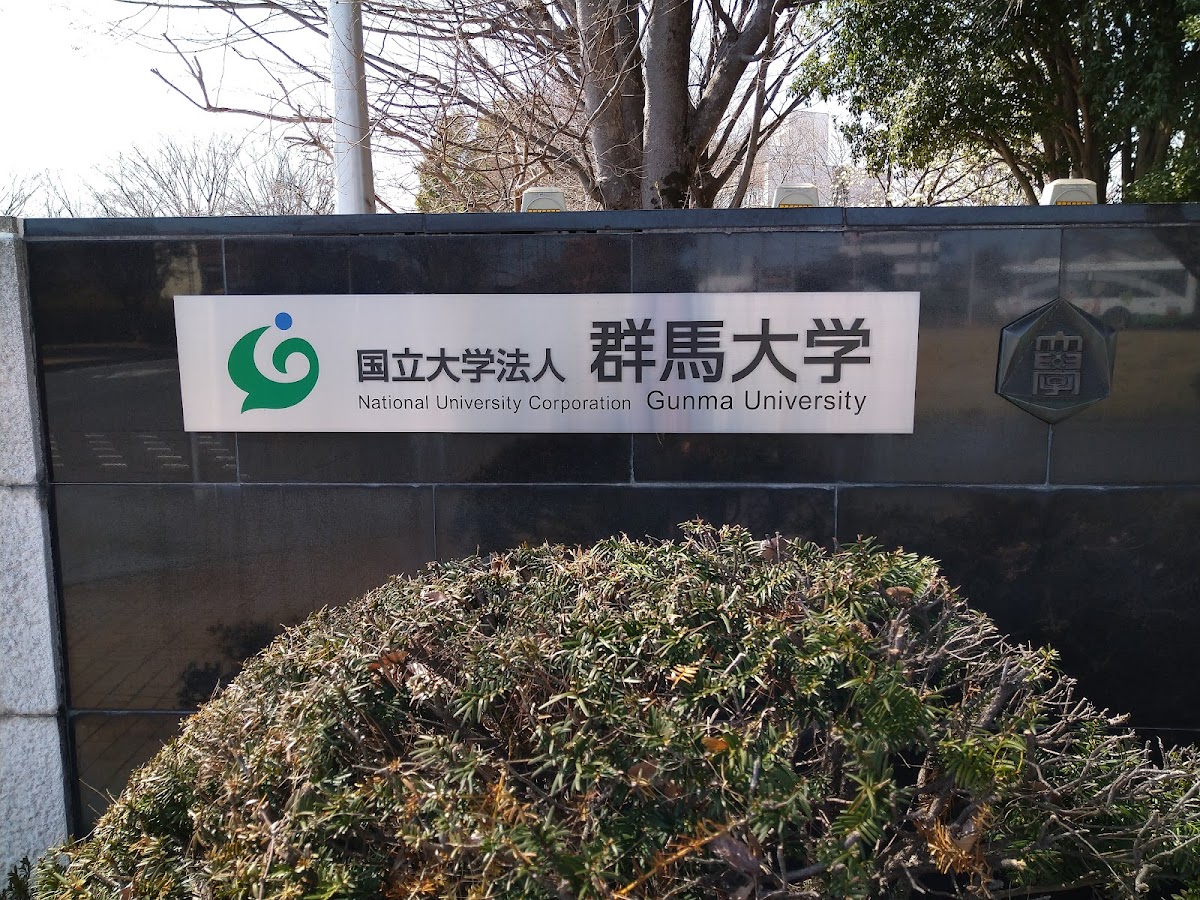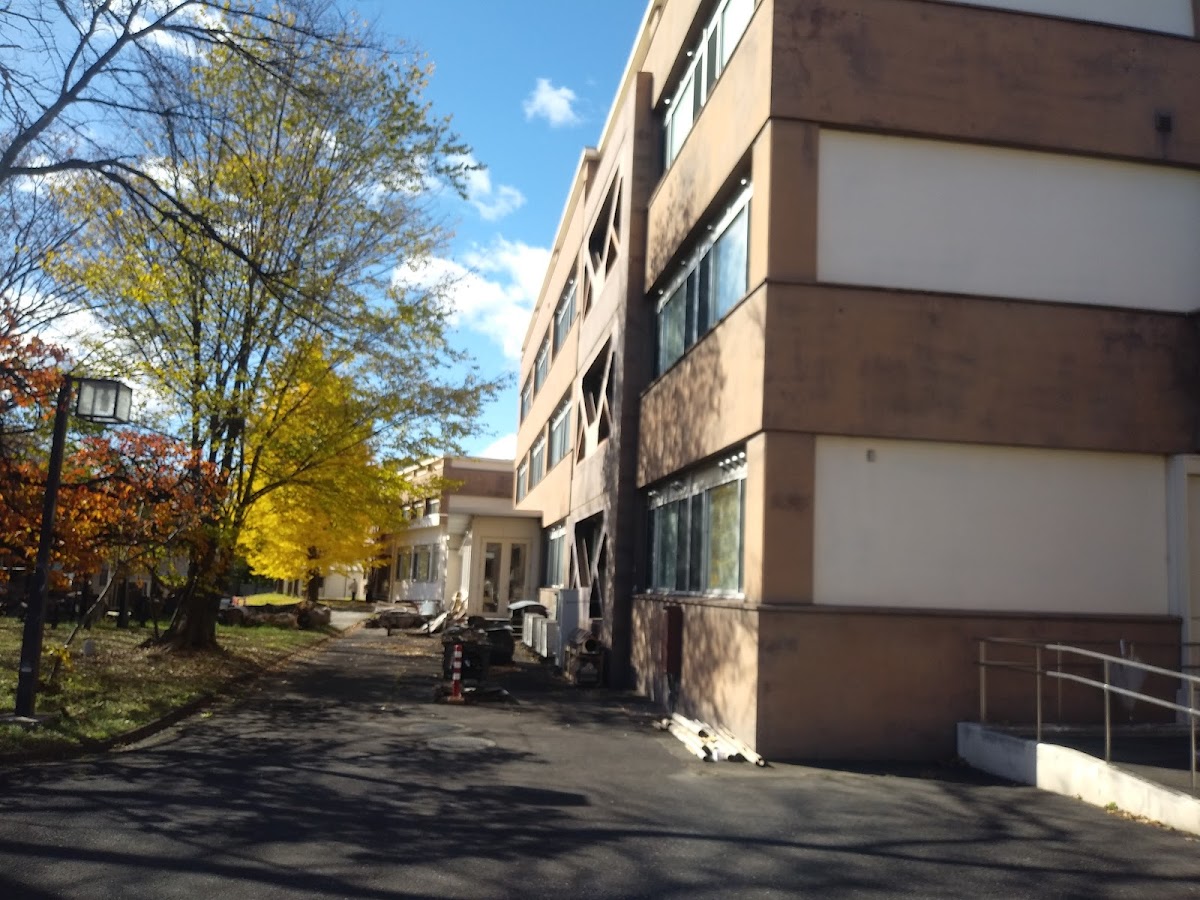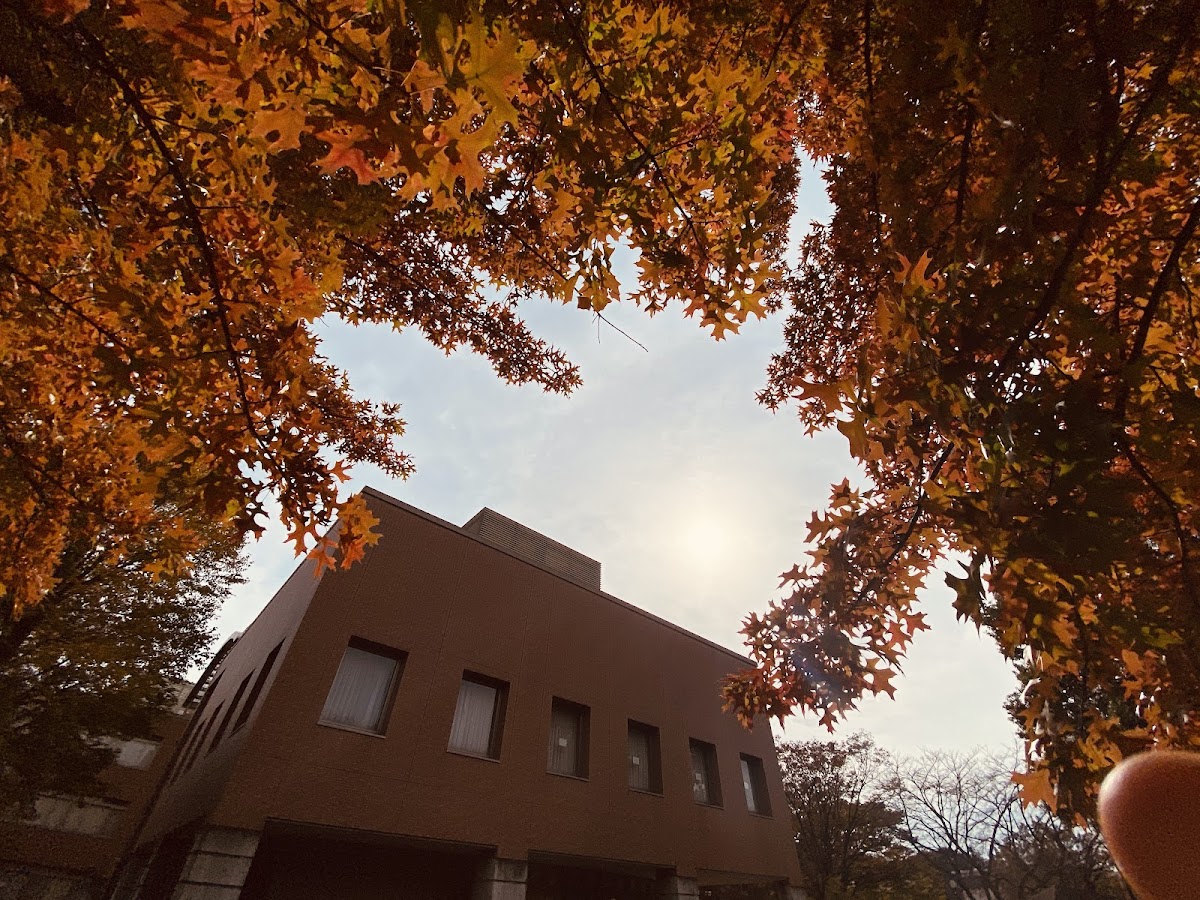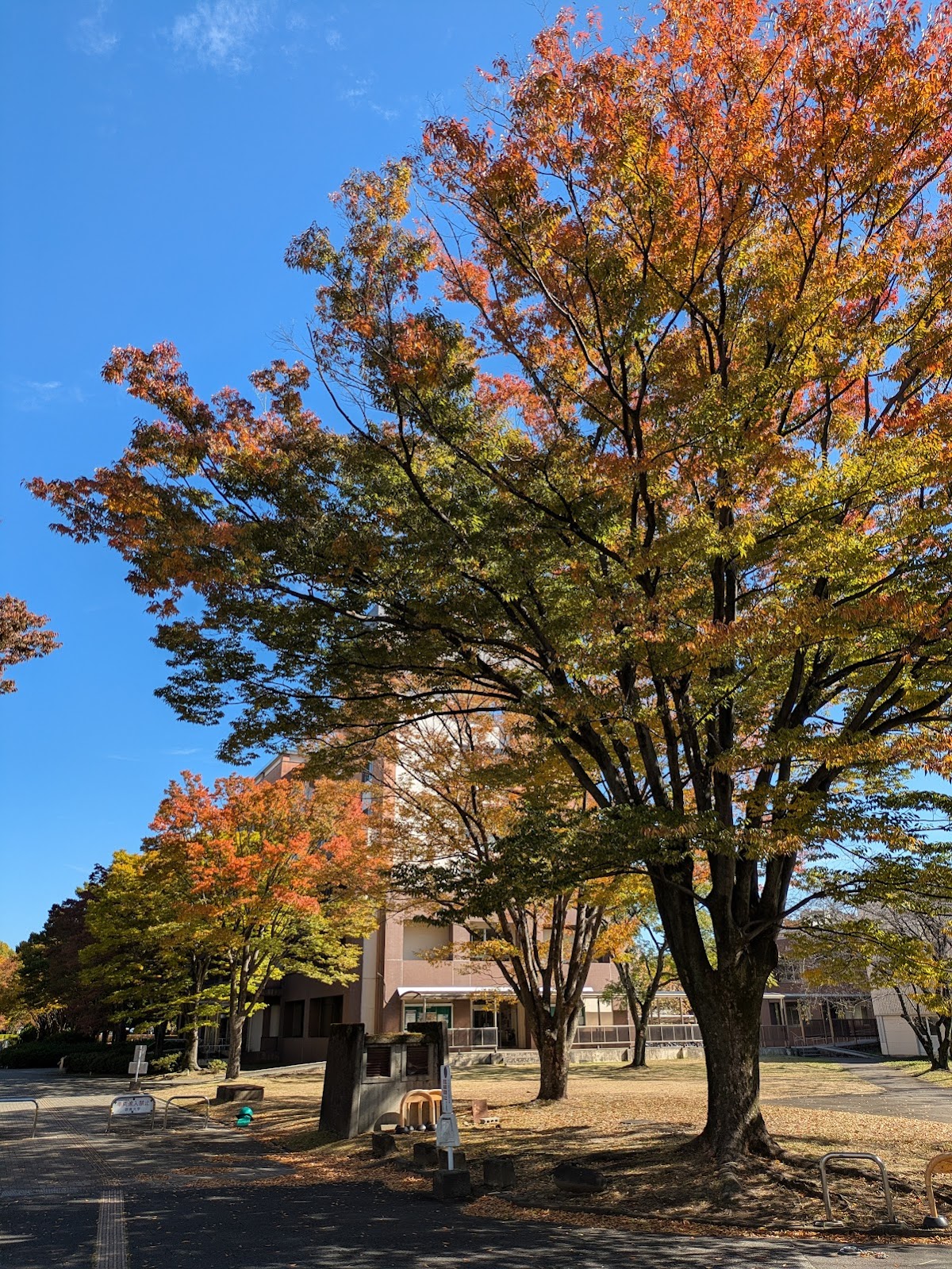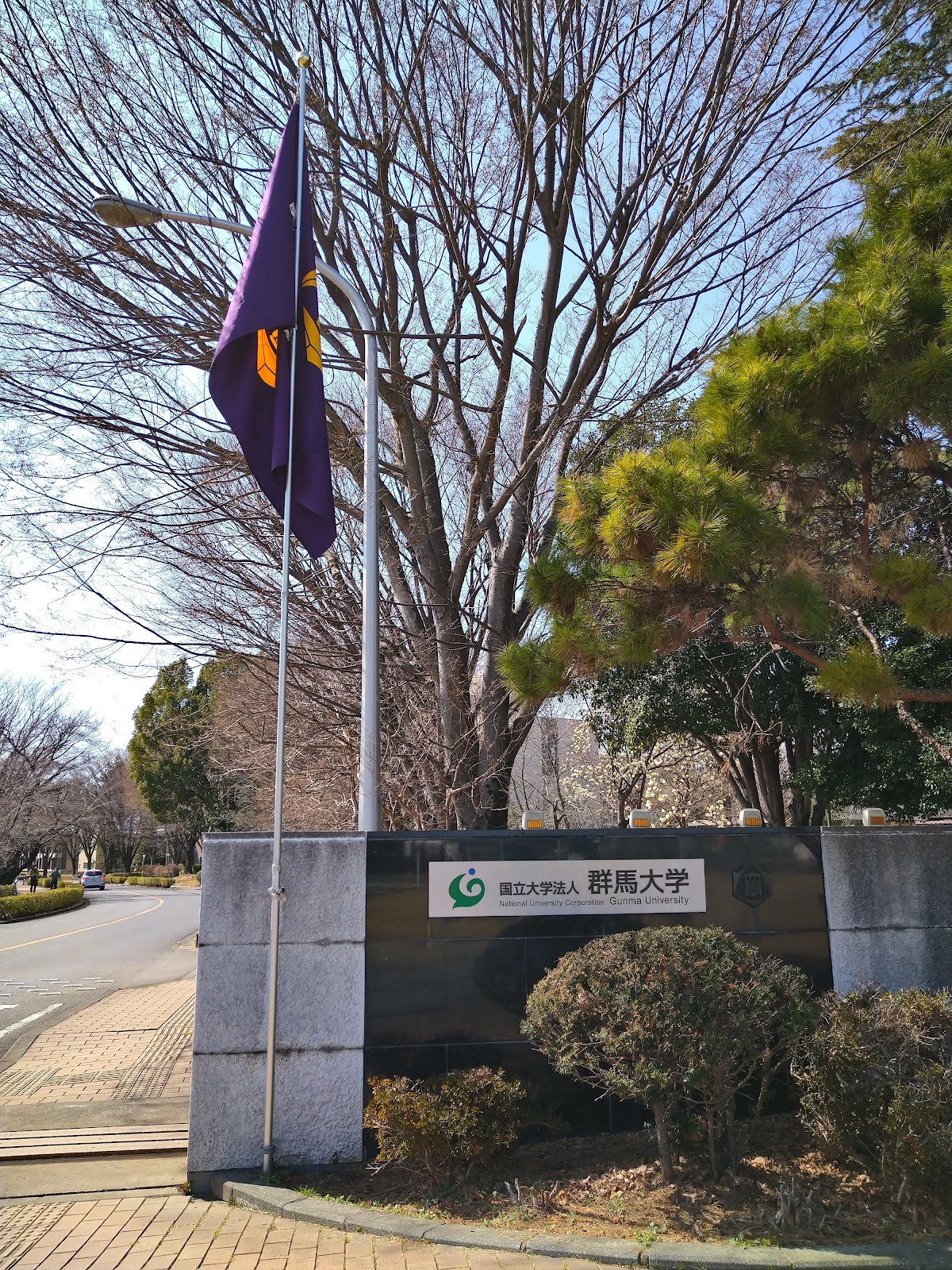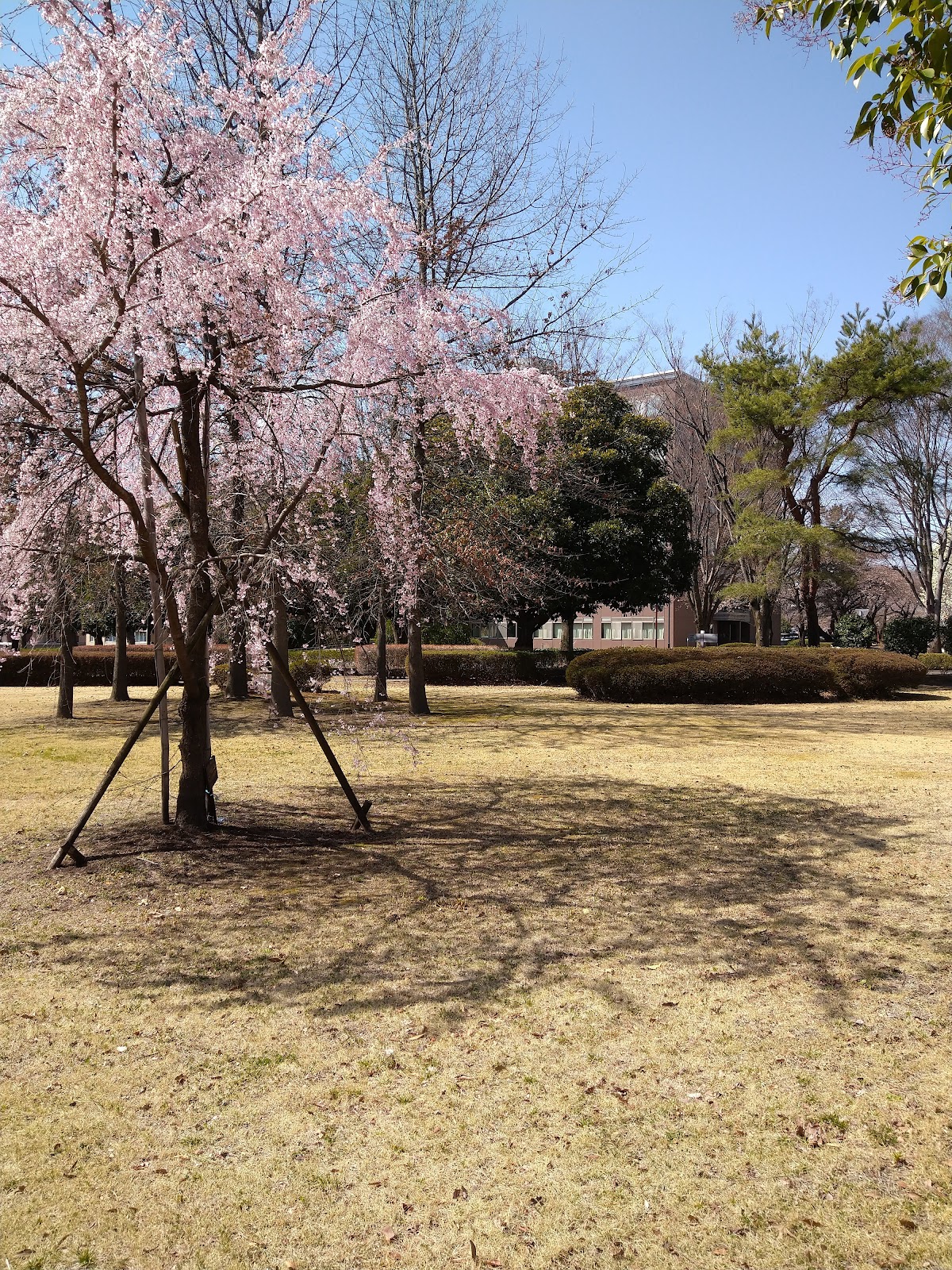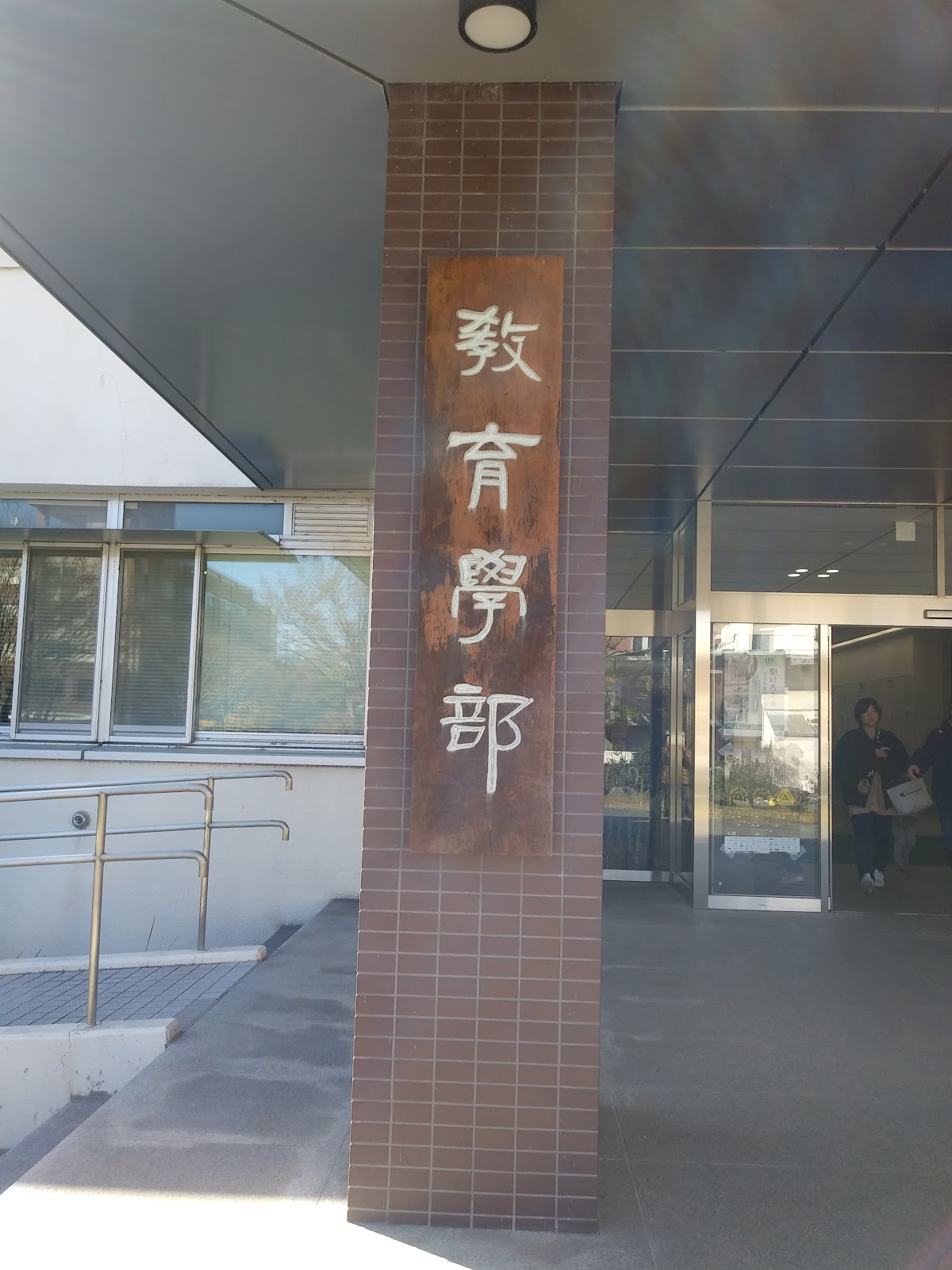
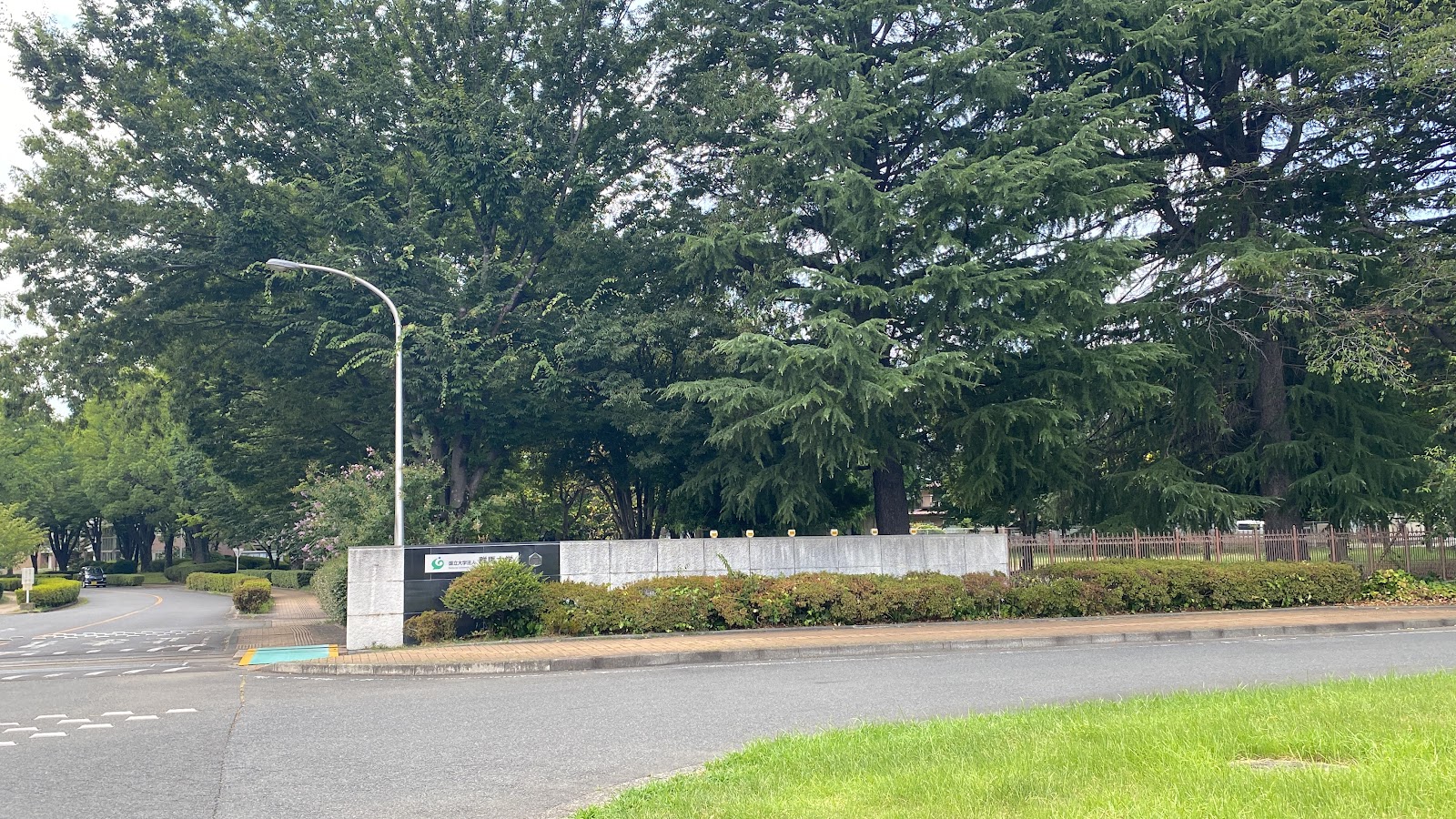
Gunma University
Gunma University: Innovating for a global future.
📍 Maebashi, Japan 🇯🇵
🏆 #31 in Japan · QS World #1201 · THE World #1501
Quick Facts about Gunma University
- Type: Public
- Students: 6,361
- Campus: Multiple Campuses
- Tuition: $5,500 – $5,800/year
- Language: Japanese, English
- Student-Faculty Ratio: 7:1
- Intakes: Spring, Fall
About Gunma University
Academics
Gunma University offers a wide array of academic programs across its five undergraduate colleges and seven graduate schools. Key faculties include Medicine, Engineering, Education, Social and Information Studies, and Informatics. The university emphasizes problem-based learning (PBL) and interdisciplinary collaboration, particularly through liberal arts English courses, to cultivate essential competencies. The Faculty of Medicine is renowned for advanced healthcare training and pioneering research in heavy ion radiotherapy. A new English-taught interdisciplinary program for global frontier leaders (I-GFL) is launching in 2026, focusing on global awareness, local engagement, and interdisciplinary learning.
International Students
Gunma University is committed to creating a safe and supportive environment for international students, offering various support services through its Global Initiative Center. These services include guidance and consultation for studies and daily life, language support, housing assistance, and career support. While many programs require Japanese language proficiency, the university is expanding English-mediated courses, and the new I-GFL program will be entirely in English. The university also provides opportunities for cultural integration through events and student clubs, fostering interaction between Japanese and international students.
Campus & Location
Gunma University operates across multiple campuses in Maebashi and Kiryu, offering a broad academic and professional reach within central Japan. Maebashi, the capital city of Gunma Prefecture, provides a blend of natural beauty and urban amenities, located approximately 100 km northwest of Tokyo. The campuses are accessible by public transportation, with bus services connecting to Maebashi Station. While specific nearby attractions are not detailed, Gunma Prefecture is known for its hot springs and tourist destinations.
Career Outcomes
The university's Career Support Office provides comprehensive assistance for job-hunting activities, including support tailored for international students. Gunma University promotes efforts to develop students' career visions, with some faculties conducting PBL learning in cooperation with local companies. The university also participates in initiatives like the "Glocal Hatara-Kurasu Gunma Project" to promote local employment for international students. While specific employment rates are not readily available, the university's focus on practical skills and industry collaboration aims to prepare graduates for diverse career paths. Gunma University also actively supports the creation of university-launched startups, contributing to regional economic revitalization.
Information for International Students at Gunma University
Gunma University in Maebashi, Japan welcomes international students.
- Visa support available
- On-campus work allowed
- Student housing available (~$30000/month)
- Work placement / internship opportunities available
- Teaching languages: Japanese, English
Admissions Requirements for Gunma University
Here are the key admission requirements for international students applying to Gunma University:
- GPA minimum: 3
- Selectivity: Very Selective (<20%)
- Application deadline: February 4, 2026
Programs at Gunma University (29 programs)
Gunma University offers 29 programs across Bachelor, Master, PhD levels.
Bachelor Programs (14)
- Humanities and Social Sciences (BA) — 48 months · Japanese · $535,800/yr
This program offers a broad education in various disciplines within humanities and social sciences, fostering critical thinking and analytical skills.
Field: Humanities and Social Sciences
Career outcomes: Educator, Journalist, Public Relations Specialist, Researcher - Applied Chemistry and Chemical Engineering (BSc) — 48 months · Japanese · $535,800/yr · STEM
Students gain a strong foundation in chemistry and chemical engineering, focusing on practical applications in various industries.
Field: Engineering
Career outcomes: Chemical Engineer, Materials Scientist, Process Engineer, Quality Control Specialist - Electrical, Electronic and Computer Engineering (BSc) — 48 months · Japanese · $535,800/yr · STEM
This program covers the fundamentals of electrical, electronic, and computer engineering, preparing students for careers in technology and innovation.
Field: Engineering
Career outcomes: Electrical Engineer, Software Engineer, Hardware Engineer, Network Engineer - Civil and Environmental Engineering (BSc) — 48 months · Japanese · $535,800/yr · STEM
This program focuses on the design, construction, and maintenance of infrastructure, along with addressing environmental challenges.
Field: Engineering
Career outcomes: Civil Engineer, Environmental Engineer, Urban Planner, Construction Manager - Nursing (BSc) — 48 months · Japanese · $535,800/yr · STEM
Students learn essential nursing theories and practices, developing skills to provide high-quality patient care in various healthcare settings.
Field: Nursing
Career outcomes: Registered Nurse, Public Health Nurse, Clinical Nurse Specialist - Medical Sciences (BSc) — 72 months · Japanese · $535,800/yr · STEM
This program provides a comprehensive education in fundamental medical sciences, preparing students for careers in healthcare, research, and further medical studies.
Field: Medicine
Career outcomes: Physician, Medical Researcher, Public Health Official - Teacher Training Program (Junior High School) (BA) — 48 months · Japanese · $535,800/yr
Students are trained to teach specific subjects at the junior high school level, combining deep subject knowledge with effective teaching strategies.
Field: Education
Career outcomes: Junior High School Teacher, Subject Specialist, Youth Counselor - Education (BA) — 48 months · Japanese · $535,800/yr
Students are trained to become effective educators, focusing on pedagogical theories, teaching methodologies, and child development.
Field: Education
Career outcomes: Teacher, School Administrator, Educational Consultant, Curriculum Developer - Clinical Laboratory Science (BSc) — 48 months · Japanese · $535,800/yr · STEM
This program trains students in laboratory techniques for diagnosing diseases, analyzing biological samples, and contributing to medical research.
Field: Medical Technology
Career outcomes: Clinical Laboratory Technologist, Medical Technologist, Research Assistant - Teacher Training Program (High School) (BA) — 48 months · Japanese · $535,800/yr
This program prepares individuals to teach specialized subjects at the high school level, focusing on advanced content and pedagogical approaches for older students.
Field: Education
Career outcomes: High School Teacher, Academic Advisor, Curriculum Developer - Teacher Training Program (Elementary School) (BA) — 48 months · Japanese · $535,800/yr
This program focuses on preparing students to become elementary school teachers, covering child development, pedagogy, and subject-specific teaching methods.
Field: Education
Career outcomes: Elementary School Teacher, Educational Coordinator, School Counselor - Biomedical Engineering (BSc) — 48 months · Japanese · $535,800/yr · STEM
This program integrates engineering principles with biological and medical sciences to develop innovative solutions for healthcare challenges.
Field: Engineering
Career outcomes: Biomedical Engineer, Medical Device Developer, Research Scientist - Information Science (BSc) — 48 months · Japanese · $535,800/yr · STEM
Students explore the theoretical foundations and practical applications of information technology, including programming, data science, and artificial intelligence.
Field: Information Science
Career outcomes: Software Developer, Data Scientist, IT Consultant, System Analyst - Mechanical Science and Technology (BSc) — 48 months · Japanese · $535,800/yr · STEM
Students learn about the design, analysis, and manufacturing of mechanical systems, with a focus on practical applications and advanced technologies.
Field: Engineering
Career outcomes: Mechanical Engineer, Automotive Engineer, Aerospace Engineer, Robotics Engineer
Master Programs (7)
- Life Science and Technology (MSc) — 24 months · Japanese · $535,800/yr · STEM
This program explores the intersection of biology, chemistry, and engineering to address challenges in biotechnology, pharmaceuticals, and environmental science.
Field: Biotechnology
Career outcomes: Biotechnologist, Pharmaceutical Scientist, Environmental Scientist - Master's Program in Medical Sciences (MSc) — 24 months · Japanese · $535,800/yr · STEM
This program offers advanced research and specialized knowledge in various fields of medical science, preparing students for doctoral studies or research careers.
Field: Medicine
Career outcomes: Medical Researcher, University Lecturer, Pharmaceutical Scientist - Master's Program in Science and Technology (MSc) — 24 months · Japanese · $535,800/yr · STEM
This program offers specialized research opportunities across various engineering and science disciplines, fostering innovation and advanced problem-solving skills.
Field: Engineering
Career outcomes: R&D Engineer, Project Manager, University Researcher - Master's Program in Education (MA) — 24 months · Japanese · $535,800/yr
Designed for experienced educators, this program deepens understanding of educational theory, policy, and practice, preparing for leadership and specialized roles.
Field: Education
Career outcomes: School Principal, Educational Policy Analyst, Curriculum Specialist - Master's Program in Health Sciences (MSc) — 24 months · Japanese · $535,800/yr · STEM
Focusing on advanced nursing, public health, and clinical laboratory science, this program develops expertise for leadership roles in healthcare.
Field: Health Sciences
Career outcomes: Advanced Practice Nurse, Public Health Manager, Clinical Research Coordinator - Master of Education (MA) — 24 months · Japanese · $535,800/yr
This program deepens understanding of educational theories and practices, preparing students for leadership roles in education or advanced research.
Field: Education
Career outcomes: School Principal, Educational Researcher, Policy Analyst, Curriculum Specialist - Integrated Course for Medical Sciences (MSc) — 24 months · Japanese · $535,800/yr · STEM
An integrated master's program designed for medical students to pursue research alongside their clinical studies, fostering physician-scientists.
Field: Medicine
Career outcomes: Physician-Scientist, Medical Researcher, Clinical Trial Manager
PhD Programs (8)
- Health Sciences (PhD) — 48 months · Japanese · $535,800/yr · STEM
This program offers advanced research opportunities in health-related disciplines, preparing scholars to lead in public health, nursing, and clinical research.
Field: Health Sciences
Career outcomes: Public Health Researcher, Academic Nurse Educator, Health Policy Analyst - Science and Technology (PhD) — 36 months · Japanese · $535,800/yr · STEM
A doctoral program for in-depth research in engineering and scientific fields, fostering highly specialized experts and leading-edge innovators.
Field: Engineering
Career outcomes: Senior R&D Scientist, University Professor, Technology Consultant - Joint Doctoral Program for Advanced Medical Sciences (PhD) — 48 months · Japanese · $535,800/yr · STEM
This collaborative doctoral program provides interdisciplinary research opportunities in advanced medical sciences, leveraging resources from multiple institutions.
Field: Medicine
Career outcomes: Biomedical Researcher, Clinical Scientist, Academic Faculty - PhD Program in Science and Technology (PhD) — 36 months · Japanese · $535,800/yr · STEM
This program offers advanced research opportunities in various engineering and scientific disciplines, leading to significant contributions to knowledge and technology.
Field: Engineering
Career outcomes: University Professor, Senior R&D Scientist, Innovation Lead - PhD Program in Medical Sciences (PhD) — 36 months · Japanese · $535,800/yr · STEM
This doctoral program focuses on advanced, independent research in medical and health sciences, contributing new knowledge to the field.
Field: Medicine
Career outcomes: University Professor, Senior Medical Researcher, Director of R&D - Integrated Doctoral Program in Medicine and Engineering (PhD) — 48 months · Japanese · $535,800/yr · STEM
An interdisciplinary program combining medical and engineering expertise to foster innovative research in areas like medical devices, bioinformatics, and regenerative medicine.
Field: Biomedical Engineering
Career outcomes: Biomedical Engineer, Medical Device Developer, Academic Researcher - PhD in Health Sciences (PhD) — 36 months · Japanese · $535,800/yr · STEM
This program offers advanced research training in various health-related disciplines, aiming to generate new knowledge and improve public health outcomes.
Field: Health Sciences
Career outcomes: Public Health Researcher, University Professor, Health Policy Advisor, Epidemiologist - Medicine (PhD) — 48 months · Japanese · $535,800/yr · STEM
This doctoral program focuses on advanced medical research, enabling students to contribute original knowledge to various fields of clinical and basic medical science.
Field: Medicine
Career outcomes: Medical Scientist, University Professor, Pharmaceutical Researcher
Scholarships & Tuition at Gunma University
Annual tuition for international students: $5,500 – $5,800/year
✅ Gunma University offers scholarships for international students. Check the official website for eligibility, amounts, and deadlines.
Rankings of Gunma University
- National Ranking: #31 in Japan
- QS World University Ranking: #1201
- Times Higher Education (THE): #1501
- Ranking tier: Unranked
- Research output: High
Campus & Facilities at Gunma University
- Student housing available
- Sports facilities available
- Disability support available
- Campus type: Multiple Campuses
- Housing cost: ~$30000/month
Key Highlights
- Renowned heavy ion radiotherapy research
- New English-taught global leader program
- Strong medical and engineering faculties
- Supportive environment for international students
- Comprehensive, research-intensive institution
Accreditation
- 大学機関別認証評価 - NIAD-QE (2022)
- 教職大学院等認証評価 - IETE (2020)
- JABEE
Fields of Study at Gunma University
- Medicine
- Engineering
- Education
- Social and Information Studies
- Science
Frequently Asked Questions about Gunma University
What is Gunma University?
Gunma University is a public university located in Maebashi, Japan. It has approximately 6,361 students.
How much does it cost to study at Gunma University?
Tuition fees at Gunma University for international students range from $5,500 – $5,800/year. Student housing costs approximately $30000/month. Scholarships are available for international students.
What are the admission requirements for Gunma University?
GPA minimum: 3. Selectivity: Very Selective (<20%). Application deadline: February 4, 2026.
What language are courses taught in at Gunma University?
Courses at Gunma University are taught in Japanese and English.
How many programs does Gunma University offer?
Gunma University offers 29 programs: 14 Bachelor's, 7 Master's, and 8 PhD programs across various fields of study.
What is Gunma University ranked?
#31 in Japan · QS World #1201 · THE World #1501.
Does Gunma University offer scholarships?
Yes, Gunma University offers scholarships for international students. Visit the university's official financial aid page for current opportunities, eligibility criteria, and deadlines.
Does Gunma University provide visa support?
Yes, Gunma University provides visa support for international students. Student housing is also available. On-campus work opportunities are available.
Apply to Gunma University with Abroadly
Use Abroadly's AI-powered platform to manage your application to Gunma University. Get matched to programs, track deadlines, and organize documents — all in one place.