
European College of Liberal Arts (ECLA)
Copenhagen, 🇩🇰 Denmark Private
100% international Multiple Campuses $12k - $18k/yr
About European College of Liberal Arts (ECLA)
The European College of Liberal Arts (ECLA) in Copenhagen is a specialized institution dedicated to providing a rigorous, interdisciplinary education rooted in the humanities and social sciences. Located in the heart of Denmark’s capital, the college offers a unique intellectual environment where students engage deeply with classical texts and modern critical theory. It serves as a premier destination for students seeking a small, discussion-based academic community within a vibrant European metropolis.
The academic curriculum at ECLA focuses on a comprehensive liberal arts framework that emphasizes critical thinking and analytical writing. Students participate in small seminar groups that explore the intersections of philosophy, literature, history, and political science. The teaching approach relies heavily on the Socratic method, encouraging students to challenge ideas and develop independent perspectives. This multidisciplinary strength prepares graduates to navigate complex global issues through a well rounded intellectual lens.
The college hosts a diverse student body with representatives from dozens of countries, creating a truly global learning atmosphere. All primary courses are taught in English, ensuring accessibility for international applicants who may not speak Danish. Support services include assistance with residency permits and dedicated orientation programs to help students adjust to life in Scandinavia. Numerous student led organizations and cultural workshops facilitate deep integration into the local community and foster lifelong international friendships.
Situated in Copenhagen, the campus provides students with immediate access to one of the most sustainable and livable cities in the world. The facilities are integrated into the urban fabric, allowing for easy commutes via the city’s world class bicycle infrastructure and efficient metro system. Students are only a short distance from historic landmarks such as the Royal Library and the National Museum of Denmark. The surrounding neighborhood is filled with cafes and green spaces that serve as informal study areas and social hubs.
Graduates of ECLA are highly valued for their adaptability and superior communication skills, leading to strong employment rates across various sectors. The college maintains connections with international NGOs, cultural institutions, and European policy centers to provide students with internship opportunities. Career services offer personalized guidance on navigating the competitive European job market and applying for prestigious graduate programs. Copenhagen’s thriving startup culture also provides a fertile ground for alumni interested in entrepreneurship and social innovation.
Academics
The academic curriculum at ECLA focuses on a comprehensive liberal arts framework that emphasizes critical thinking and analytical writing. Students participate in small seminar groups that explore the intersections of philosophy, literature, history, and political science. The teaching approach relies heavily on the Socratic method, encouraging students to challenge ideas and develop independent perspectives. This multidisciplinary strength prepares graduates to navigate complex global issues through a well rounded intellectual lens.
International Students
The college hosts a diverse student body with representatives from dozens of countries, creating a truly global learning atmosphere. All primary courses are taught in English, ensuring accessibility for international applicants who may not speak Danish. Support services include assistance with residency permits and dedicated orientation programs to help students adjust to life in Scandinavia. Numerous student led organizations and cultural workshops facilitate deep integration into the local community and foster lifelong international friendships.
Campus & Location
Situated in Copenhagen, the campus provides students with immediate access to one of the most sustainable and livable cities in the world. The facilities are integrated into the urban fabric, allowing for easy commutes via the city’s world class bicycle infrastructure and efficient metro system. Students are only a short distance from historic landmarks such as the Royal Library and the National Museum of Denmark. The surrounding neighborhood is filled with cafes and green spaces that serve as informal study areas and social hubs.
Career Outcomes
Graduates of ECLA are highly valued for their adaptability and superior communication skills, leading to strong employment rates across various sectors. The college maintains connections with international NGOs, cultural institutions, and European policy centers to provide students with internship opportunities. Career services offer personalized guidance on navigating the competitive European job market and applying for prestigious graduate programs. Copenhagen’s thriving startup culture also provides a fertile ground for alumni interested in entrepreneurship and social innovation.
Highlights
- Rigorous interdisciplinary humanities and social sciences
- Small discussion based seminar groups
- Emphasis on the Socratic teaching method
- Diverse international student body
- All primary courses taught in English
- Prime location in central Copenhagen
Subject Areas
HumanitiesPhilosophyLiteratureHistoryPolitical Science
Student Life & Support
Visa Support Campus Housing Work Placements Scholarships Available
Photos


Offers programs in:
Arts & Design Social Sciences
Bachelor Programs (3)
BA in Artistic Practice and Society
Fine Arts / Social Sciences
Fine Arts
48 months English Full-time
€26,000/yr
Scholarships View details →BA in Humanities, the Arts, and Social Thought
Humanities / Liberal Arts
Fine Arts
48 months English Full-time
€26,000/yr
Scholarships View details →BA in Economics, Politics, and Social Thought
Social Sciences / Economics
Sociology
48 months English Full-time
€26,000/yr
Scholarships View details →Certificate Programs (2)
Project Year
Independent Study / Liberal Arts
Fine Arts
9 months English Full-time
€36,375/yr
Scholarships View details →Academy Year
Liberal Arts
Fine Arts
9 months English Full-time
€36,375/yr
Scholarships View details → 6+ IELTS
70+ TOEFL
95+ Duolingo
Intakes Fall, Spring
Application Deadline Rolling Admissions
Tuition (per year) $12k - $18k/yr
0 Teaching Language English
Avg Class Size 15
Accreditation
European Council for Business Education (ECBE)Accreditation Council for Business Schools and Programs (ACBSP) - candidate status
Ready to apply to European College of Liberal Arts (ECLA)?
Abroadly helps you manage applications, track deadlines, and get matched to programs.
More Universities in Copenhagen
View all →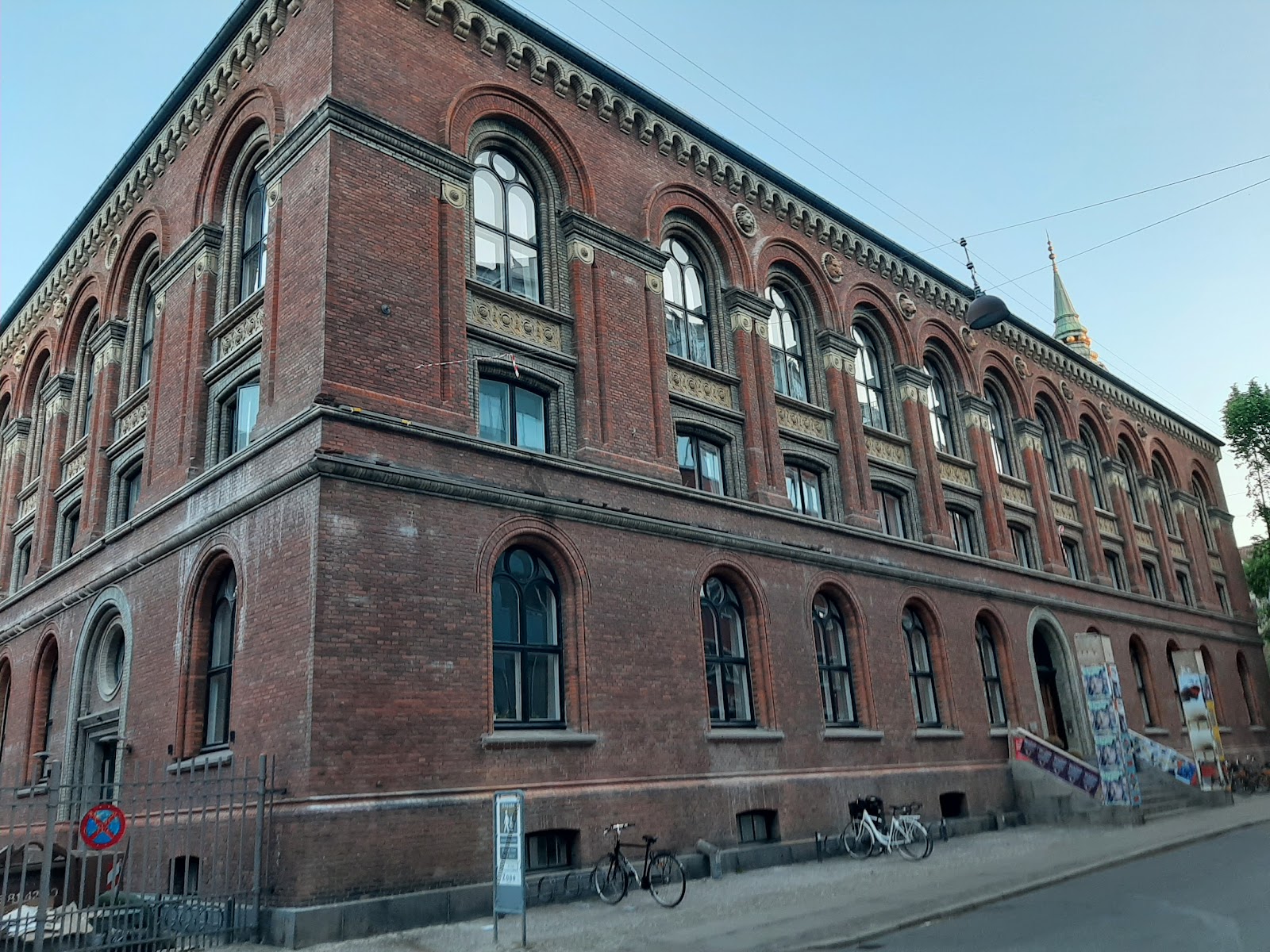 #1
#1 University of Copenhagen
Copenhagen, 🇩🇰 Denmark
$13k - $20k/yr 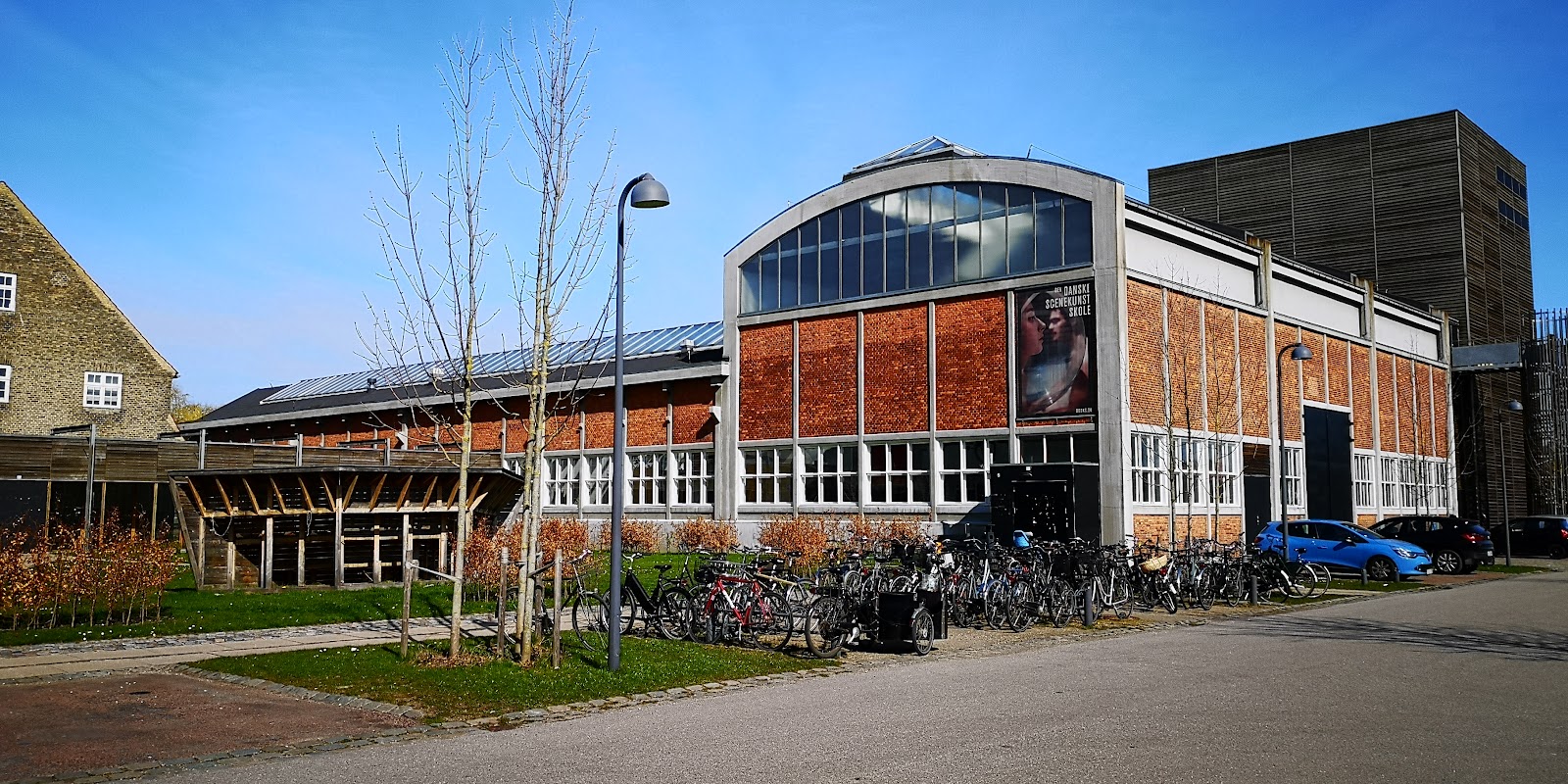 #1
Aid
#1
Aid
The Danish National School of Performing Arts
Copenhagen, 🇩🇰 Denmark
Public $10k - $15k/yr 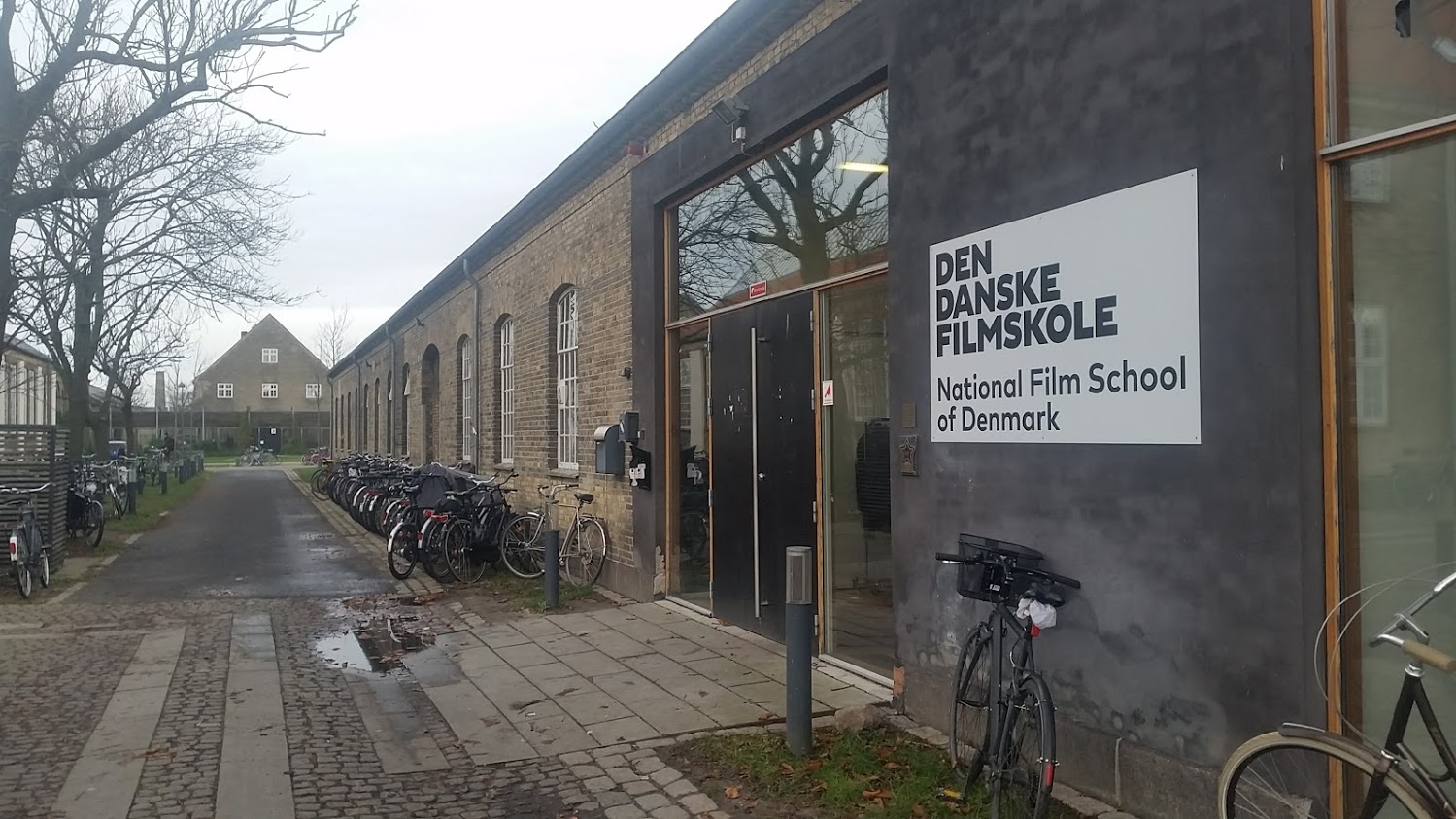 #1
Aid
#1
Aid
National Film School of Denmark
Copenhagen, 🇩🇰 Denmark
Public $11k - $16k/yr 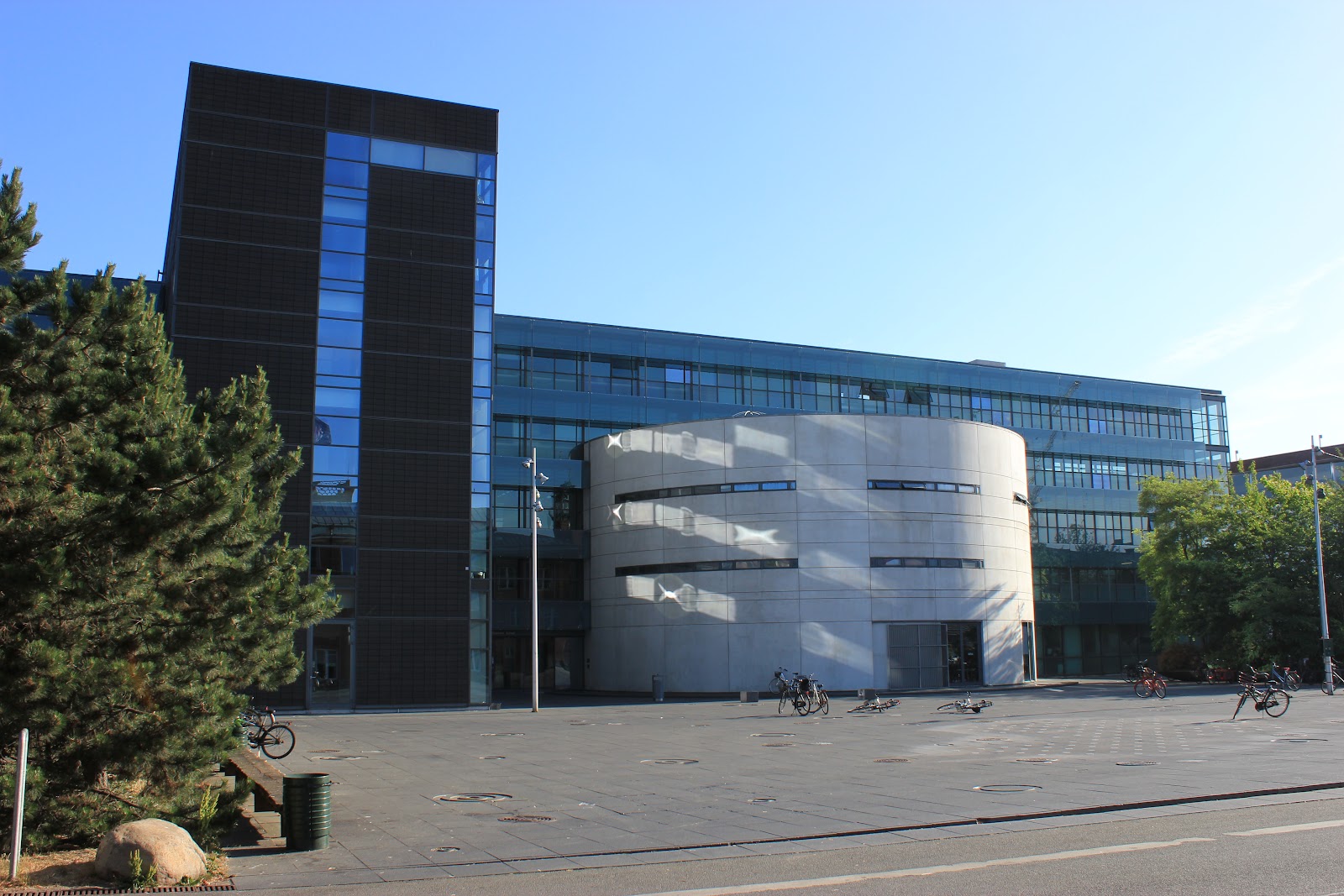 #6
Aid
#6
Aid
Copenhagen Business School
Copenhagen, 🇩🇰 Denmark
Public $15k - $25k/yr  #9
Aid
#9
Aid
University College Copenhagen
Copenhagen, 🇩🇰 Denmark
Public $7k - $11k/yr  #11
#11 Royal Danish Academy
Copenhagen, 🇩🇰 Denmark
Public $11k - $16k/yr  #18
Aid
#18
Aid
NEXT - Copenhagen Vocational College
Copenhagen, 🇩🇰 Denmark
Public $7.6k - $10.6k/yr  #21
Aid
#21
Aid
Copenhagen School of Design and Technology
Copenhagen, 🇩🇰 Denmark
Public $8.5k - $12k/yr Need help applying?
AI-powered tools to manage applications, track deadlines, and get matched.