
University of Stuttgart
Stuttgart, 🇩🇪 Germany
#22 National #310 QS World
#22 National #310 QS World #251 THE #301 ARWU
Founded 1829 €1.7k/yr
About University of Stuttgart
The University of Stuttgart, a public research university founded in 1829, is located in Stuttgart, Germany. It is recognized as one of Germany's oldest technical universities and a member of TU9, an association of leading German Institutes of Technology. The university is globally and nationally recognized in prominent university rankings, consistently placing among the top universities worldwide and within Germany for various subjects.
The University of Stuttgart is organized into 10 faculties and is internationally recognized for engineering, natural sciences, architecture, and computer science, while also offering strong programs in humanities and social sciences. Its teaching approach is research-guided and emphasizes interdisciplinary and modular studies, notably through the "Stuttgart Way," which integrates engineering, natural sciences, humanities, and social sciences. The university has two Clusters of Excellence, "Integrative Computational Design and Construction for Architecture" and "Data-Integrated Simulation Science," focusing on pioneering research and interdisciplinary collaboration.
The University of Stuttgart provides extensive support for international students, including a special welcome program and personal counseling before, during, and after their studies. A significant portion of the student body, over 20%, comprises international students, highlighting the university's commitment to inclusivity and internationalization. While Bachelor's programs are generally taught in German, the university offers an increasing number of English-taught Master's programs, particularly in engineering, natural sciences, and information technology. Support programs like the Buddy Program and Intercultural Mentoring Program also aid cultural integration.
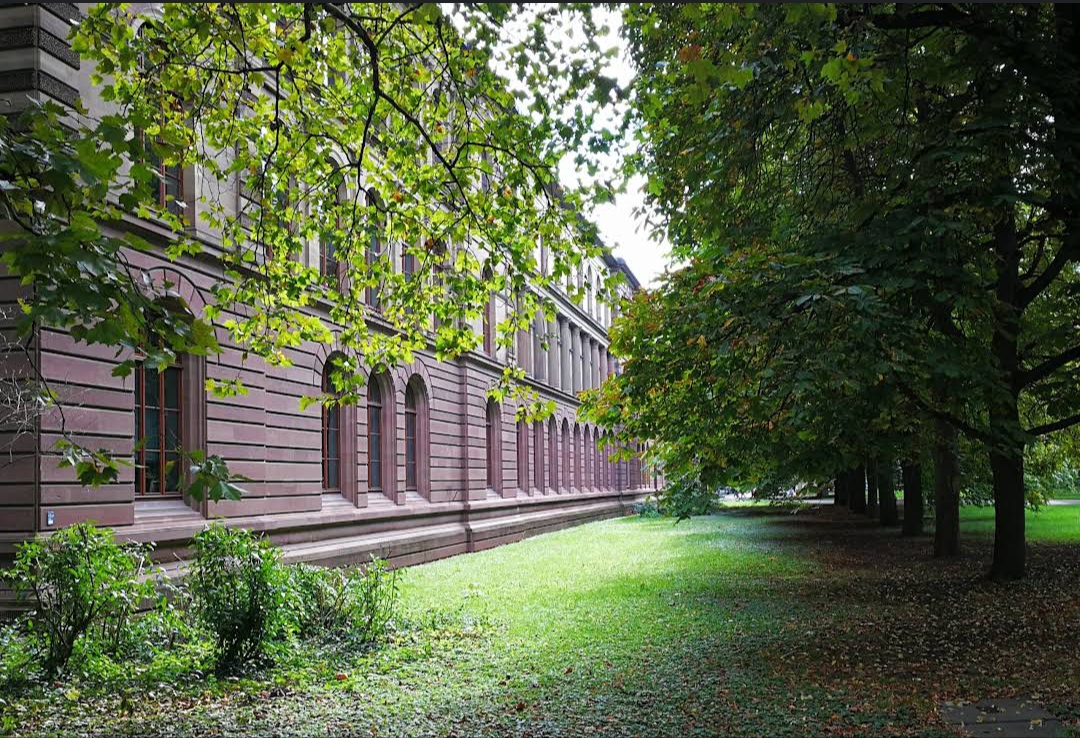
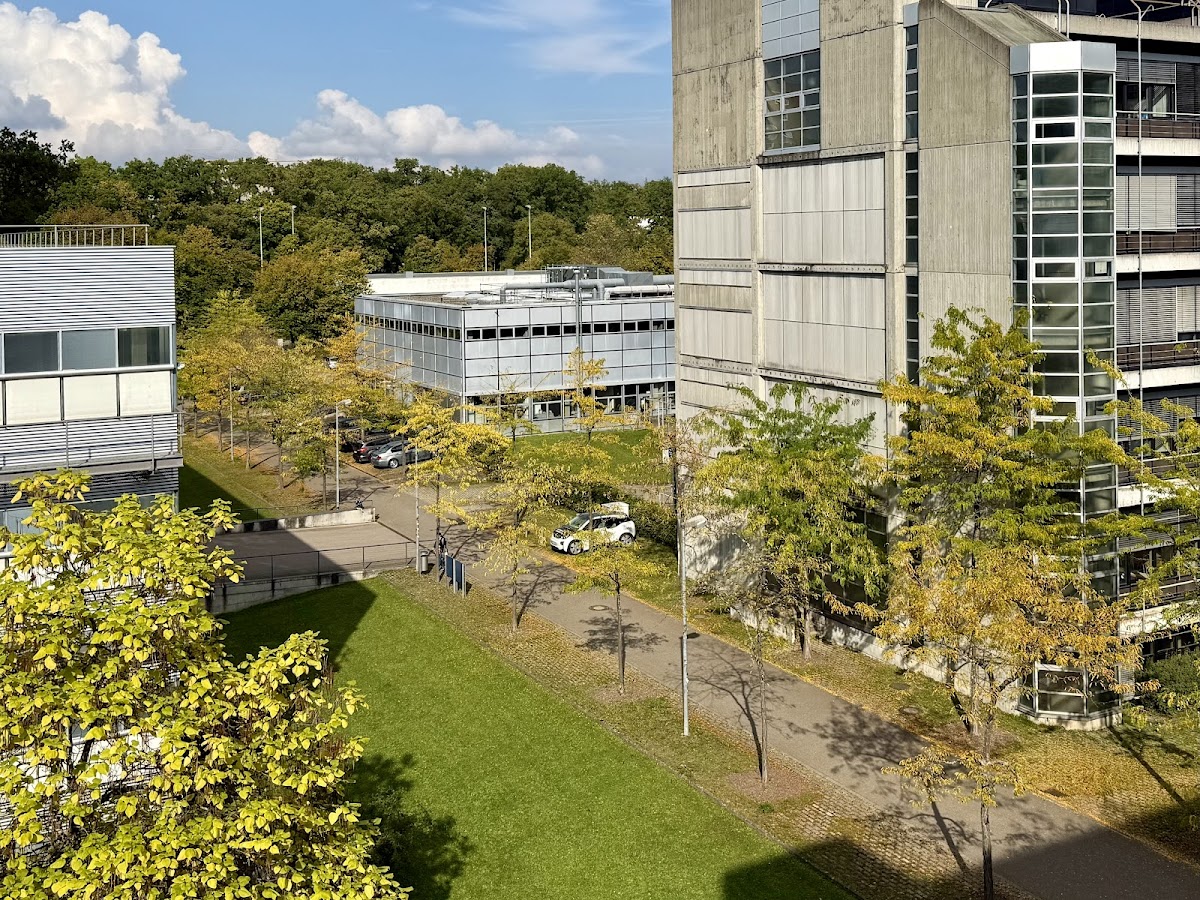
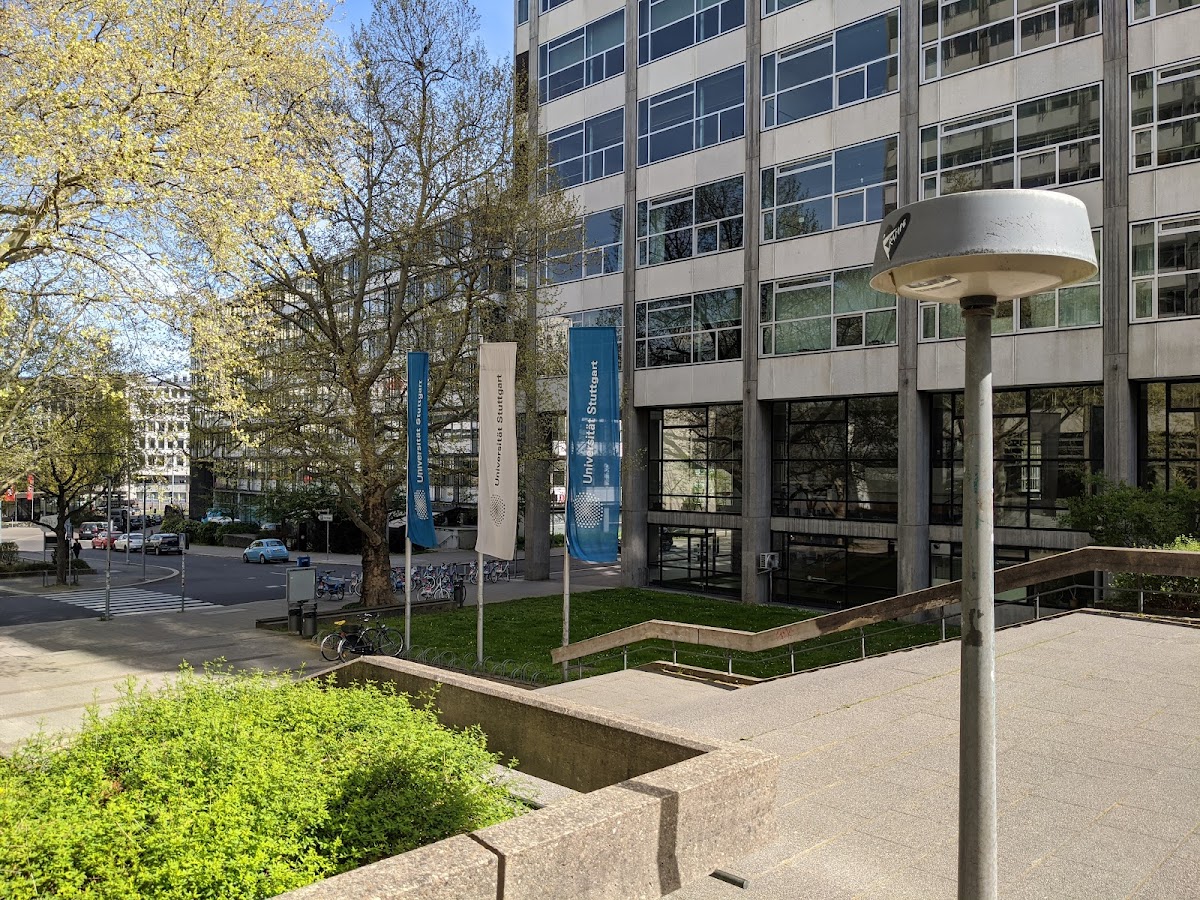
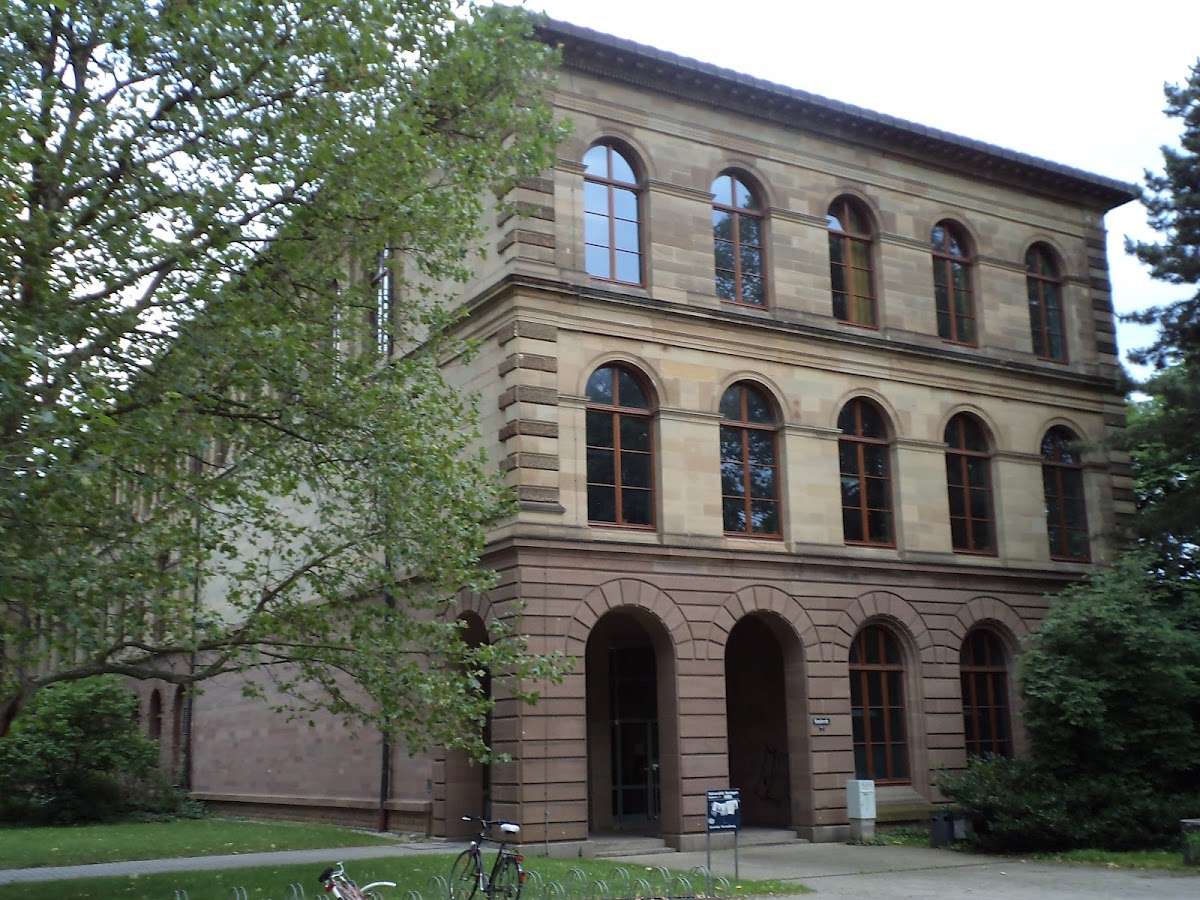
The University of Stuttgart has two well-connected campuses and is closely integrated into the cultural life of Stuttgart, a city with a population of about 600,000. Stuttgart boasts an efficient public transport network, including S-Bahn trains, the U-Bahn metro, and VVS buses, making it easy to navigate the city and reach major attractions without a car. Nearby attractions include the Mercedes-Benz Museum, Porsche Museum, Schlossplatz, Wilhelma Zoo and Botanical Garden, and the panoramic Fernsehturm. For those seeking a break from city life, destinations like Schloss Solitude, Ludwigsburg, and Tübingen are easily accessible.
University of Stuttgart graduates benefit from excellent career prospects and are highly sought-after professionals in Germany. A significant majority of graduates, around 90% of both Bachelor's and Master's degree holders, find employment within six months of graduating. The university's Transfer Center (TRACES) strengthens partnerships between the university, industry, society, and politics, offering career counseling, startup consulting, and opportunities for industrial cooperation. Graduates also report attractive starting salaries, with Master's graduates earning approximately 5,000 EUR gross monthly on average.
Academics
The University of Stuttgart is organized into 10 faculties and is internationally recognized for engineering, natural sciences, architecture, and computer science, while also offering strong programs in humanities and social sciences. Its teaching approach is research-guided and emphasizes interdisciplinary and modular studies, notably through the "Stuttgart Way," which integrates engineering, natural sciences, humanities, and social sciences. The university has two Clusters of Excellence, "Integrative Computational Design and Construction for Architecture" and "Data-Integrated Simulation Science," focusing on pioneering research and interdisciplinary collaboration.
International Students
The University of Stuttgart provides extensive support for international students, including a special welcome program and personal counseling before, during, and after their studies. A significant portion of the student body, over 20%, comprises international students, highlighting the university's commitment to inclusivity and internationalization. While Bachelor's programs are generally taught in German, the university offers an increasing number of English-taught Master's programs, particularly in engineering, natural sciences, and information technology. Support programs like the Buddy Program and Intercultural Mentoring Program also aid cultural integration.
Campus & Location
The University of Stuttgart has two well-connected campuses and is closely integrated into the cultural life of Stuttgart, a city with a population of about 600,000. Stuttgart boasts an efficient public transport network, including S-Bahn trains, the U-Bahn metro, and VVS buses, making it easy to navigate the city and reach major attractions without a car. Nearby attractions include the Mercedes-Benz Museum, Porsche Museum, Schlossplatz, Wilhelma Zoo and Botanical Garden, and the panoramic Fernsehturm. For those seeking a break from city life, destinations like Schloss Solitude, Ludwigsburg, and Tübingen are easily accessible.
Career Outcomes
University of Stuttgart graduates benefit from excellent career prospects and are highly sought-after professionals in Germany. A significant majority of graduates, around 90% of both Bachelor's and Master's degree holders, find employment within six months of graduating. The university's Transfer Center (TRACES) strengthens partnerships between the university, industry, society, and politics, offering career counseling, startup consulting, and opportunities for industrial cooperation. Graduates also report attractive starting salaries, with Master's graduates earning approximately 5,000 EUR gross monthly on average.
Highlights
- Oldest technical university
- TU9 leading member
- Engineering and natural sciences focus
- High international student body
- Two excellence clusters
- Research-guided interdisciplinary studies
Student Life & Support
Campus Housing
Photos
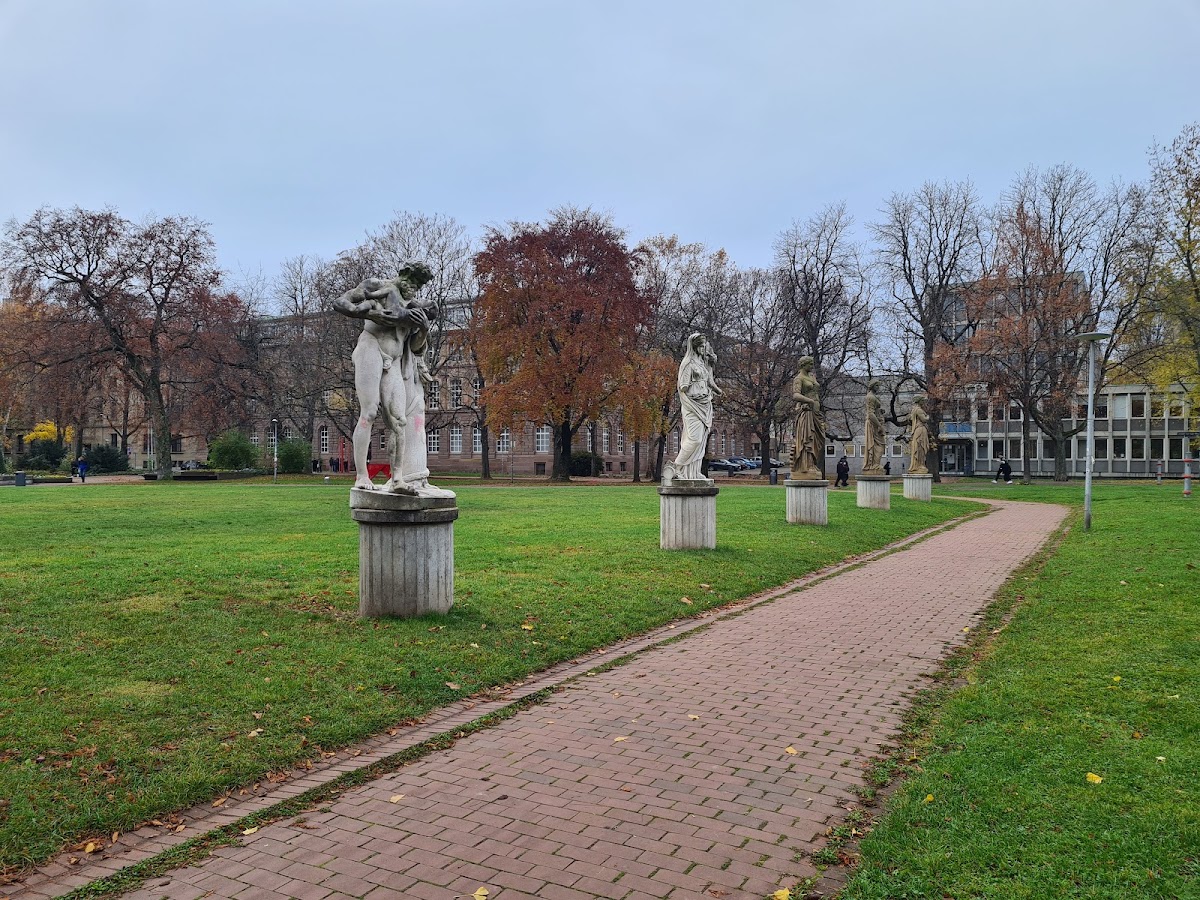
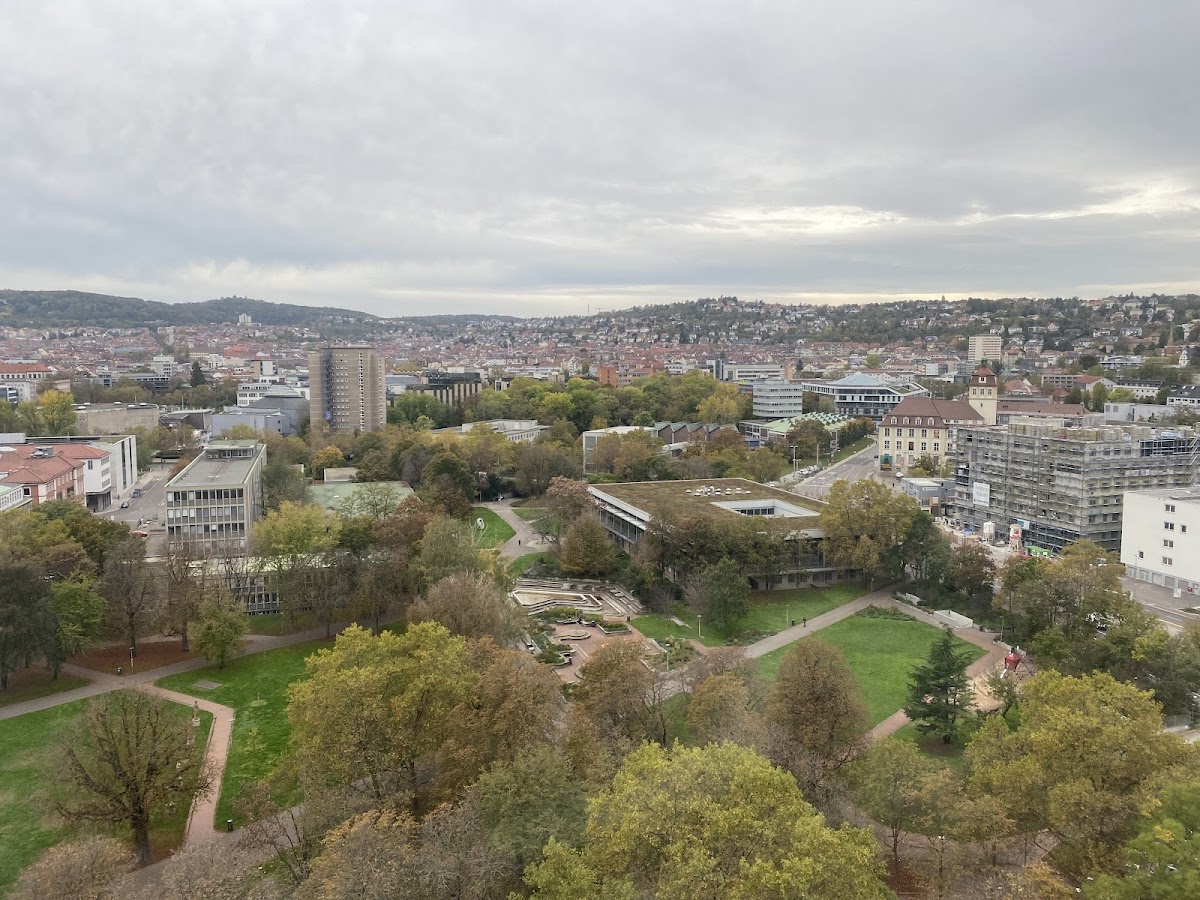
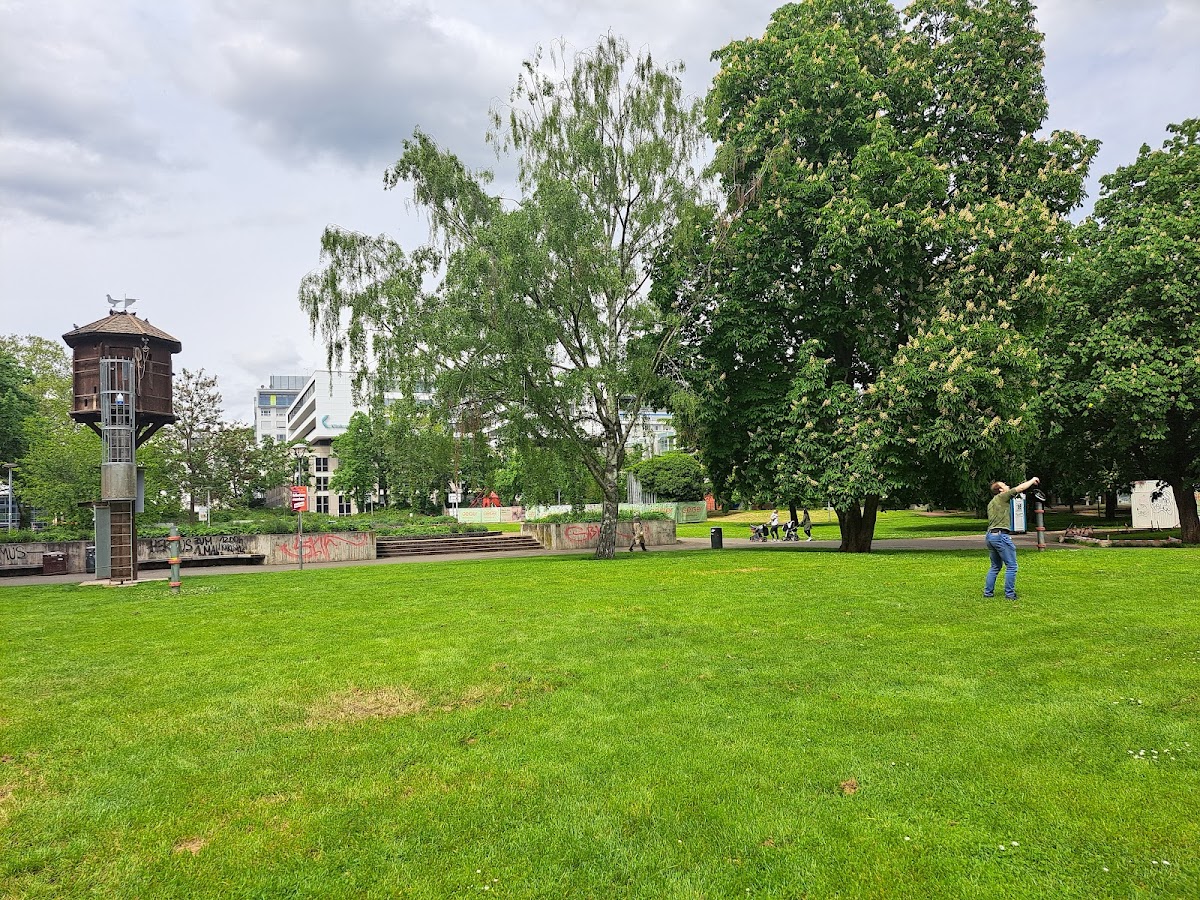
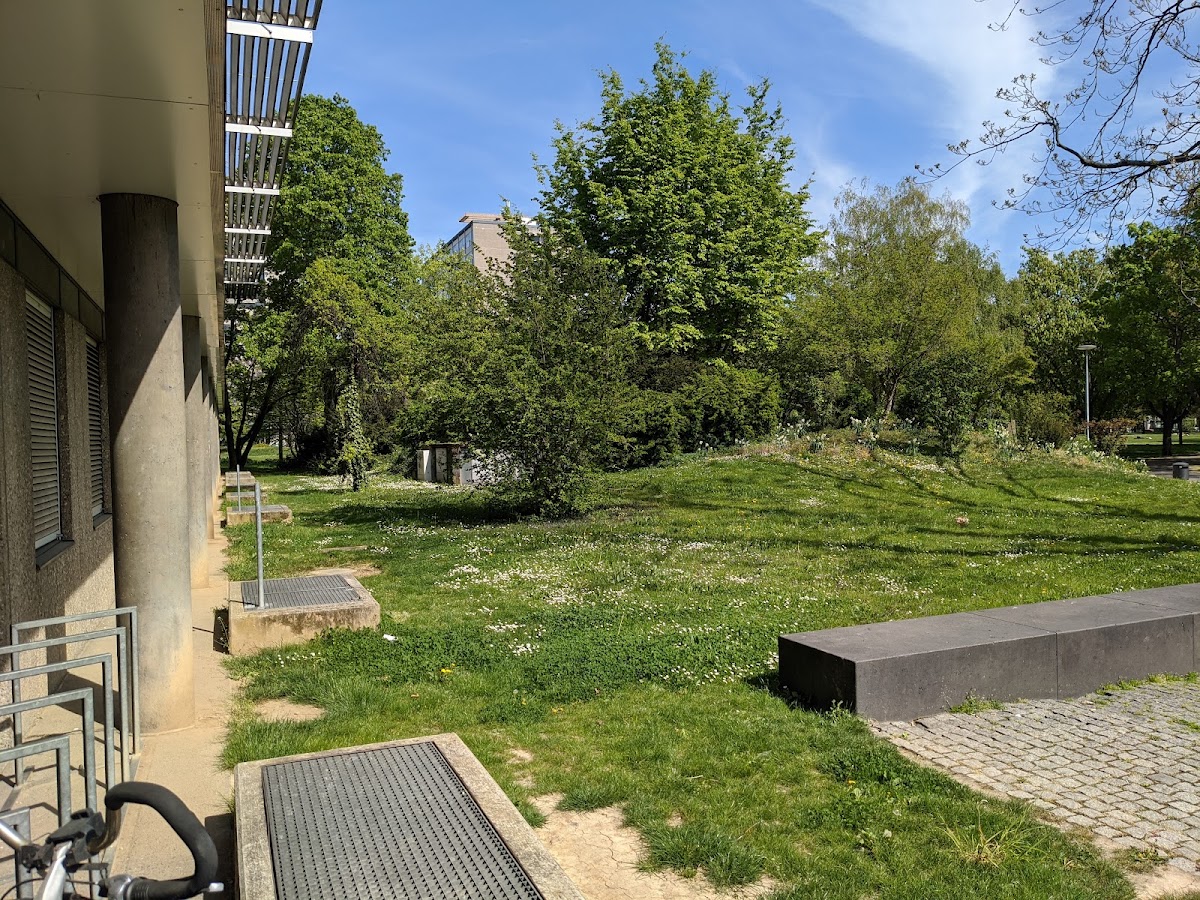
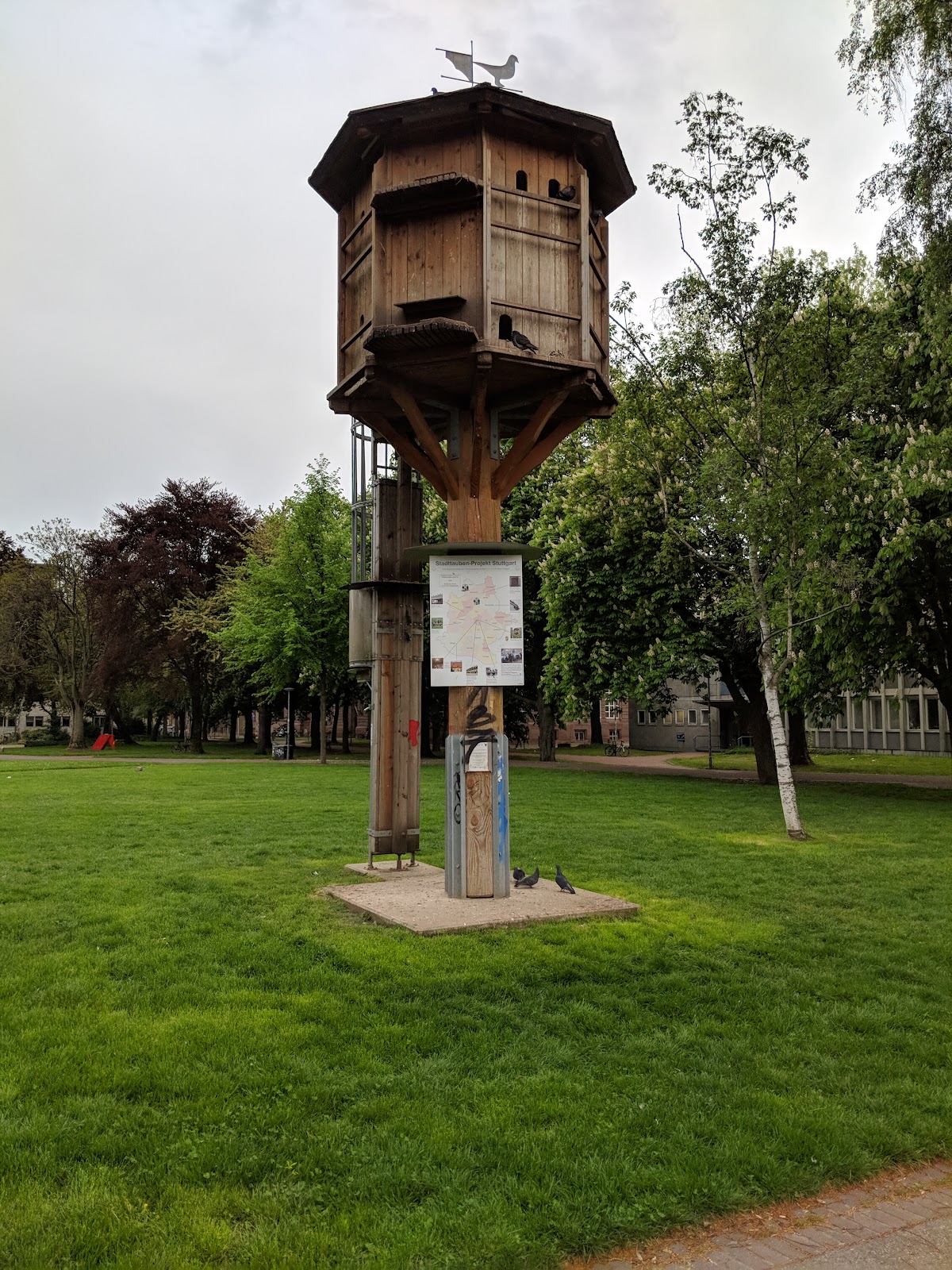
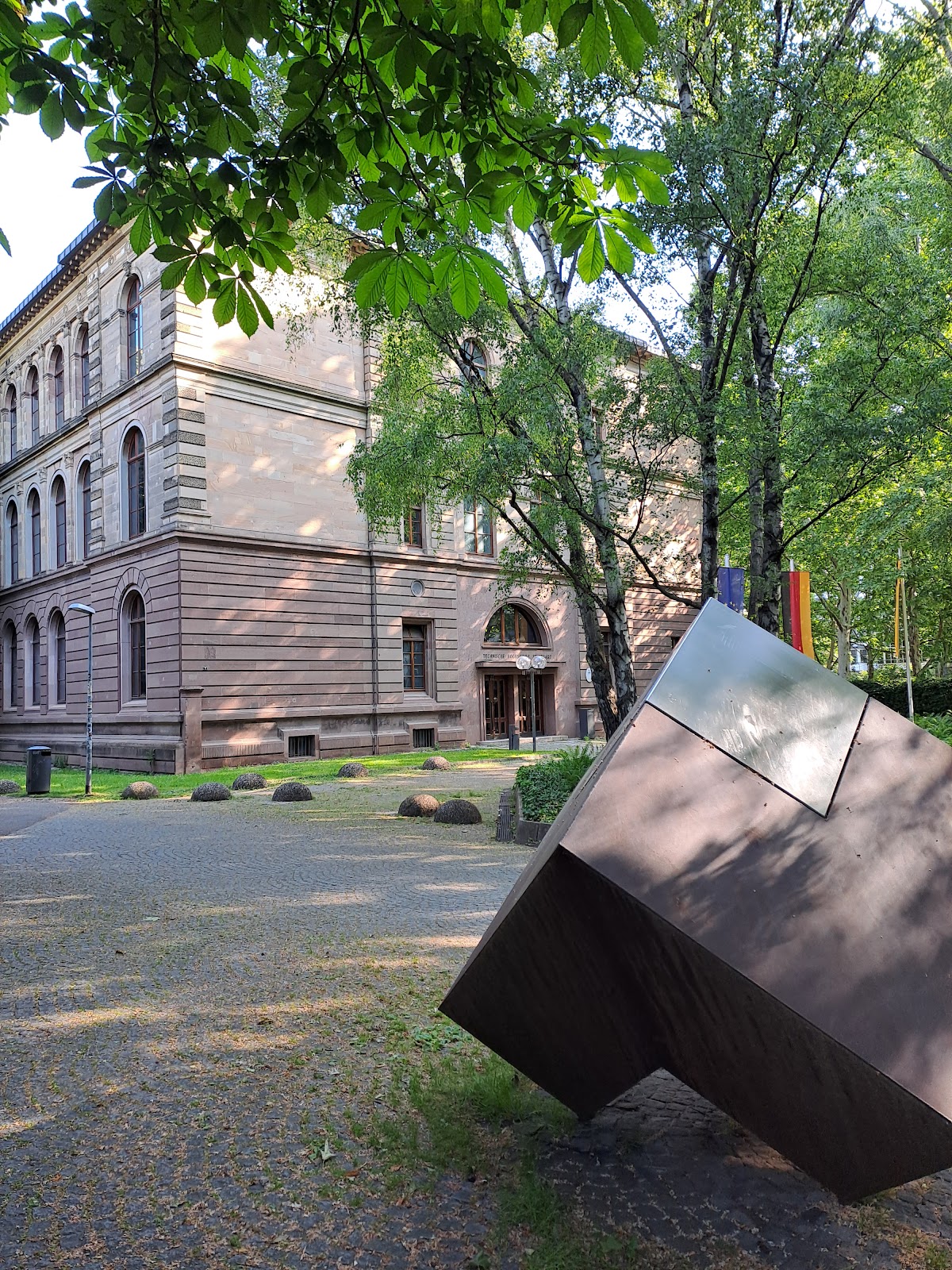
Offers programs in:
Arts & Design Computer Science Engineering Humanities Natural Sciences Physics & Chemistry
Bachelor Programs (7)
Technical Biology
STEM
Biology
Biology
72 months German Full-time
€3,000/yr
Computer Science
STEM
Computer Science
General Computer Science
72 months German Full-time
€3,000/yr
Mechatronics
STEM
Engineering
General Engineering
72 months German Full-time
€3,000/yr
Aerospace Engineering
STEM
Engineering
General Engineering
72 months German Full-time
€3,000/yr
Civil Engineering
STEM
Engineering
General Engineering
72 months German Full-time
€3,000/yr
Mechanical Engineering
STEM
Engineering
General Engineering
72 months German Full-time
€3,000/yr
Mathematics
STEM
Mathematics
72 months German Full-time
€3,000/yr
Master Programs (10)
Architecture
STEM
Architecture
Architecture
24 months German Full-time
€3,000/yr
Business Administration and Engineering
STEM
Business and Engineering
General Engineering
24 months German Full-time
€3,000/yr
Computational Linguistics
STEM
Computer Science
General Computer Science
24 months German Full-time
€3,000/yr
Renewable Energies
STEM
Engineering
General Engineering
24 months English Full-time
€3,000/yr
Automotive Engineering
STEM
Engineering
General Engineering
24 months English Full-time
€3,000/yr
Electrical Engineering and Information Technology
STEM
Engineering
General Engineering
24 months English Full-time
€3,000/yr
Water Resources Engineering and Management
STEM
Engineering
General Engineering
24 months English Full-time
€3,000/yr
Computational Mechanics
STEM
Engineering
General Engineering
24 months English Full-time
€3,000/yr
Geodesy and Geoinformatics
STEM
Geosciences
24 months English Full-time
€3,000/yr
Materials Science
STEM
Materials Science
Materials Engineering
24 months English Full-time
€3,000/yr
PhD Programs (3)
Chemistry
STEM
Chemistry
Chemistry
36 months English Full-time
Philosophy
Humanities
General Humanities
36 months German Full-time
Physics
STEM
Physics
Physics
36 months English Full-time
Acceptance Rate Open (60%+)
Tuition (per year) €1.7k/yr
Ready to apply to University of Stuttgart?
Abroadly helps you manage applications, track deadlines, and get matched to programs.
More Universities in Stuttgart
View all →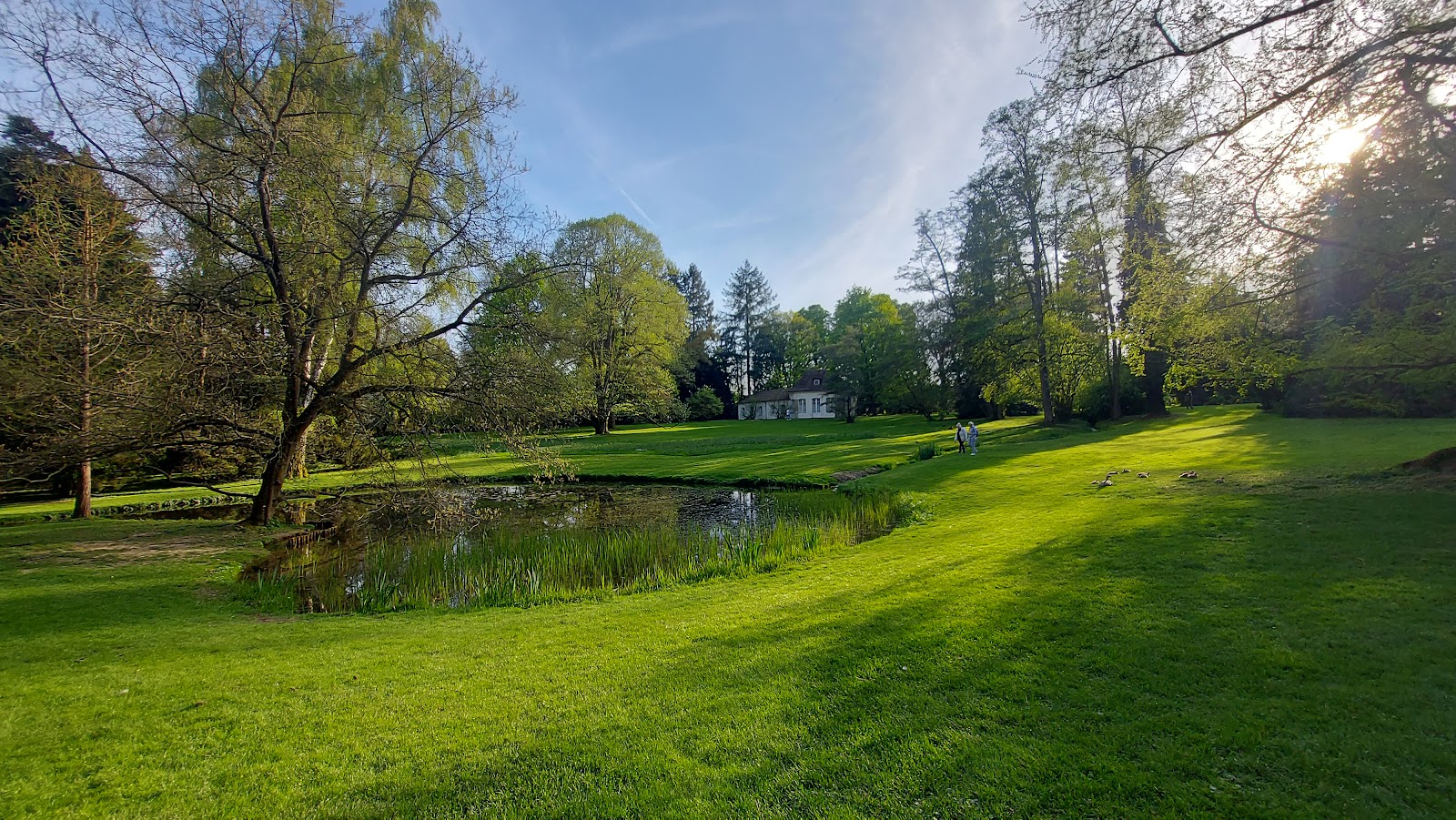 #32
#32 University of Hohenheim
Stuttgart, 🇩🇪 Germany
€3k - €18k/yr 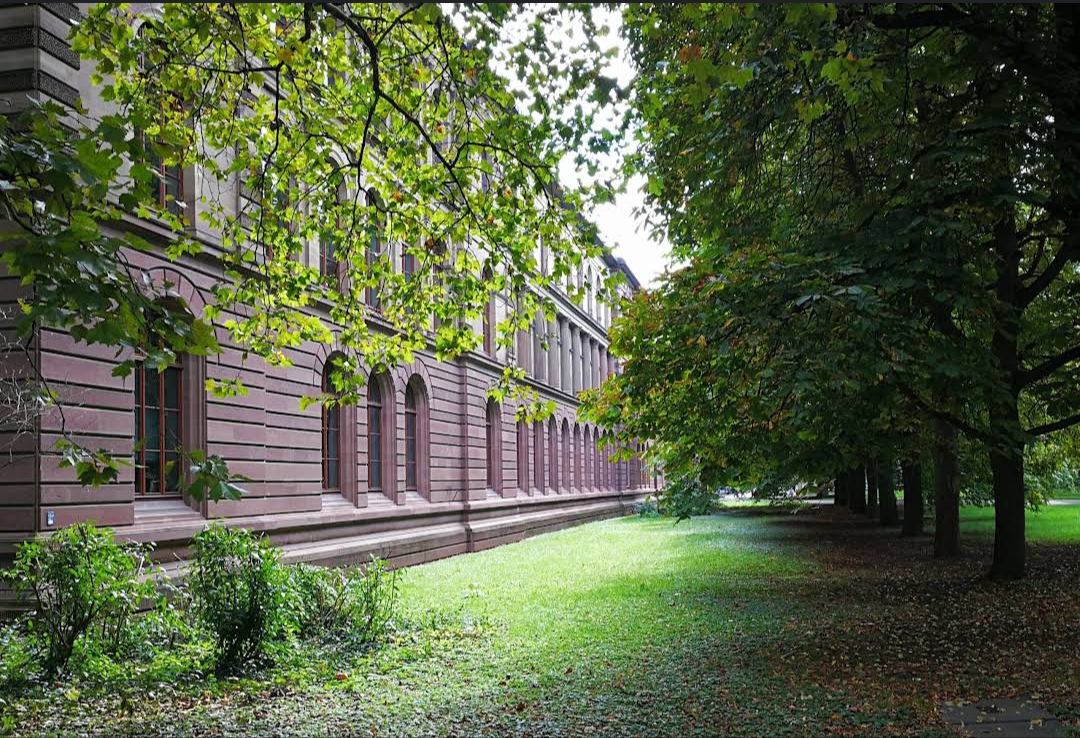
Universität Stuttgart
Stuttgart, 🇩🇪 Germany
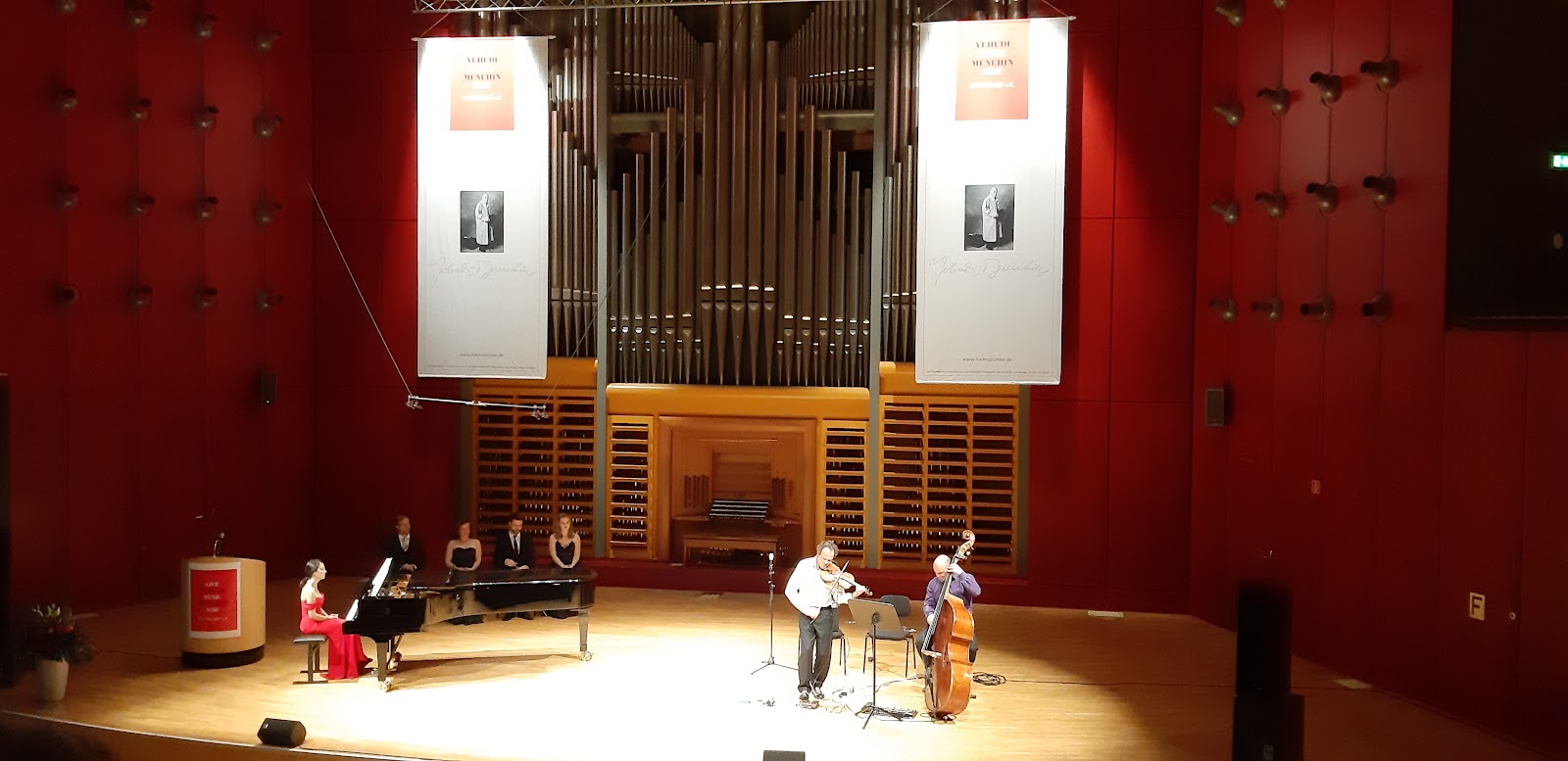
Hochschule für Musik und Darstellende Kunst Stuttgart
Stuttgart, 🇩🇪 Germany
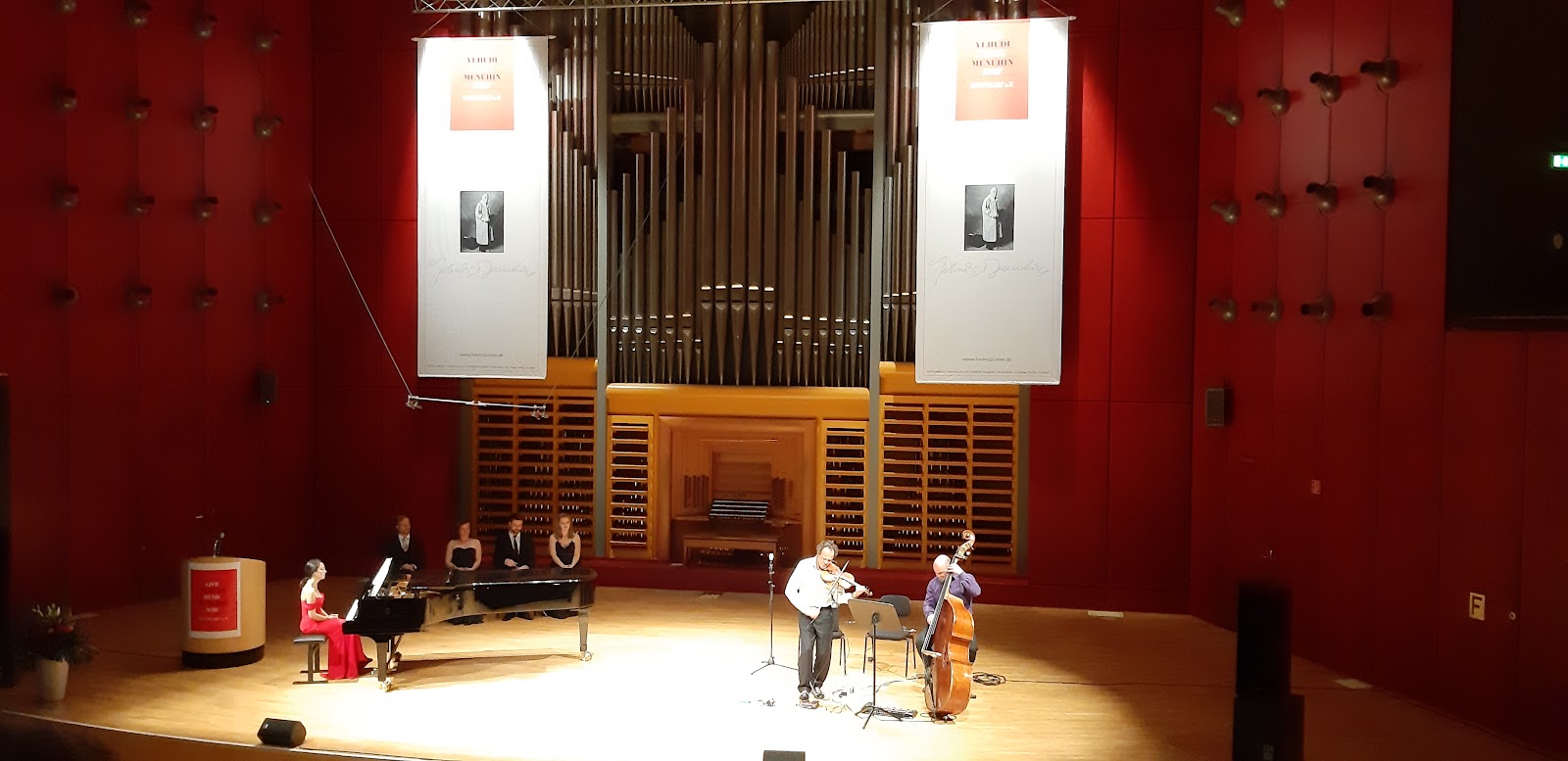
Staatliche Hochschule für Musik und Performing Arts Stuttgart
Stuttgart, 🇩🇪 Germany
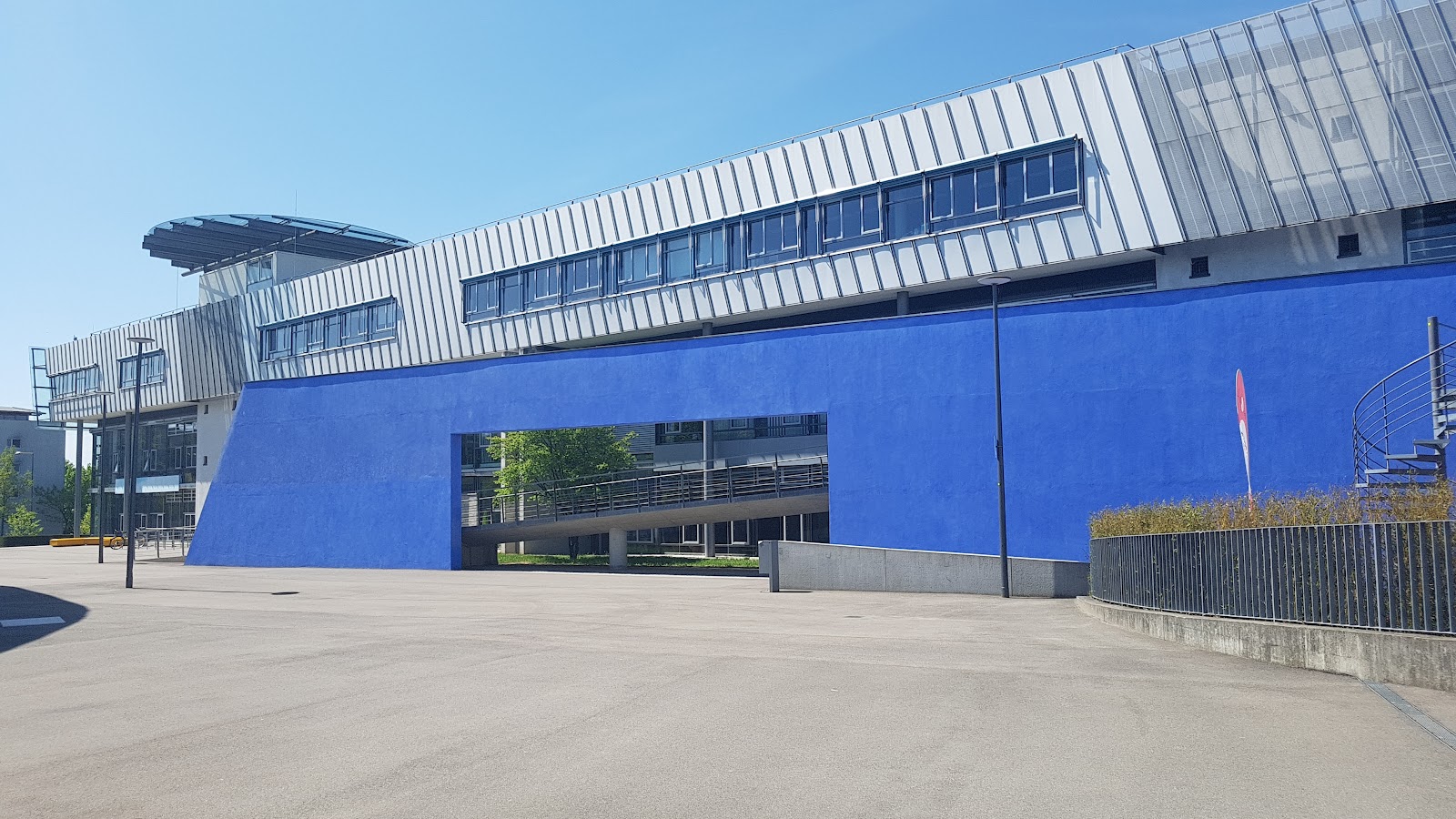
Hochschule für Medien Stuttgart
Stuttgart, 🇩🇪 Germany
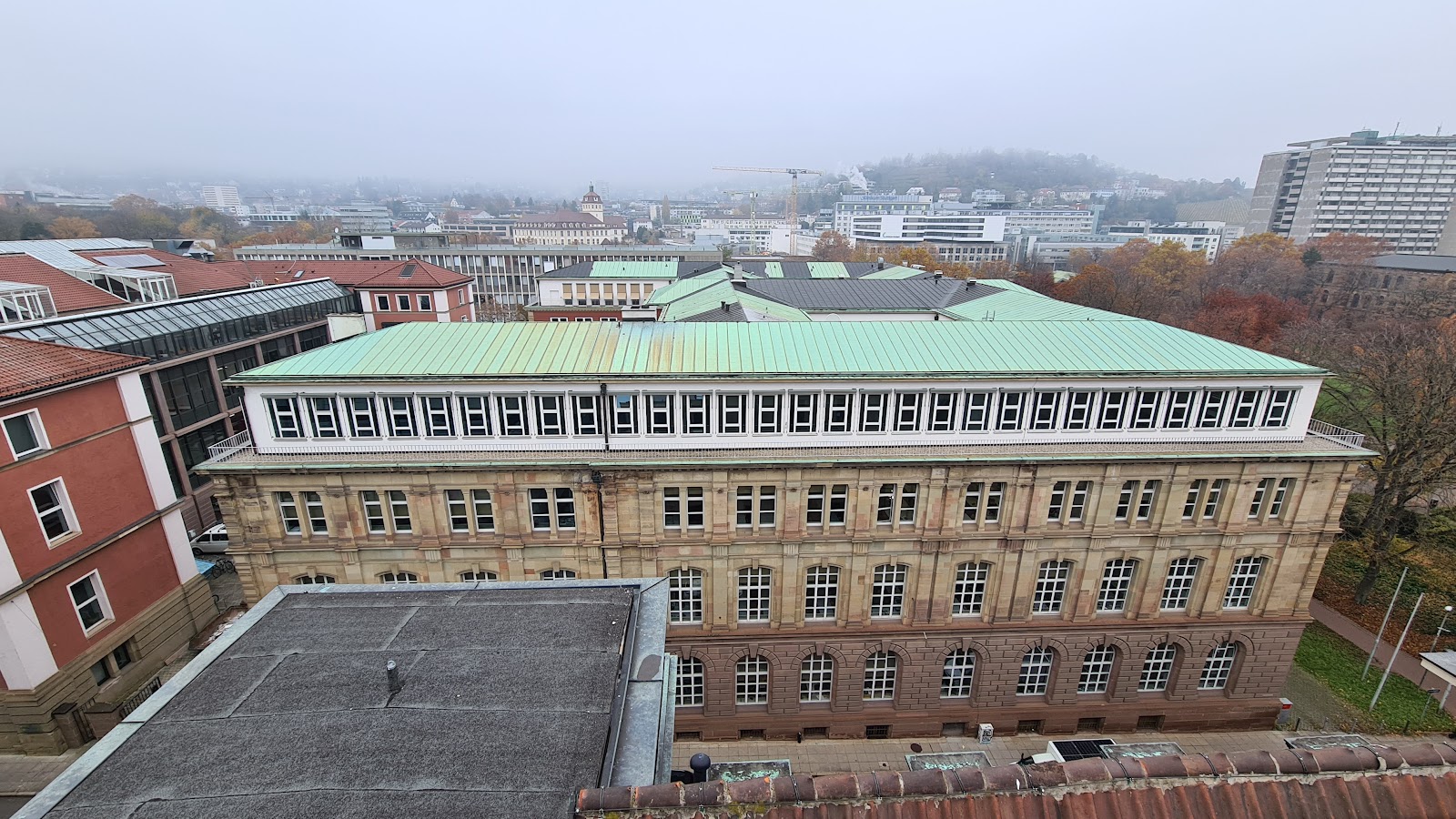
Hochschule für Technik Stuttgart
Stuttgart, 🇩🇪 Germany
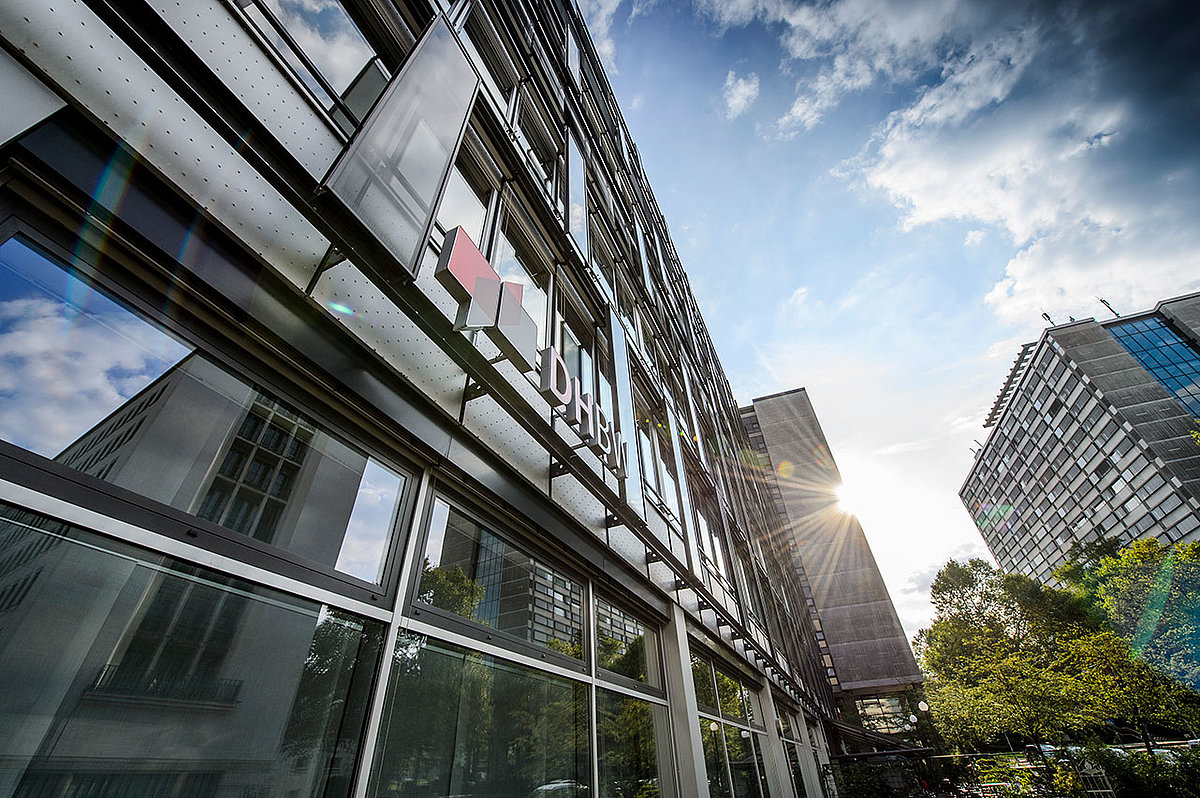
Duale Hochschule Baden-Württemberg
Stuttgart, 🇩🇪 Germany
Need help applying?
AI-powered tools to manage applications, track deadlines, and get matched.