
Hamburg University of Technology
Hamburg, 🇩🇪 Germany
#42 National #696 QS World
#42 National #696 QS World #501 THE #901 ARWU
Founded 1978 €362 - €7.1k/yr
About Hamburg University of Technology
The Hamburg University of Technology (TUHH) is a distinguished technical university located in Hamburg, Germany, offering a unique profile among German universities with its focus on research and innovative engineering solutions. It provides a vibrant academic environment for aspiring engineers and scientists from around the globe, emphasizing interdisciplinary collaboration and practical experience.
TUHH offers a wide array of engineering and natural sciences programs, with a strong emphasis on research-oriented teaching. Key faculties cover areas such as Civil Engineering, Electrical Engineering, Computer Science, Mechanical Engineering, and Process Engineering. The university is particularly noted for its interdisciplinary approach, fostering collaboration between different fields to address complex challenges in areas like aviation, maritime technology, and environmental engineering. Notable programs often include strong practical components and opportunities for early involvement in research projects.
TUHH is committed to supporting its international student body, offering various services to facilitate their integration and academic success. A growing number of master's programs are taught entirely in English, making them highly accessible to non-German speakers. The International Office provides comprehensive support, including assistance with admission, visa procedures, accommodation, and cultural integration through various events and programs. While specific diversity statistics fluctuate, TUHH actively promotes a multicultural campus environment, and numerous student organizations cater to international students' interests and needs.
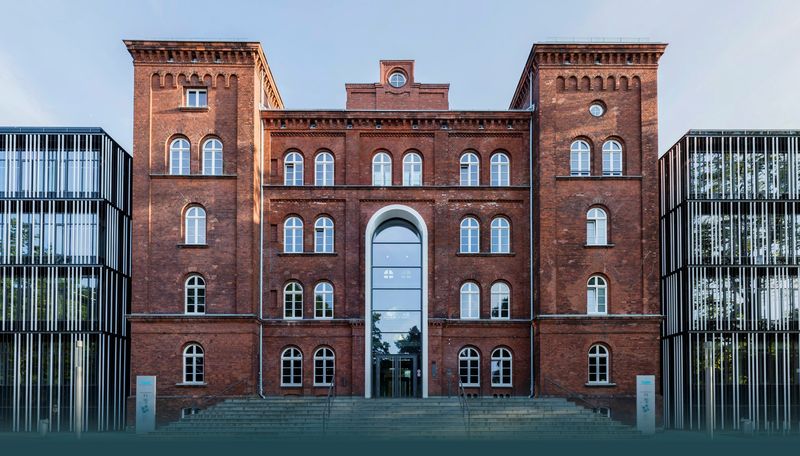
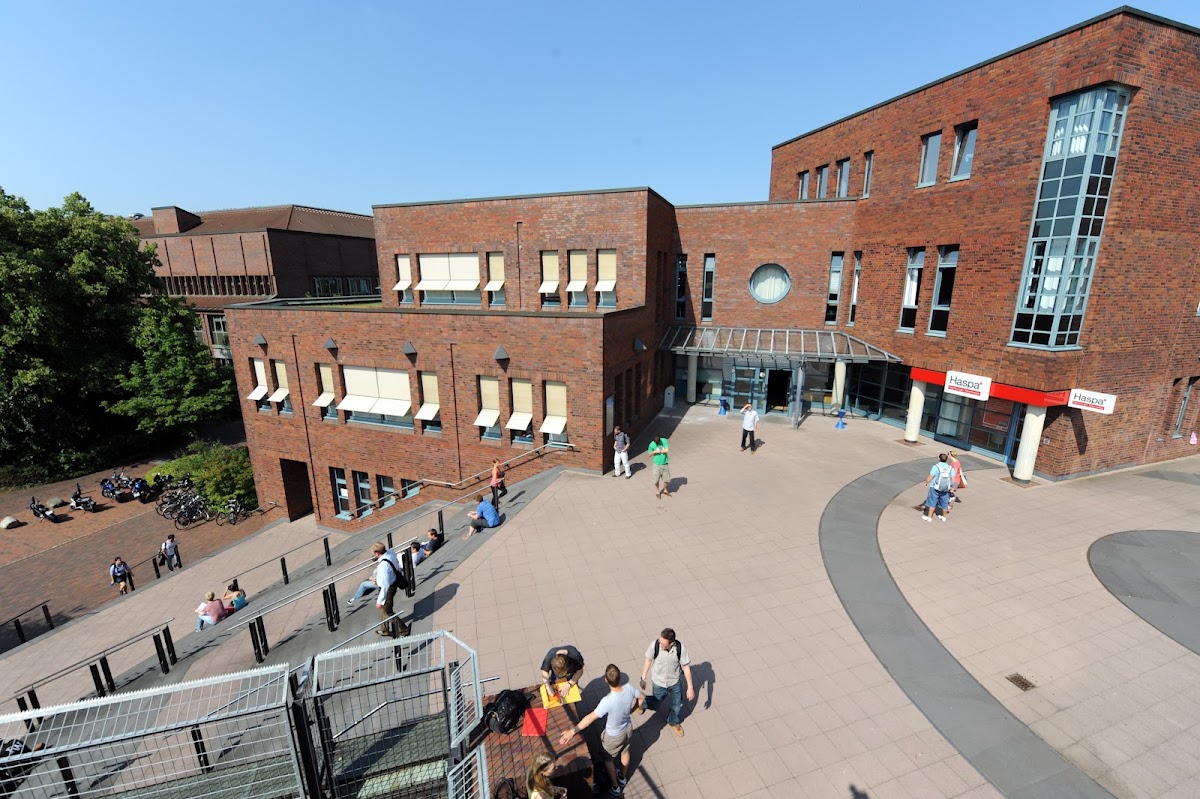
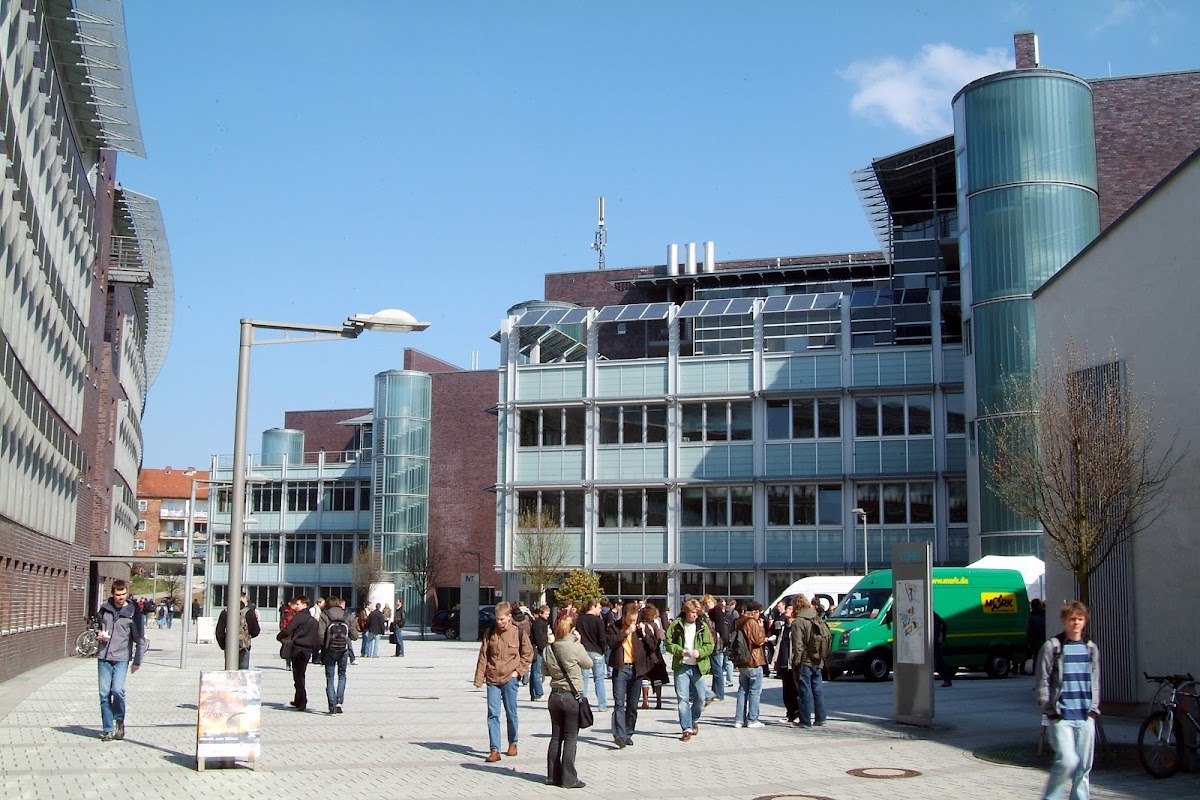
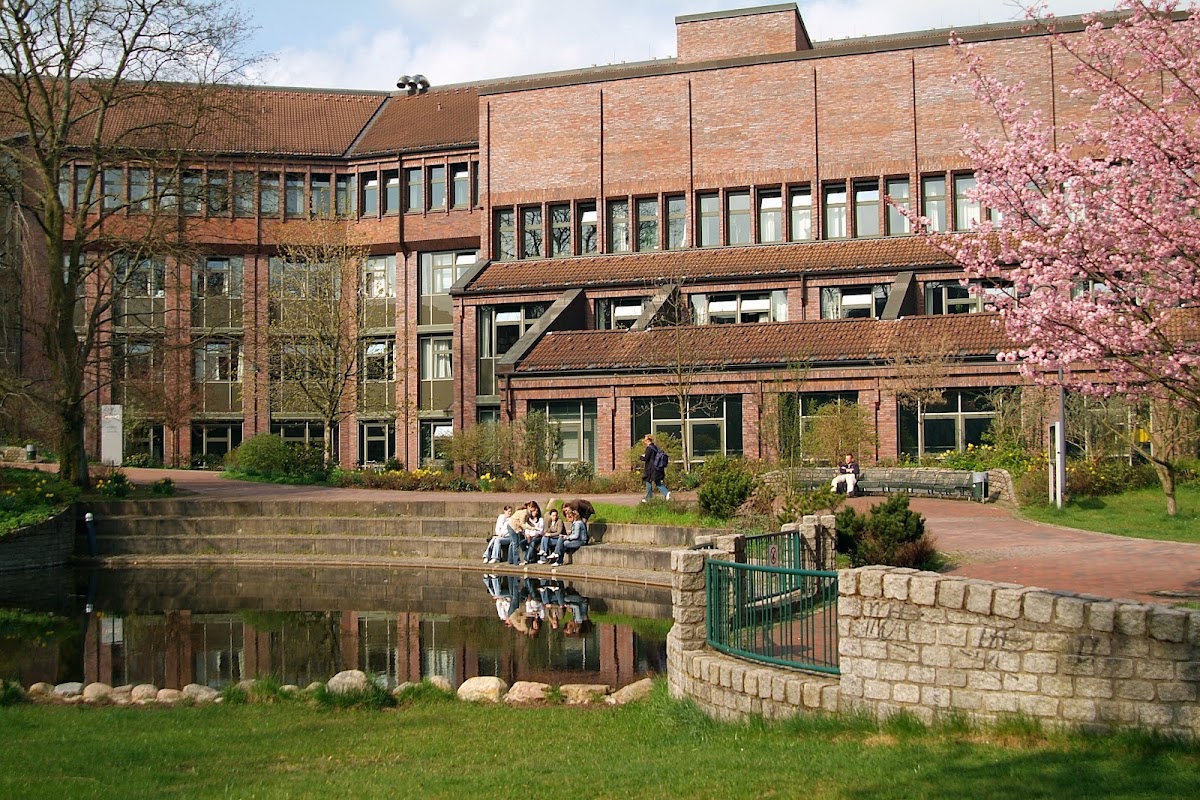
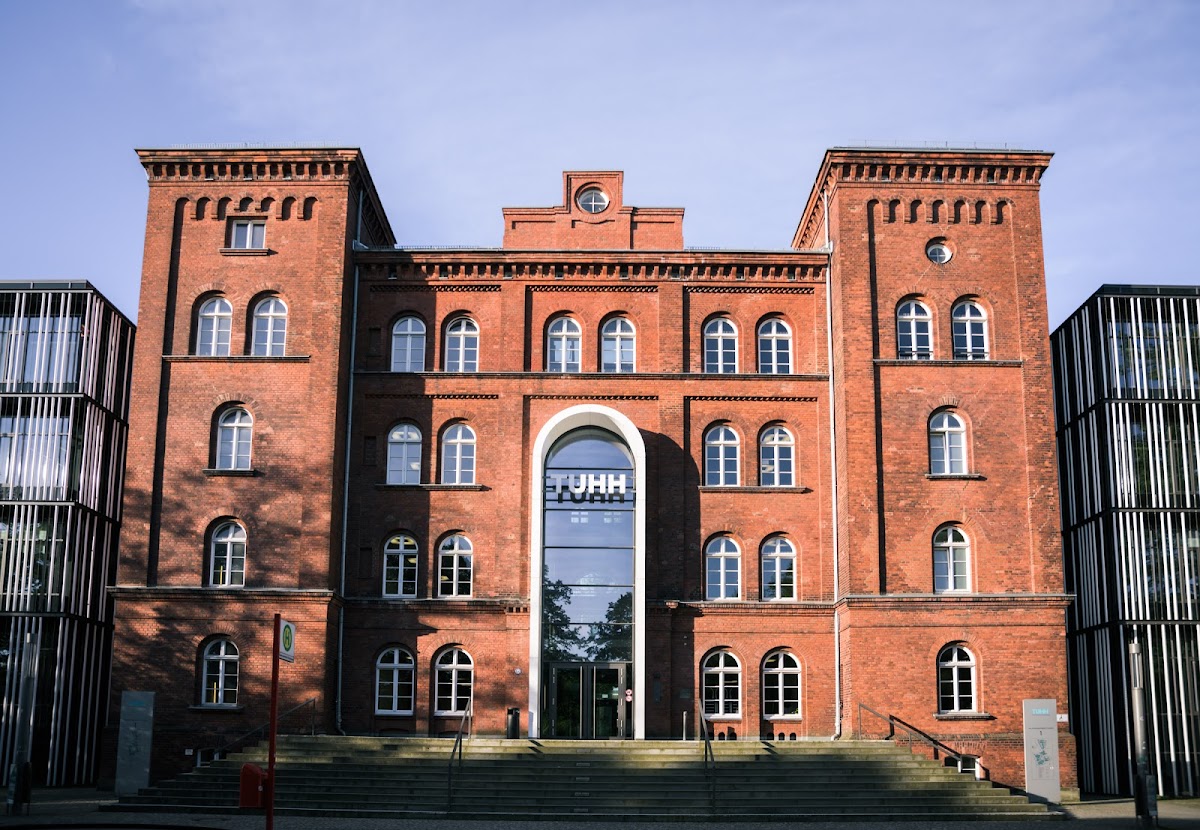
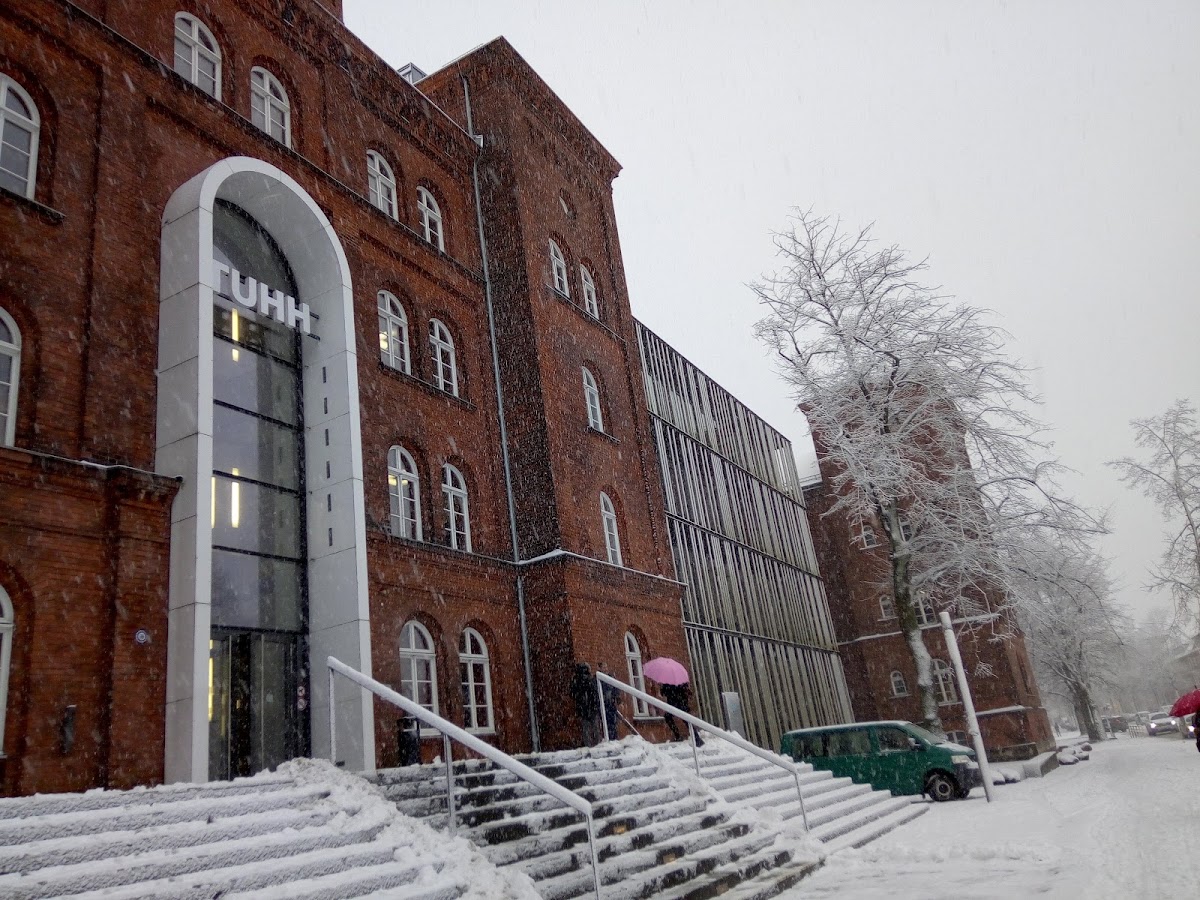
Situated in the lively city of Hamburg, TUHH's campus offers a modern and well-equipped learning environment. Hamburg itself is a dynamic metropolis known for its vibrant cultural scene, extensive waterways, and significant port, providing a stimulating backdrop for student life. The campus is well-connected to the city center by public transportation, allowing easy access to attractions such as the Elbphilharmonie, Speicherstadt, and various museums and parks. The campus features modern laboratories, lecture halls, and student facilities, all within a green and accessible setting.
Graduates from TUHH are highly sought after in various industries due to the university's strong ties with businesses and research institutions. The career services department offers extensive support, including career counseling, workshops, and networking events, to help students transition into professional life. Employment rates for TUHH alumni are generally high, with many finding positions in leading engineering firms, technology companies, and research and development departments both in Germany and internationally. Hamburg's thriving economy, particularly in sectors like aviation, logistics, and renewable energy, provides numerous opportunities for internships and employment, and the university also fosters a supportive environment for aspiring entrepreneurs and startups.
Academics
TUHH offers a wide array of engineering and natural sciences programs, with a strong emphasis on research-oriented teaching. Key faculties cover areas such as Civil Engineering, Electrical Engineering, Computer Science, Mechanical Engineering, and Process Engineering. The university is particularly noted for its interdisciplinary approach, fostering collaboration between different fields to address complex challenges in areas like aviation, maritime technology, and environmental engineering. Notable programs often include strong practical components and opportunities for early involvement in research projects.
International Students
TUHH is committed to supporting its international student body, offering various services to facilitate their integration and academic success. A growing number of master's programs are taught entirely in English, making them highly accessible to non-German speakers. The International Office provides comprehensive support, including assistance with admission, visa procedures, accommodation, and cultural integration through various events and programs. While specific diversity statistics fluctuate, TUHH actively promotes a multicultural campus environment, and numerous student organizations cater to international students' interests and needs.
Campus & Location
Situated in the lively city of Hamburg, TUHH's campus offers a modern and well-equipped learning environment. Hamburg itself is a dynamic metropolis known for its vibrant cultural scene, extensive waterways, and significant port, providing a stimulating backdrop for student life. The campus is well-connected to the city center by public transportation, allowing easy access to attractions such as the Elbphilharmonie, Speicherstadt, and various museums and parks. The campus features modern laboratories, lecture halls, and student facilities, all within a green and accessible setting.
Career Outcomes
Graduates from TUHH are highly sought after in various industries due to the university's strong ties with businesses and research institutions. The career services department offers extensive support, including career counseling, workshops, and networking events, to help students transition into professional life. Employment rates for TUHH alumni are generally high, with many finding positions in leading engineering firms, technology companies, and research and development departments both in Germany and internationally. Hamburg's thriving economy, particularly in sectors like aviation, logistics, and renewable energy, provides numerous opportunities for internships and employment, and the university also fosters a supportive environment for aspiring entrepreneurs and startups.
Highlights
- Research-focused engineering education
- Strong interdisciplinary collaboration
- English-taught master's programs
- Comprehensive international student support
- Modern Hamburg campus location
Student Life & Support
Campus Housing
Photos




Programs Offered at Hamburg University of Technology (20)
Offers programs in:
Bachelor Programs (5)
Civil Engineering
STEM
Civil Engineering
Civil Engineering
civil engineeringstructural engineeringconstruction managementgeotechnical engineeringtransportation engineering
42 months German Full-time
Computer Science
STEM
Computer Science
Computer Science
Hamburg University of Technology bachelors programba computer sciencebachelors computer sciencebachelors computer science germanybachelors computer science hamburg
42 months German Full-time
Electrical Engineering
STEM
Electrical Engineering
Electrical Engineering
bachelor in electrical engineeringbachelor electrical engineeringstudy electrical engineering in germanybachelor in electrical engineering in germanyelectrical engineering program in hamburg
42 months German Full-time
General Engineering Science
STEM
Engineering
Engineering
english-taught bachelor engineeringba engineeringbachelor engineeringbsc engineeringgeneral engineering science
42 months German Full-time
Mechanical Engineering
STEM
Mechanical Engineering
Mechanical Engineering
bachelor in mechanical engineeringbachelor mechanical engineeringbachelor mechanical engineering degreebachelor mechanical engineering programbsc mechanical engineering
42 months German Full-time
Master Programs (10)
Bioprocess Engineering
STEM
Bioprocess Engineering
Bioprocess Engineering
MScbioprocessbioprocess engineeringengineeringgermany
24 months German Full-time
Computational Science and Engineering
STEM
Computational Engineering
Engineering
computationalengineeringgermanygraduatema
24 months English Full-time
Environmental Engineering
STEM
Environmental Engineering
Environmental Engineering
engineeringenvironmentalgermanymastertechnical
24 months German Full-time
Information and Communication Systems
STEM
Information Technology
Information Technology
germanygraduatehamburginformationma
24 months English Full-time
Global Innovation Management
STEM
Innovation Management
Innovation Management
master innovation managementmaster in innovation managementglobal innovation managementstudy abroad innovation management germanyms innovation management
24 months English Full-time
Materials Science and Engineering
STEM
Materials Science
Materials Science
nanomaterialspolymer sciencematerial characterizationmetallurgycomposite materials
24 months German Full-time
Mechatronics
STEM
Mechatronics
Mechatronics
germanyhamburg university of technologymastermechatronics
24 months English Full-time
Naval Architecture and Ocean Engineering
STEM Unique
Naval Architecture
Naval Architecture
naval architecture master Germanyocean engineering HamburgSchiffbau Meerestechnik Master TU Hamburgmarine engineering graduate Germanyship design master Germany
24 months English Full-time
Product Development, Materials and Production
STEM
Product Development
Product Development
MS in product developmentstudy product development in hamburgmaster's product developmentproduct development in hamburgproduct development at hamburg university of technology
24 months German Full-time
Renewable Energy Systems
STEM
Renewable Energy
Renewable Energy
energygermanyhamburgmasterrenewable
24 months English Full-time
PhD Programs (5)
PhD in Civil Engineering
STEM
Civil Engineering
Civil Engineering
civilengineeringgeotechnicalgermanyphd
36 months English Full-time
PhD in Computer Science
STEM
Computer Science
Computer Science
Computer Science PhD programstudy computer scienceComputer Science program abroadPhD programdoctoral degree
36 months English Full-time
PhD in Electrical Engineering
STEM
Electrical Engineering
Electrical Engineering
circuitsdoctoraldoctorateelectricalelectrical engineering
36 months English Full-time
PhD in Mechanical Engineering
STEM
Mechanical Engineering
Mechanical Engineering
affordable Mechanical Engineering phdMechanical Engineering PhDinternational students Mechanical EngineeringHamburg University of Technology Mechanical EngineeringMechanical Engineering program Germany
36 months English Full-time
PhD in Process Engineering
STEM
Process Engineering
Process Engineering
doctoral program process engineeringengineering careerdoctorate in process engineeringprocess engineeringphd in process engineering
36 months English Full-time
Hamburg University of Technology Admissions Requirements & Acceptance Rate
Acceptance Rate Moderate (40-60%)
Tuition (per year) €362 - €7.1k/yr
Ready to apply to Hamburg University of Technology?
Abroadly helps you manage applications, track deadlines, and get matched to programs.
Frequently Asked Questions About Hamburg University of Technology
Common questions from international students considering Hamburg University of Technology.
What is the acceptance rate at Hamburg University of Technology?
Hamburg University of Technology is classified as "Moderate (40-60%)" by admissions selectivity. Acceptance rates vary by program — competitive programs and graduate degrees typically have lower acceptance rates than undergraduate programs.
How much does Hamburg University of Technology cost for international students?
Tuition at Hamburg University of Technology ranges from €362 - €7.1k/yr per year. Costs vary by degree level and program. International students may also need to budget for housing, books, and living expenses.
What is Hamburg University of Technology ranked globally?
Hamburg University of Technology holds the following rankings: QS World #696, Times Higher Education #501, ARWU #901, #42 in Germany. Rankings vary by methodology and subject area — for the most accurate picture, check the specific subject rankings for your intended field of study.
When does Hamburg University of Technology start its semesters?
Hamburg University of Technology has intakes starting in . Application deadlines typically fall 3-6 months before the semester start date. International students should apply earlier due to visa processing times — we recommend submitting applications 6-9 months ahead of the intended start date.
How many English-taught programs does Hamburg University of Technology offer?
Hamburg University of Technology offers 11+ programs taught in English, accessible to international students without local language proficiency. These span Bachelor's, Master's, and PhD levels across multiple disciplines.
Where is Hamburg University of Technology located?
Hamburg University of Technology is located in Hamburg, Germany 🇩🇪. The city offers an international student-friendly environment with access to academic facilities, accommodation, and cultural amenities.
What are the admission requirements for Hamburg University of Technology?
For specific details about Hamburg University of Technology, we recommend reviewing the program-specific information and contacting the admissions office. Each program may have unique requirements and considerations.
What programs does Hamburg University of Technology offer?
For specific details about Hamburg University of Technology, we recommend reviewing the program-specific information and contacting the admissions office. Each program may have unique requirements and considerations.
How does Hamburg University of Technology compare to other universities?
Hamburg University of Technology is a strong choice that compares favorably to peer institutions (QS World #696). Each university has different strengths — we recommend comparing specific programs, location, cost, and graduate outcomes for your field rather than overall rankings alone.
More Universities in Hamburg
View all → #9
#9 University of Hamburg
Hamburg, 🇩🇪 Germany
€11.9k/yr 
Hochschule für Musik Hamburg
Hamburg, 🇩🇪 Germany
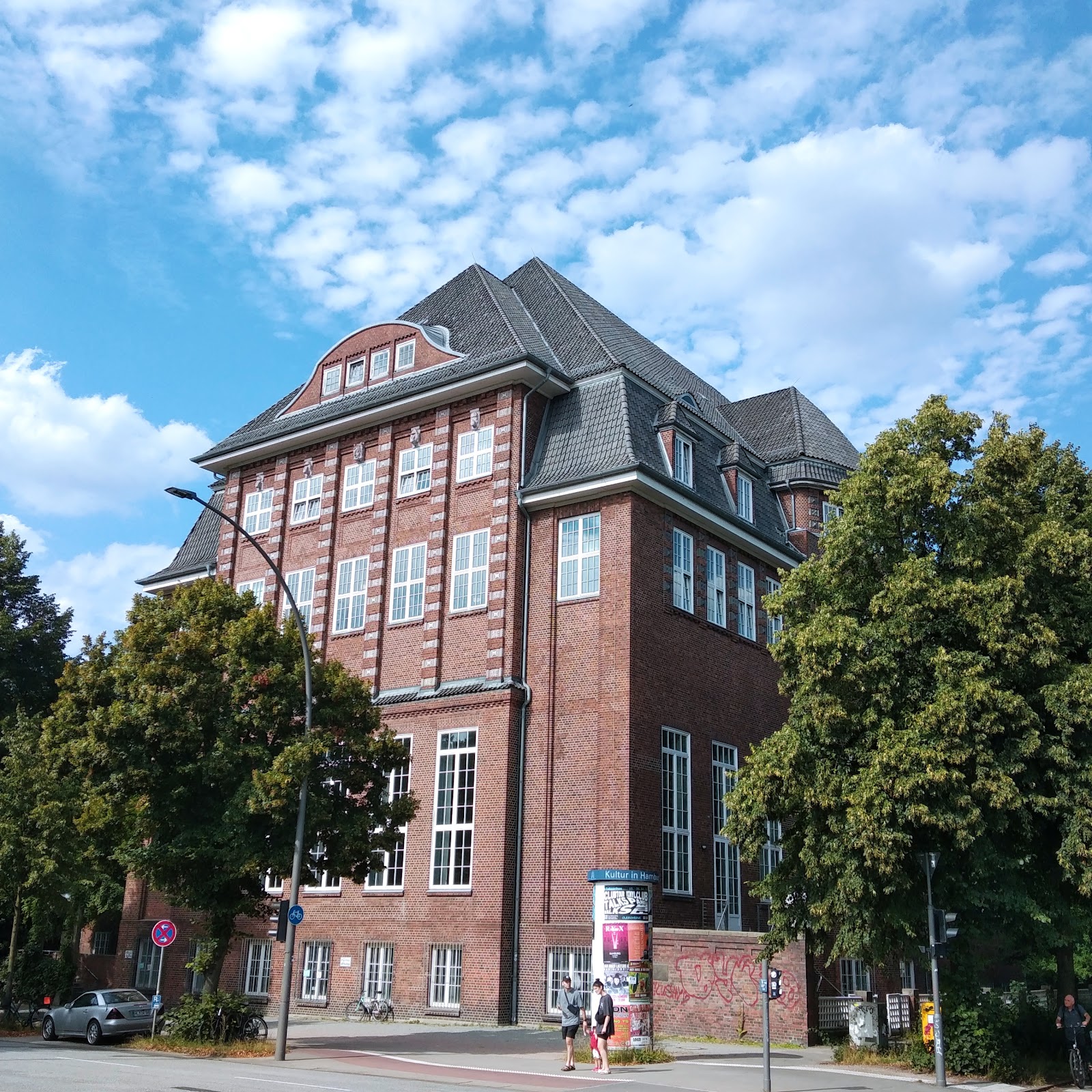
Kunsthochschule Hamburg
Hamburg, 🇩🇪 Germany
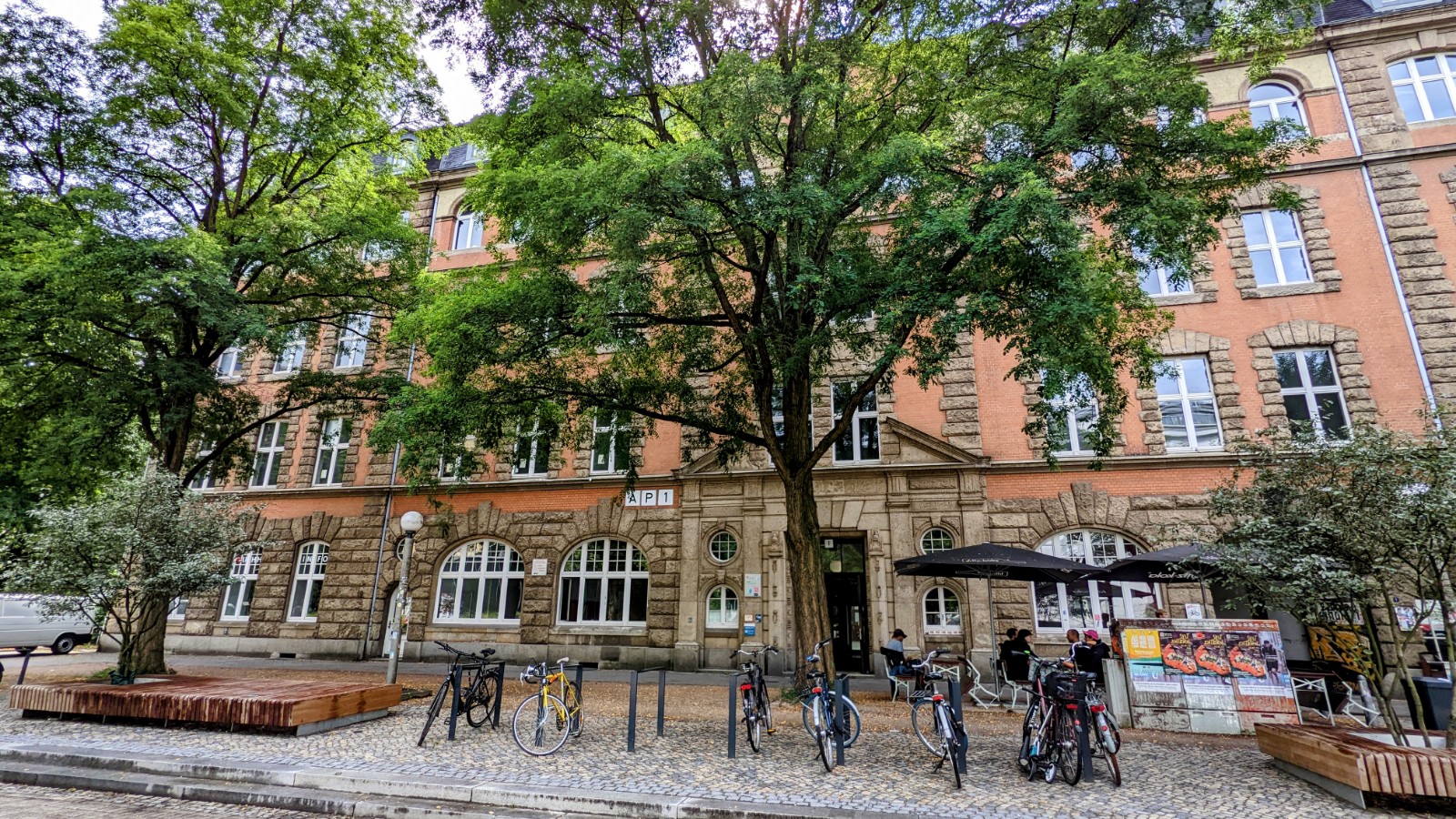
Universität Hamburg
Hamburg, 🇩🇪 Germany
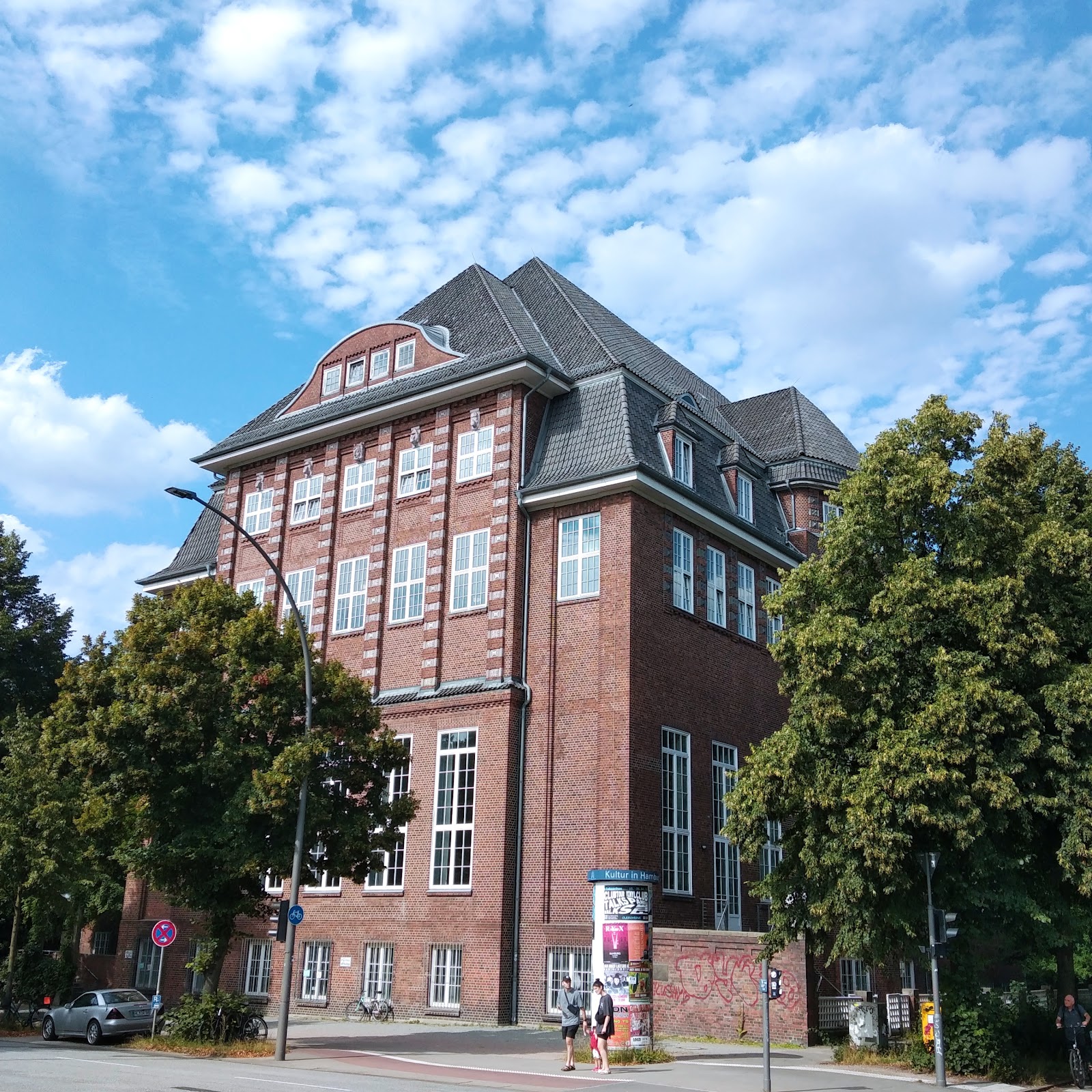
Hochschule für Bildende Künste Hamburg
Hamburg, 🇩🇪 Germany
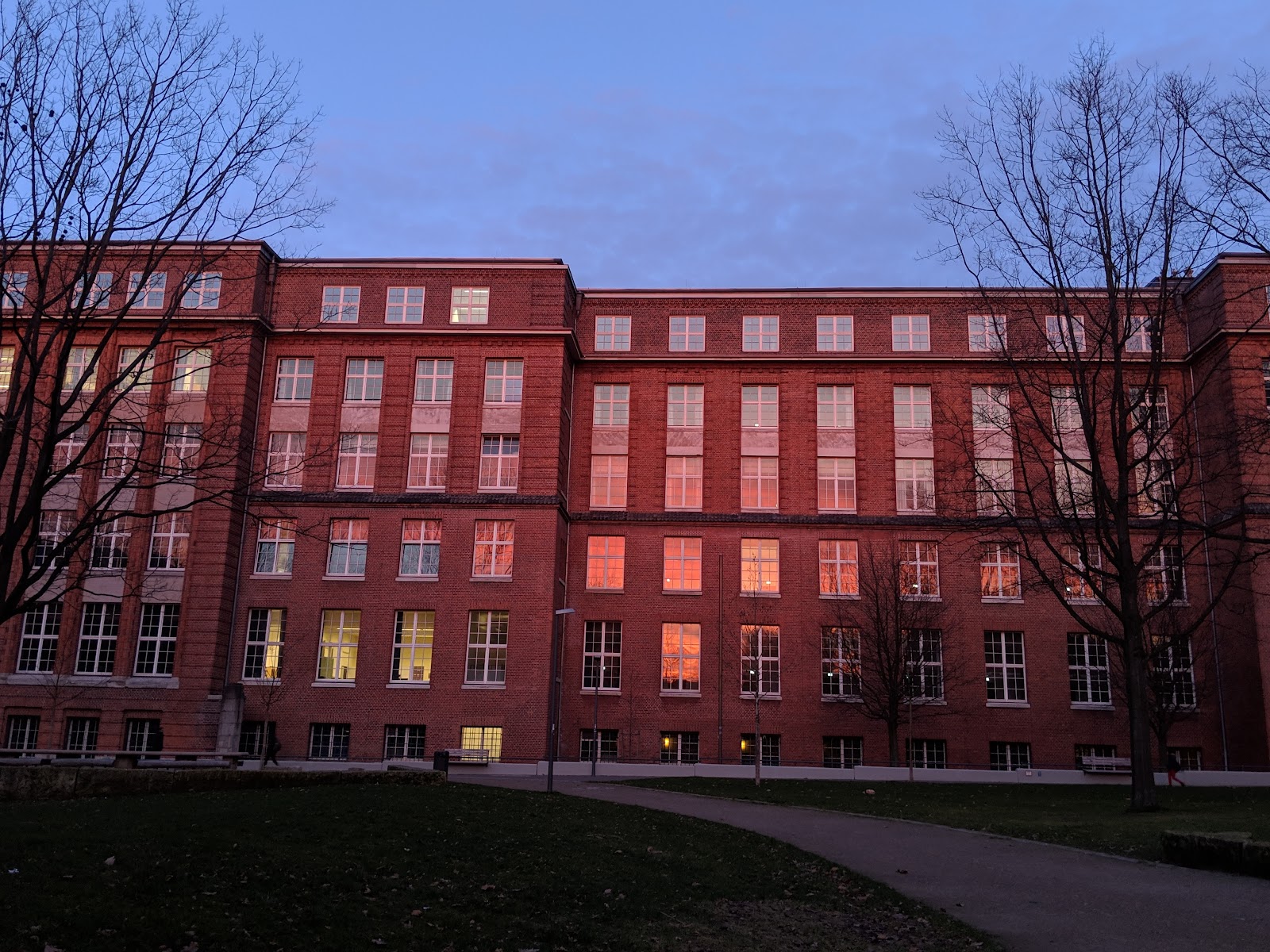
Hochschule für Angewandte Wissenschaften Hamburg
Hamburg, 🇩🇪 Germany
Need help applying?
AI-powered tools to manage applications, track deadlines, and get matched.