
Harbin Institute of Technology
Harbin, 🇨🇳 China Public
#9 National #256 QS World
#9 National #256 QS World #131 THE #101 ARWU
31,181 students 4% international Multiple Campuses $2.4k - $4.8k/yr
About Harbin Institute of Technology
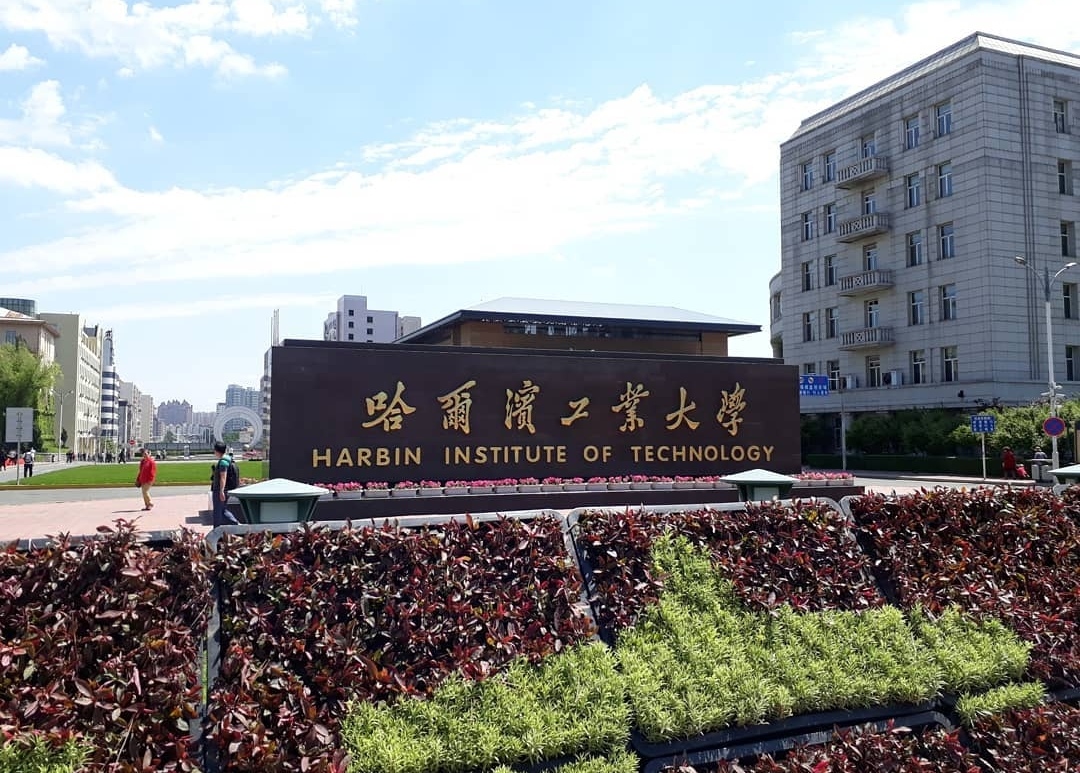
Harbin Institute of Technology (HIT), established in 1920, is a leading multidisciplinary research university in China, renowned as the "Cradle of Engineers." It is a member of the elite C9 League, China's equivalent of the Ivy League, and is consistently ranked among the top universities globally for engineering and science. With campuses in Harbin, Weihai, and Shenzhen, HIT offers a comprehensive academic environment with a strong emphasis on scientific research and innovation.
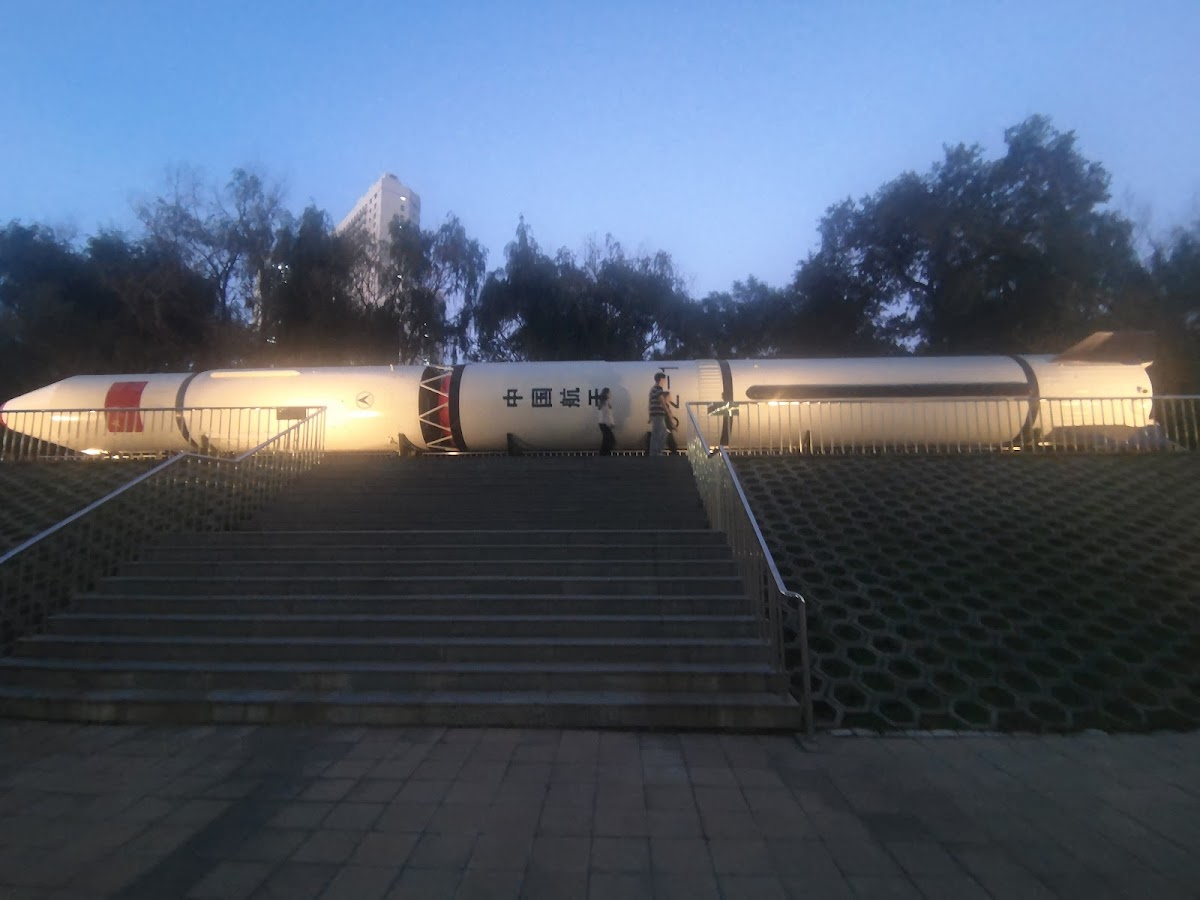
HIT boasts a comprehensive academic structure with 22 schools and 86 undergraduate programs, alongside numerous master's and doctoral programs. The university excels particularly in engineering, with notable strengths in aeronautics, astronautics, robotics, materials science, computer science, and mechanical engineering. HIT's teaching approach emphasizes rigorous theoretical foundations combined with hands-on, problem-based learning, fostering innovative thinkers. The university has made significant contributions to China's space program and defense industries, and it was the first Chinese university to establish a School of Astronautics.
Harbin Institute of Technology provides a supportive environment for international students, offering language programs, cultural orientation sessions, and international student organizations to aid in adjustment to life in China. The university offers a growing number of English-taught programs across various disciplines, including Bachelor's degrees in Business Administration, Civil Engineering, and Chemical Engineering, and Master's degrees in Instrument Science and Technology, Electrical Engineering, and Mechanical Manufacture and Automation. HIT actively promotes cultural integration through events like the International Cultural Carnival, showcasing diverse traditions and fostering exchange between Chinese and international students.
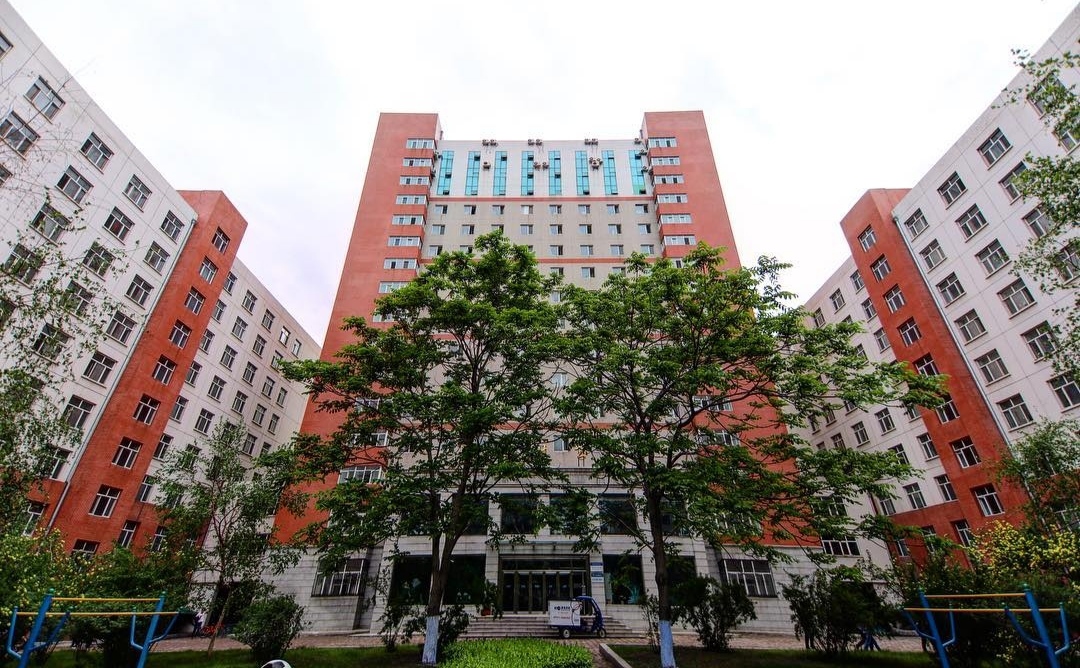
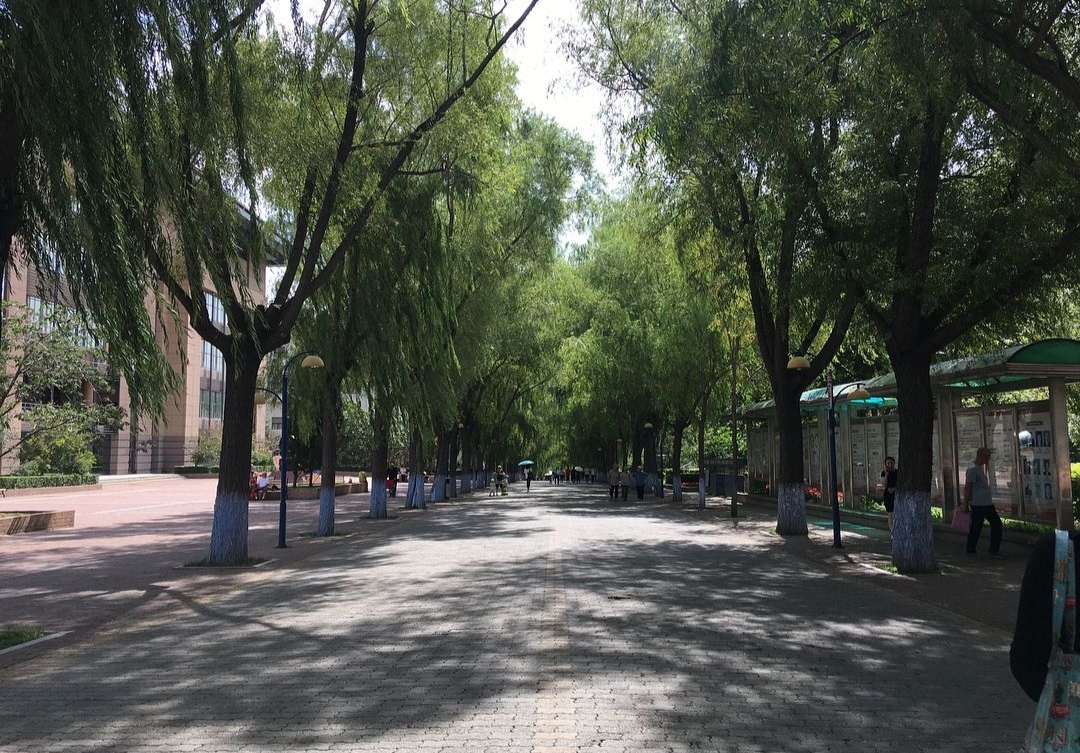
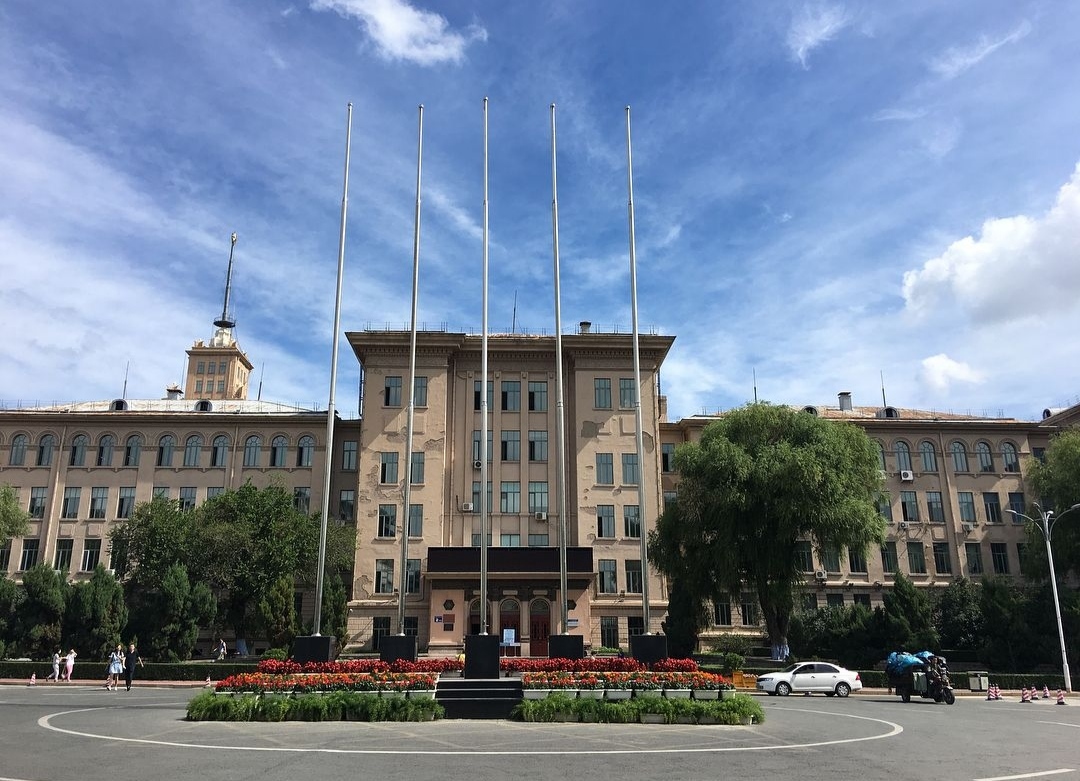
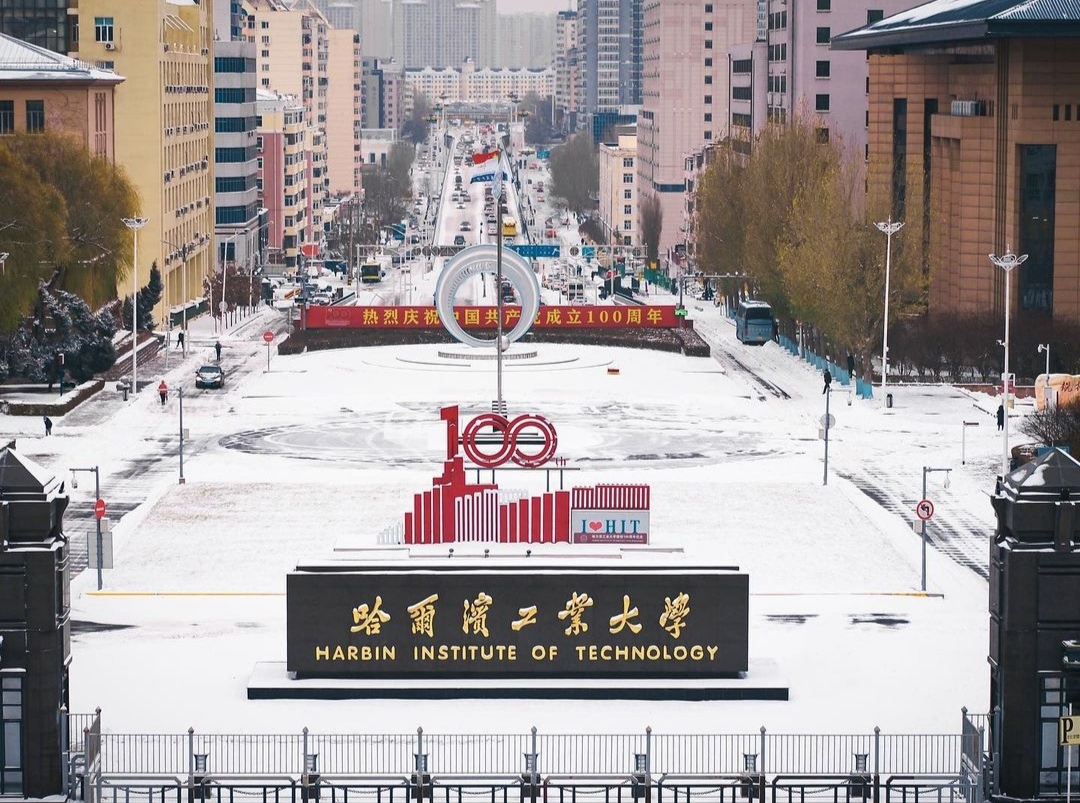
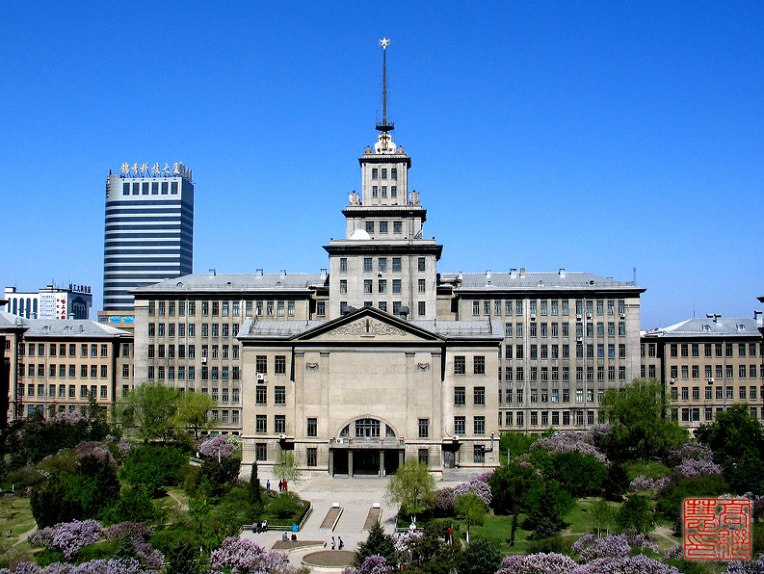
The main campus of Harbin Institute of Technology is located in Harbin, the capital of Heilongjiang province, a city known for its unique blend of modernity and rich cultural heritage, including Russian influences. The campus itself is extensive, featuring modern facilities, well-equipped laboratories, and comprehensive libraries. Public transportation, including buses and metro lines, provides convenient access to and from the campus. Harbin offers a vibrant city life with diverse culinary scenes and is famous for its annual ice festival.
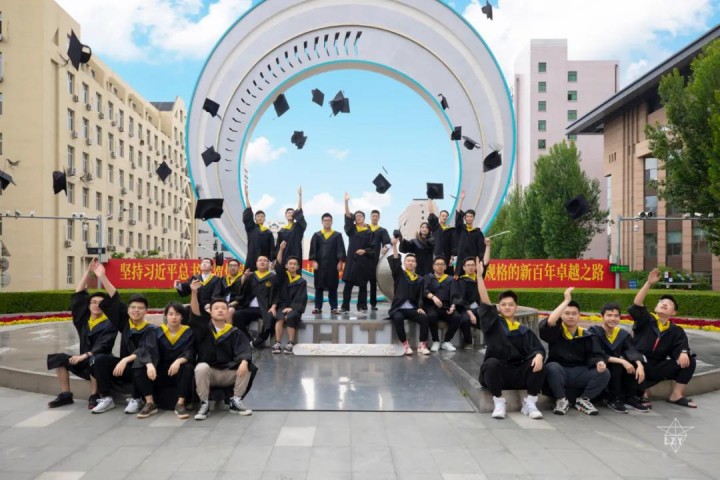
Harbin Institute of Technology graduates are highly sought after in the job market, with a consistently high employment rate, often above 99%. The university maintains strong industry connections, particularly with aerospace, robotics, and major Chinese tech sectors, providing excellent career pathways and internship opportunities. The HIT Career Center offers comprehensive services, including employment guidance, career counseling, and support for government-university-industry collaborative talent cultivation. Graduates often secure positions in key national interest sectors, with a significant proportion employed in these areas. Many alumni have achieved leadership roles in major companies and research institutions, and the university's emphasis on innovation has led to successful startups founded by its graduates.
Academics
HIT boasts a comprehensive academic structure with 22 schools and 86 undergraduate programs, alongside numerous master's and doctoral programs. The university excels particularly in engineering, with notable strengths in aeronautics, astronautics, robotics, materials science, computer science, and mechanical engineering. HIT's teaching approach emphasizes rigorous theoretical foundations combined with hands-on, problem-based learning, fostering innovative thinkers. The university has made significant contributions to China's space program and defense industries, and it was the first Chinese university to establish a School of Astronautics.
International Students
Harbin Institute of Technology provides a supportive environment for international students, offering language programs, cultural orientation sessions, and international student organizations to aid in adjustment to life in China. The university offers a growing number of English-taught programs across various disciplines, including Bachelor's degrees in Business Administration, Civil Engineering, and Chemical Engineering, and Master's degrees in Instrument Science and Technology, Electrical Engineering, and Mechanical Manufacture and Automation. HIT actively promotes cultural integration through events like the International Cultural Carnival, showcasing diverse traditions and fostering exchange between Chinese and international students.
Campus & Location
The main campus of Harbin Institute of Technology is located in Harbin, the capital of Heilongjiang province, a city known for its unique blend of modernity and rich cultural heritage, including Russian influences. The campus itself is extensive, featuring modern facilities, well-equipped laboratories, and comprehensive libraries. Public transportation, including buses and metro lines, provides convenient access to and from the campus. Harbin offers a vibrant city life with diverse culinary scenes and is famous for its annual ice festival.
Career Outcomes
Harbin Institute of Technology graduates are highly sought after in the job market, with a consistently high employment rate, often above 99%. The university maintains strong industry connections, particularly with aerospace, robotics, and major Chinese tech sectors, providing excellent career pathways and internship opportunities. The HIT Career Center offers comprehensive services, including employment guidance, career counseling, and support for government-university-industry collaborative talent cultivation. Graduates often secure positions in key national interest sectors, with a significant proportion employed in these areas. Many alumni have achieved leadership roles in major companies and research institutions, and the university's emphasis on innovation has led to successful startups founded by its graduates.
Highlights
- Cradle of Engineers
- C9 League member
- Leading engineering research
- Multiple campuses (Harbin, Weihai, Shenzhen)
- Strong space program contributions
- International student friendly
Subject Areas
EngineeringAerospaceMaterials ScienceComputer ScienceArchitecture
Student Life & Support
Visa Support Campus Housing Sports Facilities Scholarships Available
Photos
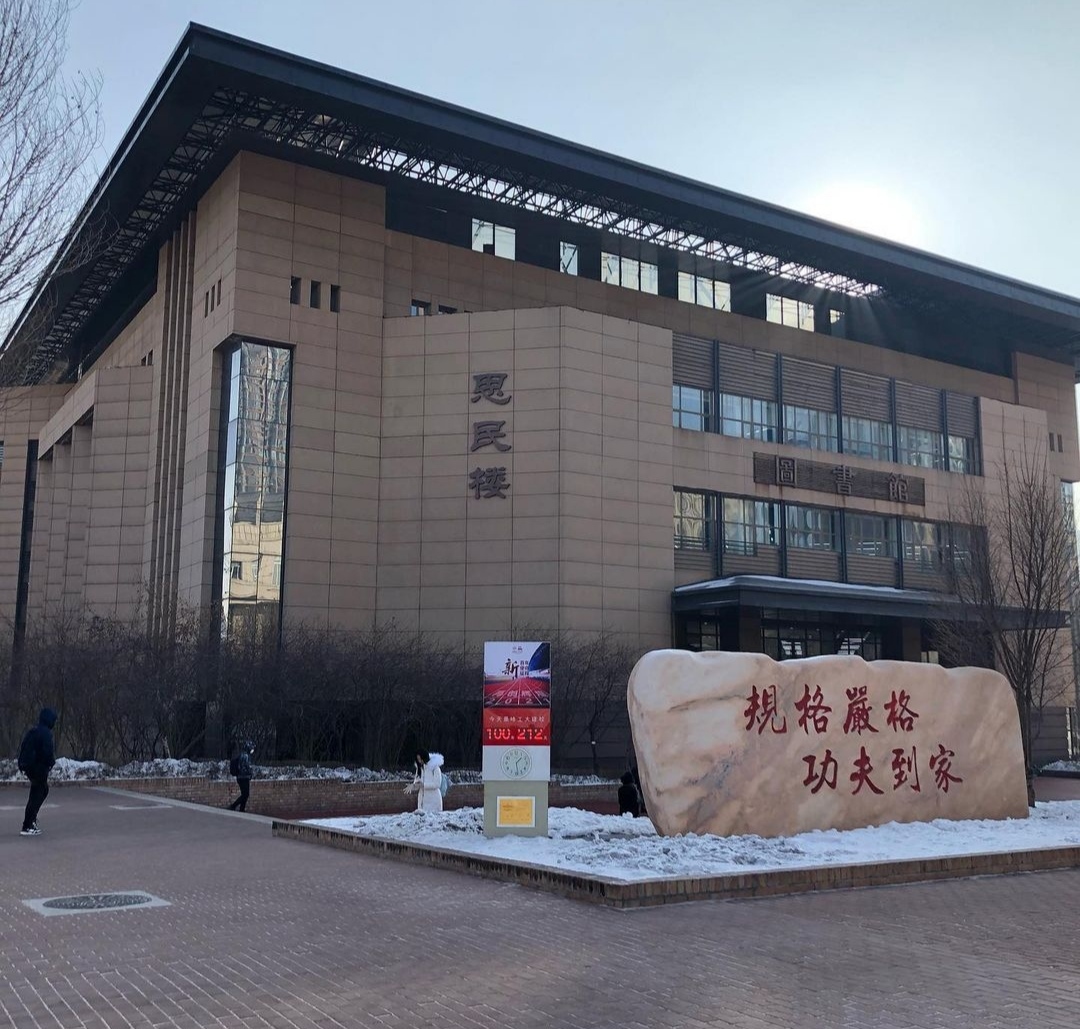
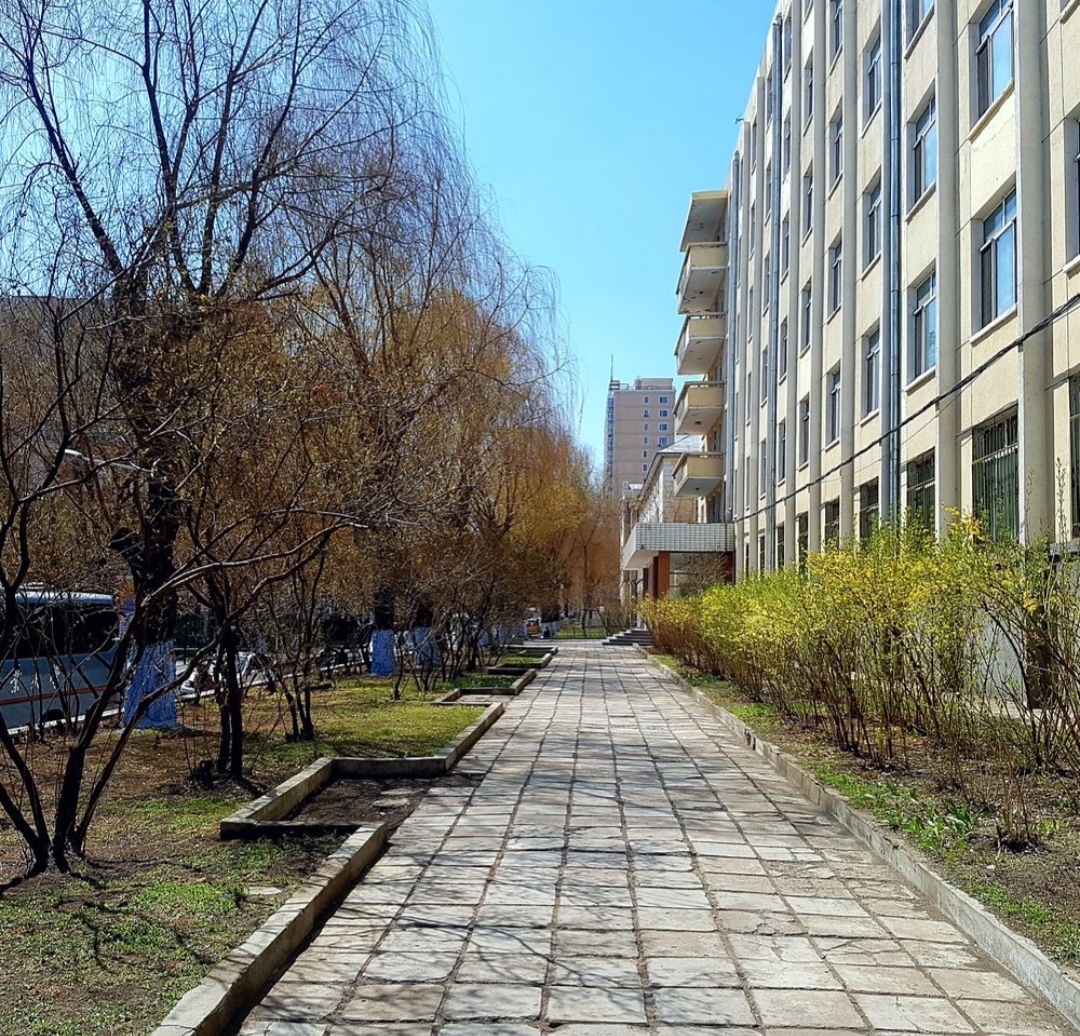
Offers programs in:
Arts & Design Business & Management Computer Science Engineering Physics & Chemistry Social Sciences
Bachelor Programs (10)
Architecture
Architecture
Architecture
60 months Chinese Full-time
$26,000/yr
Computer Science and Technology
STEM
Computer Science
General Computer Science
48 months Chinese Full-time
$26,000/yr
International Economics and Trade
Economics
Economics
48 months Chinese Full-time
$26,000/yr
Materials Science and Engineering
STEM
Engineering
General Engineering
48 months Chinese Full-time
$26,000/yr
Electrical Engineering and Automation
STEM
Engineering
General Engineering
48 months Chinese Full-time
$26,000/yr
Civil Engineering
STEM
Engineering
General Engineering
48 months Chinese Full-time
$26,000/yr
Aerospace Engineering
STEM
Engineering
General Engineering
48 months Chinese Full-time
$26,000/yr
Mechanical Engineering
STEM
Engineering
General Engineering
48 months Chinese Full-time
$26,000/yr
Environmental Science and Engineering
STEM
Environmental Science
Environmental Science
48 months Chinese Full-time
$26,000/yr
Applied Physics
STEM
Physics
Physics
48 months Chinese Full-time
$26,000/yr
Master Programs (6)
Master of Business Administration (MBA)
Business Administration
Business Administration
24 months English Full-time
$40,000/yr
Master of Science in Computer Science and Technology
STEM
Computer Science
General Computer Science
36 months English Full-time
$33,000/yr
Master of Science in Aerospace Engineering
STEM
Engineering
General Engineering
36 months English Full-time
$33,000/yr
Control Science and Engineering
STEM
Engineering
General Engineering
36 months English Full-time
$33,000/yr
Master of Engineering in Civil Engineering
STEM
Engineering
General Engineering
36 months English Full-time
$33,000/yr
Management Science and Engineering
STEM
Management
Leadership & Management
36 months Chinese Full-time
$33,000/yr
PhD Programs (6)
PhD in Architecture
Architecture
Architecture
48 months English Full-time
$38,000/yr
PhD in Computer Science and Technology
STEM
Computer Science
General Computer Science
48 months English Full-time
$38,000/yr
PhD in Materials Science and Engineering
STEM
Engineering
General Engineering
48 months English Full-time
$38,000/yr
PhD in Mechanical Engineering
STEM
Engineering
General Engineering
48 months English Full-time
$38,000/yr
PhD in Civil Engineering
STEM
Engineering
General Engineering
48 months English Full-time
$38,000/yr
PhD in Management Science and Engineering
STEM
Management
Leadership & Management
48 months English Full-time
$38,000/yr
6+ IELTS
80+ TOEFL
3+ GPA
Acceptance Rate Very Selective (<20%)
Intakes Fall, Spring
Application Deadline May 30
Tuition (per year) $2.4k - $4.8k/yr
Housing (monthly) ~$600
Application Fee $400
Teaching Language Chinese, English
Avg Class Size 17
Accreditation
Ministry of Industry and Information Technology of the People's Republic of ChinaProject 211Project 985Double First-Class ConstructionC9 LeagueAMBACAMEAAACSB
Ready to apply to Harbin Institute of Technology?
Abroadly helps you manage applications, track deadlines, and get matched to programs.
Need help applying?
AI-powered tools to manage applications, track deadlines, and get matched.