Moscow Aviation Institute
**MAI: Soaring to new heights in aerospace.**
📍 Moscow, Russia 🇷🇺
🏆 #21 in Russia · THE World #1501
Quick Facts about Moscow Aviation Institute
- Type: Public
- Students: 20,000
- International: 9%
- Campus: Urban
- Tuition: $4,500 – $8,000/year
- Language: Russian, English
- Intakes: Fall
About Moscow Aviation Institute
Academics
MAI offers a comprehensive range of programs across various key faculties, including Aeronautical Engineering, Engines for Flying Vehicles, Control Systems, Informatics and Electropower Systems, and Astronautical and Rocket Engineering. The university's teaching approach combines thorough theoretical knowledge with extensive practical skills, supported by over 120 laboratories, 3 student design offices, 3 specialized resource centers, an experimental design factory, and an aerodrome. Notable programs include Aircraft Engineering, Spacecraft Engineering, and Control Systems and Computer Science in Engineering, with a strong focus on multidisciplinary strengths like artificial intelligence, unmanned aerial vehicles, and space exploration.
International Students
MAI actively supports its international student body, which comprises over 1,800 students from more than 90 countries. The International Student Center assists with airport meetings, settling in, university tours, and resolving issues related to studies, accommodation, and daily life. English-taught programs are available for Bachelor's and Master's degrees in fields such as Aircraft Engineering, Spacecraft Engineering, Control Systems and Computer Science in Engineering, and Propulsion Engineering. The university also offers a preparatory school for international students to learn Russian and basic engineering science. Accommodation is provided at MAI hostels located near the university.
Campus & Location
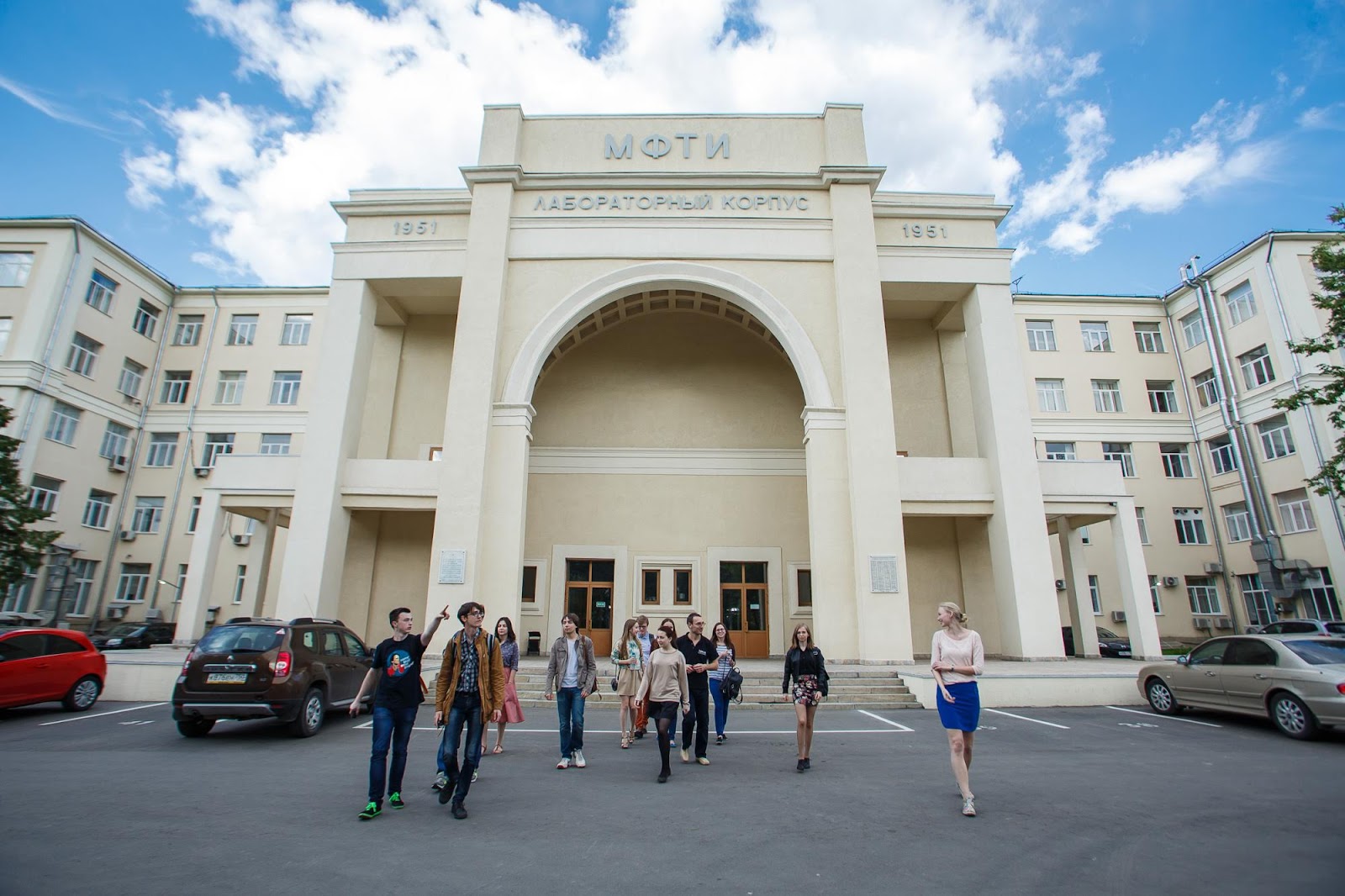
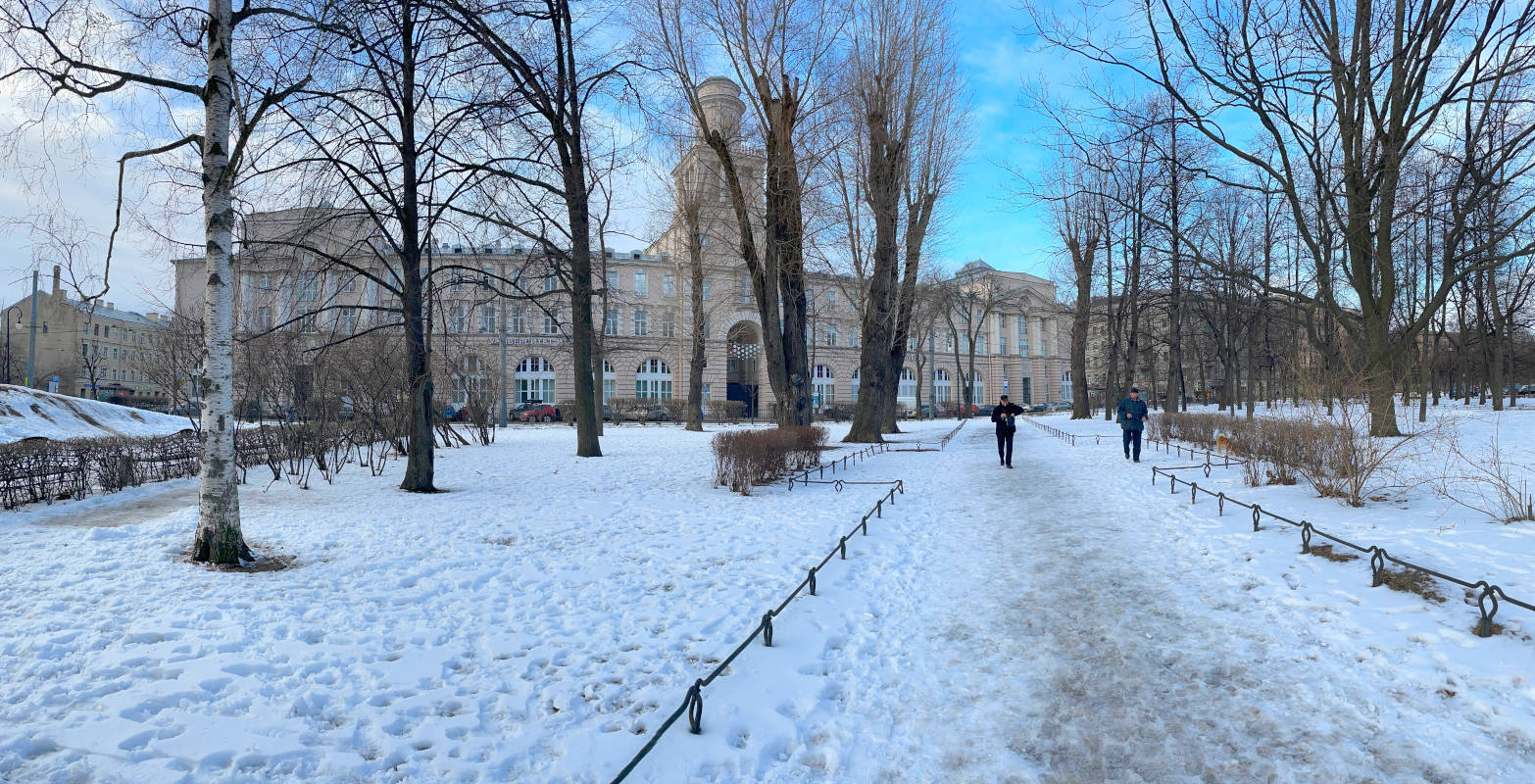
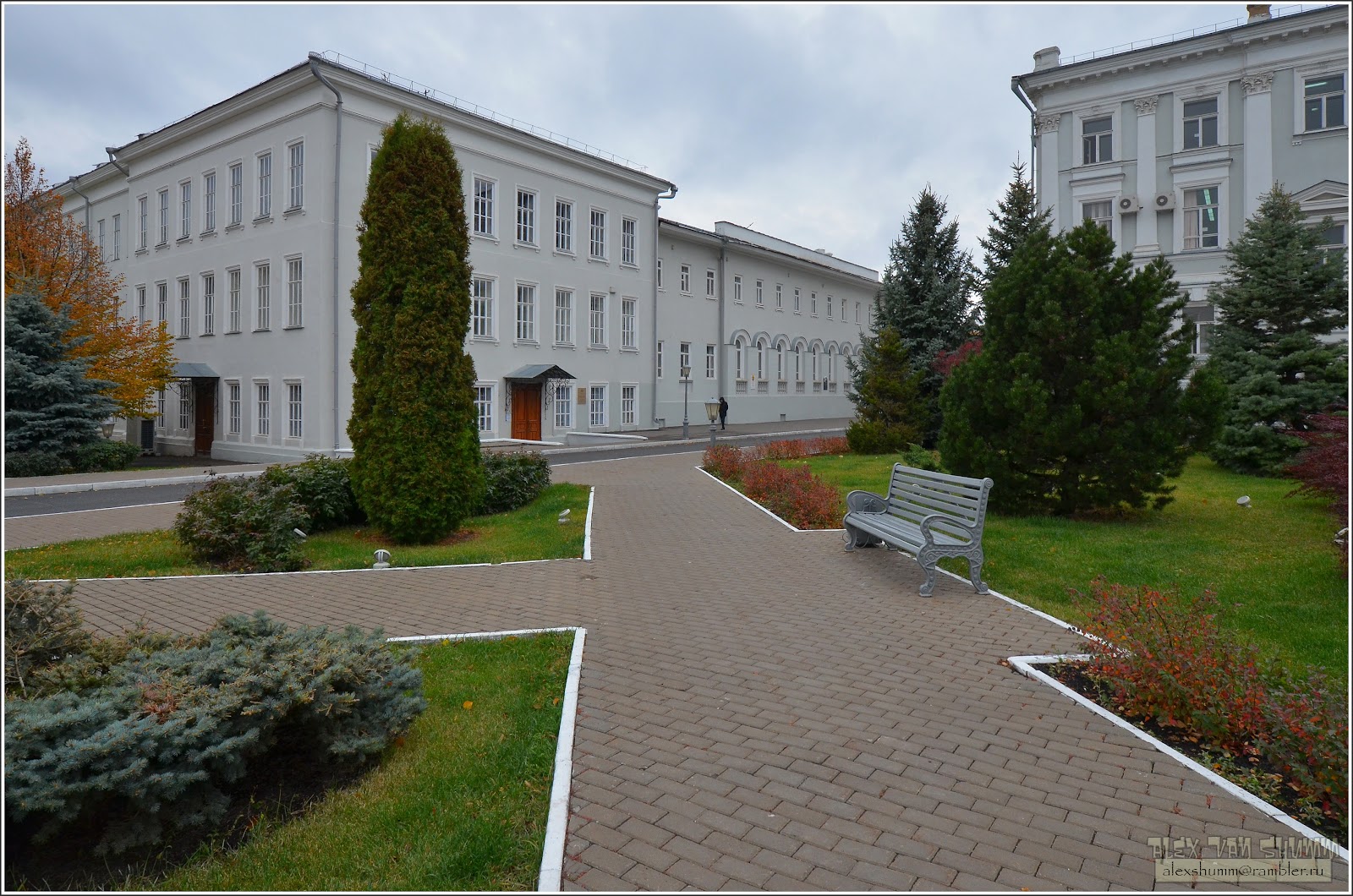
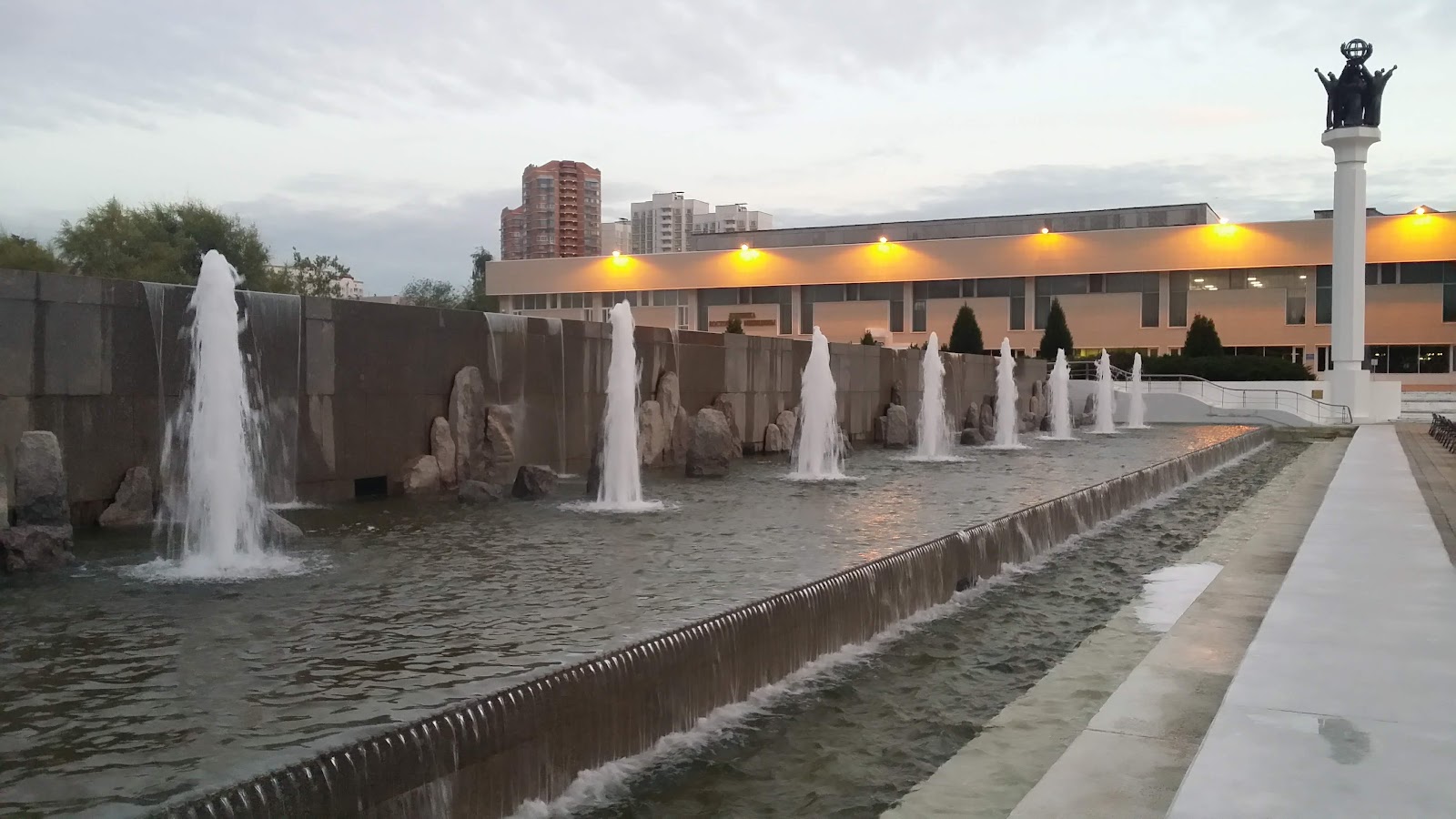
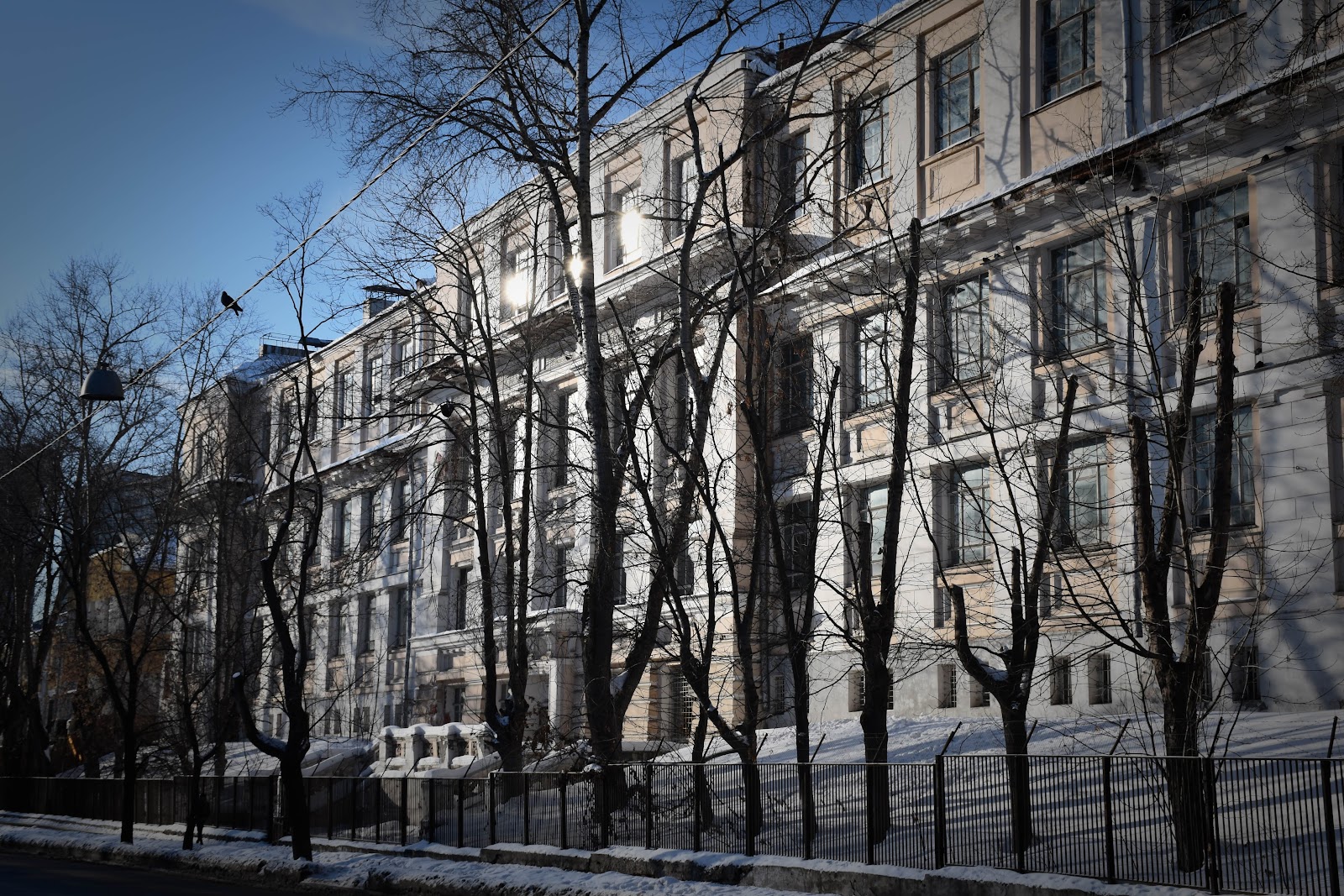
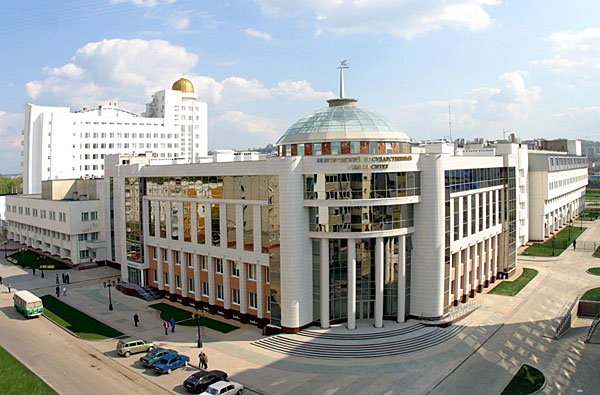
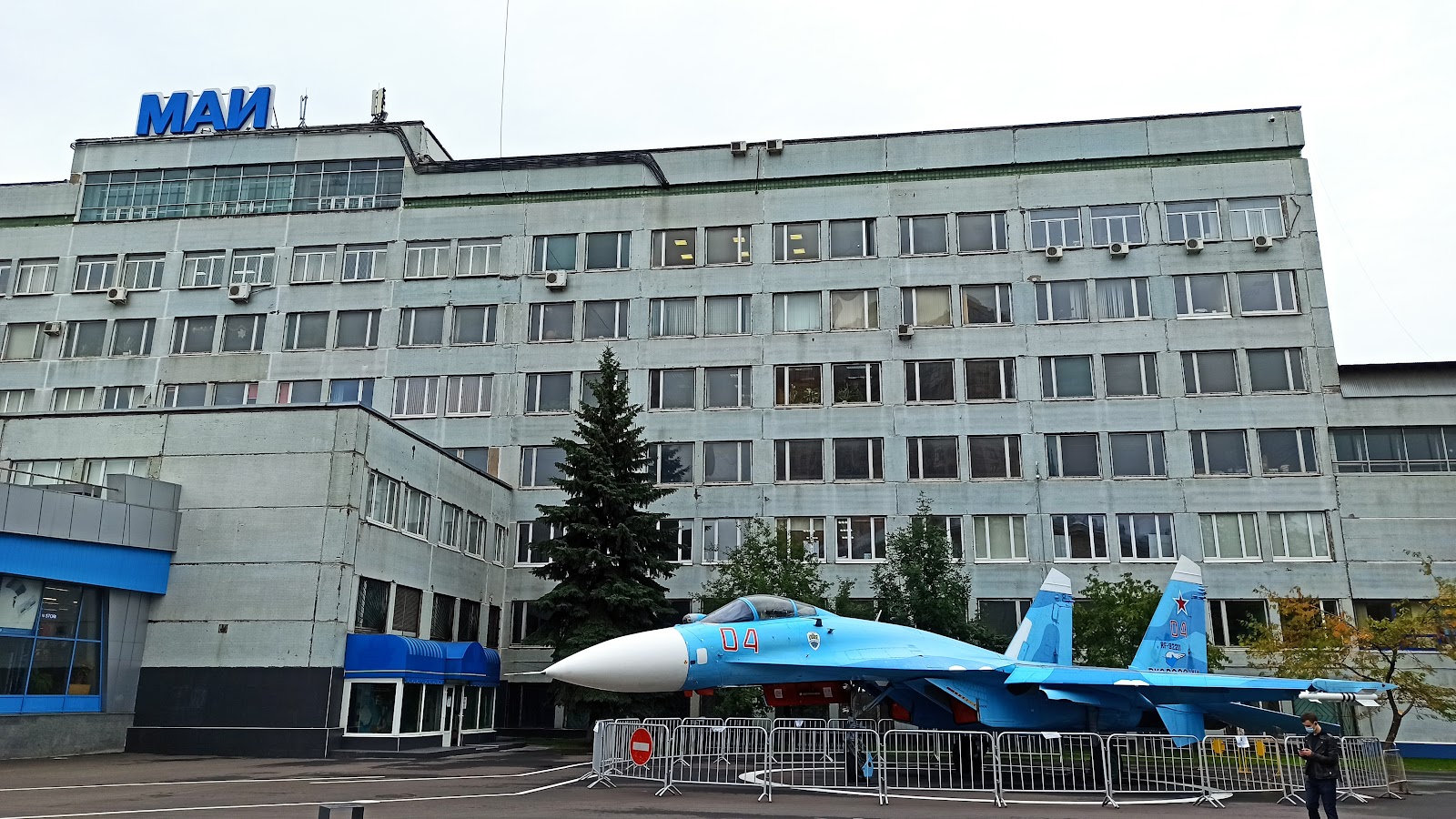
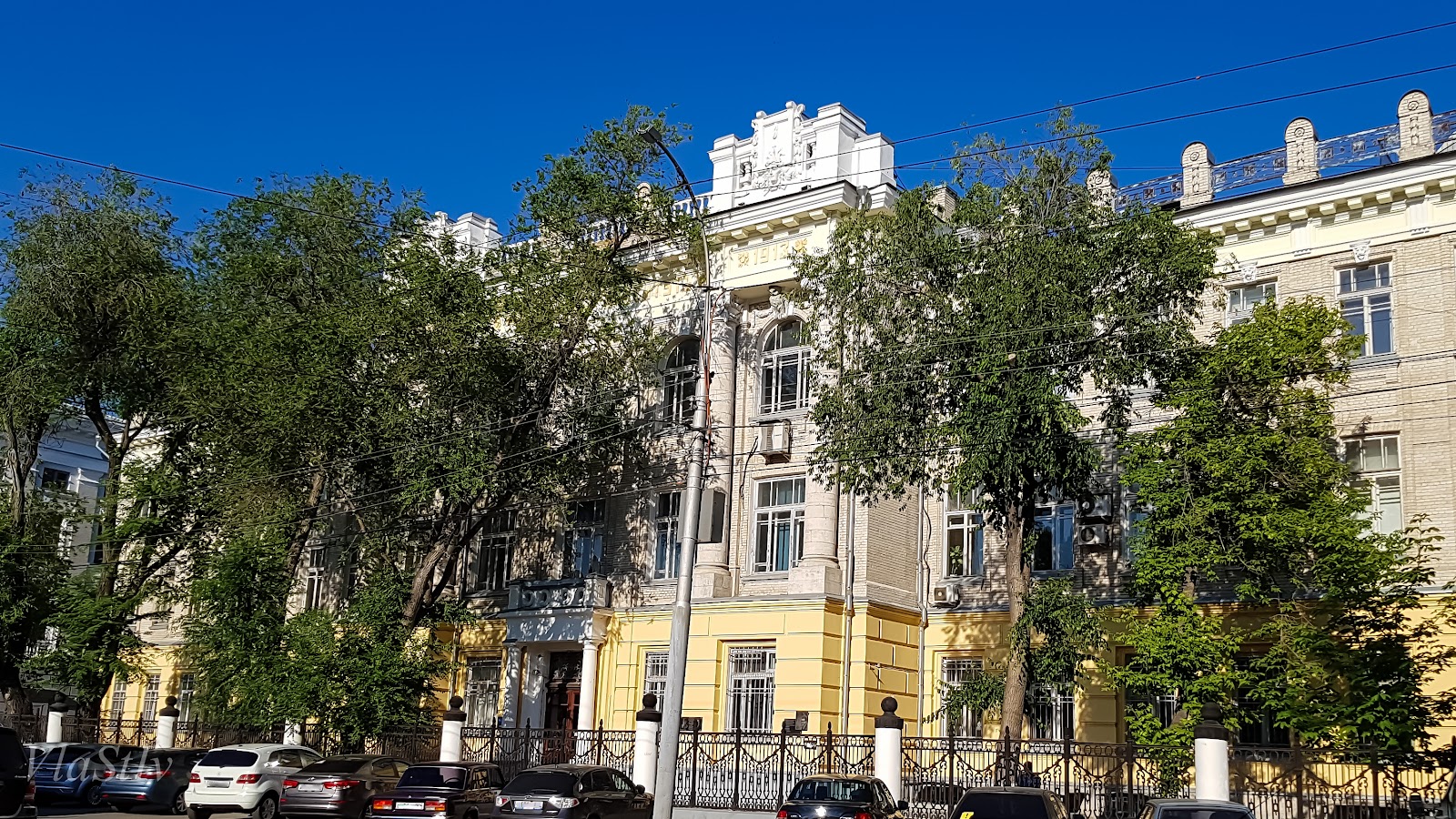
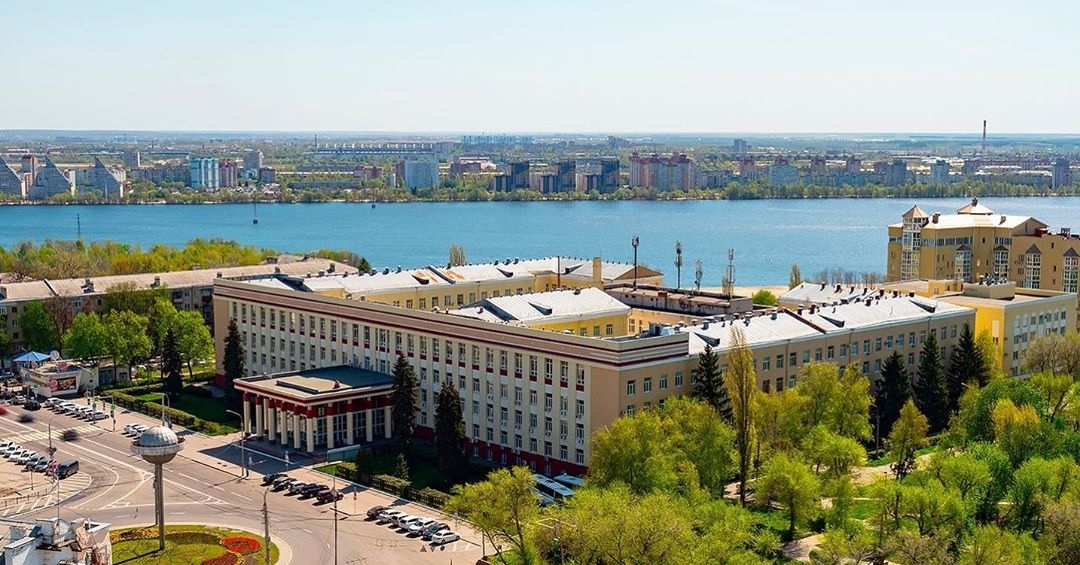
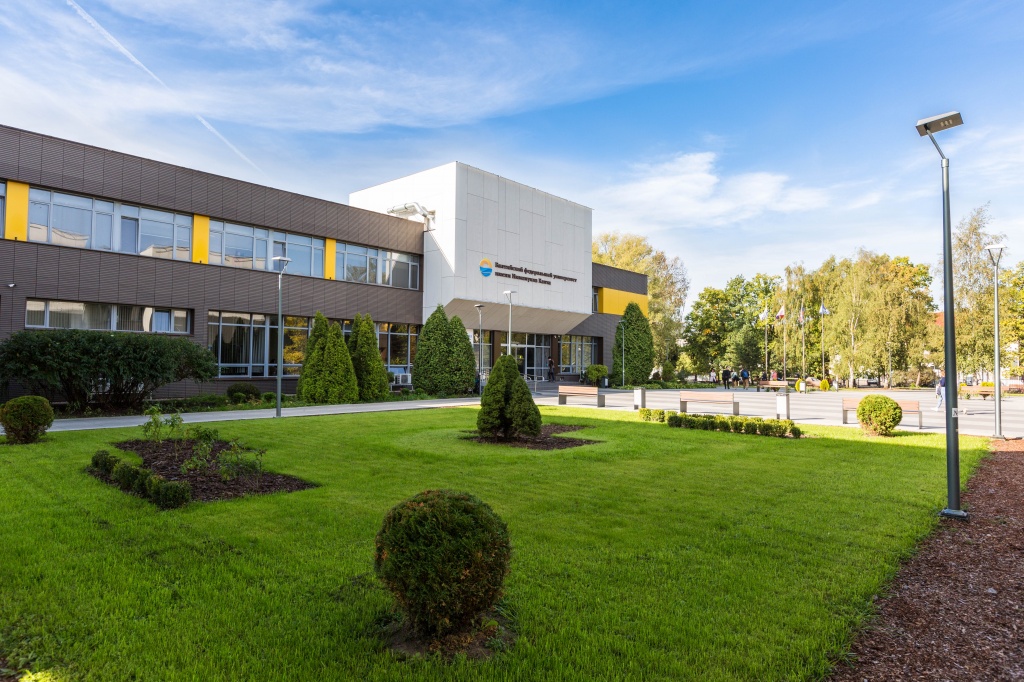
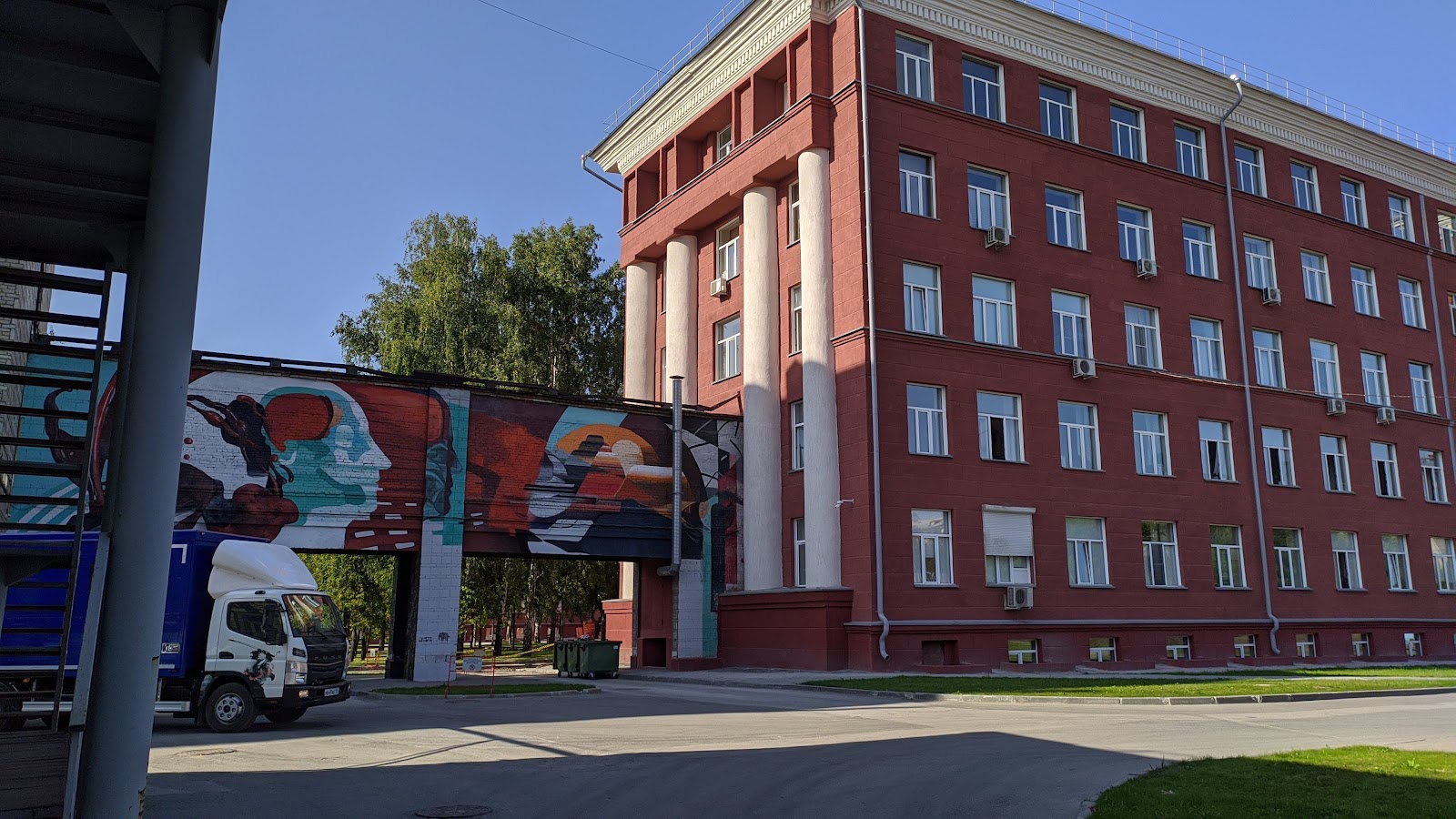
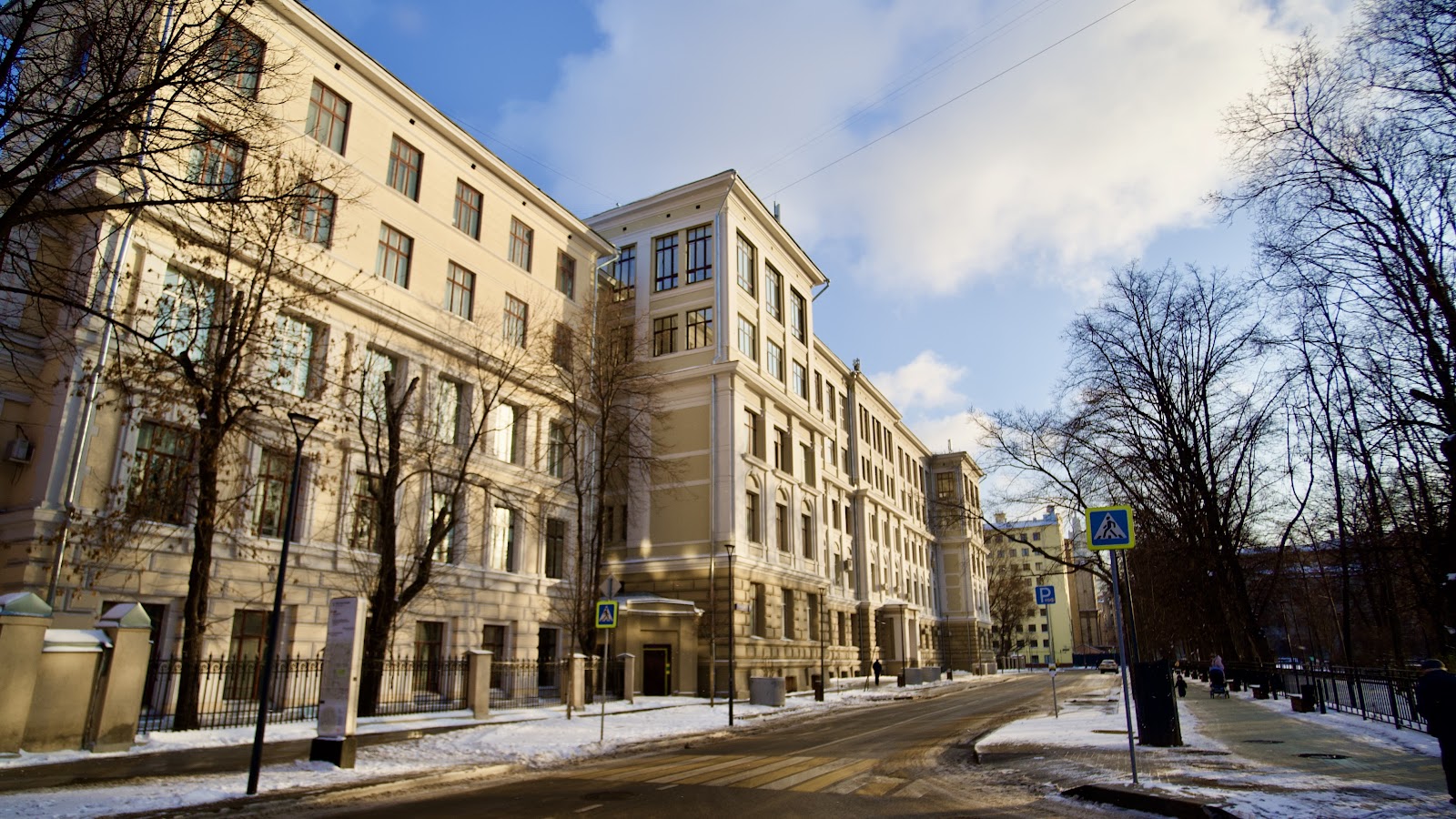
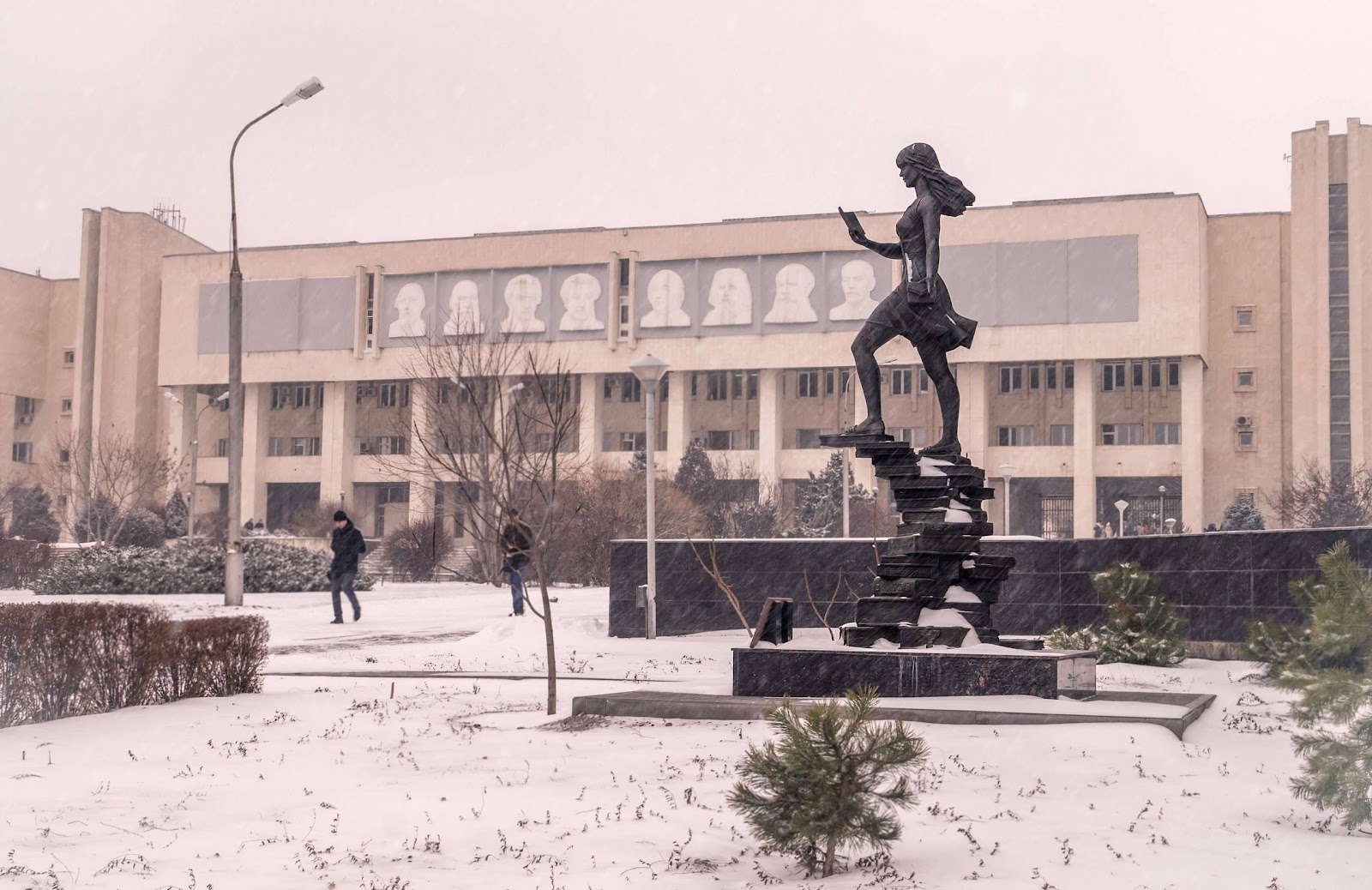
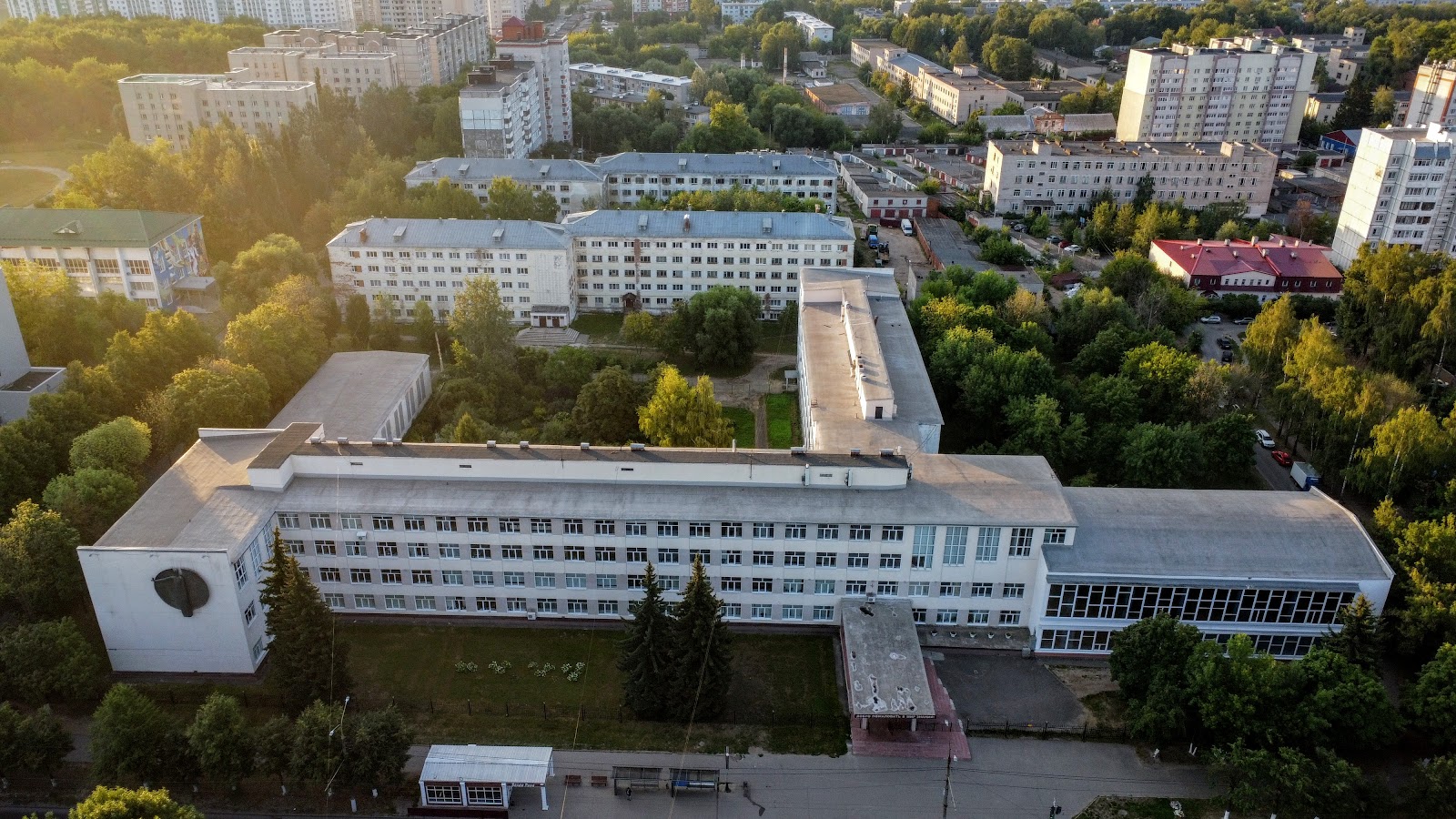
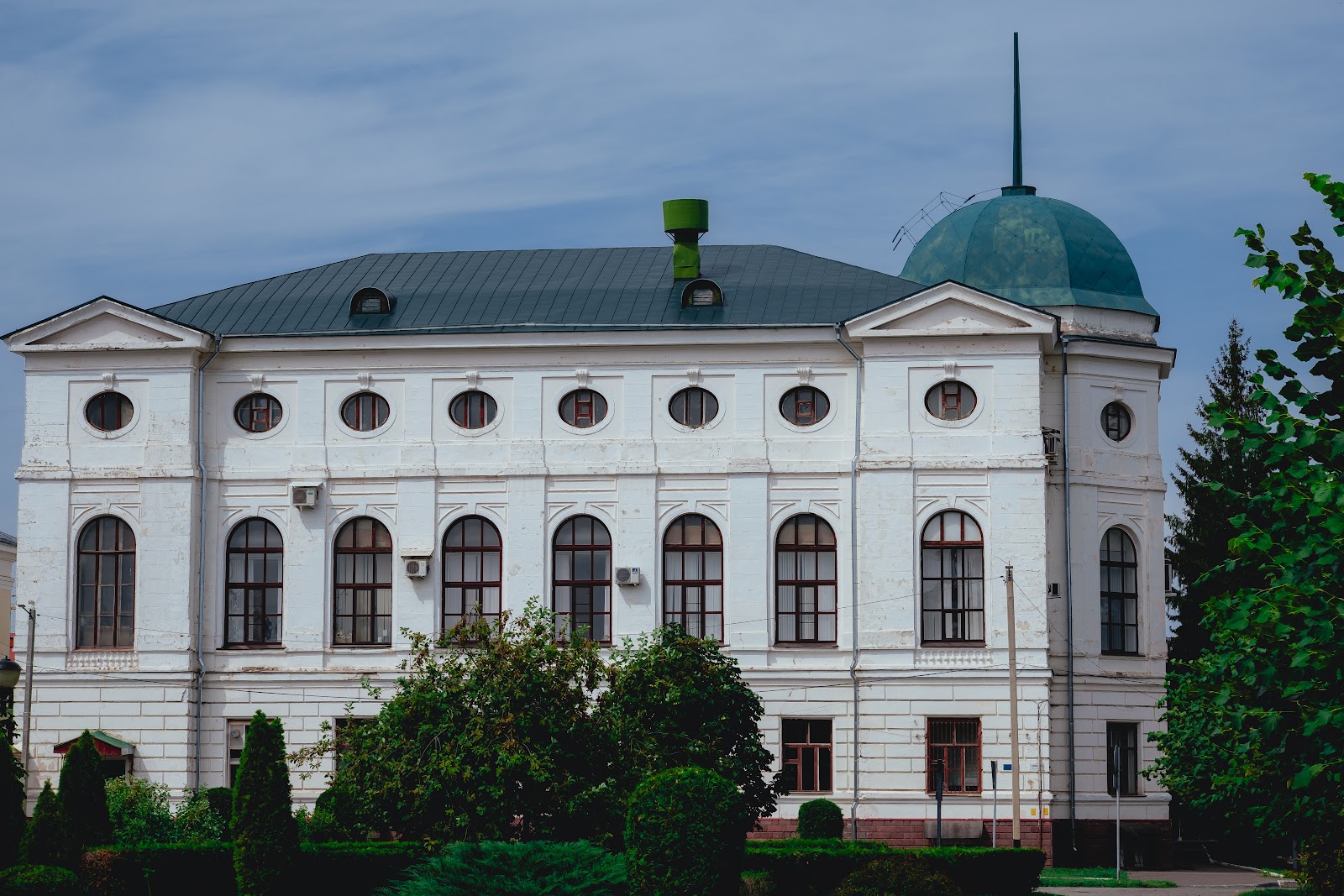
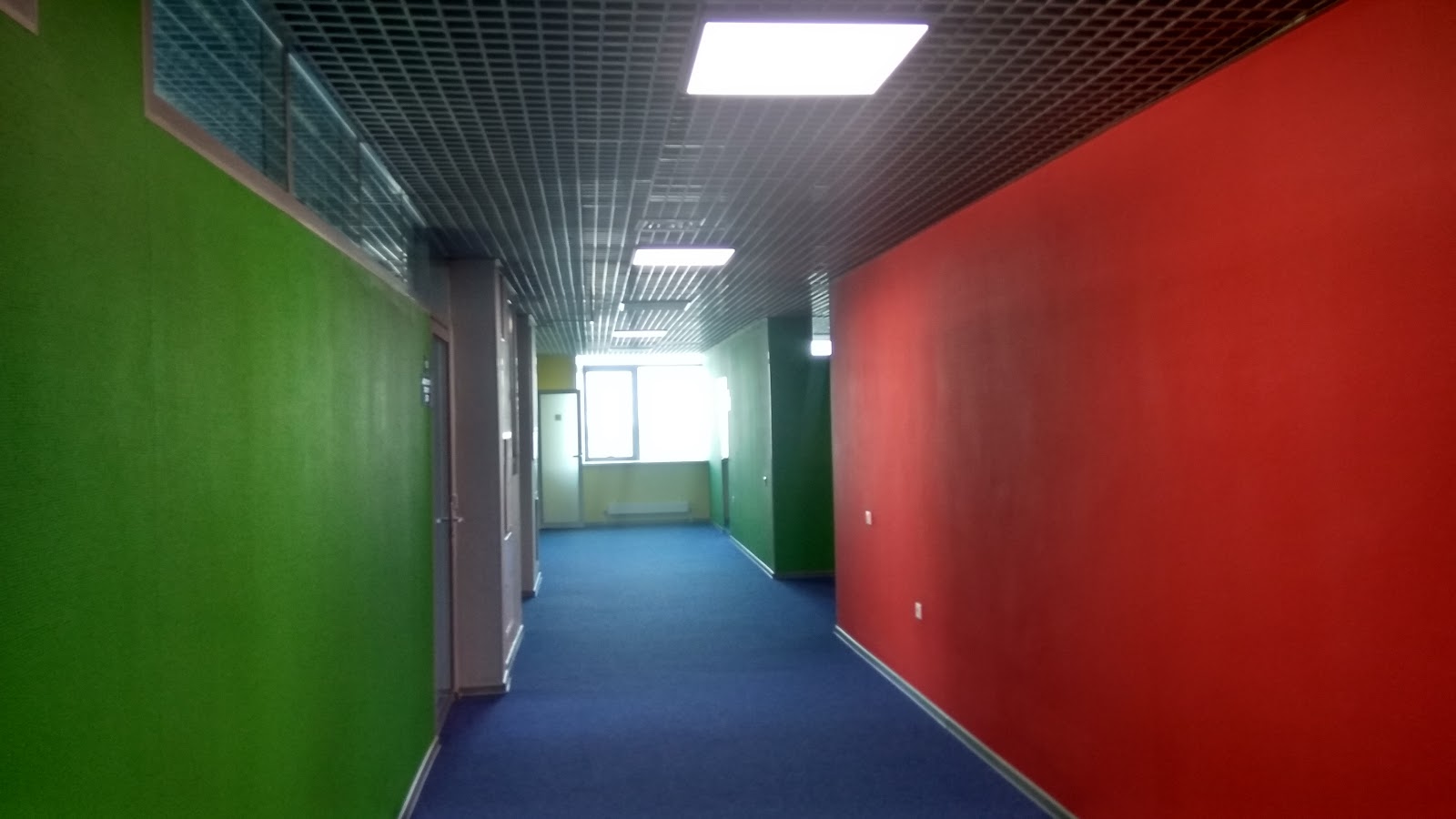
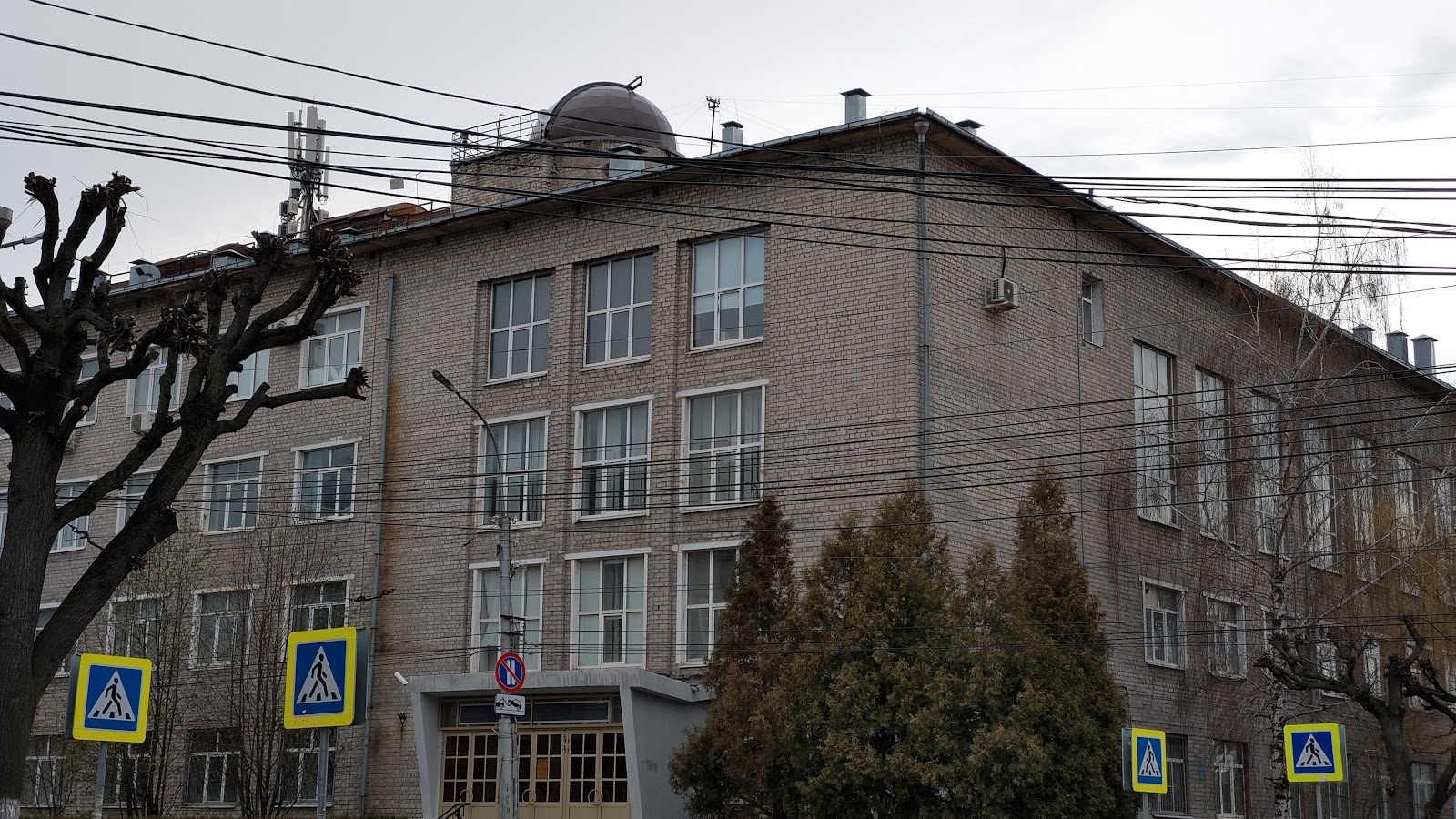
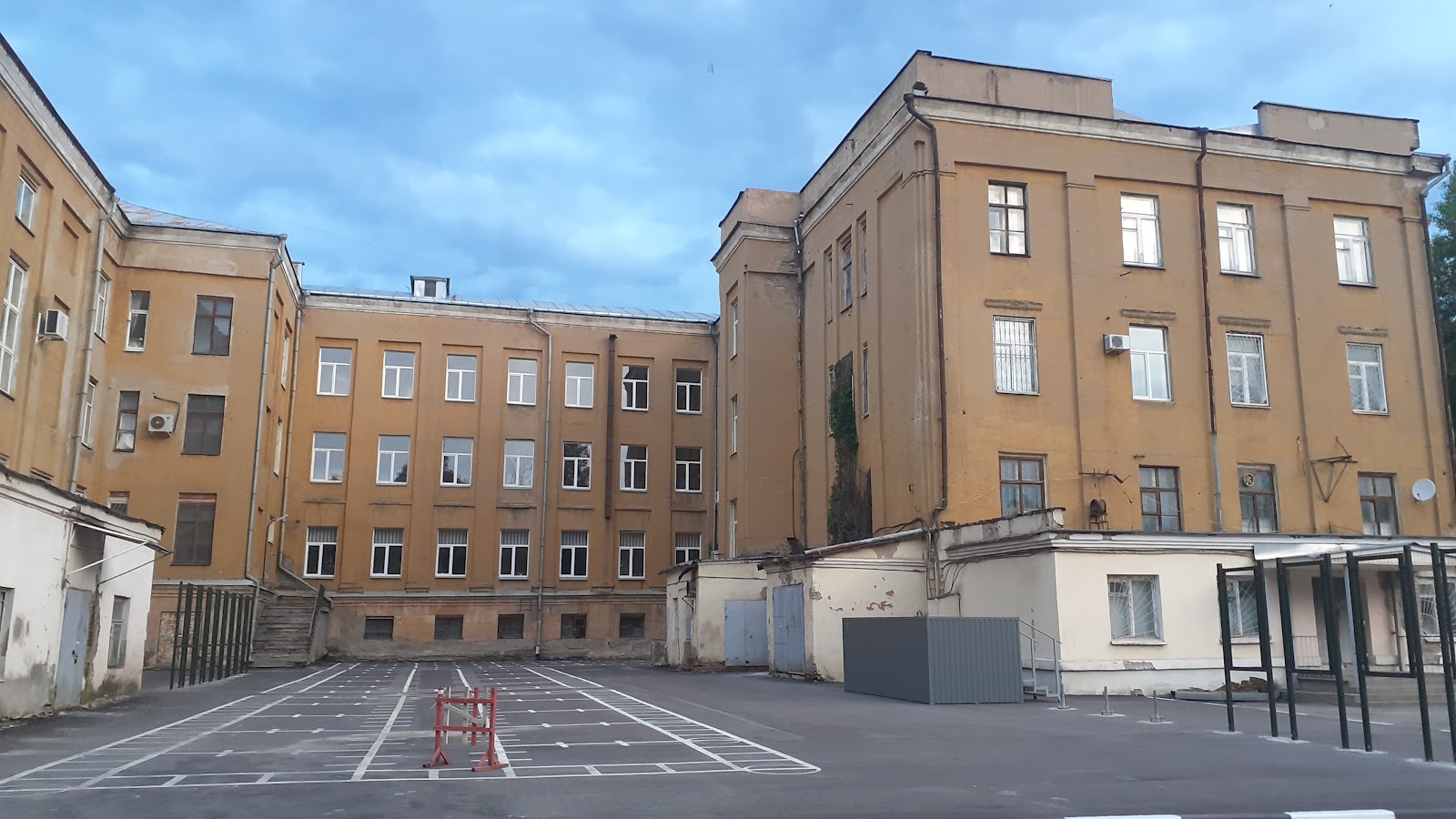
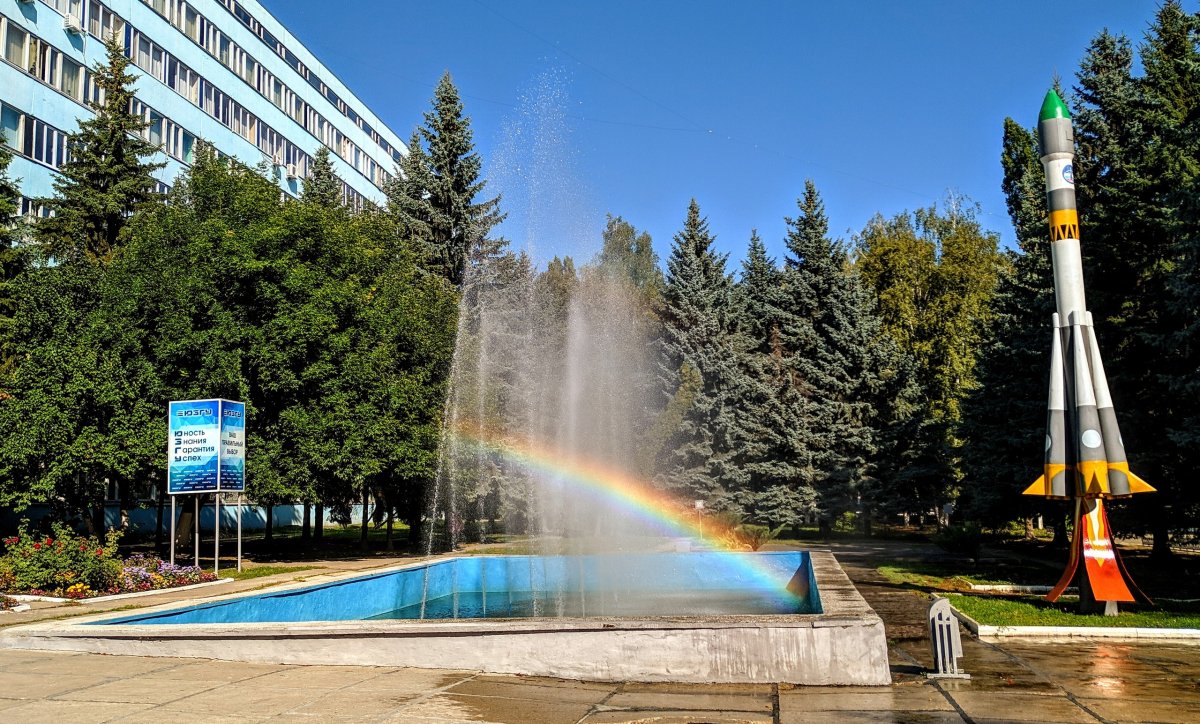
MAI's main campus is situated in Moscow, near several metro stations, offering students access to the vibrant city life of Russia's capital. The campus features educational buildings, research centers, laboratories, design bureaus, and modern co-working zones. Moscow itself is a cultural hub known for its architecture and numerous attractions. The university provides accommodation in hostels, with rooms for two or three people, private bathrooms, and facilities for laundry and cooking.
Career Outcomes
MAI boasts strong career outcomes for its graduates, with over 80% finding employment in their degree field. The university maintains strong industry connections with leading aerospace companies such as Sukhoi, Mikoyan, Ilyushin, Tupolev, and Energia, providing students with opportunities for internships, research collaborations, and potential employment. Career services include assistance with resume writing, interview preparation, and job searching, along with regular career fairs. MAI graduates are highly sought after by aerospace companies, research institutions, and government agencies, with many alumni holding top management positions and launching high-tech startups. MAI also excels in IT graduate employment, ranking among the top Russian universities for IT graduate salaries, with an average monthly salary of 185,000 rubles for graduates in the first five years after graduation.
Information for International Students at Moscow Aviation Institute
Moscow Aviation Institute in Moscow, Russia welcomes international students, with 9% of the student body coming from abroad.
- 9% of students are international
- Visa support available
- No on-campus work
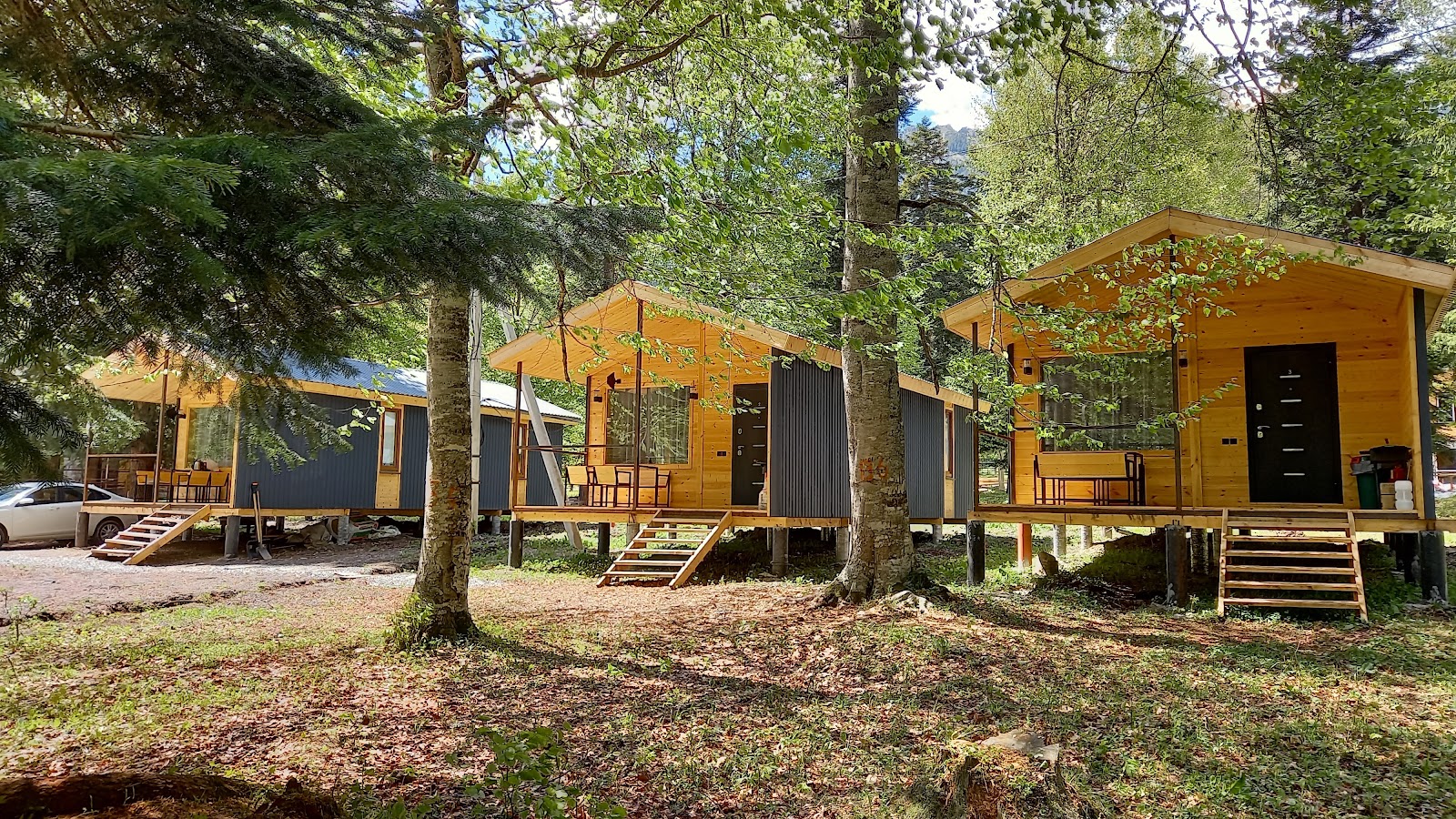
- Student housing available (~$90/month)
- Work placement / internship opportunities available
- Teaching languages: Russian, English
Admissions Requirements for Moscow Aviation Institute
Here are the key admission requirements for international students applying to Moscow Aviation Institute:
- GPA minimum: 2.5
- Selectivity: Very Selective (<20%)
- Application deadline: September 15
Programs at Moscow Aviation Institute (37 programs)
Moscow Aviation Institute offers 37 programs across Bachelor, Master, PhD levels.
Bachelor Programs (19)
- Aircraft Engineering (BSc) — 48 months · Russian · STEM
This program focuses on the design, construction, and maintenance of aircraft, covering aerodynamics, propulsion, and structural mechanics.
Field: Aerospace Engineering
Career outcomes: Aircraft Designer, Aerodynamicist, Aviation Engineer - Robotics and Mechatronics in Aviation (BSc) — 48 months · Russian · STEM
Combines mechanical engineering, electronics, computer science, and control engineering to design and operate robotic systems for aerospace applications.
Field: Robotics
Career outcomes: Robotics Engineer, Automation Specialist, Mechatronics Designer - Rocket Engineering (BSc) — 48 months · Russian · STEM
Students learn about the principles of rocket propulsion, spacecraft design, and orbital mechanics, preparing them for careers in space exploration.
Field: Aerospace Engineering
Career outcomes: Rocket Engineer, Space Systems Designer, Aerospace Analyst - Information Technology in Aviation (BSc) — 48 months · Russian · STEM
Focuses on the application of IT in the aviation industry, including software development for air traffic control, flight simulation, and data analysis.
Field: Computer Science
Career outcomes: Aviation Software Developer, IT Specialist (Aviation), Data Analyst - Radio Engineering, Electronics and Nanotechnology (BSc) — 48 months · Russian · STEM
This program covers the fundamentals of radio engineering, electronic devices, and emerging nanotechnology applications in communication and sensing.
Field: Electronics Engineering
Career outcomes: Electronics Engineer, RF Engineer, Nanotechnology Specialist - Aircraft Maintenance and Repair (BSc) — 48 months · Russian · STEM
This program provides comprehensive training in the inspection, maintenance, and repair procedures for various types of aircraft, ensuring airworthiness.
Field: Aviation Maintenance
Career outcomes: Aircraft Mechanic, Maintenance Engineer, Aviation Technician - Aircraft Manufacturing Technology (BSc) — 48 months · Russian · STEM
Students learn about the processes, materials, and technologies involved in the manufacturing and assembly of aircraft components and structures.
Field: Manufacturing Engineering
Career outcomes: Manufacturing Engineer, Production Manager, Quality Control Engineer - Unmanned Aerial Vehicles (UAVs) and Systems (BSc) — 48 months · Russian · STEM
Covers the design, operation, and applications of unmanned aerial vehicles, including drone technology, autonomous flight, and data acquisition.
Field: Aerospace Engineering
Career outcomes: UAV Engineer, Drone Pilot/Operator, Aerospace Systems Integrator - Radio-Electronic Systems for Aviation (BSc) — 48 months · Russian · STEM
This program focuses on the design, development, and maintenance of radio-electronic systems used in aviation, including communication and radar.
Field: Electronics Engineering
Career outcomes: Avionics Engineer, Radio Engineer, Electronics Designer - Aircraft Engineering (BSc) — 48 months · Russian · STEM
This program focuses on the design, construction, and maintenance of aircraft, covering aerodynamics, propulsion, and structural mechanics.
Field: Aerospace Engineering
Career outcomes: Aircraft Designer, Aerodynamicist, Aviation Engineer - Robotics and Mechatronics in Aviation (BSc) — 48 months · Russian · STEM
Combines mechanical engineering, electronics, computer science, and control engineering to design and operate robotic systems for aerospace applications.
Field: Robotics
Career outcomes: Robotics Engineer, Automation Specialist, Mechatronics Designer - Rocket Engineering (BSc) — 48 months · Russian · STEM
Students learn about the principles of rocket propulsion, spacecraft design, and orbital mechanics, preparing them for careers in space exploration.
Field: Aerospace Engineering
Career outcomes: Rocket Engineer, Space Systems Designer, Aerospace Analyst - Information Technology in Aviation (BSc) — 48 months · Russian · STEM
Focuses on the application of IT in the aviation industry, including software development for air traffic control, flight simulation, and data analysis.
Field: Computer Science
Career outcomes: Aviation Software Developer, IT Specialist (Aviation), Data Analyst - Radio Engineering, Electronics and Nanotechnology (BSc) — 48 months · Russian · STEM
This program covers the fundamentals of radio engineering, electronic devices, and emerging nanotechnology applications in communication and sensing.
Field: Electronics Engineering
Career outcomes: Electronics Engineer, RF Engineer, Nanotechnology Specialist - Aircraft Maintenance and Repair (BSc) — 48 months · Russian · STEM
This program provides comprehensive training in the inspection, maintenance, and repair procedures for various types of aircraft, ensuring airworthiness.
Field: Aviation Maintenance
Career outcomes: Aircraft Mechanic, Maintenance Engineer, Aviation Technician - Aircraft Manufacturing Technology (BSc) — 48 months · Russian · STEM
Students learn about the processes, materials, and technologies involved in the manufacturing and assembly of aircraft components and structures.
Field: Manufacturing Engineering
Career outcomes: Manufacturing Engineer, Production Manager, Quality Control Engineer - Unmanned Aerial Vehicles (UAVs) and Systems (BSc) — 48 months · Russian · STEM
Covers the design, operation, and applications of unmanned aerial vehicles, including drone technology, autonomous flight, and data acquisition.
Field: Aerospace Engineering
Career outcomes: UAV Engineer, Drone Pilot/Operator, Aerospace Systems Integrator - Radio-Electronic Systems for Aviation (BSc) — 48 months · Russian · STEM
This program focuses on the design, development, and maintenance of radio-electronic systems used in aviation, including communication and radar.
Field: Electronics Engineering
Career outcomes: Avionics Engineer, Radio Engineer, Electronics Designer - Control Systems for Aircraft and Spacecraft (BSc) — 48 months · Russian · STEM
This program covers the design and implementation of automatic control systems for aerospace vehicles, including navigation and flight stability.
Field: Control Engineering
Career outcomes: Control Systems Engineer, Avionics Engineer, Flight Control Specialist
Master Programs (12)
- Aircraft Engines and Power Plants (MSc) — 24 months · Russian · STEM
This program focuses on the design, analysis, and optimization of aircraft engines and power systems, including gas turbines and alternative propulsion.
Field: Mechanical Engineering
Career outcomes: Engine Design Engineer, Power Plant Specialist, Research Engineer - Aircraft Flight Dynamics and Control (MSc) — 24 months · Russian · STEM
Advanced study of aircraft stability, performance, and control systems, including simulation and experimental methods.
Field: Aerospace Engineering
Career outcomes: Flight Test Engineer, Control Systems Engineer, Aerodynamicist - Materials Science and Technology in Aviation (MSc) — 24 months · Russian · STEM
Focuses on the development, characterization, and application of advanced materials for aerospace structures, including composites and alloys.
Field: Materials Science
Career outcomes: Materials Engineer, Research Scientist, Quality Control Engineer - Environmental Engineering in Aviation (MSc) — 24 months · Russian · STEM
Students explore environmental impacts of aviation, sustainable aviation fuels, noise reduction, and eco-friendly aircraft design.
Field: Environmental Engineering
Career outcomes: Environmental Engineer, Sustainability Consultant, Aerospace Policy Analyst - Aircraft Engines and Power Plants (MSc) — 24 months · Russian · STEM
This program focuses on the design, analysis, and optimization of aircraft engines and power systems, including gas turbines and alternative propulsion.
Field: Mechanical Engineering
Career outcomes: Engine Design Engineer, Power Plant Specialist, Research Engineer - Aircraft Flight Dynamics and Control (MSc) — 24 months · Russian · STEM
Advanced study of aircraft stability, performance, and control systems, including simulation and experimental methods.
Field: Aerospace Engineering
Career outcomes: Flight Test Engineer, Control Systems Engineer, Aerodynamicist - Materials Science and Technology in Aviation (MSc) — 24 months · Russian · STEM
Focuses on the development, characterization, and application of advanced materials for aerospace structures, including composites and alloys.
Field: Materials Science
Career outcomes: Materials Engineer, Research Scientist, Quality Control Engineer - Environmental Engineering in Aviation (MSc) — 24 months · Russian · STEM
Students explore environmental impacts of aviation, sustainable aviation fuels, noise reduction, and eco-friendly aircraft design.
Field: Environmental Engineering
Career outcomes: Environmental Engineer, Sustainability Consultant, Aerospace Policy Analyst - Flight Dynamics and Control (MSc) — 24 months · Russian · STEM
Advanced study of aircraft and spacecraft dynamics, stability, and control, including advanced control algorithms and simulation techniques.
Field: Aerospace Engineering
Career outcomes: Flight Control Engineer, Aerospace Dynamics Specialist, Simulation Engineer - Space Systems Engineering (MSc) — 24 months · Russian · STEM
This program covers the entire lifecycle of space systems, from mission design and spacecraft development to operations and data analysis.
Field: Space Engineering
Career outcomes: Space Systems Engineer, Satellite Designer, Mission Operations Specialist - Aviation Security Management (MSc) — 24 months · Russian
This program focuses on the principles and practices of ensuring security in the aviation industry, covering risk assessment, policy, and technology.
Field: Security Management
Career outcomes: Aviation Security Manager, Security Consultant, Airport Operations Manager - Management of High-Tech Industries (MSc) — 24 months · Russian
This program prepares students for leadership roles in high-tech sectors, focusing on innovation management, project management, and strategic planning.
Field: Management
Career outcomes: Technology Manager, Innovation Consultant, Business Development Manager
PhD Programs (6)
- Computer Science and Information Technology (PhD) — 36 months · Russian · STEM
Doctoral research focusing on advanced topics in computer science, artificial intelligence, data analytics, and their applications in complex systems.
Field: Computer Science
Career outcomes: AI Researcher, Data Scientist, Software Architect - Mathematical Modeling and Computer Simulation in Aerospace (PhD) — 36 months · Russian · STEM
Doctoral research into advanced mathematical modeling and computational methods for simulating complex aerospace phenomena and systems.
Field: Applied Mathematics
Career outcomes: Computational Scientist, Academic Researcher, Simulation Expert - Computer Science and Information Technology (PhD) — 36 months · Russian · STEM
Doctoral research focusing on advanced topics in computer science, artificial intelligence, data analytics, and their applications in complex systems.
Field: Computer Science
Career outcomes: AI Researcher, Data Scientist, Software Architect - Mathematical Modeling and Computer Simulation in Aerospace (PhD) — 36 months · Russian · STEM
Doctoral research into advanced mathematical modeling and computational methods for simulating complex aerospace phenomena and systems.
Field: Applied Mathematics
Career outcomes: Computational Scientist, Academic Researcher, Simulation Expert - Aerospace Propulsion Systems (PhD) — 36 months · Russian · STEM
Advanced research into the theory, design, and experimental investigation of various aerospace propulsion systems, including novel concepts.
Field: Propulsion Engineering
Career outcomes: Propulsion System Architect, Research Professor, Engine Development Lead - Aircraft and Rocket Engineering (PhD) — 36 months · Russian · STEM
This doctoral program involves advanced research in the design, analysis, and optimization of aircraft and rocket systems, contributing to new scientific knowledge.
Field: Aerospace Engineering
Career outcomes: University Professor, Senior Research Scientist, Aerospace R&D Lead
Scholarships & Tuition at Moscow Aviation Institute
Annual tuition for international students: $4,500 – $8,000/year
✅ Moscow Aviation Institute offers scholarships for international students. Check the official website for eligibility, amounts, and deadlines.
Rankings of Moscow Aviation Institute
- National Ranking: #21 in Russia
- Times Higher Education (THE): #1501
- Ranking tier: Unranked
- Research output: Very High
Campus & Facilities at Moscow Aviation Institute
- Student housing available
- Sports facilities available
- No disability support info
- Campus type: Urban
- Housing cost: ~$90/month
Key Highlights
- Leading aerospace engineering university
- Extensive practical, laboratory instruction
- Diverse aerospace, IT programs
- Strong international student community
- Pioneer in AI, UAVs, space
- Located in Moscow
Accreditation
- Ministry of Science and Higher Education of the Russian Federation
- Association for Engineering Education of Russia (AEER)
- European Network for Accreditation of Engineering Education (ENAEE)
- Washington Accord
- European Federation of National Engineering Associations (FEANI)
Fields of Study at Moscow Aviation Institute
- Aerospace Engineering
- Aviation
- Robotics
- IT
Notable Alumni
- Svetlana Savitskaya
- Valeri Kubasov
- Viktor Afanasyev
- Mikhail Pogosyan
- Alexey Pajitnov
Frequently Asked Questions about Moscow Aviation Institute
What is Moscow Aviation Institute?
Moscow Aviation Institute is a public university located in Moscow, Russia. It has approximately 20,000 students, with 9% being international students.
How much does it cost to study at Moscow Aviation Institute?
Tuition fees at Moscow Aviation Institute for international students range from $4,500 – $8,000/year. Student housing costs approximately $90/month. Scholarships are available for international students.
What are the admission requirements for Moscow Aviation Institute?
GPA minimum: 2.5. Selectivity: Very Selective (<20%). Application deadline: September 15.
What language are courses taught in at Moscow Aviation Institute?
Courses at Moscow Aviation Institute are taught in Russian and English.
How many programs does Moscow Aviation Institute offer?
Moscow Aviation Institute offers 37 programs: 19 Bachelor's, 12 Master's, and 6 PhD programs across various fields of study.
What is Moscow Aviation Institute ranked?
#21 in Russia · THE World #1501.
Does Moscow Aviation Institute offer scholarships?
Yes, Moscow Aviation Institute offers scholarships for international students. Visit the university's official financial aid page for current opportunities, eligibility criteria, and deadlines.
Does Moscow Aviation Institute provide visa support?
Yes, Moscow Aviation Institute provides visa support for international students. Student housing is also available.
Apply to Moscow Aviation Institute with Abroadly
Use Abroadly's AI-powered platform to manage your application to Moscow Aviation Institute. Get matched to programs, track deadlines, and organize documents — all in one place.