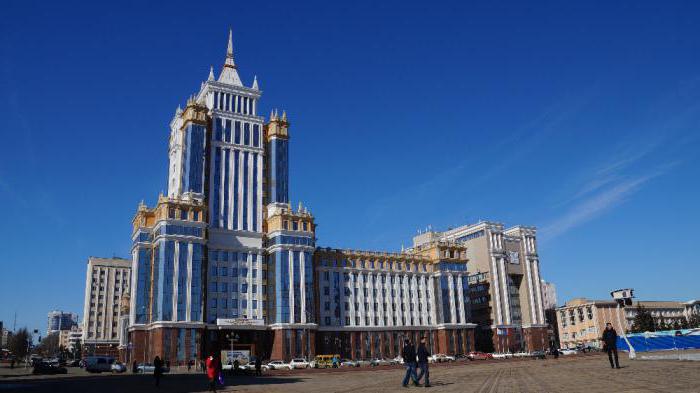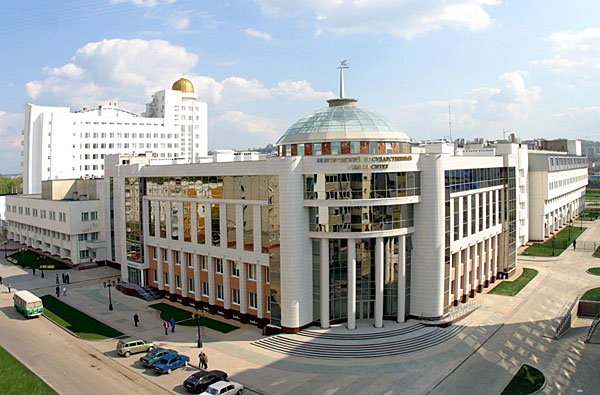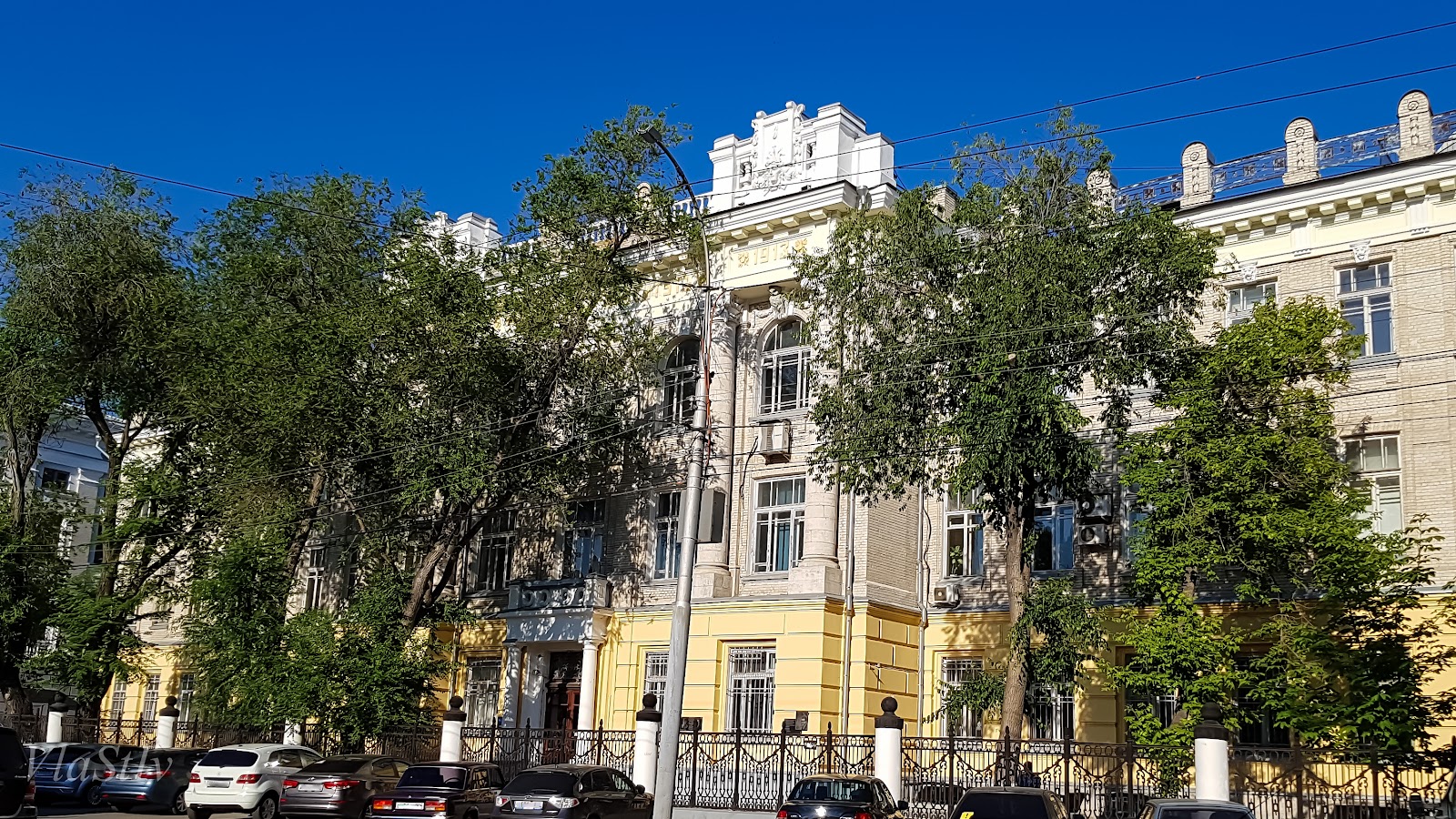
ITMO University
Innovating Tomorrow: IT, Photonics, Robotics.
📍 Saint Petersburg, Russia 🇷🇺
🏆 #7 in Russia · QS World #711 · THE World #1001 · ARWU #901
Quick Facts about ITMO University
- Type: Public
- Students: 12,500
- International: 20%
- Campus: Urban
- Tuition: $5,000 – $9,000/year
- Language: Russian, English
- Student-Faculty Ratio: 10:1
- Intakes: Fall
About ITMO University
Academics
ITMO University offers a multi-level higher education system, including Bachelor's, Master's, and PhD programs. The university's research priorities are concentrated in information and photonic technologies, with a strong emphasis on interdisciplinary approaches. While most Bachelor's and Master's programs are taught in Russian, ITMO offers around 20 international Master's programs exclusively taught in English, covering fields such as Bioinformatics and Systems Biology, Robotics and Artificial Intelligence, and Digital Technologies in Manufacturing. The university also provides a Foundation Program for international students to improve their Russian language skills and prepare for Russian-taught programs.
International Students
ITMO University provides extensive support services for international students through its International Students Learning and Support Center. This center assists with admissions, settling in, housing, transportation, and cultural integration, serving over 1,000 international students and scholars annually. The university also offers a "Buddy System" to help newcomers adjust to the Russian educational system and socio-cultural environment. International students can participate in various student organizations and clubs, including the "Get Local International Student Club" which aims to help with cultural adaptation, and the "English Speaking Club" for language practice.
Campus & Location
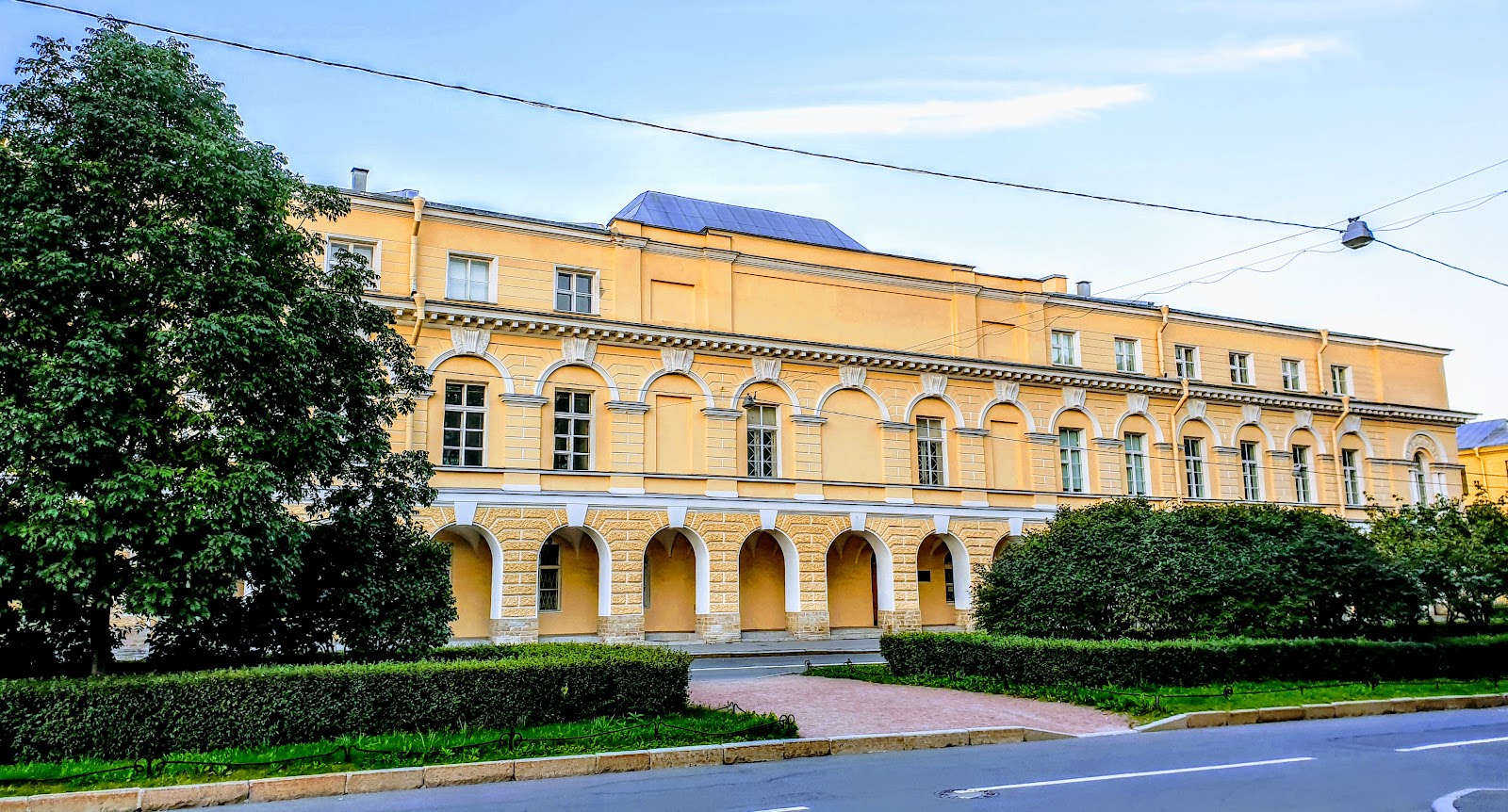
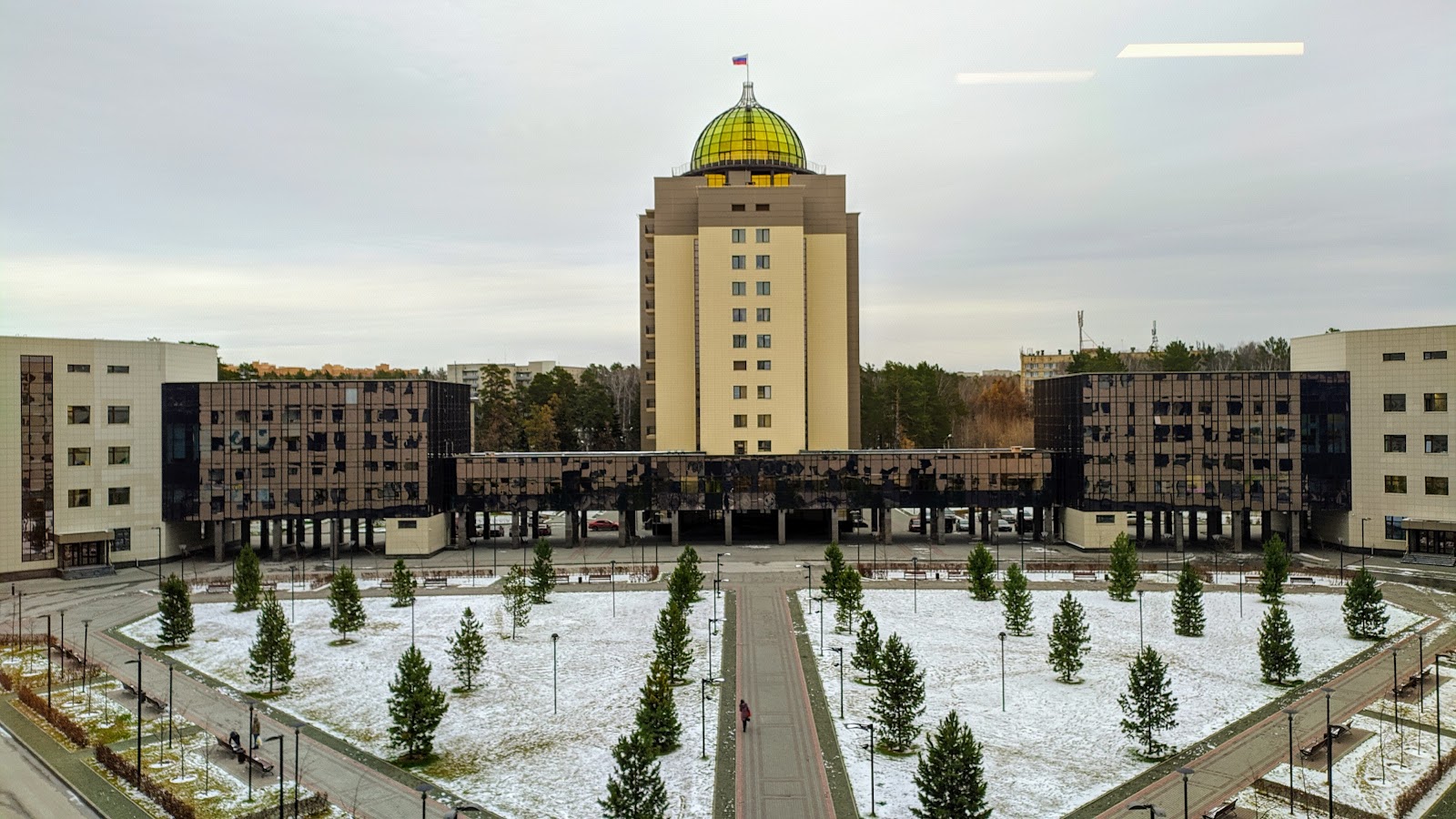
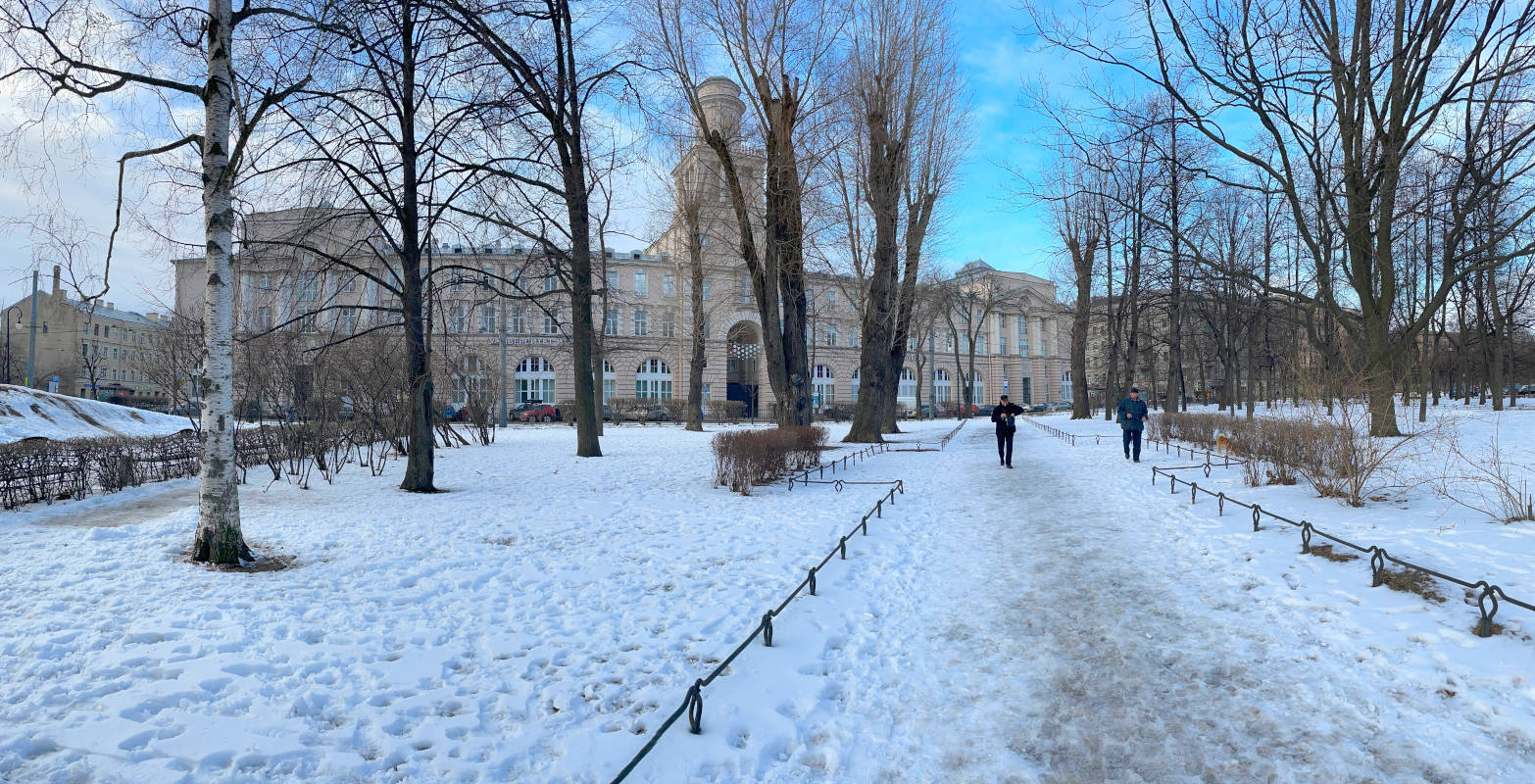
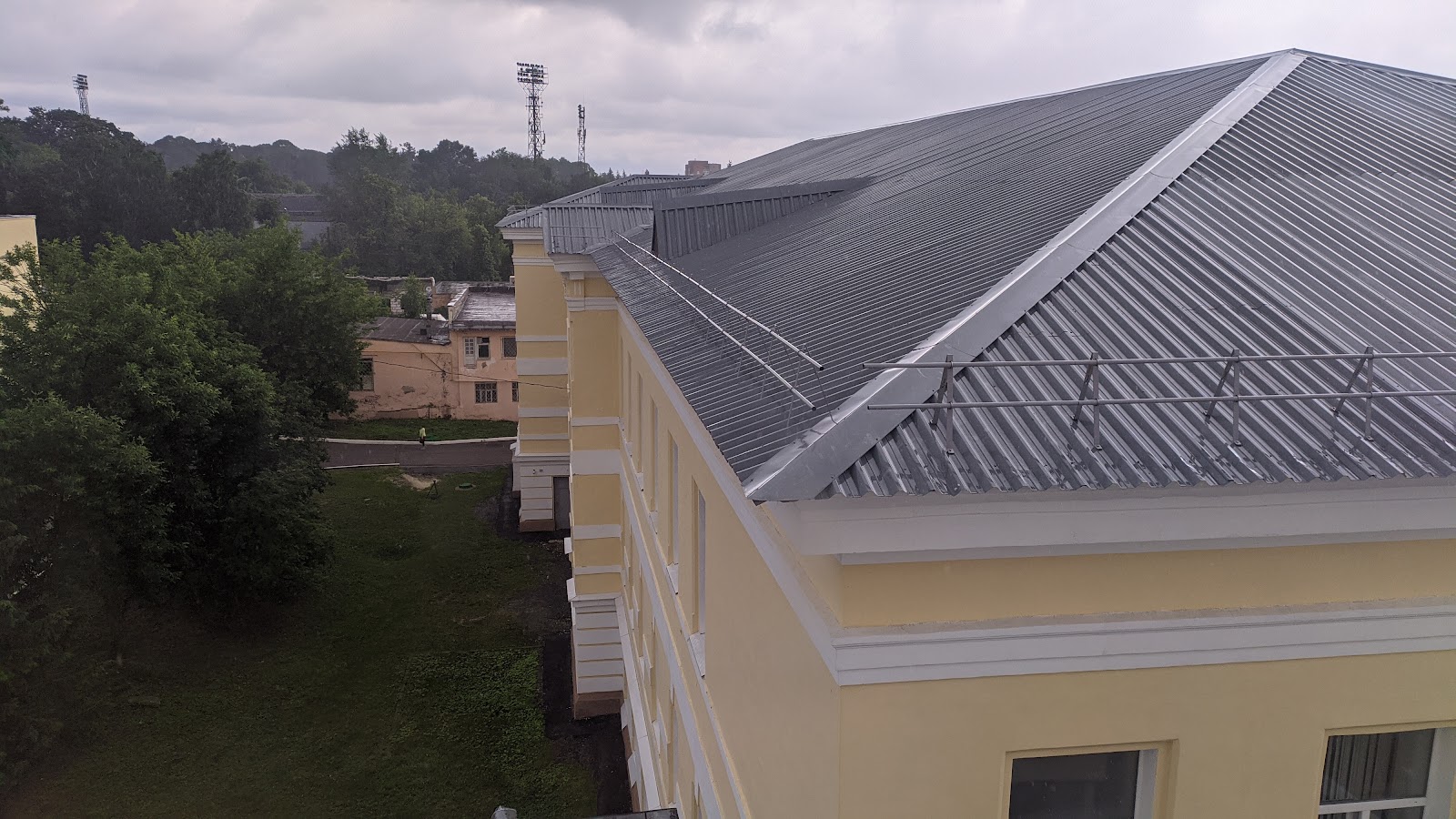
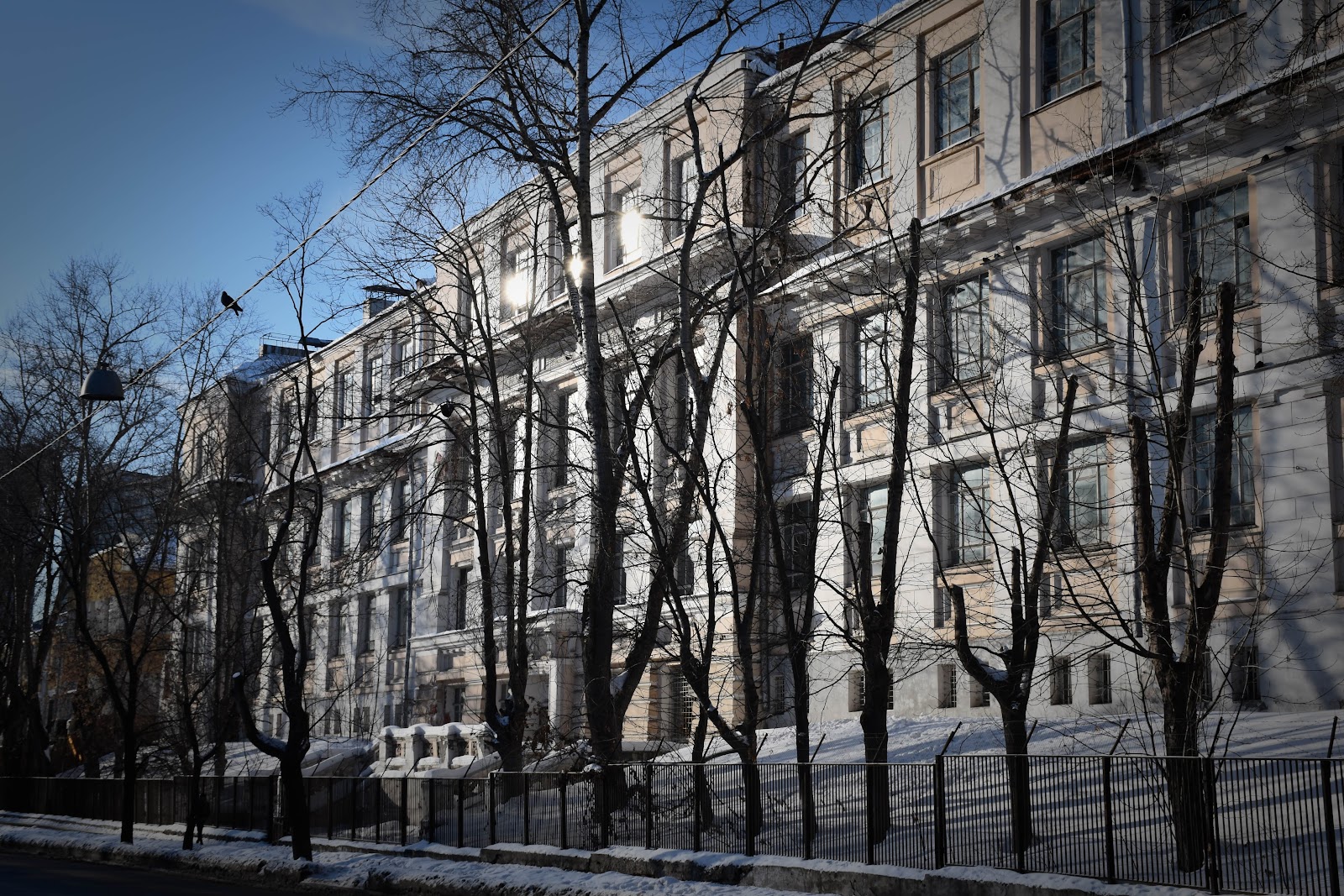
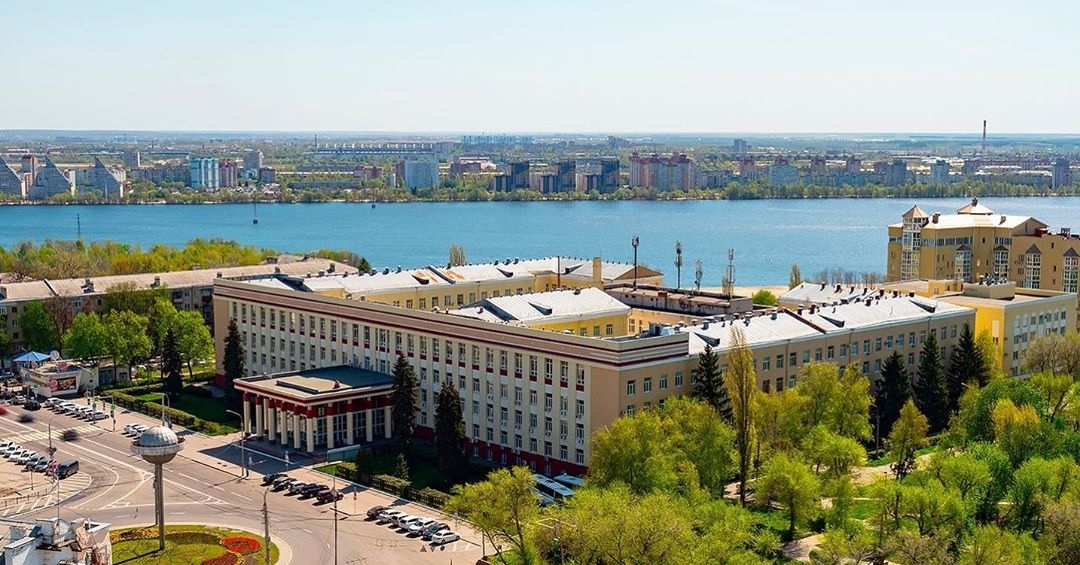
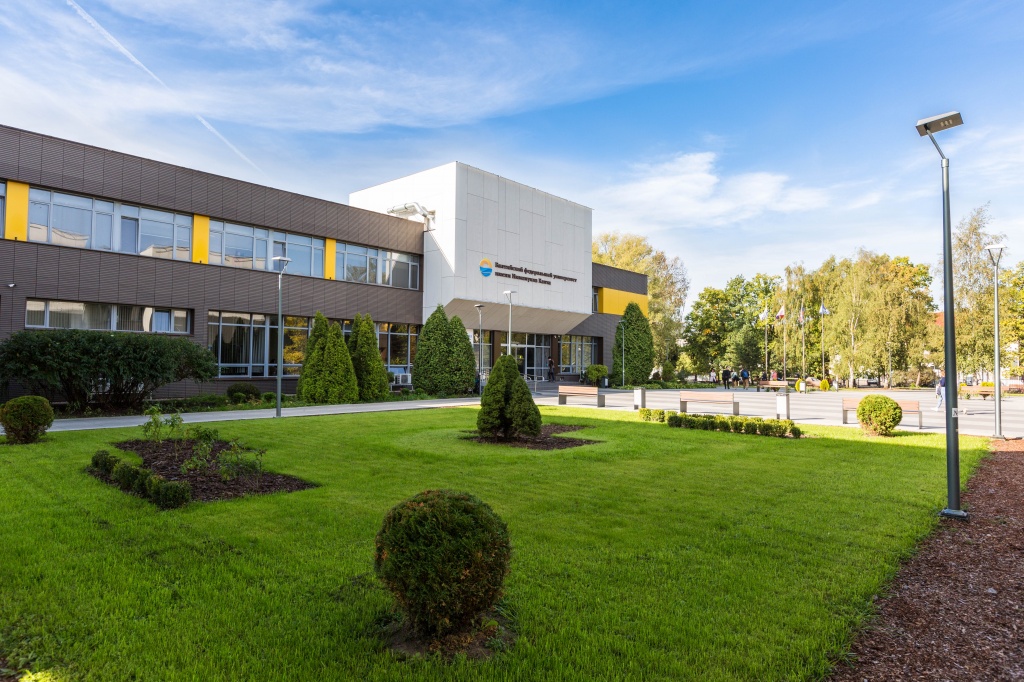
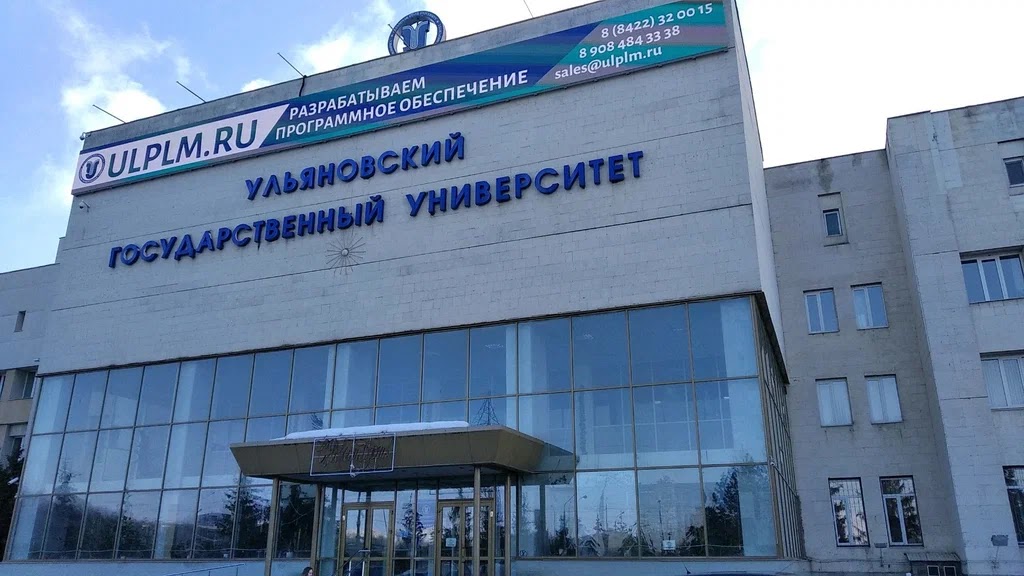
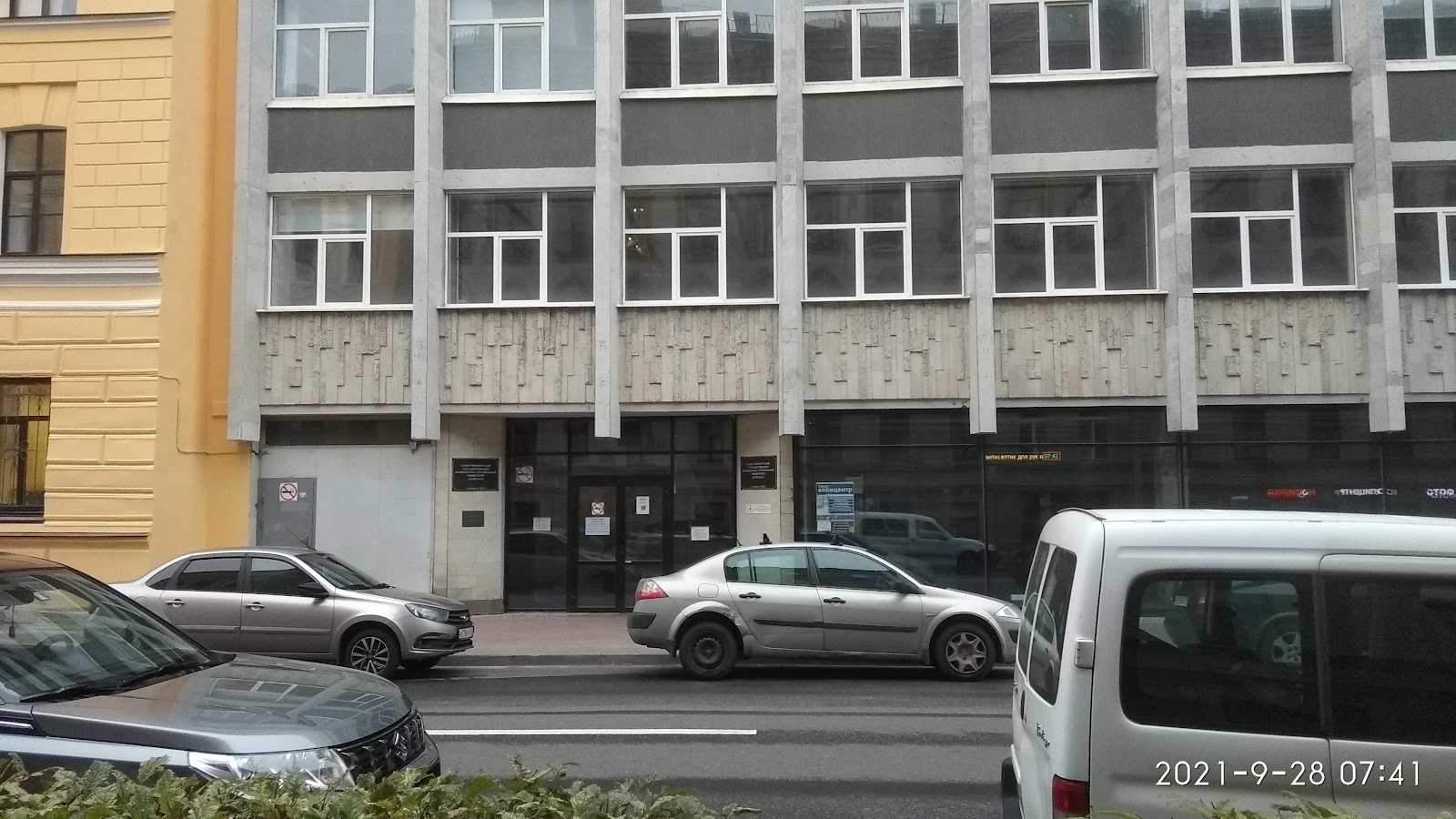
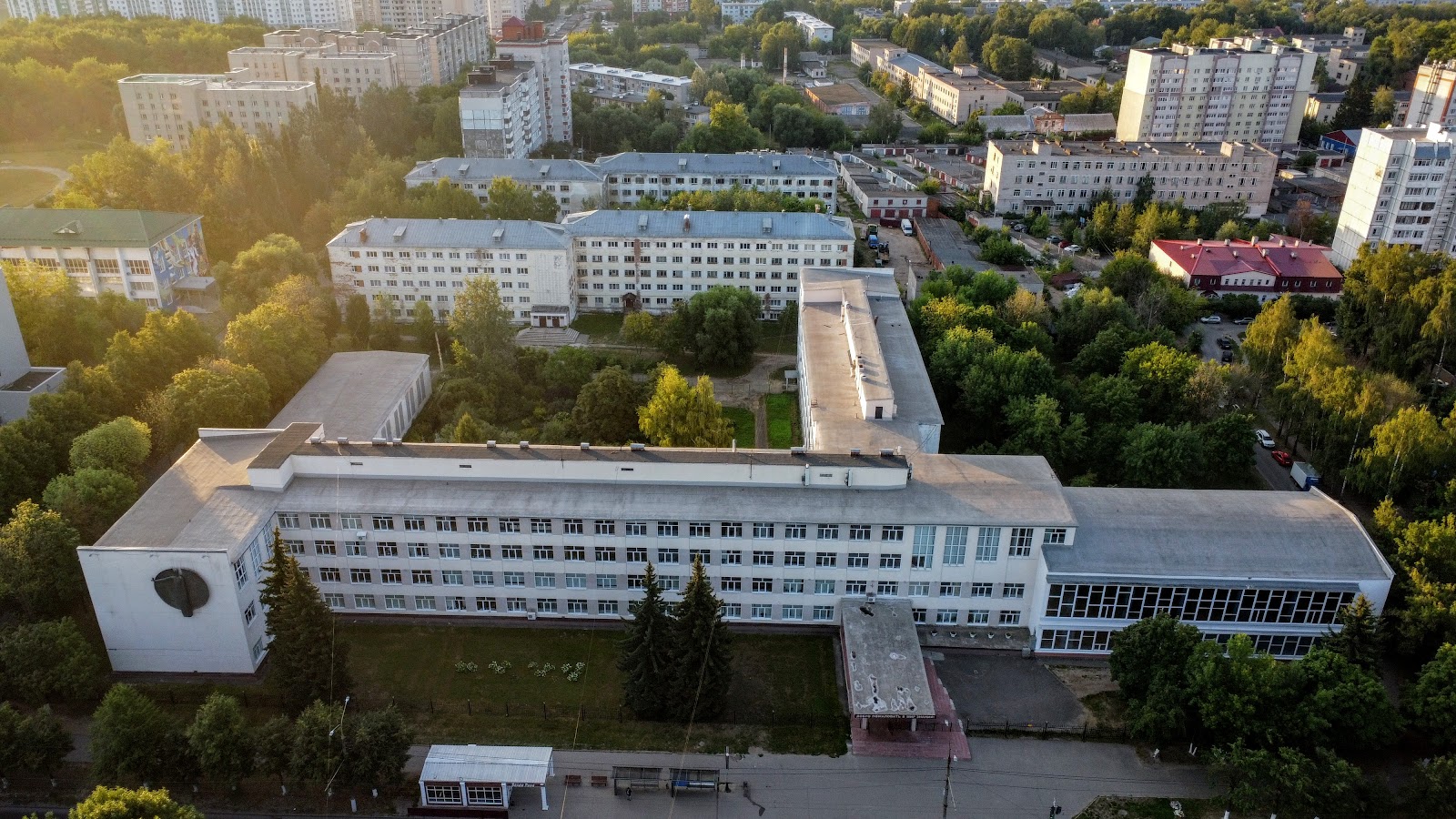
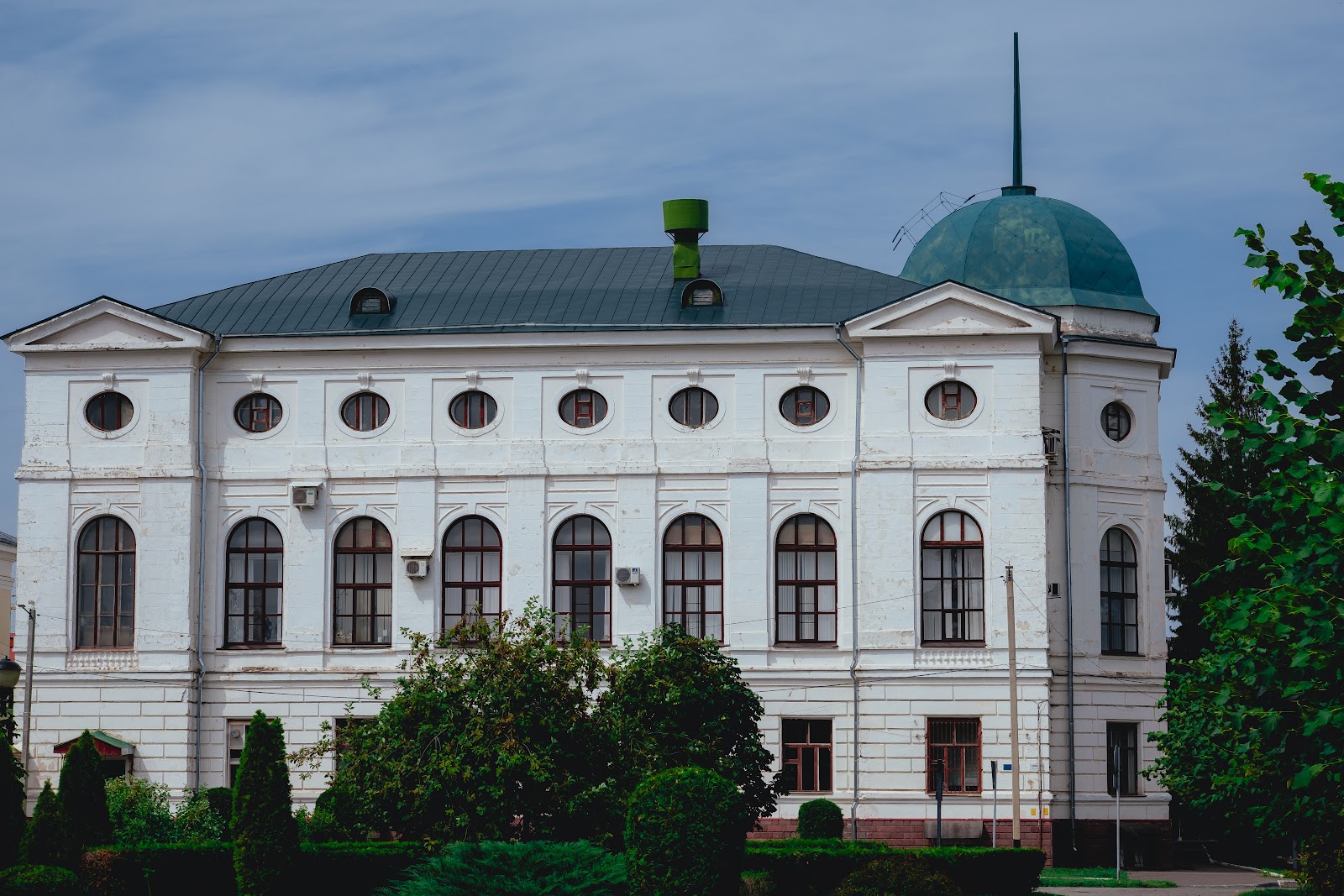
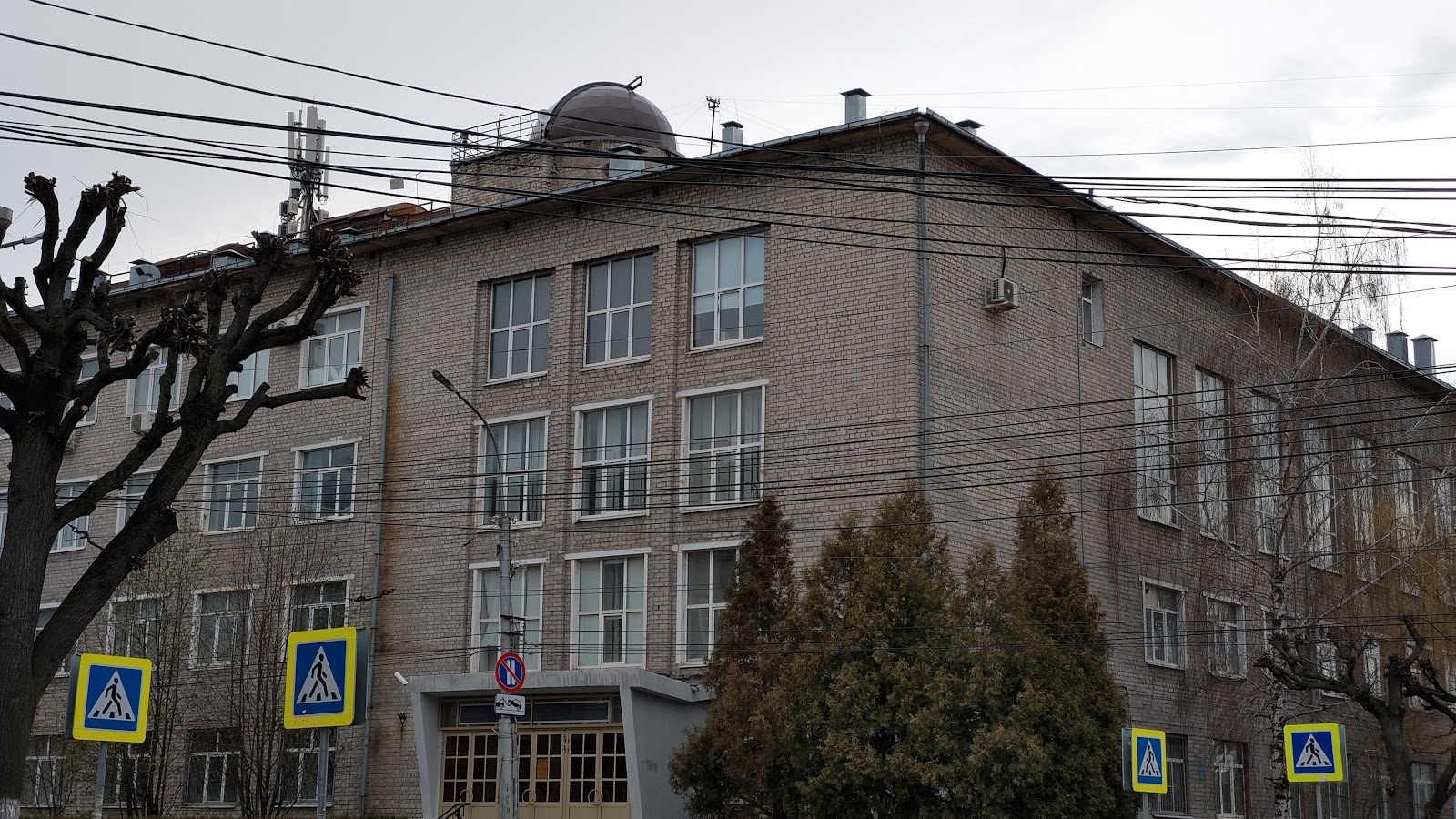
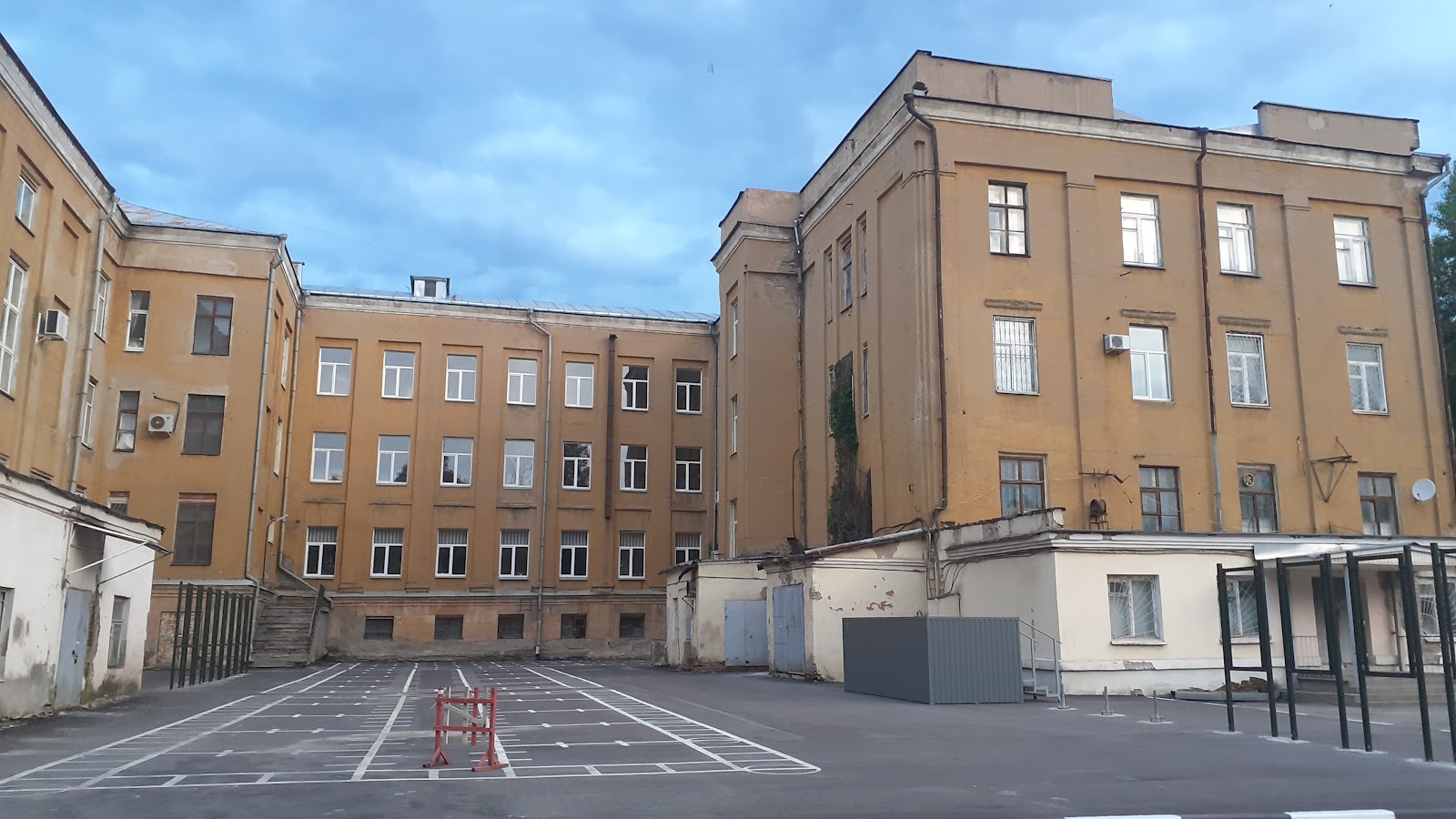
ITMO University's campuses are integrated into the vibrant city life of Saint Petersburg, often referred to as Russia's "Northern Capital" and cultural hub. The main campus on Kronverksky Prospekt is near the Peter and Paul Fortress, a historic landmark. Other campuses, such as those on Lomonosova Street and Chaykovskogo Street, are also centrally located and within walking distance of metro stations and cultural attractions like the Hermitage State Museum and St. Isaac's Cathedral. Saint Petersburg boasts an extensive public transportation network, including a five-line metro system, buses, trolleybuses, and trams, with student travel cards offering discounted fares.
Career Outcomes
ITMO University places a strong emphasis on career development and industry connections, with its Career Services Center acting as a bridge between academics and the job market. The university has a strong startup culture, with an Accelerator and Center for Entrepreneurship that support students and researchers in launching their own projects and connecting with investors. ITMO graduates are highly sought after, particularly in the IT industry, with ITMO consistently ranking among the top Russian universities for graduate salaries in this field. The university maintains partnerships with over 2,000 companies, facilitating internships and employment opportunities for its students.
Information for International Students at ITMO University
ITMO University in Saint Petersburg, Russia welcomes international students, with 20% of the student body coming from abroad.
- 20% of students are international
- Visa support available
- On-campus work allowed
- Student housing available (~$1200/month)
- Work placement / internship opportunities available
- Teaching languages: Russian, English
Admissions Requirements for ITMO University
Here are the key admission requirements for international students applying to ITMO University:
- IELTS minimum: 5.5
- TOEFL minimum: 72
- Duolingo minimum: 90
- GPA minimum: 2
- Selectivity: Very Selective (<20%)
- Application deadline: July 25
Programs at ITMO University (37 programs)
ITMO University offers 37 programs across Bachelor, Master, PhD levels.
Bachelor Programs (12)
- Industrial Programming (BSc) — 48 months · Russian · STEM
This program focuses on developing robust and scalable software solutions for industrial applications, emphasizing software architecture, testing, and project management in a professional context.
Field: Software Engineering
Career outcomes: Industrial Software Engineer, Backend Developer, Software Architect, Technical Lead - Applied Mathematics and Computer Science (BSc) — 48 months · Russian · STEM
This program combines strong mathematical foundations with advanced computer science skills, focusing on areas like mathematical modeling, data analysis, and algorithm development for complex problems.
Field: Mathematics
Career outcomes: Data Scientist, Quantitative Analyst, Research Scientist, Software Developer - Chemical and Biotechnical Systems (BSc) — 48 months · Russian · STEM
This program combines principles of chemistry, biology, and engineering to design and optimize processes in chemical and biotechnological industries, including pharmaceuticals and materials.
Field: Chemical Engineering
Career outcomes: Chemical Engineer, Biotechnologist, Process Engineer, Materials Scientist - Control in Technical Systems (BSc) — 48 months · Russian · STEM
This program focuses on the theory and practice of automatic control systems. Students learn to design, implement, and optimize control algorithms for various technical applications, from robotics to industrial automation.
Field: Control Systems
Career outcomes: Control Systems Engineer, Automation Engineer, Robotics Engineer, Process Control Engineer - Industrial Programming (BSc) — 48 months · Russian · STEM
This program focuses on developing robust and scalable software solutions for industrial applications, emphasizing software architecture, testing, and project management in a professional context.
Field: Software Engineering
Career outcomes: Industrial Software Engineer, Backend Developer, Software Architect, Technical Lead - Applied Mathematics and Computer Science (BSc) — 48 months · Russian · STEM
This program combines strong mathematical foundations with advanced computer science skills, focusing on areas like mathematical modeling, data analysis, and algorithm development for complex problems.
Field: Mathematics
Career outcomes: Data Scientist, Quantitative Analyst, Research Scientist, Software Developer - Chemical and Biotechnical Systems (BSc) — 48 months · Russian · STEM
This program combines principles of chemistry, biology, and engineering to design and optimize processes in chemical and biotechnological industries, including pharmaceuticals and materials.
Field: Chemical Engineering
Career outcomes: Chemical Engineer, Biotechnologist, Process Engineer, Materials Scientist - Control in Technical Systems (BSc) — 48 months · Russian · STEM
This program focuses on the theory and practice of automatic control systems. Students learn to design, implement, and optimize control algorithms for various technical applications, from robotics to industrial automation.
Field: Control Systems
Career outcomes: Control Systems Engineer, Automation Engineer, Robotics Engineer, Process Control Engineer - Infocommunication Technologies and Systems (BSc) — 48 months · Russian · STEM
Students acquire knowledge in telecommunications, data transmission, and network infrastructure. The program covers modern communication technologies, including wireless and optical networks.
Field: Telecommunications
Career outcomes: Network Engineer, Telecommunications Engineer, Communication Systems Designer, IT Support Specialist - Laser Technologies and Optoelectronics (BSc) — 48 months · Russian · STEM
This program provides foundational knowledge in laser physics, optical engineering, and optoelectronic devices. Students learn about the design and application of lasers and optical systems.
Field: Physics
Career outcomes: Optical Engineer, Laser Technician, Research Assistant, Product Development Engineer - Applied Mathematics and Informatics (BSc) — 48 months · Russian · STEM
This program combines strong mathematical foundations with practical skills in computer science. Students learn to develop mathematical models and algorithms for solving complex problems in various fields.
Field: Mathematics
Career outcomes: Data Scientist, Quantitative Analyst, Research Scientist, Software Developer - Chemistry and Materials Science (BSc) — 48 months · Russian · STEM
Students explore the fundamental principles of chemistry and their application in developing new materials. The program covers synthesis, characterization, and properties of various advanced materials.
Field: Materials Science
Career outcomes: Materials Scientist, Chemist, Research and Development Specialist, Quality Control Analyst
Master Programs (20)
- Robotics and Artificial Intelligence (MSc) — 24 months · English · STEM
This program focuses on advanced topics in robotics, machine learning, and artificial intelligence. Students develop skills in designing intelligent systems, autonomous robots, and AI-powered applications.
Field: Robotics
Career outcomes: Robotics Engineer, AI Engineer, Machine Learning Engineer, Research Scientist - Big Data and Machine Learning (MSc) — 24 months · English · STEM
Students learn to process, analyze, and interpret large datasets using advanced machine learning techniques. The curriculum covers data mining, predictive analytics, and distributed computing.
Field: Data Science
Career outcomes: Data Scientist, Big Data Engineer, Machine Learning Engineer, Business Intelligence Analyst - Photonics and Optical Information Technologies (MSc) — 24 months · English · STEM
Students delve into the principles of light and its applications in information technology, including optical communication, laser technologies, and quantum optics. The program prepares specialists for high-tech industries.
Field: Physics
Career outcomes: Optical Engineer, Photonics Scientist, Research and Development Engineer, Laser Specialist - Information Security (MSc) — 24 months · Russian · STEM
Students learn to protect information systems and data from cyber threats. The curriculum covers cryptography, network security, ethical hacking, and security management.
Field: Cybersecurity
Career outcomes: Cybersecurity Analyst, Security Engineer, Penetration Tester, Information Security Manager - Intelligent Technologies in Robotics (MSc) — 24 months · Russian · STEM
This program focuses on integrating artificial intelligence and machine learning into robotic systems. Students develop skills in designing intelligent robots capable of autonomous decision-making and interaction.
Field: Robotics
Career outcomes: Robotics Engineer, AI Engineer, Automation Specialist, Research Engineer - Nanomaterials and Nanotechnologies (MSc) — 24 months · English · STEM
Students explore the synthesis, characterization, and application of nanomaterials, focusing on their unique properties for advanced technologies in electronics, medicine, and energy.
Field: Materials Science
Career outcomes: Materials Scientist, Nanotechnology Engineer, Research Scientist, Product Developer - Artificial Intelligence and Digital Humanities (MA) — 24 months · English
This interdisciplinary program applies AI and computational methods to analyze and interpret cultural, historical, and linguistic data, bridging technology with humanities research.
Field: Digital Humanities
Career outcomes: Digital Humanities Specialist, Data Analyst (Humanities), AI Ethicist, Research Assistant - Mathematical and Software Support of Information Systems (MSc) — 24 months · Russian · STEM
This program provides advanced skills in mathematical modeling, algorithm design, and software development for complex information systems, with a focus on optimization and efficiency.
Field: Computer Science
Career outcomes: System Analyst, Algorithm Developer, Software Engineer, Data Scientist - Robotics and Artificial Intelligence (MSc) — 24 months · English · STEM
This program focuses on advanced topics in robotics, machine learning, and artificial intelligence. Students develop skills in designing intelligent systems, autonomous robots, and AI-powered applications.
Field: Robotics
Career outcomes: Robotics Engineer, AI Engineer, Machine Learning Engineer, Research Scientist - Big Data and Machine Learning (MSc) — 24 months · English · STEM
Students learn to process, analyze, and interpret large datasets using advanced machine learning techniques. The curriculum covers data mining, predictive analytics, and distributed computing.
Field: Data Science
Career outcomes: Data Scientist, Big Data Engineer, Machine Learning Engineer, Business Intelligence Analyst - Photonics and Optical Information Technologies (MSc) — 24 months · English · STEM
Students delve into the principles of light and its applications in information technology, including optical communication, laser technologies, and quantum optics. The program prepares specialists for high-tech industries.
Field: Physics
Career outcomes: Optical Engineer, Photonics Scientist, Research and Development Engineer, Laser Specialist - Information Security (MSc) — 24 months · Russian · STEM
Students learn to protect information systems and data from cyber threats. The curriculum covers cryptography, network security, ethical hacking, and security management.
Field: Cybersecurity
Career outcomes: Cybersecurity Analyst, Security Engineer, Penetration Tester, Information Security Manager - Intelligent Technologies in Robotics (MSc) — 24 months · Russian · STEM
This program focuses on integrating artificial intelligence and machine learning into robotic systems. Students develop skills in designing intelligent robots capable of autonomous decision-making and interaction.
Field: Robotics
Career outcomes: Robotics Engineer, AI Engineer, Automation Specialist, Research Engineer - Nanomaterials and Nanotechnologies (MSc) — 24 months · English · STEM
Students explore the synthesis, characterization, and application of nanomaterials, focusing on their unique properties for advanced technologies in electronics, medicine, and energy.
Field: Materials Science
Career outcomes: Materials Scientist, Nanotechnology Engineer, Research Scientist, Product Developer - Artificial Intelligence and Digital Humanities (MA) — 24 months · English
This interdisciplinary program applies AI and computational methods to analyze and interpret cultural, historical, and linguistic data, bridging technology with humanities research.
Field: Digital Humanities
Career outcomes: Digital Humanities Specialist, Data Analyst (Humanities), AI Ethicist, Research Assistant - Mathematical and Software Support of Information Systems (MSc) — 24 months · Russian · STEM
This program provides advanced skills in mathematical modeling, algorithm design, and software development for complex information systems, with a focus on optimization and efficiency.
Field: Computer Science
Career outcomes: System Analyst, Algorithm Developer, Software Engineer, Data Scientist - IT Project Management (MSc) — 24 months · English
This program equips students with the skills to manage complex IT projects, from conception to completion. It covers project planning, risk management, team leadership, and agile methodologies.
Field: Project Management
Career outcomes: IT Project Manager, Scrum Master, Product Manager, Business Analyst - Quantum Technologies (MSc) — 24 months · English · STEM
This program provides a deep understanding of quantum mechanics and its applications in computing, communication, and sensing. Students explore the cutting edge of quantum science and engineering.
Field: Physics
Career outcomes: Quantum Engineer, Quantum Scientist, Research Physicist, Algorithm Developer (Quantum) - Biomedical Engineering (MSc) — 24 months · Russian · STEM
Students learn to apply engineering principles to solve problems in medicine and biology. The program covers medical imaging, biomechanics, biomaterials, and design of medical devices.
Field: Biomedical Engineering
Career outcomes: Biomedical Engineer, Medical Device Designer, Clinical Engineer, Research Scientist - Bioinformatics and Systems Biology (MSc) — 24 months · English · STEM
This program combines biology, computer science, and statistics to analyze complex biological data. Students develop skills in genomic analysis, drug discovery, and computational modeling of biological systems.
Field: Bioinformatics
Career outcomes: Bioinformatician, Computational Biologist, Research Scientist, Data Scientist (Life Sciences)
PhD Programs (5)
- Computer Science and Engineering (PhD) — 48 months · English · STEM
This doctoral program allows students to conduct advanced research in various areas of computer science and engineering, including AI, software engineering, and distributed systems, contributing to new knowledge in the field.
Field: Computer Science
Career outcomes: University Professor, Research Scientist, Lead Software Architect, AI Research Lead - Physics and Astronomy (PhD) — 48 months · English · STEM
Doctoral candidates engage in cutting-edge research in areas such as quantum physics, optics, condensed matter physics, and astrophysics, pushing the boundaries of scientific understanding.
Field: Physics
Career outcomes: University Professor, Research Physicist, Industrial Scientist, Astronomer - Computer Science and Engineering (PhD) — 48 months · English · STEM
This doctoral program allows students to conduct advanced research in various areas of computer science and engineering, including AI, software engineering, and distributed systems, contributing to new knowledge in the field.
Field: Computer Science
Career outcomes: University Professor, Research Scientist, Lead Software Architect, AI Research Lead - Physics and Astronomy (PhD) — 48 months · English · STEM
Doctoral candidates engage in cutting-edge research in areas such as quantum physics, optics, condensed matter physics, and astrophysics, pushing the boundaries of scientific understanding.
Field: Physics
Career outcomes: University Professor, Research Physicist, Industrial Scientist, Astronomer - Chemical and Biological Technologies (PhD) — 48 months · English · STEM
Doctoral research in this field focuses on advanced chemical synthesis, biotechnology, and the development of novel materials with biological applications, contributing to innovations in medicine and industry.
Field: Chemical Engineering
Career outcomes: Research Scientist, University Professor, Biotech Engineer, Pharmaceutical Scientist
Scholarships & Tuition at ITMO University
Annual tuition for international students: $5,000 – $9,000/year
✅ ITMO University offers scholarships for international students. Check the official website for eligibility, amounts, and deadlines.
Rankings of ITMO University
- National Ranking: #7 in Russia
- QS World University Ranking: #711
- Times Higher Education (THE): #1001
- Academic Ranking of World Universities (ARWU): #901
- Ranking tier: Unranked
- Research output: Very High
Campus & Facilities at ITMO University
- Student housing available
- Sports facilities available
- No disability support info
- Campus type: Urban
- Housing cost: ~$1200/month
Key Highlights
- Leading IT research university
- Strong photonics and robotics
- National Research University status
- Project 5-100 participant
- English-taught Master's programs
- Robust international student support
Accreditation
- European University Association (EUA)
- Association of Technical Universities of Russia and of China
- Society of Photo-Optical Instrumentation Engineers (SPIE)
- European Optical Society (EOS)
- International Institute of Refrigeration (IIR)
- St. Petersburg Chamber of Commerce
Fields of Study at ITMO University
- Computer Science
- IT
- Physics
- Engineering
Notable Alumni
- Ilya Chekh
- Daniel Galper
- Gleb Nikitin
- Gennady Korotkevich
- Yuri Denisyuk
Frequently Asked Questions about ITMO University
What is ITMO University?
ITMO University is a public university located in Saint Petersburg, Russia. It has approximately 12,500 students, with 20% being international students.
How much does it cost to study at ITMO University?
Tuition fees at ITMO University for international students range from $5,000 – $9,000/year. Student housing costs approximately $1200/month. Scholarships are available for international students.
What are the admission requirements for ITMO University?
IELTS minimum: 5.5. TOEFL minimum: 72. Duolingo minimum: 90. GPA minimum: 2. Selectivity: Very Selective (<20%). Application deadline: July 25.
What language are courses taught in at ITMO University?
Courses at ITMO University are taught in Russian and English. International students need a minimum IELTS score of 5.5.
How many programs does ITMO University offer?
ITMO University offers 37 programs: 12 Bachelor's, 20 Master's, and 5 PhD programs across various fields of study.
What is ITMO University ranked?
#7 in Russia · QS World #711 · THE World #1001 · ARWU #901.
Does ITMO University offer scholarships?
Yes, ITMO University offers scholarships for international students. Visit the university's official financial aid page for current opportunities, eligibility criteria, and deadlines.
Does ITMO University provide visa support?
Yes, ITMO University provides visa support for international students. Student housing is also available. On-campus work opportunities are available.
Apply to ITMO University with Abroadly
Use Abroadly's AI-powered platform to manage your application to ITMO University. Get matched to programs, track deadlines, and organize documents — all in one place.