Autonomous University of Chapingo
Cultivating agricultural excellence for Mexico's future.
📍 Texcoco, Mexico 🇲🇽
🏆 #14 in Mexico · QS World #1201 · THE World #1501
Quick Facts about Autonomous University of Chapingo
- Type: Public
- Tuition: $200 – $400/year
- Intakes: Fall, Spring
About Autonomous University of Chapingo
Academics
UACh offers a diverse range of undergraduate and postgraduate programs with a strong focus on agricultural sciences, engineering, and environmental studies. Notable fields of study include Agronomy, Forestry, Agricultural Economics, Agricultural Industries, Irrigation, Rural Sociology, and Animal Science. The university emphasizes practical training and research, preparing students to address global food security challenges and sustainable resource management. Many programs are designed to foster entrepreneurship and integrate scientific knowledge with real-world applications in the rural sector.
International Students
Chapingo Autonomous University welcomes international applicants and offers various academic and non-academic facilities, including study abroad and exchange programs. While the primary language of instruction is Spanish, some bachelor's programs, such as International Trade, may be offered in English. The university aims to provide free studies to young people from all states of Mexico, prioritizing those from indigenous populations, and promotes a culturally rich environment with the presence of many indigenous languages. Students can participate in various student organizations, fostering collaboration and cultural exchange.
Campus & Location
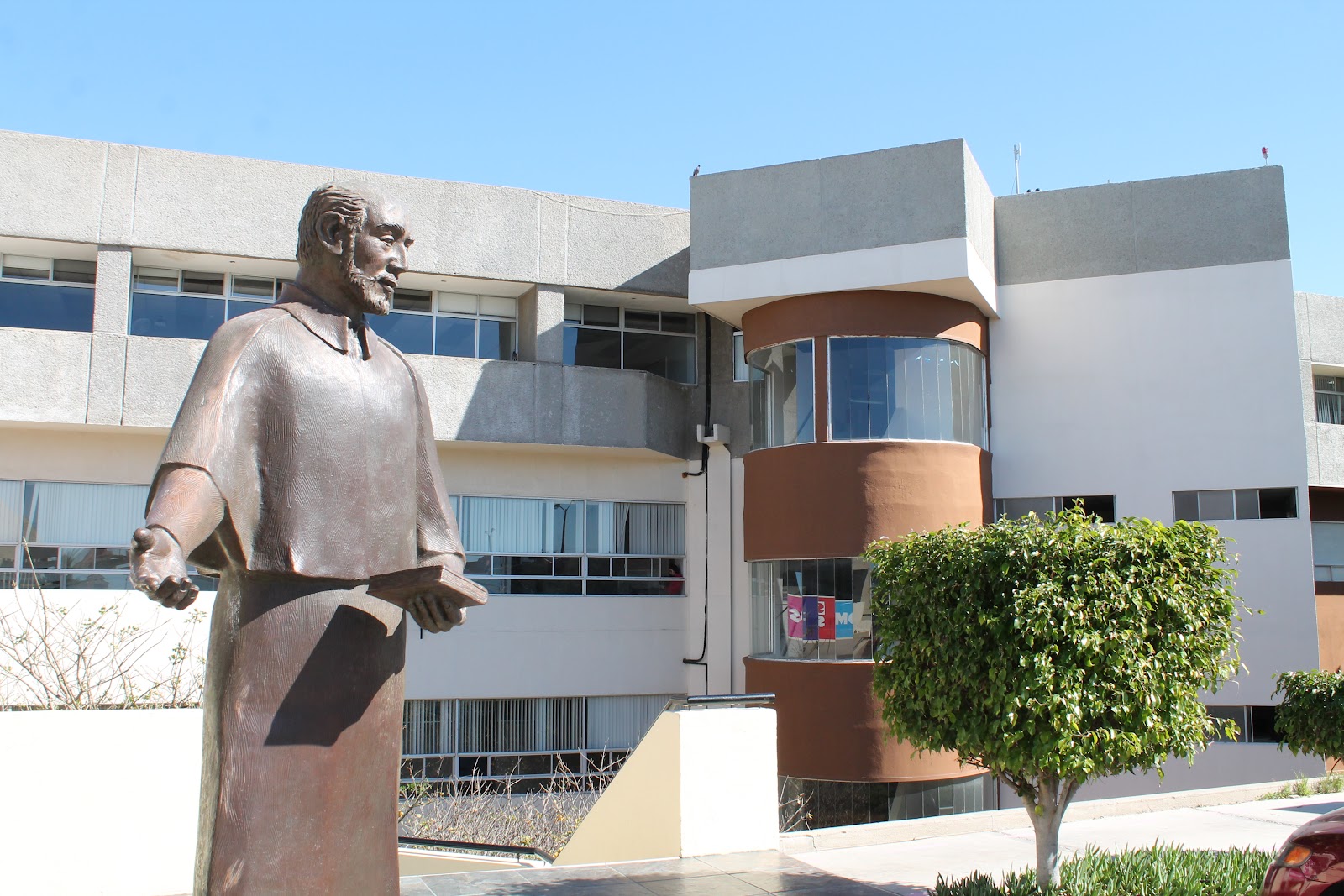
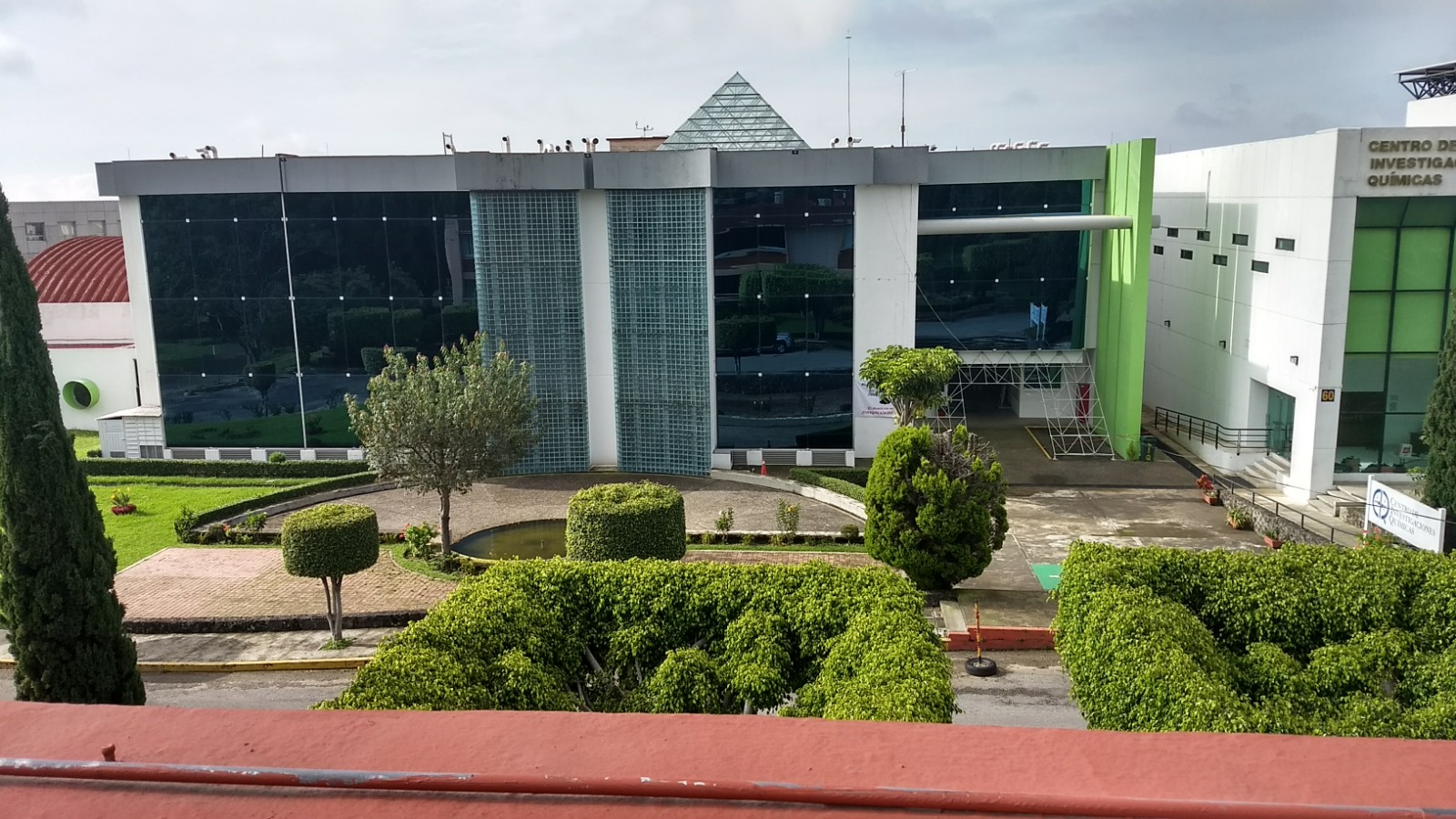
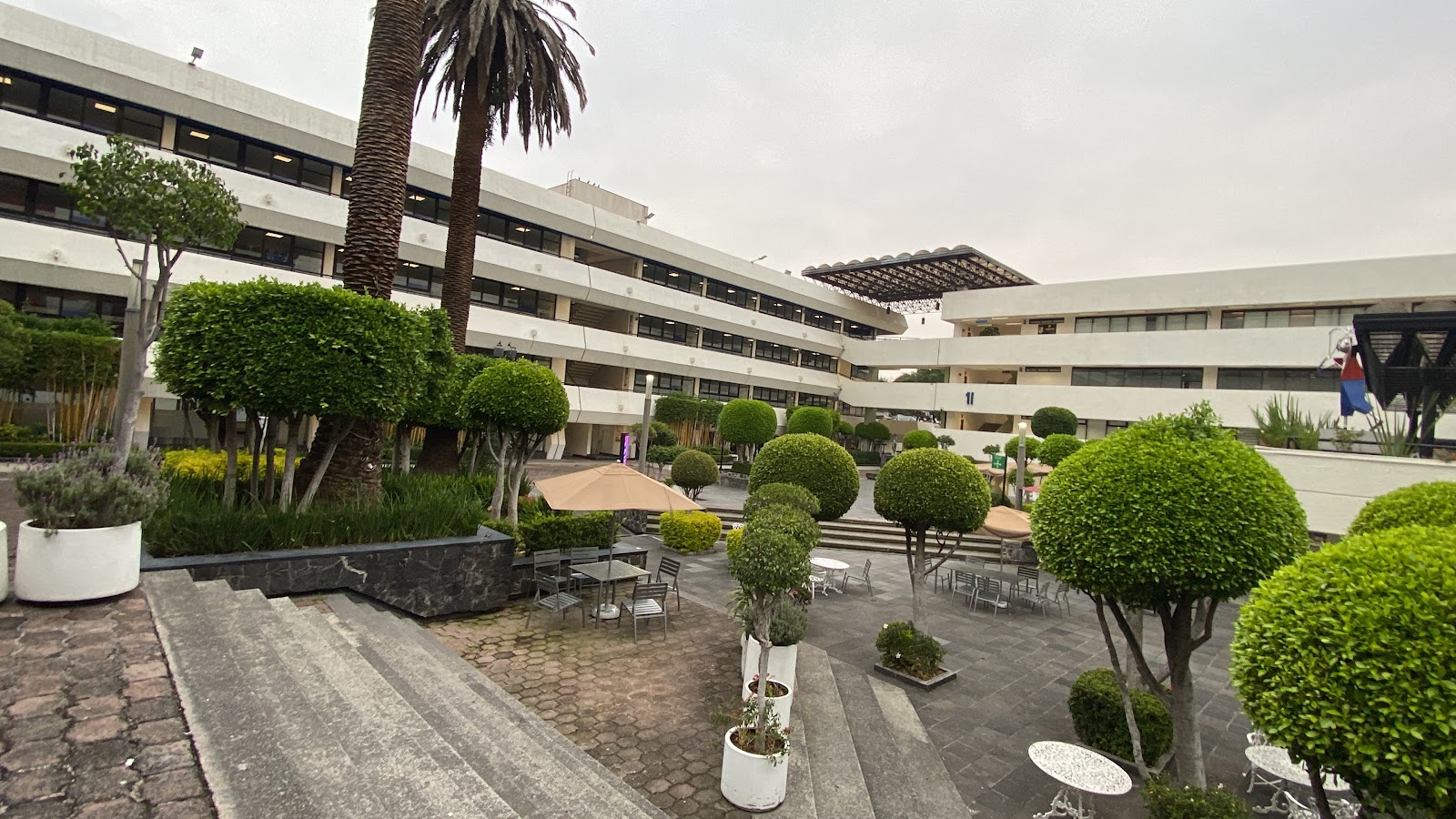
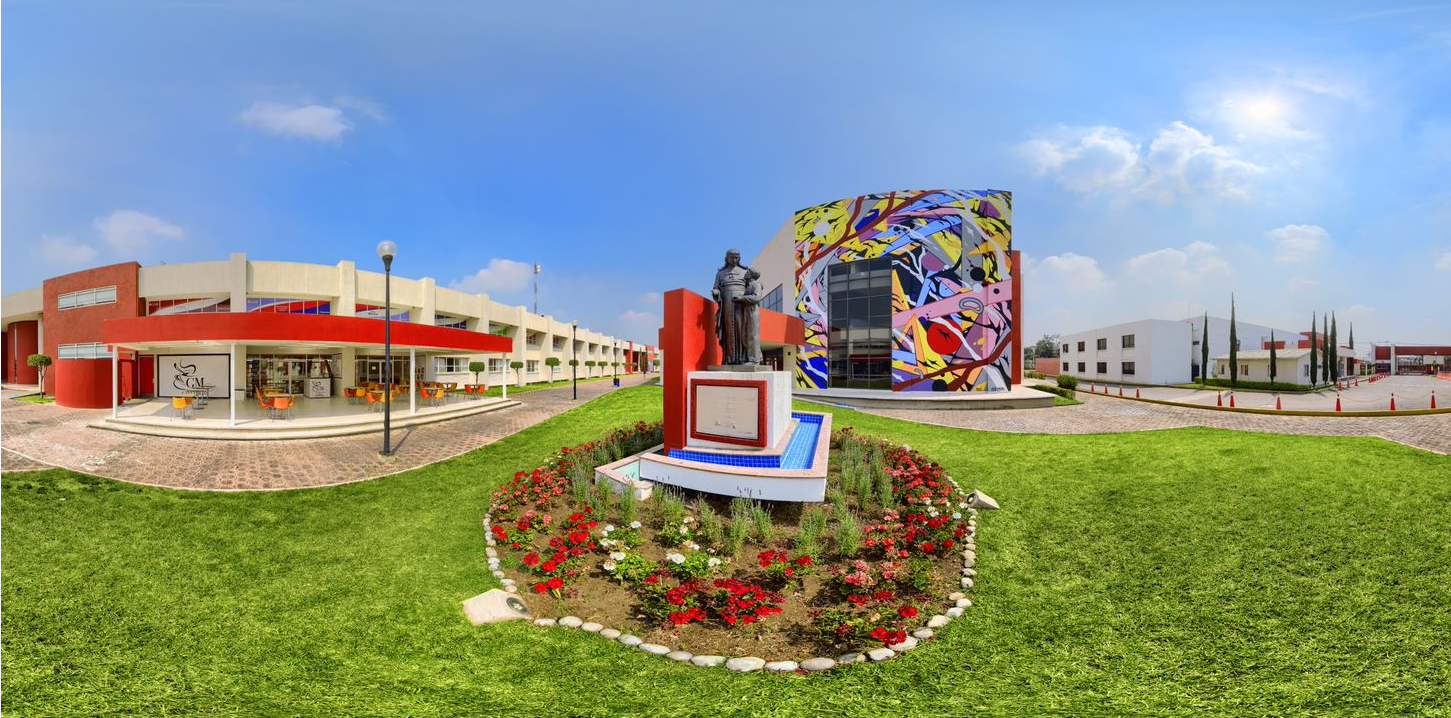
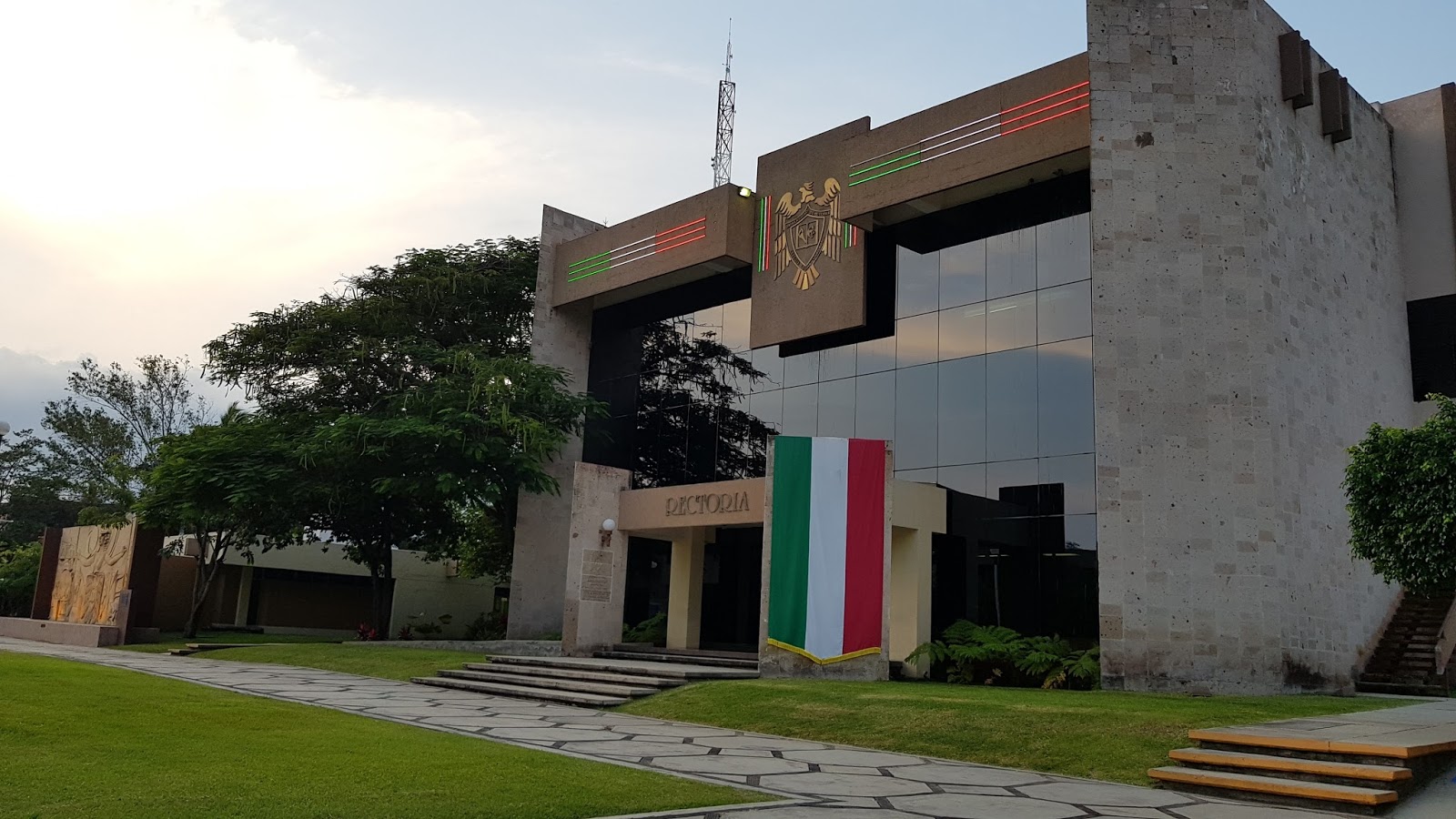
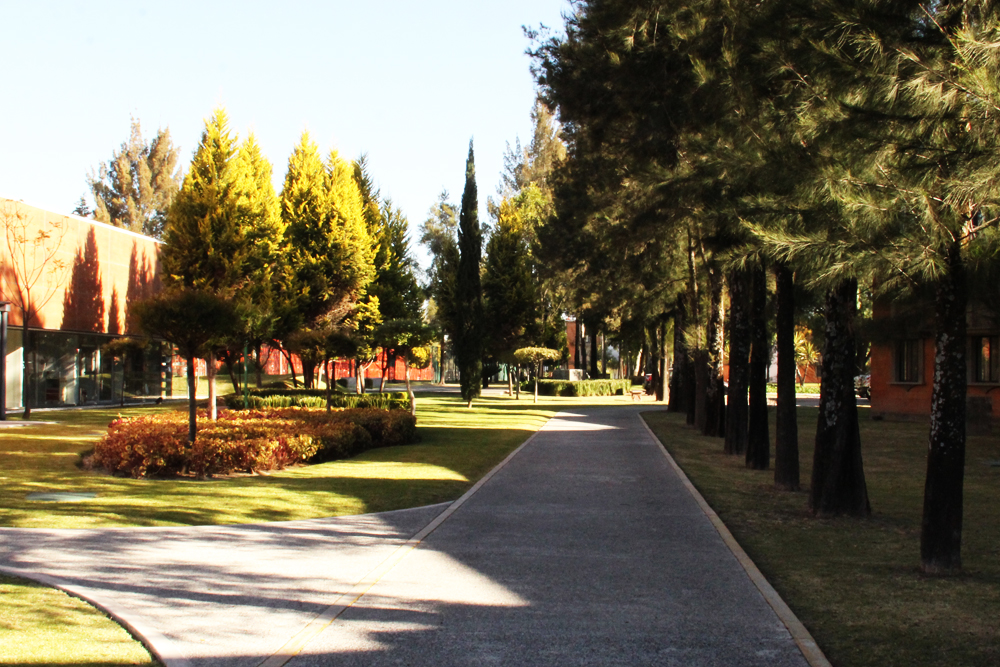
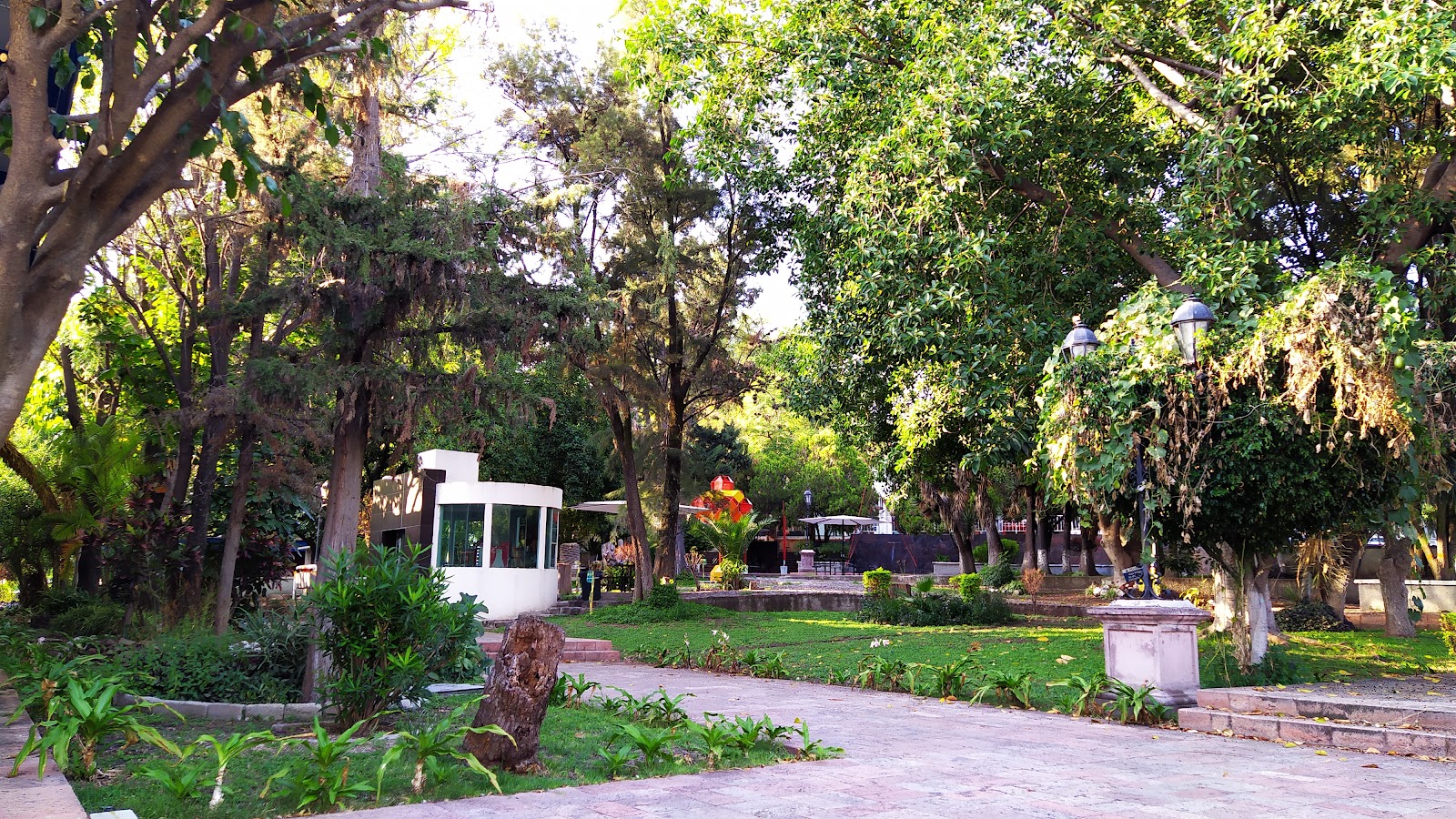
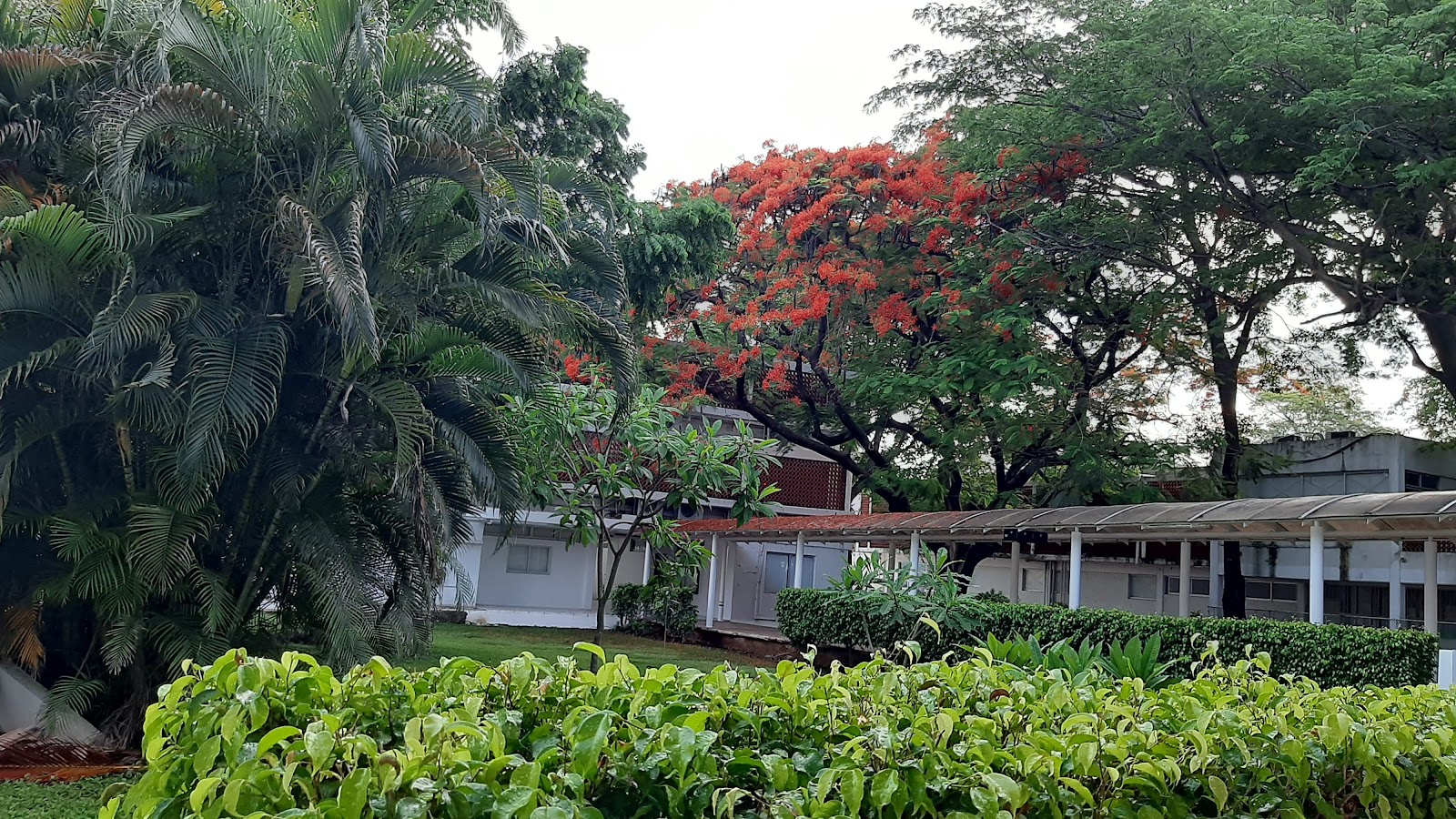
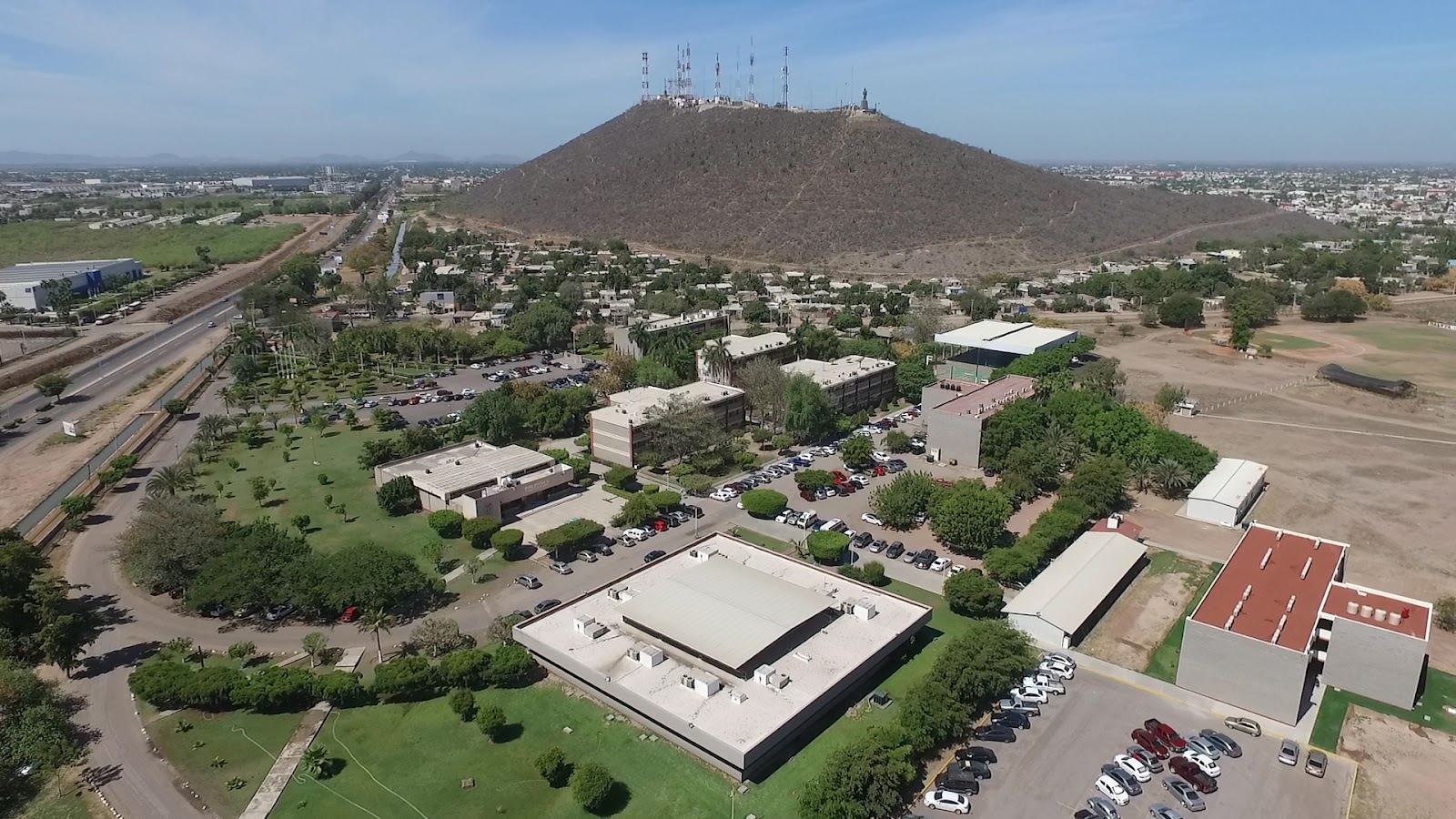
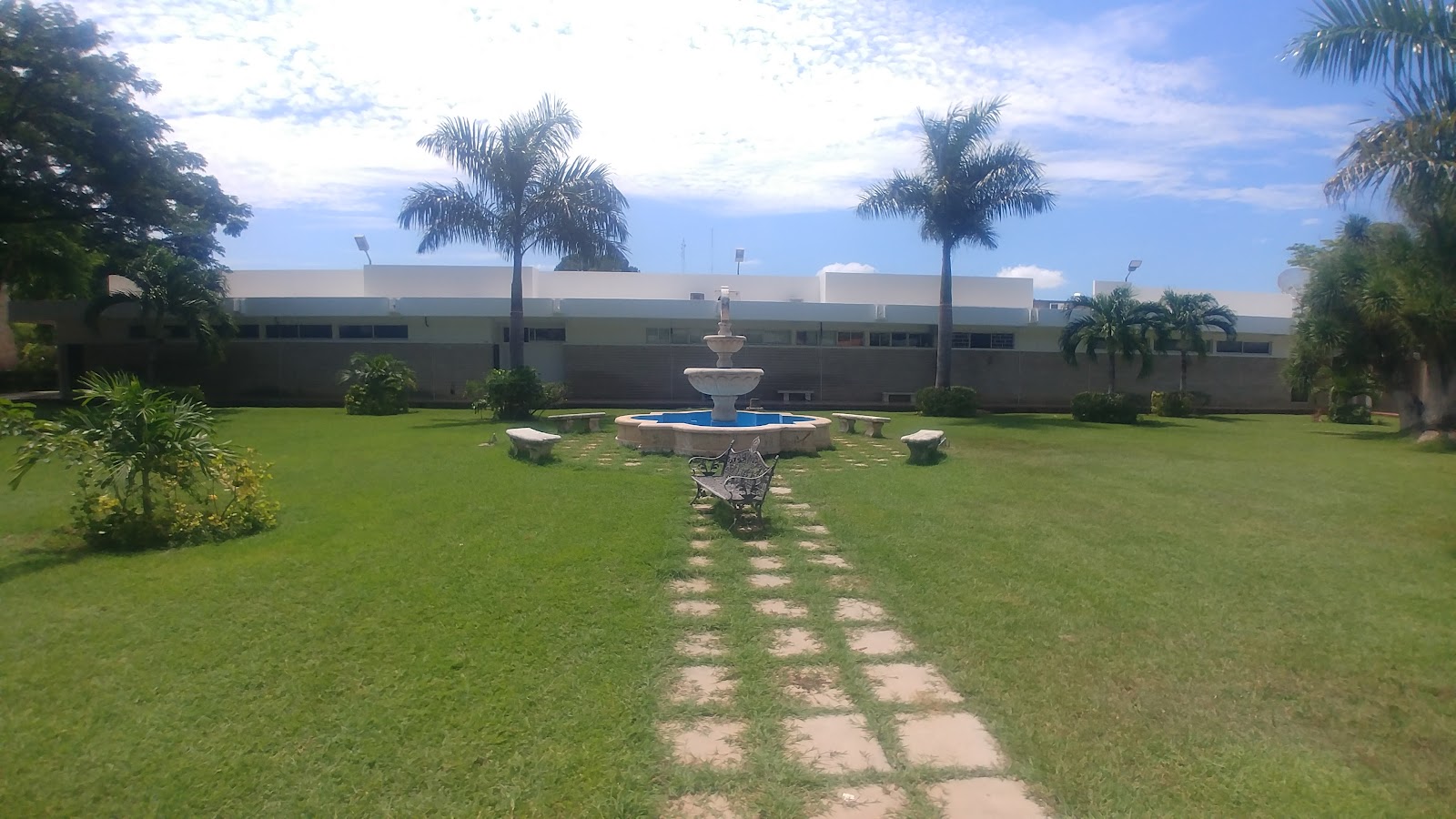
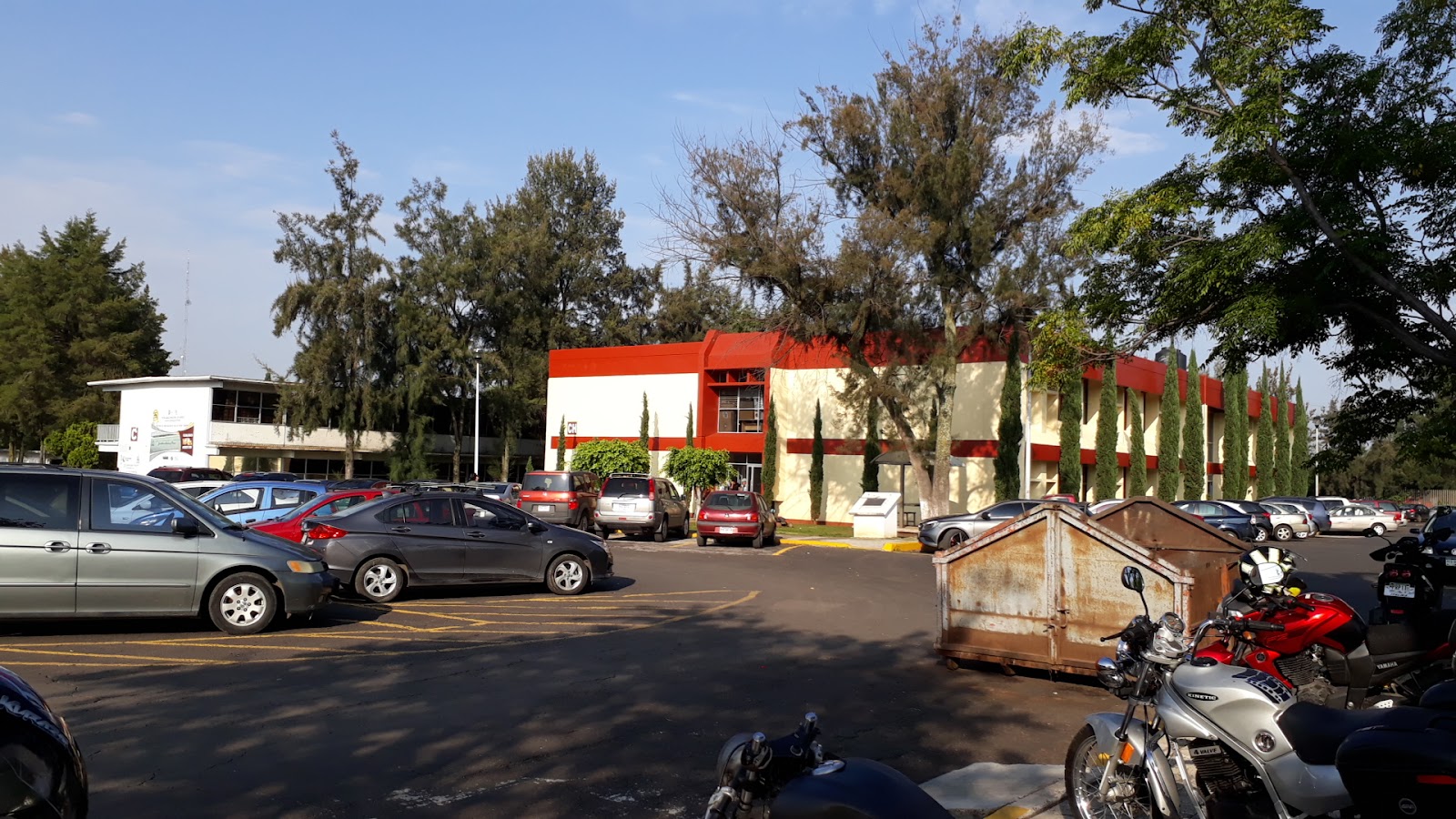
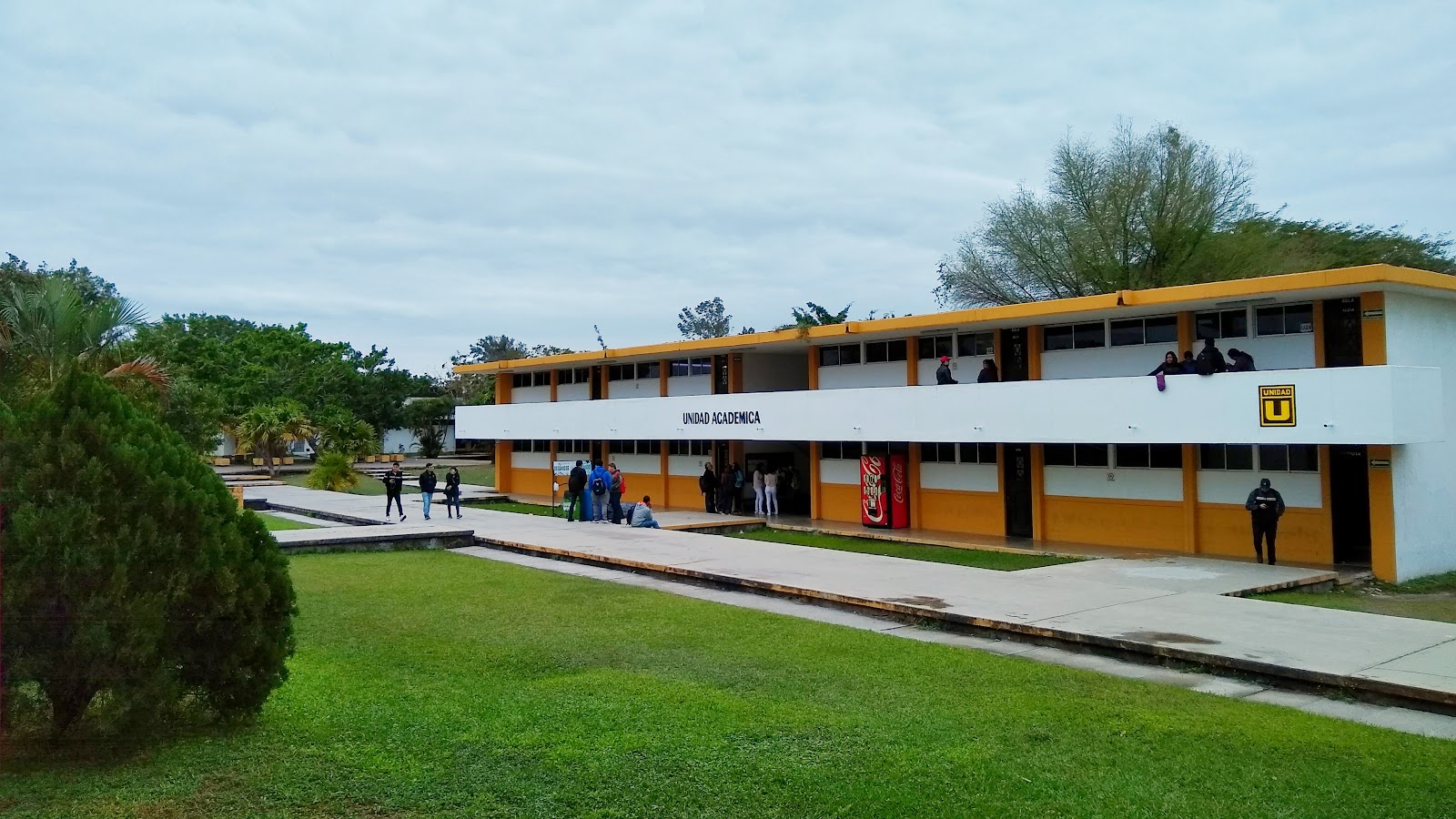
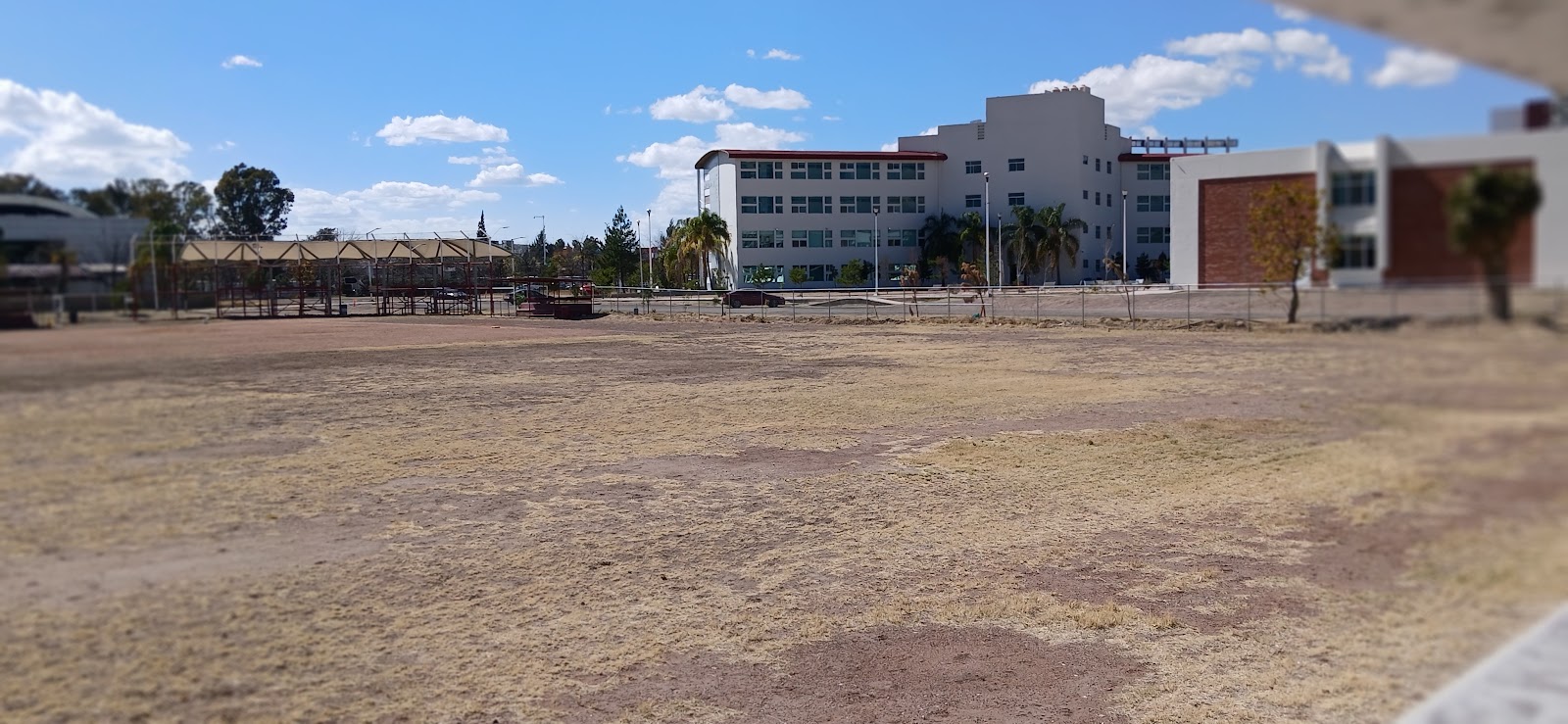
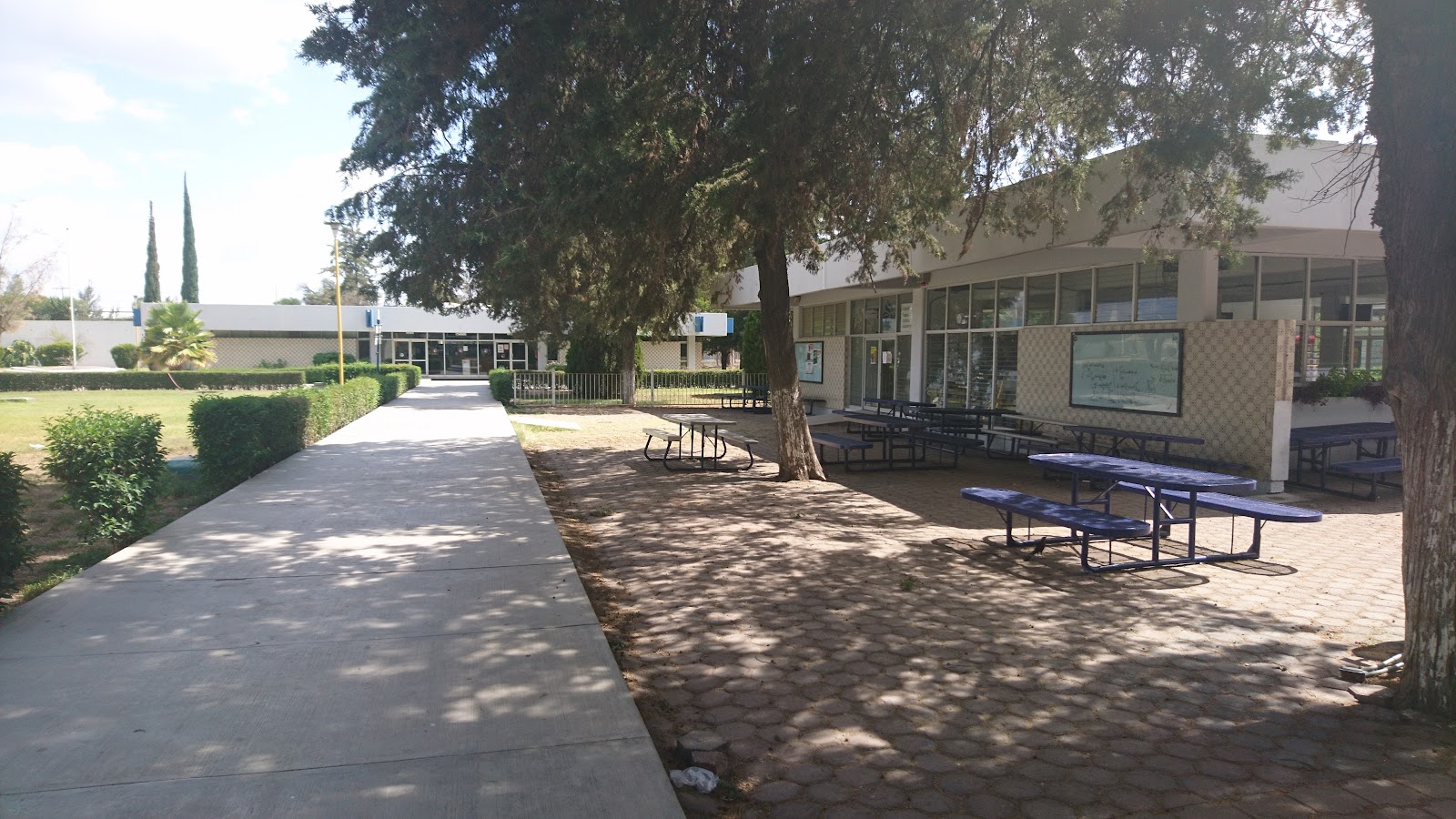
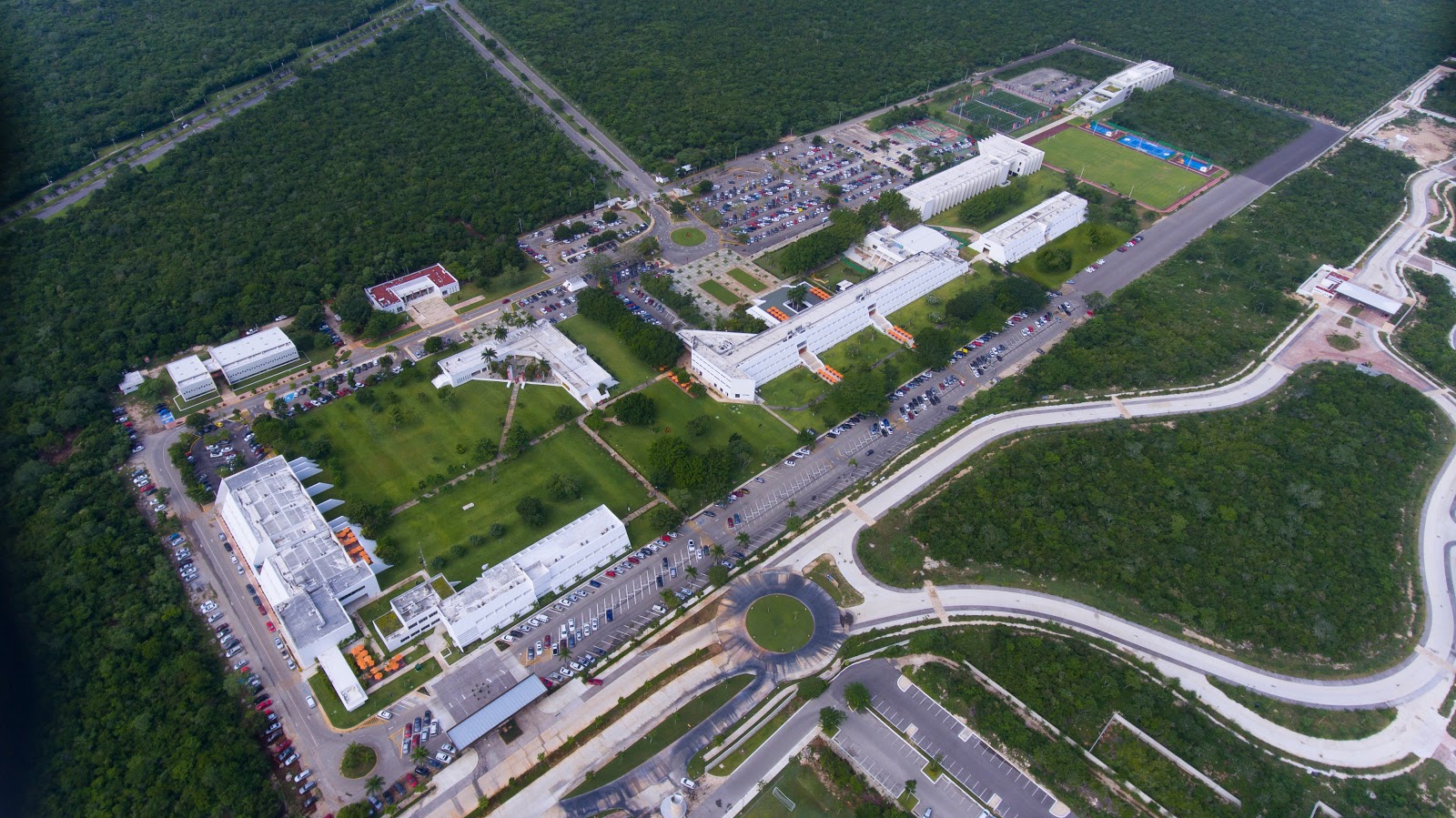
The main campus of Chapingo Autonomous University is located in a rural setting in Texcoco, Estado de Mexico, approximately 38.5 km from Mexico City. The campus features a rural architectural style and a culturally rich environment, including the National Museum of Agriculture, which serves as a valuable resource exploring Mexico's agricultural history. The university is also known for its artistic murals, including works by Diego Rivera. Texcoco offers a blend of city life with access to nearby attractions and transportation options.
Career Outcomes
Chapingo Autonomous University is dedicated to preparing students for successful careers in the agricultural sector and related fields. The university's programs are designed to develop highly qualified professionals capable of addressing the challenges of the agricultural sector and contributing to sustainable natural resource management. The institution fosters innovation and entrepreneurship, particularly through initiatives like the Incubator of Agro-businesses (IDEA), which supports youth entrepreneurship in the rural sector. Graduates often find employment in areas such as agronomy, veterinary science, engineering, and social sciences.
Information for International Students at Autonomous University of Chapingo
Autonomous University of Chapingo in Texcoco, Mexico welcomes international students.
- No visa support offered
- No on-campus work
- Student housing available
Admissions Requirements for Autonomous University of Chapingo
Here are the key admission requirements for international students applying to Autonomous University of Chapingo:
- Selectivity: Moderate (40-60%)
Programs at Autonomous University of Chapingo (29 programs)
Autonomous University of Chapingo offers 29 programs across Bachelor, Master, PhD levels.
Bachelor Programs (27)
- Ingeniería Forestal (BEng) — 48 months · Spanish · STEM
Focuses on the sustainable management and conservation of forest resources. Students learn about forest ecosystems, silviculture, and resource planning for environmental protection and sustainable use.
Field: Forestry - Licenciatura en Estadística — 48 months · Spanish · STEM
Focuses on the application of statistical methods in various fields, likely with an emphasis on agricultural and environmental data. Graduates can pursue careers in data analysis, research, and statistical modeling within agricultural and environmental sectors.
Field: Statistics - Licenciatura en Economía — 48 months · Spanish · STEM
Covers economic principles with a focus on agricultural economics and rural development. Students learn to analyze economic issues in agriculture and contribute to rural policy and development.
Field: Economics - Licenciatura en Redes Agroalimentarias — 48 months · Spanish · STEM
Focuses on the study and management of agro-food supply chains and networks. Graduates will be equipped to optimize food production, distribution, and consumption systems.
Field: Agro-food Systems - Ingeniería en Agroecología (BEng) — 48 months · Spanish · STEM
Focuses on ecological principles applied to agricultural systems for sustainable food production. Graduates develop expertise in environmentally friendly farming practices and resilient agricultural systems.
Field: Agroecology - Ingeniero Agrónomo Especialista en Fitotecnia — 48 months · Spanish · STEM
Specializes in crop production, improvement, and management. Graduates are experts in plant science, breeding, and sustainable crop cultivation techniques.
Field: Agronomy - Licenciatura en Agronomía en Horticultura Protegida — 48 months · Spanish · STEM
Specializes in the cultivation of horticultural crops under protected conditions, such as greenhouses. Students gain expertise in advanced horticultural techniques and controlled environment agriculture.
Field: Agronomy - Ingeniería en Irrigación (BEng) — 48 months · Spanish · STEM
Specializes in the design, implementation, and management of irrigation systems for agricultural purposes. Graduates are equipped to optimize water use in agriculture and develop sustainable irrigation solutions.
Field: Agricultural Engineering - Licenciatura en Administración y Negocios — 48 months · Spanish
Provides knowledge and skills in business administration, likely with an agricultural or rural focus. Graduates can manage agricultural enterprises, develop business strategies, and contribute to rural economic development.
Field: Business Administration - Licenciatura en Comercio Internacional — 48 months · Spanish
Focuses on the principles and practices of international trade, potentially with an emphasis on agricultural products. Students learn about global markets, trade policies, and logistics for international commerce.
Field: International Trade - Ingeniería Forestal Industrial (BEng) — 48 months · Spanish · STEM
Focuses on the industrial processing and utilization of forest products. Students learn about sustainable forestry, wood technology, and the management of forest-based industries.
Field: Forestry - Ingeniero Agrónomo Especialista en Suelos — 48 months · Spanish · STEM
Focuses on soil science, fertility, and conservation for agricultural productivity. Students learn about soil management, nutrient cycling, and erosion control to enhance crop yields.
Field: Agronomy - Licenciatura en Medicina Veterinaria y Zootecnia — Spanish · STEM
Focuses on animal health, production, and management. Graduates are prepared for careers in veterinary care, livestock management, and animal science research.
Field: Veterinary Medicine - Ingeniería Mecánico Agrícola (BEng) — 48 months · Spanish · STEM
Deals with the design, development, and maintenance of machinery and equipment used in agriculture. Students gain skills in agricultural mechanization, automation, and engineering solutions for farming.
Field: Agricultural Engineering - Ingeniería en Restauración Forestal (BEng) — 48 months · Spanish · STEM
Specializes in the recovery and rehabilitation of degraded forest ecosystems. Graduates work on ecological restoration projects, reforestation, and biodiversity conservation.
Field: Forestry - Ingeniero Agrónomo Especialista en Zonas Tropicales — 48 months · Spanish · STEM
Focuses on agricultural practices and challenges specific to tropical regions. Students gain expertise in tropical crop cultivation, pest management, and sustainable farming in warm climates.
Field: Agronomy - Ingeniero en Sistemas Agroalimentarios (BEng) — 48 months · Spanish · STEM
Focuses on the entire agro-food system, from production to consumption, with an engineering approach. Students learn to design and manage efficient and sustainable food supply chains.
Field: Agro-food Systems - Ingeniería Agroindustrial (BEng) — 48 months · Spanish · STEM
Combines agricultural production with industrial processing and commercialization of agricultural products. Students learn to innovate in food processing, quality control, and supply chain management for agro-industrial businesses.
Field: Agroindustrial Engineering - Ingeniero Agrónomo Especialista en Sociología Rural — 48 months · Spanish
Combines agricultural knowledge with the study of social structures and dynamics in rural communities. Graduates analyze social issues in agriculture and contribute to rural development policies.
Field: Agronomy - Ingeniero en Desarrollo Agroforestal (BEng) — 48 months · Spanish · STEM
Integrates agriculture and forestry practices for sustainable land use and resource management. Graduates develop expertise in agroforestry systems, combining trees and crops for ecological and economic benefits.
Field: Agroforestry - Ingeniería en Mecatrónica Agrícola (BEng) — 48 months · Spanish · STEM
Integrates mechanical, electronic, and computer engineering for the automation and control of agricultural processes. Graduates are prepared to develop smart farming technologies and precision agriculture systems.
Field: Mechatronics - Ingeniería en Recursos Naturales Renovables (BEng) — 48 months · Spanish · STEM
Focuses on the sustainable management and conservation of renewable natural resources. Students learn to develop strategies for resource utilization, environmental protection, and sustainable development.
Field: Natural Resources Management - Ingeniero en Economía Agrícola (BEng) — 48 months · Spanish · STEM
Applies economic principles to agricultural production, markets, and policy. Students learn to analyze agricultural markets, evaluate economic impacts of policies, and manage agricultural enterprises efficiently.
Field: Agricultural Economics - Ingeniero Agrónomo Especialista en Zootecnia — 48 months · Spanish · STEM
Specializes in animal production, breeding, and health. Graduates are prepared for careers in livestock management, animal nutrition, and genetic improvement.
Field: Agronomy - Ingeniero en Sistemas Pecuarios (BEng) — 48 months · Spanish · STEM
Focuses on the design and management of livestock production systems. Graduates develop expertise in animal husbandry, farm management, and sustainable livestock practices.
Field: Animal Production Systems - Ingeniero en Sistemas Agrícolas (BEng) — 48 months · Spanish · STEM
Deals with the integrated management of agricultural production systems. Students learn to optimize farming operations, resource allocation, and sustainable agricultural practices.
Field: Agricultural Systems - Ingeniero Agrónomo Especialista en Parasitología Agrícola — 48 months · Spanish · STEM
Specializes in the study and control of pests and diseases affecting agricultural crops. Graduates develop strategies for integrated pest management and crop protection.
Field: Agronomy
Master Programs (1)
- Master's Degree Programs — 12 months · Spanish · STEM
Master's programs aim to deepen knowledge and develop skills for solving disciplinary, interdisciplinary, or professional problems, and to equip individuals with basic research tools in a specific area of science, arts, business, or technology. Graduates are prepared for advanced roles in research, industry, or public service within agricultural and related fields.
Field: Agriculture
PhD Programs (1)
- PhD Programs — 36 months · Spanish · STEM
PhD programs involve producing new knowledge in a chosen specialization, contributing to the development of knowledge through original research and a doctoral thesis. Graduates are prepared for careers in academia, advanced research, and leadership roles in their specialized fields.
Field: Agriculture
Scholarships & Tuition at Autonomous University of Chapingo
Annual tuition for international students: $200 – $400/year
Visit the university's financial aid page for the latest scholarship information.
Rankings of Autonomous University of Chapingo
- National Ranking: #14 in Mexico
- QS World University Ranking: #1201
- Times Higher Education (THE): #1501
- Ranking tier: Unranked
- Research output: High
Campus & Facilities at Autonomous University of Chapingo
- Student housing available
- No sports facilities
- No disability support info
Key Highlights
- Founded 1854, agricultural education pioneer
- Leading agricultural and environmental research
- Diverse programs, practical training focus
- Commitment to rural development
- Welcomes international and indigenous students
- Located in Texcoco, Mexico
Fields of Study at Autonomous University of Chapingo
- Agriculture
- Forestry
- Engineering
- Sciences
Notable Alumni
- Félix Agramont Cota
- Álvaro Carrillo
- Víctor Villalobos
- Silvano Aureoles Conejo
- José Narro Robles
Frequently Asked Questions about Autonomous University of Chapingo
What is Autonomous University of Chapingo?
Autonomous University of Chapingo is a public university located in Texcoco, Mexico. .
How much does it cost to study at Autonomous University of Chapingo?
Tuition fees at Autonomous University of Chapingo for international students range from $200 – $400/year.
What are the admission requirements for Autonomous University of Chapingo?
Selectivity: Moderate (40-60%).
How many programs does Autonomous University of Chapingo offer?
Autonomous University of Chapingo offers 29 programs: 27 Bachelor's, 1 Master's, and 1 PhD programs across various fields of study.
What is Autonomous University of Chapingo ranked?
#14 in Mexico · QS World #1201 · THE World #1501.
Apply to Autonomous University of Chapingo with Abroadly
Use Abroadly's AI-powered platform to manage your application to Autonomous University of Chapingo. Get matched to programs, track deadlines, and organize documents — all in one place.